Us Government Sues Southwest Airlines And Fines Frontier For Chronically Delayed Flights

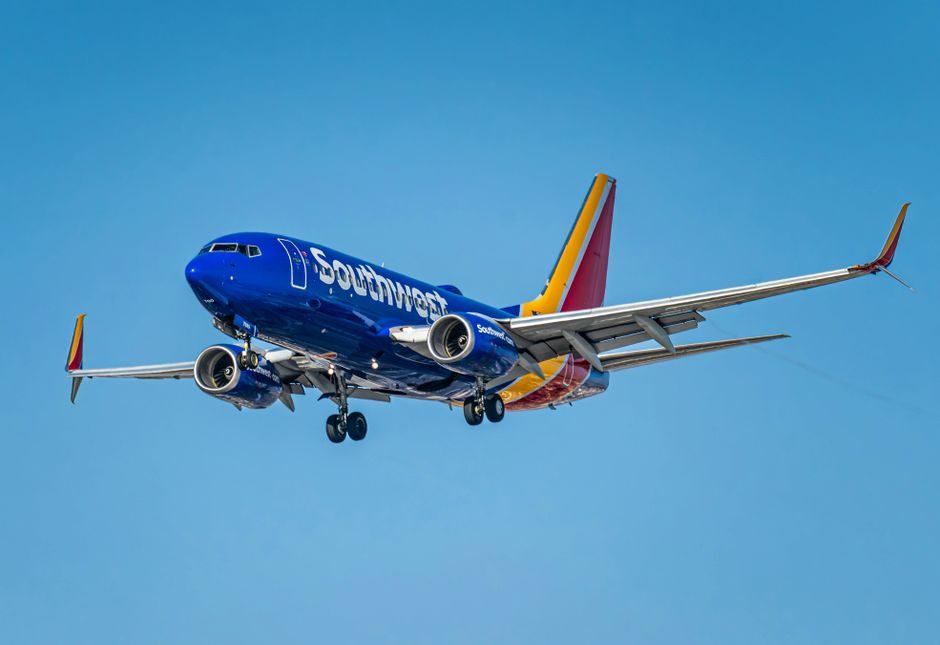
US Government Sues Southwest Airlines and Fines Frontier for Chronically Delayed Flights
The United States Department of Transportation (DOT) has initiated significant legal action against Southwest Airlines and imposed a substantial fine on Frontier Airlines, citing a persistent pattern of chronically delayed flights and a failure to adequately compensate passengers. These enforcement actions underscore a growing governmental intolerance for systemic operational failures within the airline industry that disrupt passenger travel and erode consumer confidence. The DOT’s move signals a renewed commitment to holding carriers accountable for their performance and ensuring that passengers receive fair treatment when their travel plans are significantly impacted.
The lawsuit against Southwest Airlines, filed in federal court, alleges a pattern of "reckless, willful, and wanton disregard" for its obligations to passengers. The DOT’s complaint centers on Southwest’s repeated and widespread flight cancellations and delays, particularly during peak travel periods and across multiple major airports. Investigations by the DOT revealed that Southwest’s operational meltdowns were not isolated incidents but rather a recurring problem stemming from what the department deems a lack of adequate planning, staffing, and robust operational systems. This deficiency, according to the DOT, directly led to thousands of flights being canceled or significantly delayed, leaving hundreds of thousands of passengers stranded, incurring unexpected expenses, and missing crucial appointments or events. The lawsuit seeks civil penalties that could amount to millions of dollars, aiming to deter future misconduct and compensate for the demonstrable harm caused to consumers.
Frontier Airlines, meanwhile, has already been hit with a significant monetary penalty for its own history of problematic flight operations. The DOT announced a $2.2 million fine against Frontier, citing its repeated failures to provide timely flight information and its inadequate handling of flight disruptions. This fine is a direct consequence of numerous consumer complaints detailing Frontier’s persistent issues with flight delays and cancellations, coupled with what many passengers described as a lack of transparency and minimal efforts to rebook or compensate them. The DOT’s enforcement action highlights concerns not only about the frequency of disruptions but also about the carrier’s communication protocols and its commitment to passenger welfare during such events. The penalty aims to incentivize Frontier to invest in improving its operational reliability and customer service during periods of disruption.
Central to the DOT’s actions against both airlines is the concept of "chronic delays." This term, as used by regulatory bodies, refers to a pattern of delays that exceed acceptable thresholds and indicate systemic rather than occasional operational issues. For airlines, chronic delays can stem from a variety of factors, including insufficient aircraft maintenance, inadequate crew scheduling, outdated technology, poor communication between departments, and insufficient contingency planning for weather events or other unforeseen circumstances. The DOT argues that when delays become a recurring feature of an airline’s service, it is no longer a matter of bad luck but a failure of management and operational oversight. This perspective shifts the burden of responsibility squarely onto the airlines to proactively address the root causes of these persistent disruptions.
The legal and financial repercussions for Southwest and Frontier are more than just punitive. They serve as a strong signal to the entire airline industry that the DOT is prepared to take decisive action to protect consumer rights. The department’s investigations often involve a deep dive into internal airline data, operational policies, and customer complaint logs. This granular approach allows the DOT to identify patterns of non-compliance and to build compelling cases for enforcement. The public nature of these lawsuits and fines also serves as a deterrent, as other airlines will be watching closely to understand the DOT’s enforcement priorities and the consequences of similar operational shortcomings.
For Southwest Airlines, this lawsuit represents a significant challenge to its long-standing reputation as a carrier known for its customer service. The airline’s operational collapse in December 2022, which led to thousands of cancellations and stranded passengers during the holiday season, brought the issue of its reliability under intense scrutiny. While Southwest has since undertaken efforts to improve its systems, the DOT’s legal action suggests that regulators believe these efforts have been insufficient or that the underlying issues remain unresolved. The lawsuit will likely involve extensive legal proceedings, potentially including discovery, depositions, and ultimately, a trial if a settlement is not reached. The outcome could have far-reaching implications for Southwest’s financial standing and its operational strategies going forward.
The fine levied against Frontier Airlines, while smaller than the potential penalties for Southwest, is still a significant sum and underscores the airline’s ongoing challenges with reliability. Frontier has historically positioned itself as a low-cost carrier, often attracting passengers with competitive fares. However, critics and regulators have pointed to a trade-off between cost savings and operational resilience. The DOT’s action suggests that the department will not tolerate business models that appear to compromise passenger welfare in the pursuit of cost efficiency. The $2.2 million fine will necessitate a financial adjustment for Frontier and likely prompt a review of its operational priorities and investment in infrastructure and technology.
The DOT’s enforcement efforts are also driven by a broader mandate to ensure fair competition and a healthy airline industry. When some carriers consistently fail to meet operational standards, it can create an uneven playing field. Passengers who experience chronic delays and cancellations with one airline may be less likely to book with that carrier in the future, but the impact of systemic failures can ripple across the industry, eroding overall confidence in air travel. By holding specific airlines accountable, the DOT aims to raise the baseline for operational performance across the board, benefiting all consumers.
The process of filing a lawsuit or imposing a fine by the DOT typically begins with a period of investigation. This investigation can be triggered by a large number of consumer complaints, media reports, or the department’s own monitoring of airline performance data. Once a pattern of potential non-compliance is identified, the DOT may engage with the airline to seek explanations and remedial actions. If these engagements are unsatisfactory, the department can escalate to formal enforcement actions. The legal framework for these actions is largely established by the Airline Deregulation Act of 1978 and subsequent amendments, which grant the DOT the authority to regulate airlines in areas such as consumer protection and safety.
The economic impact of chronic flight delays on passengers is substantial. Beyond the immediate inconvenience, travelers often incur costs for rebooked flights, hotel stays, missed connections, and lost productivity. The DOT’s actions are, in part, an attempt to ensure that airlines bear a greater responsibility for these downstream costs when their operational failures are the cause. The concept of "pass-through" costs, where the burden of disruption is unfairly shifted to the consumer, is a significant concern for regulators.
Looking ahead, these enforcement actions are likely to encourage other airlines to conduct thorough reviews of their own operational capabilities. Investments in technology, such as advanced scheduling software and real-time operational monitoring systems, will become increasingly crucial. Furthermore, airlines will need to prioritize robust contingency planning, ensuring they have adequate staffing and resources to manage disruptions, whether they are caused by weather, mechanical issues, or other unforeseen events. The human element – proper training for staff, clear communication protocols, and empathetic customer service during stressful situations – will also be paramount.
The DOT’s aggressive stance on chronic flight delays and passenger compensation signals a new era of regulatory oversight in the airline industry. The lawsuits and fines against Southwest and Frontier are not isolated incidents but rather indicative of a broader trend towards greater accountability. Passengers can expect continued scrutiny of airline performance, and carriers that fail to meet their obligations will face increasing regulatory pressure and financial penalties. This approach aims to foster a more reliable and consumer-friendly air travel experience, ultimately benefiting the millions of Americans who rely on airlines for their journeys. The public interest in accessible, reliable, and fair air transportation is a key driver behind these significant regulatory interventions.


