How Trump’s repeal of the greenhouse gas rule could double new emissions from Georgia

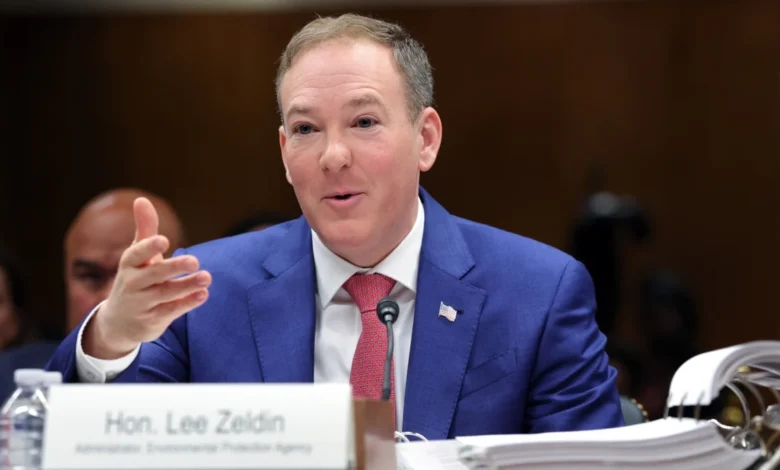
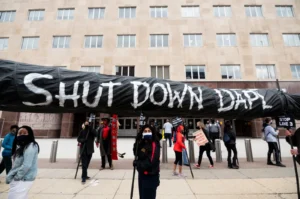
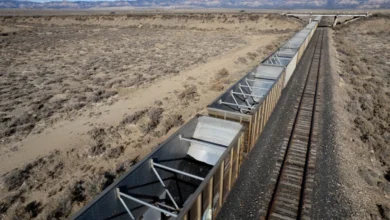
The legal challenge, spearheaded by organizations including the Natural Resources Defense Council (NRDC) and the American Public Health Association (APHA), represents a major escalation in the ongoing conflict between federal energy regulators and environmental advocates. At the center of the dispute is the Biden-era Environmental Protection Agency (EPA) rule, which mandated that coal-fired power plants either implement carbon capture technology or face mandatory decommissioning by 2032. For new natural gas-fired facilities, the rule imposed strict operational limits, effectively requiring utilities to either install carbon capture systems or curtail the frequency with which these plants operate to minimize their carbon footprint.
The Trump administration’s move to rescind these standards has prompted swift, decisive action from public health experts who argue that the regulatory rollback ignores the fundamental connection between atmospheric health and human longevity. "Clean air is a basic human right," said Georges C. Benjamin, CEO of the American Public Health Association. "Power plant pollution threatens the health of millions of Americans and fuels climate change, worsening extreme heat, poor air quality, and other serious health risks."
A Shift in Utility Strategy: The Georgia Case Study
In Georgia, the impact of federal regulatory uncertainty is already manifesting in the long-term resource planning of the state’s largest utility, Georgia Power. Historically, the Biden-era mandate served as a catalyst for decarbonization. In its 2022 Integrated Resource Plan (IRP), Georgia Power explicitly concluded that the cost of retrofitting aging coal plants with carbon capture and sequestration (CCS) technology was economically prohibitive. Consequently, the utility proposed a path toward the eventual retirement of its coal-fired assets.
However, the political landscape shifted following the election of the second Trump administration. As market expectations adjusted to the prospect of a deregulated energy sector, utilities began recalibrating their long-term infrastructure commitments. According to Maggie Shober, director of utility reform at the Southern Alliance for Clean Energy, the market had already begun "pricing in" the repeal of the EPA’s climate rules long before the formal proposal was drafted.
This shift became evident during the 2025 Georgia Public Service Commission (PSC) hearings. During these proceedings, Georgia Power successfully petitioned for approval to delay the retirement of several coal units, including units at Plant Scherer and the Plant Gaston facility located in Alabama. Data from the U.S. Energy Information Administration (EIA) underscores the environmental significance of this decision: in 2024, Plant Scherer emitted more than 8 million tons of carbon dioxide, while Plant Gaston contributed an additional 2 million tons. By extending the operational life of these plants, the utility effectively opted to maintain high-carbon generation rather than invest in the cleaner alternatives the 2022 plan had previously prioritized.
The Mechanism of Uncertainty: Planning for a Post-Regulation World
The strategy adopted by major utilities during this period of transition has been characterized by "scenario planning." Rather than committing to a single, carbon-constrained path, utilities have begun creating complex, multi-variable models that anticipate various regulatory futures.
In the 2025 hearings, Jeff Grubb, Georgia Power’s director of resource policy and planning, defended the utility’s decision-making process, stating that the company ran nine distinct planning scenarios. Three of these scenarios accounted for compliance with the Biden-era EPA rules, while six explicitly assumed a deregulated environment where those rules would be repealed or invalidated.
"These scenarios provide a flexible framework for the company to evaluate its options among differing plausible future scenarios, positioning it to make informed resource planning decisions," Grubb noted. However, critics argue that this flexibility serves as a cover for delaying necessary capital investments in clean energy. By keeping coal units online under the guise of "regulatory uncertainty," utilities effectively bypass the pressure to transition to renewable energy sources, keeping the regional grid tethered to fossil fuels for an additional decade or more.
Economic and Environmental Implications of Methane Expansion
The repeal of the EPA rule has profound implications for the expansion of natural gas, or methane, as a primary energy source. Georgia Power is currently expanding its generation capacity, partly to meet the surging electricity demand driven by the proliferation of massive data centers and the broader electrification of the regional economy.
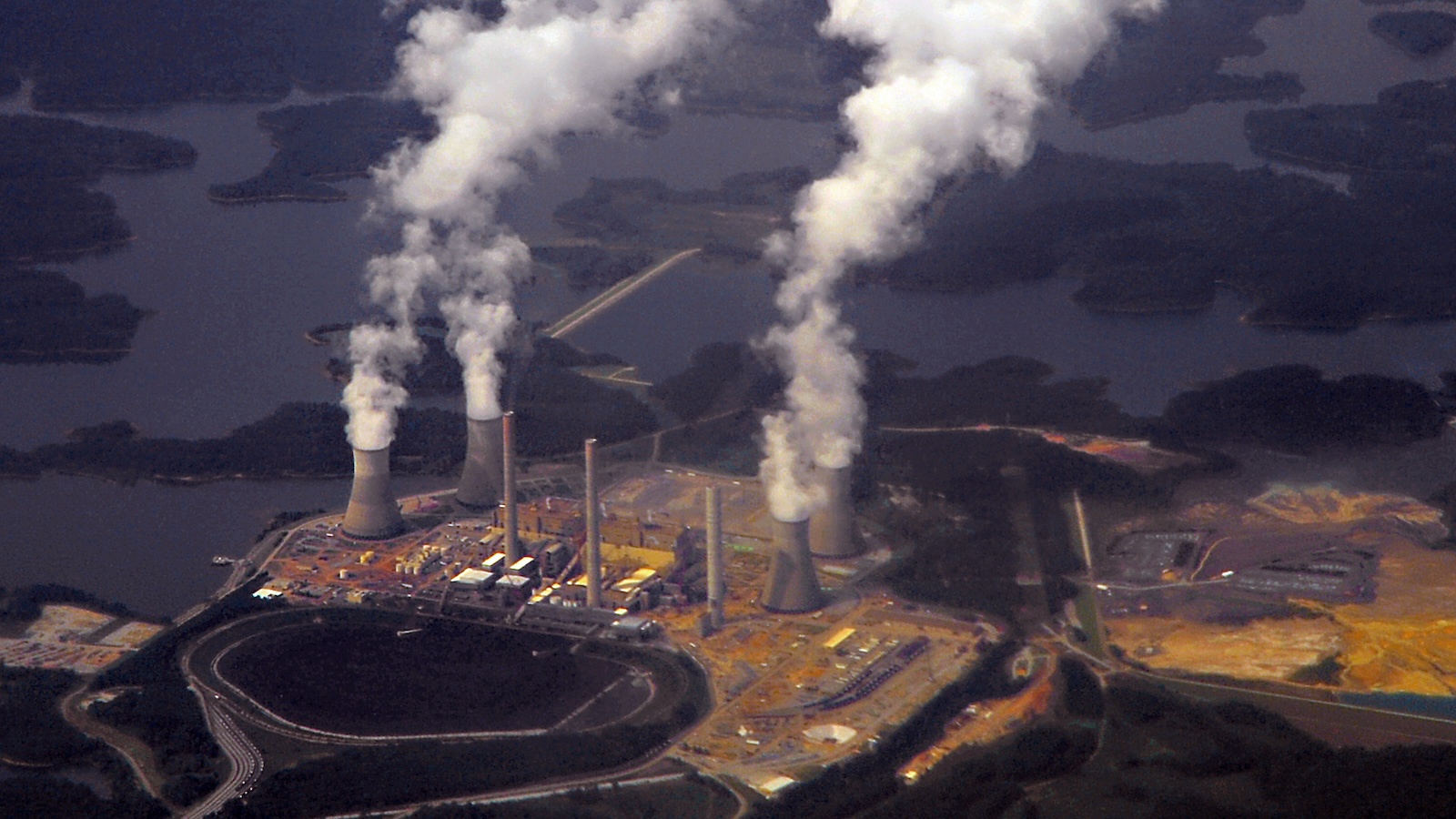
Under the previous federal standards, new gas turbines would have been subjected to strict runtime limitations—capped at approximately 40 percent of the year—to minimize emissions. According to analysis by the Southern Alliance for Clean Energy, these limitations would have restricted annual carbon dioxide emissions from these new units to roughly 4 million tons.
If the EPA’s proposed repeal is finalized, those same plants could see their utilization rates jump to 85 percent or higher. Under that scenario, projected carbon emissions from these new gas turbines would soar to approximately 8.5 million tons annually, more than doubling the environmental impact of the new infrastructure. This creates a "lock-in" effect where the state becomes reliant on carbon-intensive methane gas for decades, complicating any future attempts to meet national or state-level emissions reduction targets.
Institutional Responses and the Road Ahead
The legal challenges filed by the NRDC, the APHA, and their allies seek to stay the repeal process, arguing that the EPA’s reversal is arbitrary and fails to account for the clear health mandates set forth in the Clean Air Act. While the litigation proceeds, the regulatory environment remains in flux, creating a period of suspended animation for utilities.
When asked to comment on the potential impact of the repeal on its internal sustainability goals, Georgia Power’s parent company, Southern Company, declined an interview. In a written statement, a company spokesperson emphasized the need for stability: "We support regulatory certainty with a durable framework that leads to reliable and affordable electricity for our customers."
Notably, the statement omitted any mention of Southern Company’s previous, high-profile commitment to reach net-zero greenhouse gas emissions by 2050. This silence has raised questions among investors and environmental advocates alike regarding whether the company intends to maintain its long-term climate targets in the absence of a federal regulatory floor.
Fact-Based Analysis of the Regulatory Landscape
The tension between federal policy and local implementation is not new, but the current dispute highlights a critical vulnerability in the U.S. power sector. When federal environmental rules are viewed as temporary—subject to the whims of shifting administrations—utilities are incentivized to pursue the lowest-cost, short-term options rather than the most sustainable, long-term investments.
The current situation reveals three primary risks:
- Infrastructure Lock-in: The construction of new, high-emission gas plants creates a physical dependency on fossil fuels that will be difficult and costly to reverse, regardless of future policy shifts.
- Health Externalities: Increased reliance on coal and gas plants near population centers directly correlates with higher rates of respiratory and cardiovascular disease, costs which are often borne by public health systems rather than the utilities themselves.
- Erosion of Regulatory Durability: The frequent reversal of EPA standards creates a climate of unpredictability that deters long-term investment in clean energy technologies like battery storage and advanced nuclear, which require a stable regulatory horizon to secure financing.
As the litigation moves through the court system, the public comment period for the EPA’s proposed rule change remains a final opportunity for stakeholders to weigh in. However, the trajectory of utility planning suggests that the era of aggressive decarbonization, at least at the federal level, has been placed on hold. For states like Georgia, the outcome of this legal battle will determine whether the power grid evolves toward a cleaner, more efficient future or remains tethered to the carbon-intensive practices of the past.
For now, the legal battle continues, and the implications for the climate and the air quality of the Southeastern United States remain uncertain, hanging in the balance of a shifting federal judiciary and a rapidly changing energy market.