Ultimate Fall Foliage Getaways: The Best Airbnb Stays Across the United States to Experience Autumn’s Peak

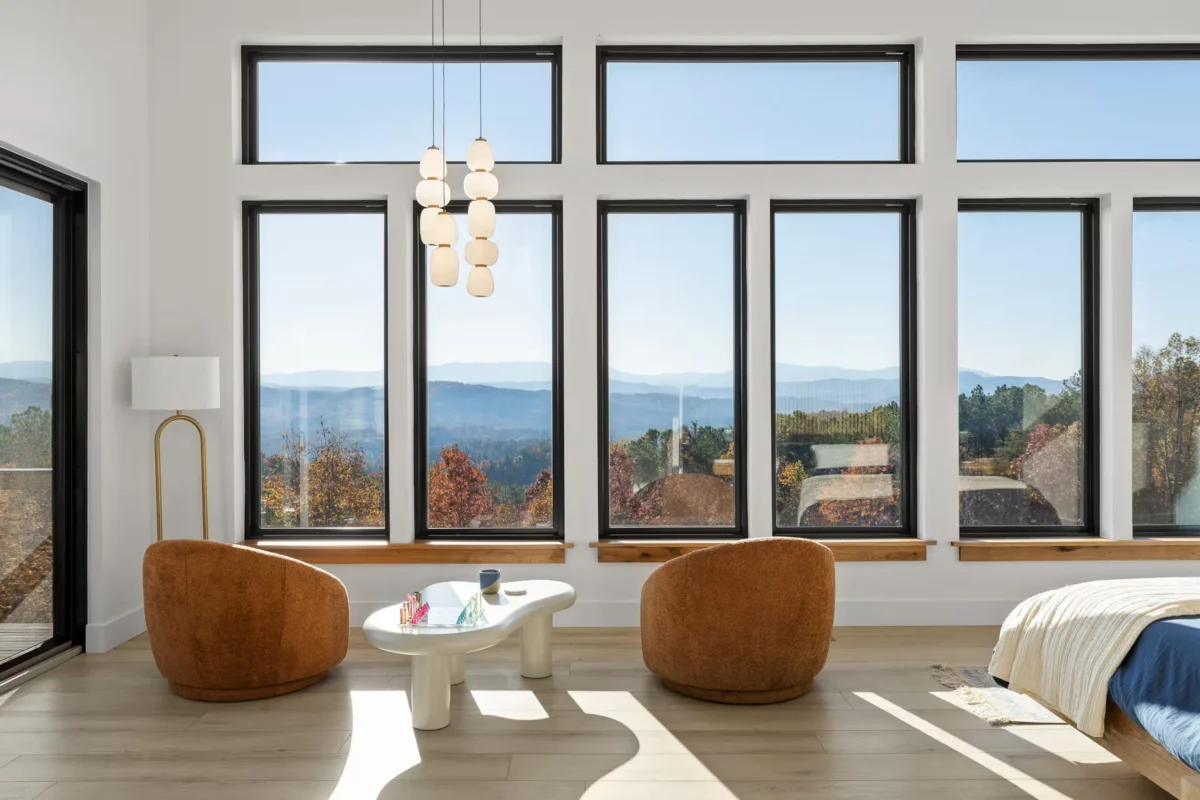
For millions of Americans living in regions touched by seasonal shifts, the arrival of autumn brings a fleeting window of vibrant transformation. As chlorophyll breaks down and reveals the brilliant yellows, deep oranges, and rich purples hidden beneath the green canopy of summer, a cultural and economic migration takes place. Travelers and nature enthusiasts alike scramble to secure lodging in prime geographical corridors before the brisk winds of late autumn strip the branches bare. This seasonal phenomenon, colloquially known as leaf-peeping, drives a multi-billion-dollar tourism market across the United States. In response to the high demand for immersive nature experiences, property platforms like Airbnb have reported significant surges in bookings for remote, woodland, and mountain accommodations. From the historic maples and oaks of New England to the golden aspen groves of the Rocky Mountains, travelers are increasingly seeking out properties that offer not just a place to sleep, but a front-row seat to one of nature’s most ephemeral displays. Editors and travel industry analysts have curated a specialized selection of top-tier listings—ranging from classic timber cabins to off-grid backcountry ranches—that meet rigorous standards for Superhost status, guest satisfaction, architectural integration, and geographical advantage.
The Phenomenon of Fall Foliage Tourism
Autumnal tourism has evolved from a niche recreational activity into a foundational pillar of the hospitality and travel sectors in North America. According to regional tourism boards across the Northeast, Midwest, and Mountain West, the fall foliage season generates billions of dollars in economic activity, supporting local bed-and-breakfasts, boutique hotels, restaurants, and short-term rental hosts. For many rural communities, the autumn shoulder season serves as a critical financial bridge between the bustling summer vacation period and the winter ski season.
The mechanics of this seasonal migration are driven by climate science and meteorology. The transformation of leaves is triggered by a reduction in daylight hours and declining temperatures, which prompt deciduous trees to cease food production. As the green pigment fades, carotenoids and anthocyanins emerge, creating the mosaic of colors that defines the American autumn. Because this process varies by latitude, altitude, and weather patterns, peak foliage moves dynamically across the country, starting in the high elevations of the Rocky Mountains and northern New England as early as September, and sweeping down into the mid-Atlantic and southern valleys by late October or early November.
This temporal and geographical unpredictability has fueled intense competition for accommodations. Travelers no longer wish to view the changing leaves from crowded highway overlooks or busy state park parking lots. Instead, the modern travel consumer demands privacy, comfort, and architectural immersion. Short-term rentals equipped with floor-to-ceiling windows, wrap-around decks, wood-burning stoves, and outdoor wellness amenities such as barrel saunas and hot tubs have emerged as the gold standard for fall travel.
Chronology of the Autumn Travel Booking Cycle
Understanding the booking behavior of fall travelers requires examining a distinct twelve-month cycle that peaks significantly ahead of the actual seasonal change. The chronology of planning an autumnal escape typically unfolds across several distinct phases:
Winter to Early Spring (January – March): Savvy travelers begin monitoring early-bird availability for premier properties in high-demand regions such as Vermont, New Hampshire, the Hudson Valley, and Aspen, Colorado. Properties with unique architectural features or exceptional historical provenance are frequently booked up to nine months in advance.
Late Spring to Early Summer (April – June): Regional tourism bureaus publish initial foliage prediction maps based on winter snowpack, spring precipitation, and long-term climate forecasts. Travelers secure the majority of standard woodland cabins and rural farmhouses during this window, locking in rates before summer price surges take effect.
Late Summer (July – August): A secondary wave of bookings occurs as travelers finalize their vacation schedules for the upcoming quarter. At this stage, availability in prime areas dwindles significantly, and prices reach their peak. Hosts often implement minimum-stay requirements for weekends in October.
The Peak Season (September – November): The operational window opens. As the frost line moves southward and downward in elevation, guests check into their respective rentals. The travel cycle concludes with a post-season review period, during which platforms evaluate properties for Superhost and Guest Favorite designations based on guest feedback regarding cleanliness, accuracy, and amenities.
Architectural Integration and Modern Amenities
The evolution of short-term rentals in forested regions reflects broader architectural trends favoring biophilic design—an approach aimed at connecting building occupants more closely to nature. Properties featured in top-tier travel curations increasingly feature structural elements designed to dissolve the barrier between the indoor living space and the surrounding wilderness.
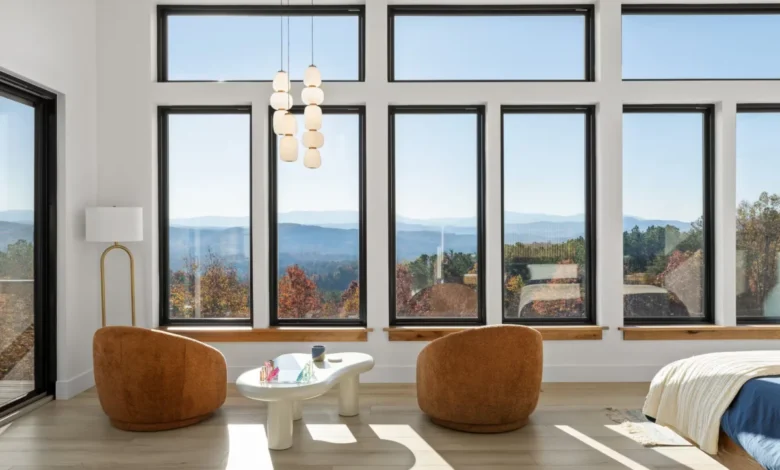
Floor-to-ceiling glass walls have become a defining feature of modern woodland cabins. These expansive windows allow natural light to flood the interior while framing the changing forest canopy as a living, dynamic work of art. Architects are utilizing sustainable timber, locally sourced stone, and minimalist steel frames to ensure that the physical structures complement rather than compete with the natural landscape.
Furthermore, traveler expectations have shifted toward holistic wellness integration. The traditional rustic cabin—once characterized by cramped quarters and basic rustic amenities—has been largely replaced by high-end sanctuaries. Today’s woodland rentals frequently include:
- Outdoor cedar barrel saunas positioned among the trees for contrast therapy during brisk autumn mornings.
- Wood-fired or electric hot tubs overlooking mountain valleys or private forest clearings.
- Gourmet kitchens outfitted with high-end appliances for preparing hearty seasonal meals.
- High-speed satellite internet, allowing remote workers to extend their stays without sacrificing professional connectivity.
- Sustainable off-grid power systems, including solar arrays and geothermal heating, appealing to eco-conscious consumers.
Regional Diversity: From New England to the Rocky Mountains
While the cultural mythology of fall foliage is deeply rooted in the historic towns of New England—such as Stowe, Vermont, and the Berkshires in Massachusetts—the contemporary autumn travel market spans a much broader geographical canvas.
The East Coast Experience: Properties in New York’s Hudson Valley, the Catskills, and coastal Maine continue to dominate traditional booking volumes. These rentals often emphasize historic charm, proximity to artisanal apple orchards, farm-to-table dining establishments, and antique shops. The architectural style leans toward restored 19th-century farmhouses and classic timber-frame cabins.
The Midwest and Great Lakes: States like Michigan, Wisconsin, and Minnesota offer sprawling boreal forests mixed with picturesque lakefront views. Rentals in these regions capitalize on the juxtaposition of amber-colored hardwoods against the deep blue waters of the Great Lakes, providing exceptional opportunities for kayaking, hiking, and wildlife viewing.
The Mountain West: In states like Colorado, Utah, and Wyoming, the fall foliage experience is defined by the sudden, brilliant transformation of vast quaking aspen groves. Unlike the multicolored palette of the East Coast, the Rocky Mountain autumn presents a striking monochromatic gold against rugged granite peaks and evergreen pine forests. Backcountry ranches and modern alpine chalets in these regions offer secluded environments far removed from urban centers.
Industry Analysis and Economic Implications
The surge in demand for remote, design-forward autumnal rentals has direct economic and social implications for the hospitality industry and rural communities alike.
According to market analysts, the proliferation of platforms like Airbnb in rural areas has provided an alternative revenue stream for local property owners, helping to sustain local tradespeople, property managers, and cleaning services. However, this growth has not been without friction. In certain high-demand municipal districts across New England and the Mountain West, local governments have grappled with the balance between welcoming tourism dollars and mitigating the impact of short-term rentals on long-term housing affordability and community character.
In response, platforms and industry associations have increasingly emphasized responsible tourism practices. Hosts are encouraged to provide guests with comprehensive guidelines on local wildlife protection, wildfire prevention—particularly critical during dry autumn conditions—and respectful engagement with rural communities. Furthermore, the curation of properties based on verified guest reviews and Superhost performance metrics helps ensure that travelers support operators who maintain high standards of hospitality and civic responsibility.
Broader Impact and Future Outlook
As climate patterns continue to shift, the timing and intensity of fall foliage are undergoing observable changes. Climatologists note that warmer autumns and delayed frosts can sometimes mute the brilliance of the colors or compress the peak viewing window into a shorter, more erratic timeframe. Despite these environmental variables, consumer demand for autumnal travel remains remarkably resilient.
The desire to disconnect from hyper-connected urban environments and reconnect with the rhythms of the natural world has transformed fall foliage trips from simple weekend excursions into essential wellness rituals. Whether guests choose to immerse themselves in the rich cultural history of a New England village or seek absolute solitude on an off-grid Colorado ranch, the modern woodland rental has redefined how travelers experience the changing of the seasons. By combining thoughtful architecture, luxurious amenities, and prime geographical positioning, these properties ensure that the fleeting beauty of autumn is captured, appreciated, and remembered long after the last leaves have fallen.