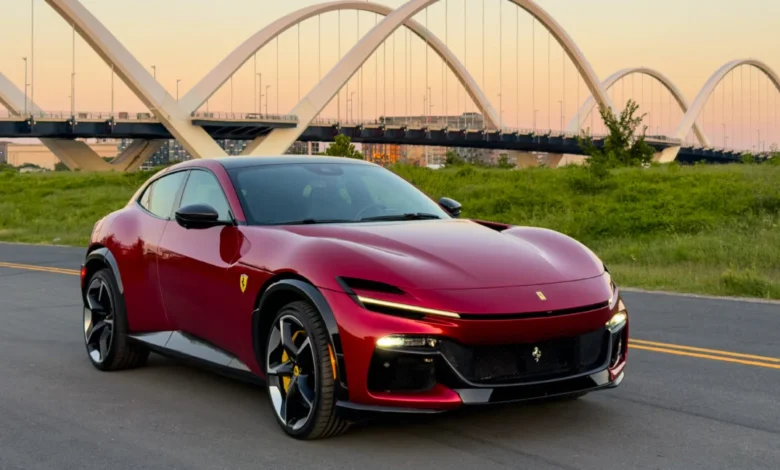
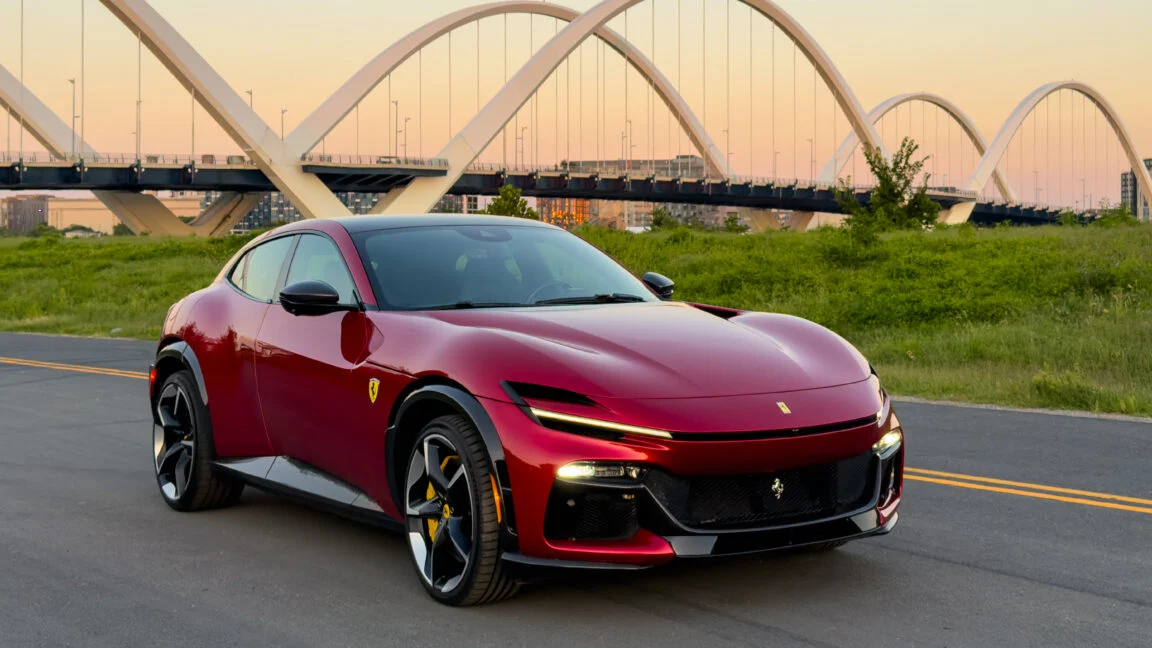
The Ferrari Purosangue stands as a definitive moment in the history of the Maranello-based manufacturer, representing a departure from its traditional two-door grand tourer lineage while maintaining the high-performance DNA synonymous with the Prancing Horse. As the automotive industry pivots toward electrification and modular utility, the Purosangue serves as a bridge between Ferrari’s naturally aspirated V12 heritage and the pragmatic demands of the modern luxury market. Priced with a starting MSRP of approximately $393,350, the vehicle represents a significant strategic shift for the company, positioning it against established ultra-luxury performance SUVs such as the Lamborghini Urus and the Aston Martin DBX.
Ergonomics and the Human-Machine Interface
A critical element of the Purosangue’s interior design is its departure from the controversial, touch-heavy interface seen in models like the 296 GTB. While the industry has trended toward minimalist, screen-reliant cockpits, Ferrari has opted for a hybrid approach that prioritizes driver focus. The multifunction steering wheel retains tactile, physical buttons, allowing for seamless management of systems like Apple CarPlay without requiring the driver to divert their gaze from the road. This integration is displayed directly in the primary instrument cluster, ensuring that navigation and media are centralized within the driver’s line of sight.
However, the vehicle’s secondary controls reveal the complexities of balancing high-tech aesthetics with functional utility. The climate and seating controls—including ventilation and massage functions—are managed via a retractable rotating controller that emerges from the dashboard. This interface requires the user to manipulate a small touchscreen surface. While intuitive when the vehicle is stationary, this configuration presents challenges during active driving, as the interface requires precise finger inputs that can be difficult to manage under real-world road conditions. A similar, albeit secondary, interface is provided for rear-seat passengers, maintaining the design language throughout the cabin.
Interior Philosophy and Passenger Experience
One of the most notable omissions in the Purosangue cabin is the absence of a centralized infotainment screen for the front passengers. Instead, Ferrari has implemented a dedicated, high-definition screen specifically for the front-seat passenger. This display allows for independent media engagement; however, it remains restricted to native media applications and does not support Apple CarPlay projection. The screen features specialized polarization, which renders the content invisible to the driver, a design choice intended to minimize distractions and preserve the driver’s concentration on the road.
The cabin layout reinforces the Purosangue’s identity as a four-door, four-seater vehicle. The rear seats are engineered with the same focus on lateral support as the front bucket seats, ensuring that passengers remain secure during spirited driving. This commitment to maintaining a “Ferrari experience” for all occupants is central to the vehicle’s market positioning.
A Timeline of the Purosangue Development
The road to the Purosangue’s release was marked by intense industry speculation and a multi-year development cycle. For decades, Ferrari leadership—most notably under former CEO Sergio Marchionne—maintained that an SUV-style vehicle would never carry the Ferrari badge. The shift in corporate strategy began to manifest in the late 2010s as consumer demand for luxury high-performance utility vehicles grew globally.
- 2017: Initial rumors emerge regarding a “utility” vehicle from Maranello, internally dubbed the “F16X.”
- 2018: Ferrari officially confirms the development of a utility vehicle, codenamed "Purosangue," during its Capital Markets Day.
- 2021: Spy photography confirms the vehicle’s unique chassis architecture and suicide-door design.
- 2022: The official global debut of the Purosangue, confirming a naturally aspirated 6.5L V12 engine.
- 2023-2024: First customer deliveries begin, with the vehicle setting a new high-water mark for Ferrari’s annual production capacity and revenue targets.
Technical Specifications and Market Context
The Purosangue is powered by a naturally aspirated 6.5-liter V12 engine, a rarity in an era of turbocharged and hybrid-assisted powertrains. This engine configuration provides a distinct acoustic and performance profile that remains a key selling point for brand purists.
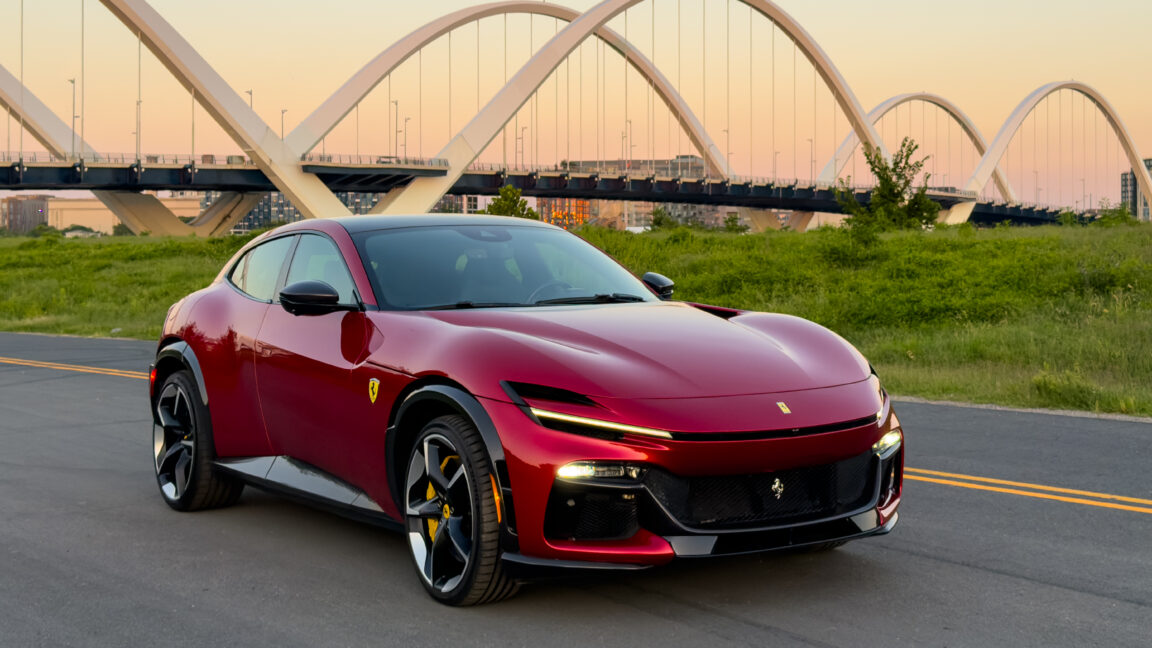
In terms of market performance, the Purosangue occupies a unique space. While the base price is nearly $400,000, extensive customization through Ferrari’s Atelier and Tailor Made programs often inflates the final price significantly. Test models frequently reach prices exceeding $570,000, reflecting the premium customers are willing to pay for bespoke materials, specialized paint options—such as the vibrant Rosso Portofino—and exclusive performance packages.
The vehicle’s fuel efficiency remains a point of contrast with the broader industry trend toward electrification. With a combined fuel economy rating of approximately 12 mpg (19.6 L/100 km), the Purosangue is not designed for efficiency. For customers prioritizing environmental impact, Ferrari is simultaneously developing its battery-electric "Luce" project, which will eventually serve as the company’s zero-emission flagship.
Strategic Implications for Maranello
The launch of the Purosangue is not merely a product release; it is a fundamental shift in Ferrari’s business model. By expanding into the utility segment, Ferrari has effectively broadened its addressable market without diluting its brand equity. Analysts observe that the Purosangue allows Ferrari to compete directly with the Lamborghini Urus and the Aston Martin DBX, both of which have been highly successful in their respective segments.
Furthermore, the Purosangue is marketed as a "daily driver," a departure from the traditional use-case of Ferrari’s sports cars. Its all-wheel-drive capability and adjustable ride height suggest that the vehicle is designed for versatility, including potential use in varied weather conditions or long-distance touring. By maintaining the V12 engine, Ferrari has successfully mitigated potential backlash from its core enthusiast base, who have historically been skeptical of non-sports car models.
Official Stance and Future Outlook
Ferrari management has consistently emphasized that the Purosangue remains a sports car at its core. During investor briefings, the company noted that the vehicle’s weight distribution, suspension technology—specifically the active suspension system that controls body roll—and power-to-weight ratio are consistent with the brand’s performance standards.
The success of the Purosangue has provided the financial foundation for Ferrari’s upcoming electric vehicle portfolio. By generating high-margin revenue from this luxury utility vehicle, Ferrari can fund the extensive R&D required for its transition to electric mobility. The company’s ability to maintain high demand through strict production quotas ensures that the Purosangue remains an exclusive asset, preventing the market saturation that often plagues mass-market luxury SUVs.
As the automotive landscape continues to evolve, the Purosangue serves as a case study in how heritage brands can successfully adapt to shifting market preferences. By prioritizing the driving experience, maintaining iconic engine configurations, and leaning into premium customization, Ferrari has managed to create a product that is, by all metrics, a commercial success. Whether it will be viewed as a historical outlier or the template for the next generation of Italian performance vehicles remains to be seen, but its impact on the current market is already undeniable. The Purosangue is, ultimately, a realization of the brand’s ability to evolve while staying tethered to the performance characteristics that have defined it for over seven decades.