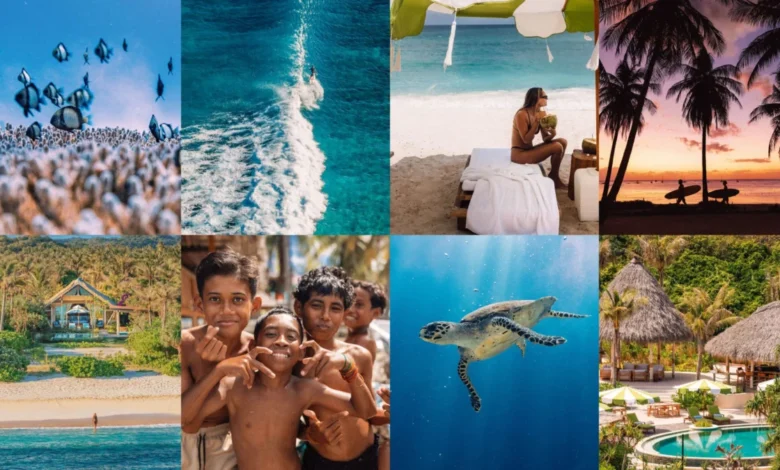
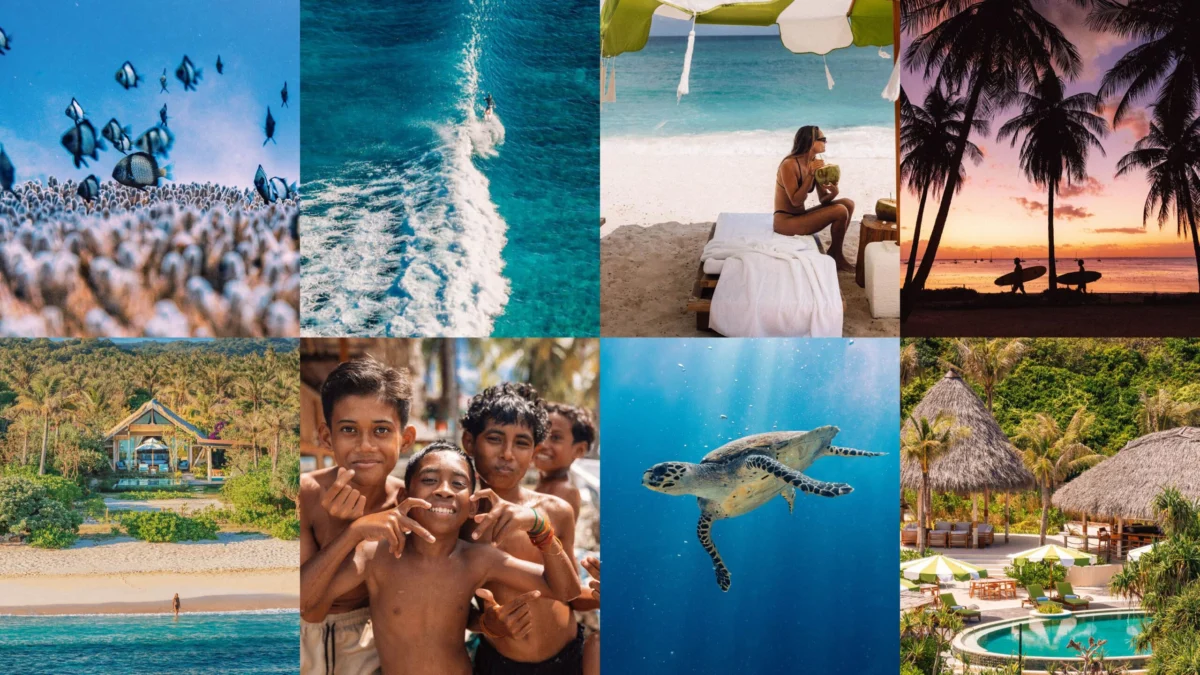
Remote, geographically isolated, and fiercely protective of its slow-paced identity, Rote Island sits at the southeastern periphery of the Indonesian archipelago, closer to Darwin, Australia, than to Jakarta. For decades, this distant outpost of West Timor has remained an insider secret known almost exclusively to dedicated surfers drawn to its pristine, uncrowded waves born of unique meteorological and bathymetric conditions. However, the island is now standing at a critical economic and cultural crossroads. The debut of high-end hospitality ventures, most notably the Nihi Rote and Hospitality Academy, marks the arrival of luxury tourism to Rote. This evolution forces a delicate balancing act between preserving the island’s raw, rustic charm and accommodating the financial imperatives of modern global travel.

A Chronology of Isolation and Discovery
Rote’s contemporary narrative began roughly 40 years ago when Australian surfers first navigated the logistics required to reach its shores. Attracted by legendary surf breaks like Bo’a and T-Land off Nemberala Beach—recognized as some of the longest left-hand waves in Indonesia—these early pioneers established a blueprint of low-impact, transient residency. For generations, the local economy operated on traditional foundations, primarily seaweed farming, artisanal fishing, and small-scale agriculture.

As the decades progressed, Rote remained largely insulated from the mass tourism that transformed neighboring Bali and parts of Lombok. The island’s formidable travel logistics—requiring multiple flights and ferry connections—acted as a natural filter, deterring casual tourists and preserving its rhythm of life. Over the last ten to fifteen years, a small wave of expatriates, including surfers from Australia, South Africa, Spain, and Denmark, trickled in. Rather than developing commercial complexes, these arrivals integrated into the community, opening boutique surf shacks, minimalist guesthouses, and cafes designed to sustain a peaceful lifestyle rather than generate massive corporate profits.
The Shift Toward High-End Hospitality

The landscape is undergoing a deliberate transformation with the introduction of luxury capital. Spearheaded by Michael Schwab, son of Charles Schwab investment firm founder Charles Schwab, the newly established Nihi Rote and Hospitality Academy represents a significant pivot for the island’s economic infrastructure. Sister to the acclaimed Nihi Sumba resort located hundreds of miles to the west, the Rote property introduces upscale lodging to a destination previously defined by basic accommodations.
When fully operational, Nihi Rote will feature 21 private villas, three swimming pools, a dedicated spa, a pump track, and a golf simulator, alongside plans to develop and market multimillion-dollar private residences. To address local employment and skills gaps, the resort established the Rote Hospitality Academy. This initiative trains Timorese residents in hospitality standards, culinary arts, and guest services, aiming to integrate the indigenous population into the high-end tourism economy rather than isolating them from it.

Economic Implications and Community Integration
The introduction of luxury tourism to a developing, subsistence-based island economy carries profound implications. On one hand, projects like Nihi Rote, alongside established boutique operations such as Bo’a Vida, 81 Palms, and Mick’s Place, inject vital foreign capital into local infrastructure, create formalized employment opportunities, and fund educational initiatives. Trainees at the hospitality academy report transformative career prospects, gaining exposure to professional environments previously unavailable on the island.

Conversely, long-standing residents and expatriate community members express cautious concern over the pace of change. Rote’s appeal has historically hinged on its lack of commercial overdevelopment, strict adherence to local tranquility—summarized by residents as "no drugs, no nightclubs"—and an egalitarian atmosphere where visitors and locals interact on equal terms. The introduction of multimillion-dollar real estate and elite resort amenities risks polarizing the island’s socioeconomic strata, potentially pricing locals out of land ownership and altering the communal ethos that attracted expatriates in the first place.
Cultural Resilience Amid Modernization

Despite these shifting economic tides, Rote’s cultural and spiritual core remains remarkably resilient. The island’s landscape is punctuated by massive, vaulted Christian churches reflecting a unique blend of Calvinist, Presbyterian, and Catholic traditions deeply fused with indigenous practices. Elaborate Easter processions and community gatherings underscore a society anchored in strong spiritual and communal values.
Artisanal traditions, such as the weaving of intricate tenun ikat textiles and the creation of the iconic ti’i langga—the wide-brimmed lontar palm hats worn by men—continue to be passed down through generations. These cultural touchstones, alongside a daily routine dictated by the tides rather than corporate schedules, offer a counterweight to the encroaching commercialization.

Outlook for Rote’s Future
As Rote steps into the global spotlight, its primary challenge will be managing sustainable growth without sacrificing the raw authenticity that defines its identity. Hoteliers and community leaders emphasize a shared desire to avoid the over-tourism pitfalls experienced by Bali. By focusing on low-density development, renewable energy integration, and community-led initiatives—such as the planned transition of Rote Island Huts to local management—the island aims to chart a distinct course.

For now, Rote retains its paradoxical charm: a place where rugged cinder-block villages coexist with high-end designer villas, and where the horizon of the Timor Sea still offers travelers a profound sense of isolation and timelessness. Whether this equilibrium can endure as luxury travel expands remains the definitive question for Rote’s future.