The Definitive Guide to Newport, Rhode Island: History, Culture, and Coastal Elegance in the City by the Sea

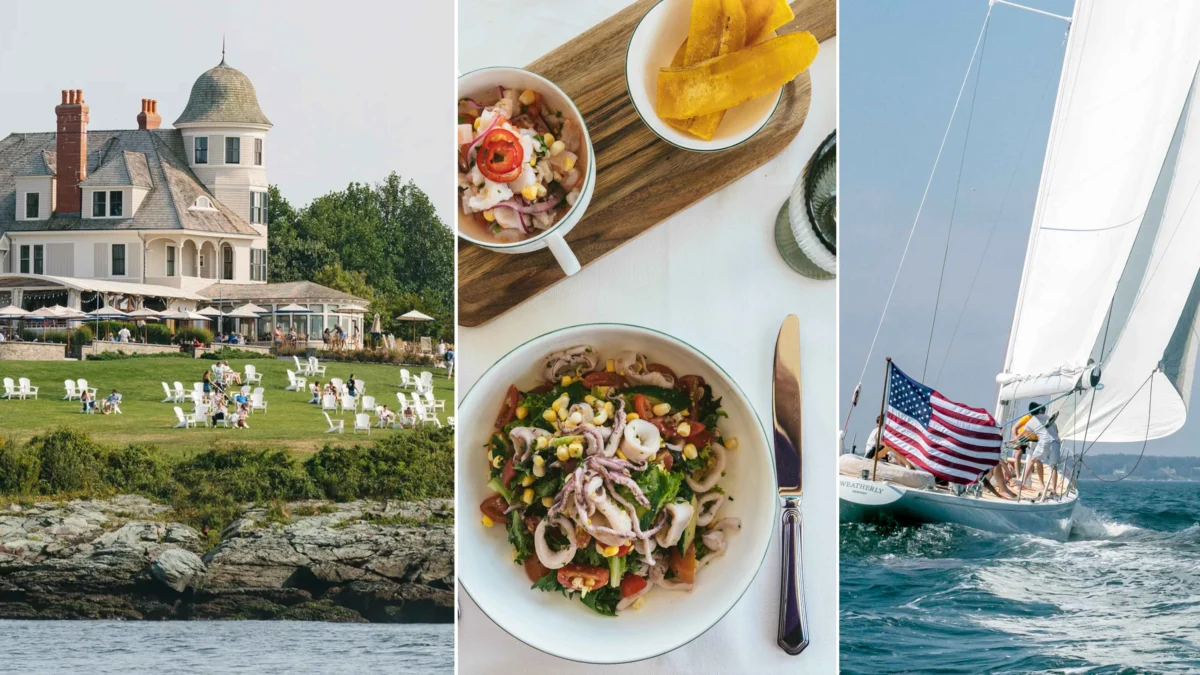
Newport, Rhode Island, has experienced a notable resurgence in cultural visibility, driven by period television dramas depicting the Gilded Age, the proliferation of traditional "old-money" aesthetics across social media platforms, and a steady stream of travelers seeking classic East Coast coastal charm. Yet, this compact maritime city has maintained its status as a premier New England destination for more than two centuries. Long before it captured contemporary digital audiences, Newport served as the summer playground for America’s industrial elite, including prominent families such as the Vanderbilts and the Astors, who erected monumental stone and brick mansions along the rugged shoreline. Today, the destination successfully bridges its aristocratic heritage with accessible year-round tourism, welcoming visitors who traverse its historic wharves, hike its dramatic coastal trails, and engage with a vibrant local economy rooted in maritime tradition and hospitality.
Historical Evolution and Cultural Context
The foundation of Newport’s unique architectural and cultural identity was laid during the 18th and 19th centuries. Initially established as a major colonial seaport trading center, the city evolved following the American Civil War into the summer capital of American high society. During the Gilded Age of the late 19th and early 20th centuries, titans of industry commissioned European-trained architects to design lavish summer "cottages"—opulent summer residences that mirrored European palaces. Estates such as The Breakers and Marble House stand today as testaments to this era of unprecedented wealth and craftsmanship.

Over the decades, Newport transitioned from an exclusive enclave for the ultra-wealthy to a dynamic coastal hub. Preservation efforts spearheaded by local organizations in the mid-20th century safeguarded the highest concentration of colonial homes in the United States, alongside the sprawling Gilded Age properties. This commitment to historic preservation has allowed the city to maintain its architectural integrity while expanding its commercial and tourism infrastructure to accommodate a broad demographic of travelers.
Culinary Landscape: From Retro Diners to Waterfront Fine Dining
The culinary ecosystem in Newport reflects a balance between historic preservation and contemporary gastronomic innovation. The dining scene ranges from century-old establishments to modern bistros that emphasize hyper-local seafood and farm-to-table sourcing.
For morning dining, institutions such as Cru Cafe offer elevated comfort options like smoked salmon avocado toast within a casual bistro setting, while newer additions like The Nitro Bar cater to specialty coffee enthusiasts. Conversely, the Franklin Spa maintains a retro, greasy-spoon aesthetic that has remained largely unaltered for decades, offering traditional diner fare beloved by long-term residents.

Alfresco dining centered around Bowen’s Wharf and Thames Street forms the core of the city’s culinary marketing appeal. Venues such as 22 Bowen’s, The Mooring, and The Black Pearl provide classic New England seafood, including local clam chowder and fresh catches, set against the backdrop of working docks and historic schooners. The Clarke Cooke House, operating in a historic building reminiscent of a ship’s interior, serves a diverse menu ranging from summer sushi to traditional steak frites. Historic establishments further inland, such as the White Horse Tavern—officially operating since 1673—provide upscale farm-to-table dining inside one of the oldest commercial buildings in the country, maintaining a direct link to the colonial era.
Accommodation Sectors: Heritage Properties and Modern Resorts
Lodging in Newport is characterized by geographic diversity and architectural contrast, offering options that span historic preservation, luxury hospitality, and private residential rentals.
Properties affiliated with the Gilded Age heritage include The Vanderbilt, an Auberge Resorts Collection property originally constructed in 1908 by Alfred Gwynne Vanderbilt, and the Francis Malbone House, a Georgian-style mansion dating back to 1760. These properties emphasize period-appropriate interior design, upscale wellness facilities, and localized culinary programs.

For visitors prioritizing proximity to specific topographical features, establishments like The Chanler at Cliff Walk provide direct access to the city’s famous coastal trail, while Forty 1º North Hotel Marina Resort integrates modern, sustainable resort design directly into the active harbor environment. Landmark Victorian properties, most notably the Castle Hill Inn situated atop the rocky bluffs of Ocean Drive, offer traditional luxury experiences where guests utilize the expansive lawn terrace overlooking the Atlantic Ocean.
To accommodate varying budgets and group sizes, the lodging market extends into private rentals throughout Newport proper and the adjacent town of Middletown. Vacation properties range from minimalist waterfront condominiums in the Historic District to shingled coastal cottages located minutes from downtown, reflecting regional zoning efforts to balance hotel density with residential community needs.
Recreational Activities, Arts, and Maritime Heritage
Recreation in Newport is intrinsically tied to its coastal geography and cultural calendar. Maritime activities dominate the warmer months, with public beaches such as Easton’s Beach (First Beach), Sachuest Beach (Second Beach), and the more secluded Gooseberry Beach providing access to the Atlantic surf.

The city’s cultural calendar is anchored by high-profile summer events, notably the Newport Folk Festival and the Newport Jazz Festival, both held annually in late July and early August at Fort Adams State Park. These festivals draw international audiences and generate significant regional economic impact, carrying forward a musical tradition established in the mid-20th century that helped define modern American outdoor music festivals.
Land-based recreational infrastructure includes the Cliff Walk, a public, 3.5-mile National Recreation Trail that traces the eastern shoreline, offering simultaneous views of the open ocean and the rear facades of the Gilded Age mansions. Architectural tourism remains a primary economic driver, managed largely by the Preservation Society of Newport County, which oversees guided tours of properties such as The Elms, Rosecliff, and Marble House.
Beyond the immediate coastline, cultural institutions such as the International Tennis Hall of Fame—located on the historic grounds of the Newport Casino—celebrate the sport’s history within a Victorian shingle-style complex. Inland offerings extend to agricultural and equestrian excursions in nearby Washington County, alongside regional vineyards and wineries in South Kingstown, diversifying the visitor experience beyond maritime pursuits.
Economic Implications and Regional Impact

Tourism serves as the primary economic engine for Newport County, supporting a vast network of hospitality, retail, and maritime service providers. According to regional tourism boards and municipal data, the transition of Newport from a seasonal summer-only destination to a year-round economic hub has stabilized employment and local business revenues.
However, this tourism-dependent economy faces ongoing challenges related to infrastructure capacity, seasonal traffic congestion, and housing affordability for local residents. Municipal planners and local business associations continuously evaluate zoning regulations and transportation management strategies—such as expanded public ferry services and pedestrian-focused zones along Thames Street—to mitigate the environmental and social impacts of high visitor volumes while sustaining economic growth.
Through a combination of strict historic preservation mandates, adaptive reuse of commercial and residential properties, and a diversified events calendar, Newport maintains its position as a case study in heritage tourism management, successfully balancing the preservation of its historical narrative with the demands of modern travelers.