A Federal Appeals Court Rules No Constitutional Right to Clean Water Amidst Ongoing Jackson Crisis

In a landmark legal development that has sent shockwaves through the civil rights and environmental justice communities, the Fifth U.S. Circuit Court of Appeals has ruled that the U.S. Constitution does not guarantee citizens a fundamental right to safe drinking water. The September 4 decision stems from a lawsuit brought by residents of Jackson, Mississippi, who sought to hold city and state officials accountable for decades of systemic failures, lead contamination, and the provision of misleading information regarding the safety of their water supply.
The ruling, which effectively shuts off a critical pathway for legal recourse for residents in one of the nation’s most impoverished and predominantly Black cities, underscores a widening divide between judicial interpretations of constitutional protections and the lived realities of marginalized communities. By affirming a lower court’s dismissal of the case, the appellate court has codified a narrow interpretation of bodily integrity, stating that the government’s failure to provide clean water—or its alleged deception regarding water safety—does not reach the threshold of a constitutional violation.
The Legal Battle: A Pursuit of Accountability
The litigation, initiated in 2022, targeted the city of Jackson and former Mayor Chokwe Antar Lumumba. Plaintiffs argued that the ongoing water crisis constituted a violation of their right to bodily integrity under the 14th Amendment. The residents alleged that city officials were not only aware of dangerous lead levels and infrastructure decay but also actively misled the public about the potability of the water. Furthermore, the lawsuit highlighted claims that state authorities engaged in discriminatory practices by diverting federal funds intended for water infrastructure away from Jackson, which is over 80 percent Black, to surrounding, wealthier, and predominantly white communities.
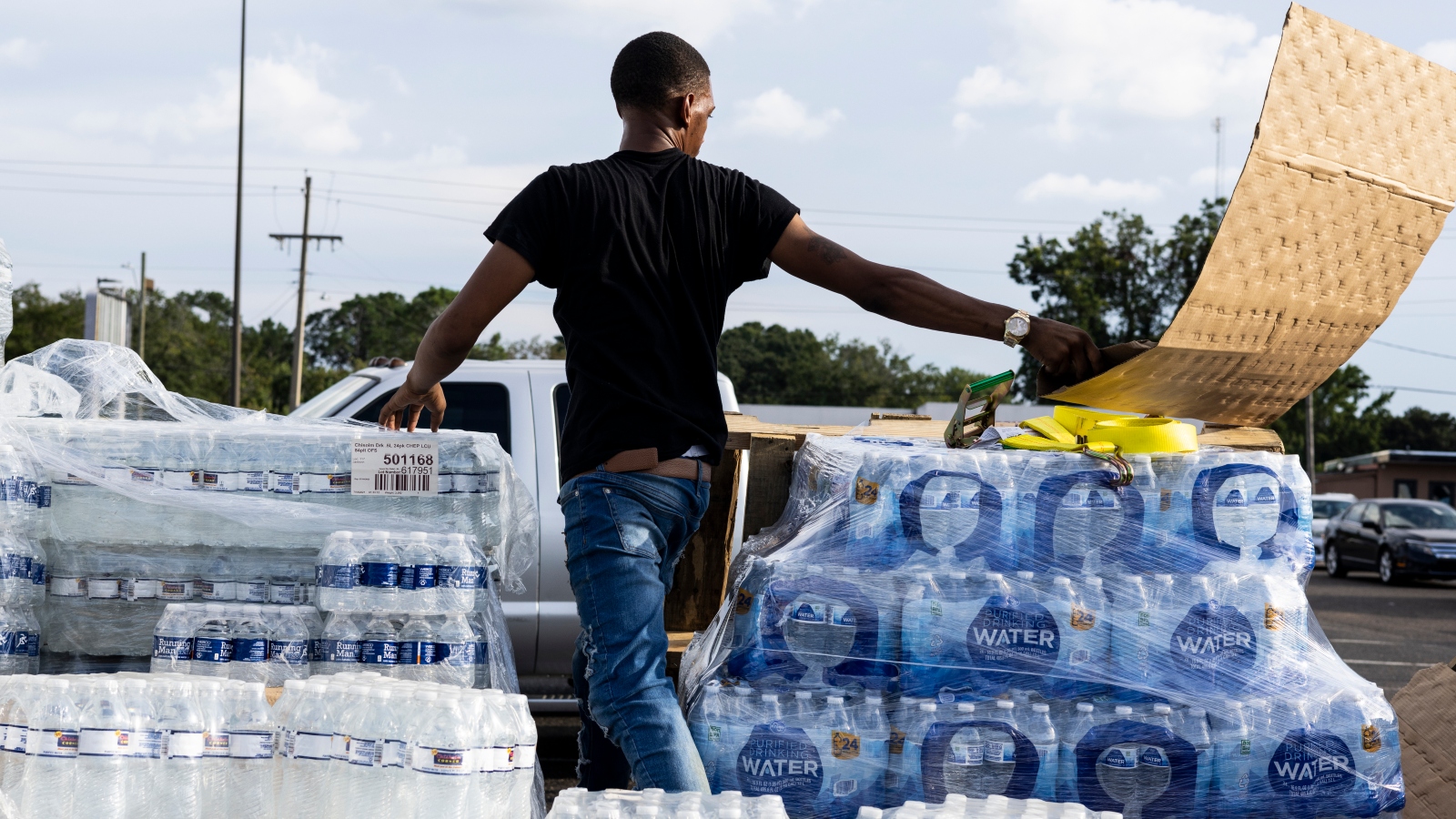
Judge Kurt Engelhardt, writing for the majority, acknowledged the gravity of the residents’ claims but maintained that access to clean water is not a right "deeply rooted in our Nation’s history and tradition." The court’s rejection of the "right to truthful information" during a public health crisis further restricts the ability of citizens to sue government entities when they are intentionally misinformed about environmental hazards. Engelhardt’s opinion emphasized that the Constitution does not provide a remedy for every instance of governmental wrongdoing, creating a high barrier for plaintiffs attempting to seek damages for systemic municipal failure.
A Chronology of Crisis: From Infrastructure to Neglect
The crisis in Jackson did not materialize overnight; it is the culmination of decades of deferred maintenance, demographic shifts, and economic instability.
- 1970s–1990s: The decline of Jackson’s tax base, spurred by "white flight" and the erosion of the industrial sector, began to starve the city’s water department of the revenue necessary for long-term capital improvements.
- March 2020: The Environmental Protection Agency (EPA) issued an emergency order, explicitly citing "imminent and substantial endangerment" to residents due to the deteriorating state of the O.B. Curtis Water Treatment Plant and the city’s distribution lines.
- February 2021: A severe winter storm caused pipes across the city to freeze and rupture, leaving tens of thousands of residents without running water for weeks.
- August 2022: A catastrophic failure at the O.B. Curtis plant left the entire city without reliable tap water for sanitation, drinking, or fire suppression, triggering a massive federal intervention.
- 2023–2024: The federal government appointed a third-party manager, JXN Water, to stabilize the system. While service has improved, the burden of funding these repairs has shifted directly onto the residents through significant rate hikes.
Supporting Data: The Racialized Nature of Water Insecurity
The struggle in Jackson is emblematic of a broader national trend. According to data from the EPA and various independent researchers, Black communities are disproportionately likely to be served by water systems that violate the Safe Drinking Water Act. A study published in the Proceedings of the National Academy of Sciences found that, even when controlling for other socioeconomic factors, race remains a primary predictor of the quality of water infrastructure.
The disparity is not merely in the frequency of violations but in the duration of the problems. Systems in Black communities often wait significantly longer for federal intervention, state grants, or infrastructure upgrades compared to their white counterparts. In Jackson, the reliance on outdated lead piping and a failing, centralized treatment plant mirrors the conditions that led to the public health disaster in Flint, Michigan. For residents like Gwendolyn Reed-Davis, the result has been tangible: a legacy of health issues, including kidney complications and developmental hurdles for children, that are now tied to years of exposure to tainted water.

Official Responses and the Burden of Cost
The City of Jackson, under its current leadership, has responded to the court ruling with a measured focus on institutional stability. Mayor John Horhn expressed satisfaction with the court’s decision to uphold the dismissal, emphasizing that the city remains dedicated to the safety and health of its constituents. However, the path forward remains financially daunting.
JXN Water, the federally appointed utility manager, has implemented a tiered rate increase to fund the necessary repairs that the city’s tax base could no longer support. A 12 percent rate hike approved earlier this year has already increased the average resident’s bill to roughly $88 per month—a significant sum in a city where the poverty rate is double the national average. With additional increases scheduled through 2029, activists argue that the poorest residents are being forced to pay for the historical negligence of a system that failed them in the first place.
Broader Implications: A Shifting Legal Landscape
The Fifth Circuit’s ruling sets a chilling precedent. By decoupling the provision of basic public utilities from constitutional protections, the court has effectively narrowed the scope of the 14th Amendment’s "due process" protections. Legal scholars suggest this decision could embolden municipalities to ignore environmental regulations with less fear of federal litigation, provided they do not cross the high, vaguely defined threshold of "physical" harm established by the court.
Danyelle Holmes, a senior national organizer with the Poor People’s Campaign, characterized the ruling as a failure of the American judicial system to protect its most vulnerable. "Jackson residents did everything this country tells poor people to do," Holmes noted. "They organized, they testified, they boiled their water, they filed suit, they trusted the courts. And at every step the answer has been no."
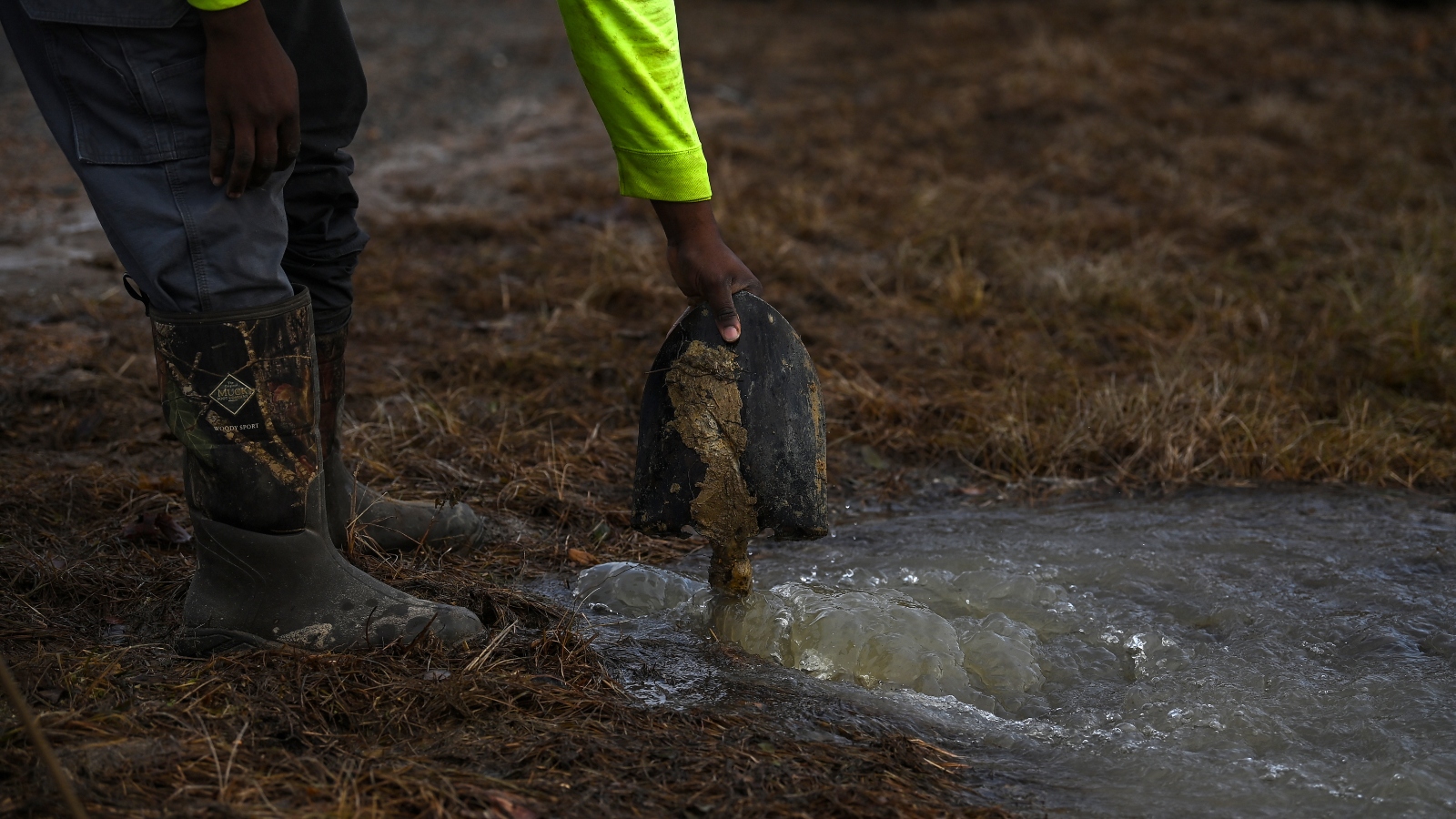
For residents like Brooke Floyd, the ruling is a reminder that the degradation of rights in one community is often a precursor to broader societal erosion. "The problem the rest of America needs to worry about is, while they were making sure not to guarantee me my rights, they were quietly taking yours, too," Floyd stated.
Conclusion: A Crisis of Governance
The Jackson water crisis is no longer just a story about failing pumps and aging pipes; it has become a defining case study in the limits of the law. As the city continues to navigate the complexities of federal oversight and utility privatization, the residents remain in a state of limbo. The judiciary has made its stance clear: the Constitution serves as a protector of specific, historical liberties, but it does not, in the current legal view, extend to the basic, life-sustaining infrastructure required for modern existence.
As climate change continues to stress aging infrastructure nationwide, the lack of a clear, enforceable "right to water" may lead to an increase in public health crises. For Jackson, the path forward is one of local resilience and political mobilization, as the community realizes that the legal system may no longer be an ally in the fight for the most basic of human necessities. The events in Mississippi serve as a stark warning: when the state fails to provide the fundamental elements of life, and the courts refuse to mandate those provisions, the burden of survival falls squarely on those who can least afford it.
Related posts: