This policy shift, coupled with a recent administrative rule change that excludes habitat destruction from the definition of "harm," represents a paradigm shift in how the federal government balances industrial expansion with ecological preservation. By decoupling industrial activity from the unintentional destruction of wildlife, the administration has introduced a degree of regulatory ambiguity that legal experts, environmentalists, and even some industry representatives suggest could invite years of litigation.
The Evolution of the Endangered Species Act: A Chronology
To understand the weight of these changes, one must look at the historical trajectory of the ESA. Signed into law by President Richard Nixon in 1973, the act was intended to provide a comprehensive framework for the conservation of species at risk of extinction.
- 1973: The ESA is enacted, establishing the "take" prohibition, which defines "take" as to "harass, harm, pursue, hunt, shoot, wound, kill, trap, capture, or collect."
- 1995: The Supreme Court case Babbitt v. Sweet Home affirms that the definition of "harm" includes significant habitat modification, solidifying the act’s power to regulate land use.
- 2019–2020: The Trump administration begins a multi-year effort to streamline regulations, arguing that the ESA imposes undue burdens on the energy and logging sectors.
- 2024: The Supreme Court overturns the "Chevron deference" doctrine, stripping federal agencies of their long-standing authority to interpret ambiguous statutes, shifting the burden of interpretation to the judiciary.
- 2026: The U.S. Fish and Wildlife Service issues the current directive narrowing the definitions of "take" and "harm," explicitly allowing for incidental kills during industrial operations.
The Semantics of Survival: Defining "Harm" and "Take"
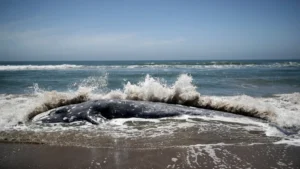
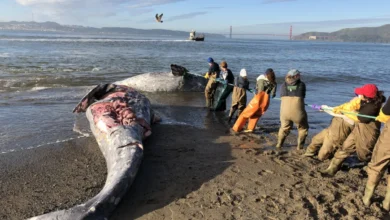
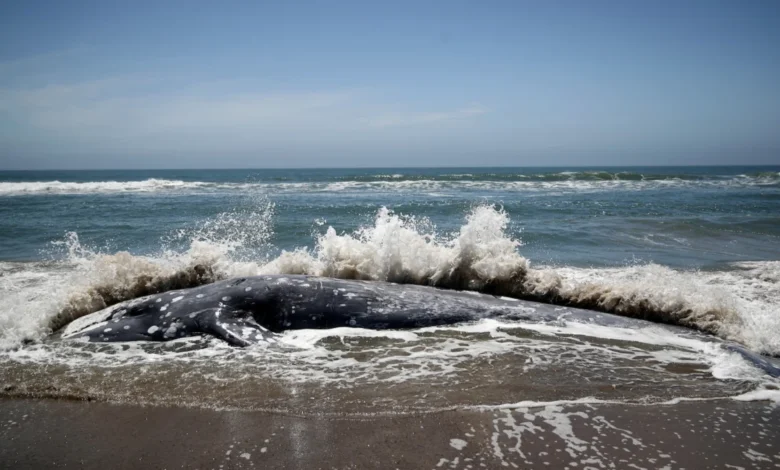
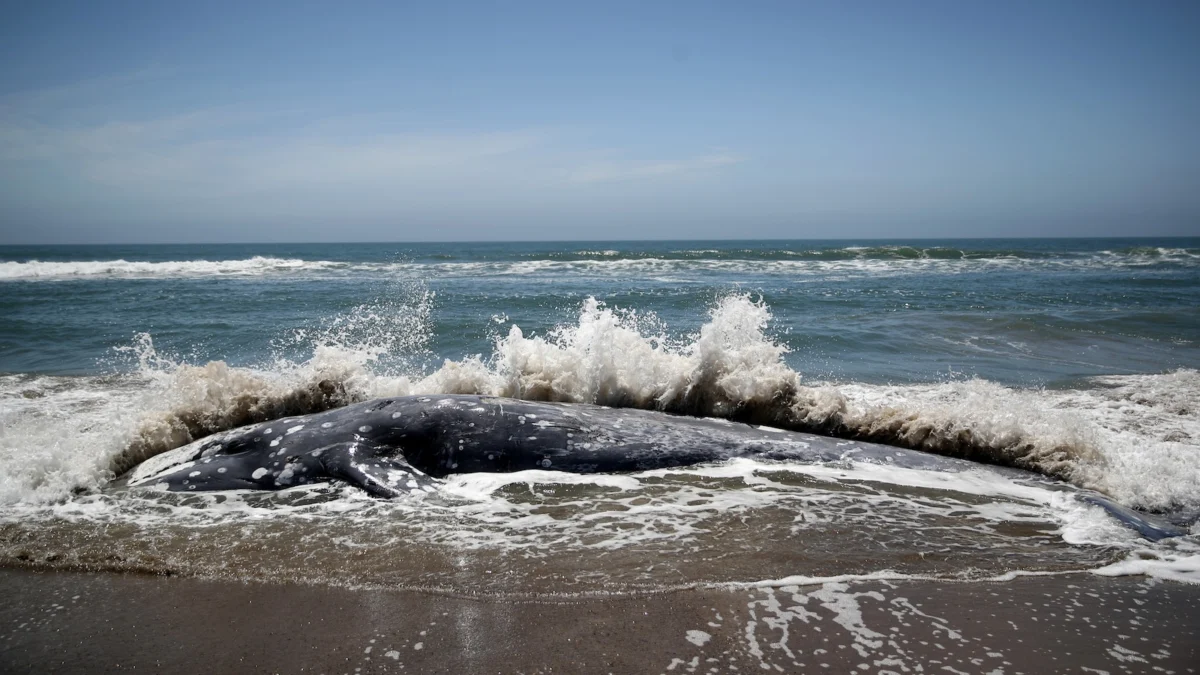
At the heart of the current controversy are two words that have defined half a century of environmental litigation. The FWS memo, signed by Director Brian Nesvik, posits that the term "take" requires a level of intent. According to the guidance, a vessel inadvertently striking a whale is not committing a "take" because the vessel’s navigation was not targeted at the animal. Similarly, the clearing of forest land is now categorized as permissible unless the primary objective of the operation is the destruction of the wildlife inhabiting that space.
This interpretation relies heavily on the dissenting opinion provided by the late Justice Antonin Scalia in the 1995 Sweet Home case. Scalia argued that the law should only apply to direct, intentional harm. While this view was rejected by the Supreme Court majority at the time, the current administration is effectively attempting to codify that dissent into executive policy.
Lexicographers note that "take" has historically been a notoriously slippery term. Kory Stamper, a renowned dictionary editor, has famously described the effort to define the word as a process that defies simple categorization. By attempting to force this complex linguistic concept into a narrow, intent-based legal box, the administration is moving against decades of judicial precedent that prioritized the outcome of an action over the intent of the actor.
Economic and Environmental Implications
The practical consequences of this shift are far-reaching. Industries such as timber, mining, and oil and gas extraction have long viewed the ESA as a restrictive framework. Proponents of the new policy argue that it provides clarity and reduces the threat of frivolous litigation for companies that operate in good faith. However, critics point out that the removal of these protections may actually create more uncertainty.
"Corporate legal departments thrive on regulatory stability," noted a Washington-based environmental policy analyst. "By ignoring fifty years of established legal interpretation, the administration is creating a ‘wild west’ scenario. Companies may be encouraged to move forward with projects under these new rules, only to have their permits invalidated when a court inevitably finds the memo in violation of the underlying statute."
Furthermore, the data suggests that habitat loss remains the primary driver of extinction. The northern spotted owl, whose population plummeted due to extensive logging in the Pacific Northwest, serves as a case study for why the habitat-protection component of the ESA is so vital. Under the new rules, the ability of environmental groups to halt projects that fragment critical ecosystems is significantly diminished.

The Legislative and Judicial Response
The backlash from state governments and environmental organizations has been immediate. Nearly two dozen state attorneys general have already filed lawsuits challenging the administration’s earlier revisions to the ESA. Legal experts anticipate that this latest memo will be the subject of a fresh wave of litigation.
The legal standing of the FWS is complicated by the 2024 Supreme Court decision that ended the era of "Chevron deference." Historically, courts deferred to an agency’s expertise when interpreting a law it was tasked with enforcing. Without that deference, the FWS must now prove that its narrow interpretation of "take" is consistent with the original intent of the 1973 Congress.
Brett Hartl, director of government affairs at the Center for Biological Diversity, characterized the memo as "performative cruelty." He argued that by attempting to transform the ESA from a comprehensive conservation statute into a narrow anti-poaching law, the agency is abdicating its core mission.
Vulnerability of Early-Listed Species
Perhaps the most concerning aspect of this shift is its impact on species listed in the early years of the ESA. Many of these species, such as the California sea otter and the Florida panther, were listed before the current "critical habitat" designations were standardized. These animals rely almost exclusively on the broad, inclusive protections afforded by the "harm" and "take" clauses of the original act.
If these protections are weakened, these species—which have already spent decades struggling against environmental degradation—may find themselves in a precarious position with no legal recourse to stop encroaching industrial development.
Conclusion: A Legal Crossroads
As the nation watches the inevitable courtroom battles, the future of the Endangered Species Act remains in limbo. The conflict represents a fundamental disagreement over the role of government: is it a protector of public trust and biodiversity, or a facilitator of industrial output?
The administration’s attempt to redefine the statute reflects a broader effort to deregulate the American landscape. However, the move also sets the stage for a constitutional clash between executive power and the judiciary. If the courts uphold the administration’s interpretation, it will represent the most significant weakening of conservation law in U.S. history. If they strike it down, it may serve as a reminder that some legislative pillars, once set, are not easily dismantled by the stroke of a pen.
For now, industry, conservationists, and the creatures themselves remain in a state of suspended animation, waiting to see if the legal protections that have held for fifty years will withstand this latest, and perhaps most aggressive, challenge. The outcome will not only determine the fate of specific endangered species but will likely define the parameters of environmental law for the next generation. As the judicial process begins, the focus will remain on whether a statute designed to prevent extinction can survive a political environment that seems increasingly determined to prioritize short-term industrial utility over long-term ecological survival.
Related posts: