A Gastronomic Journey Through Ischia: Tradition Terroir and the Modern Evolution of Neapolitan Island Cuisine

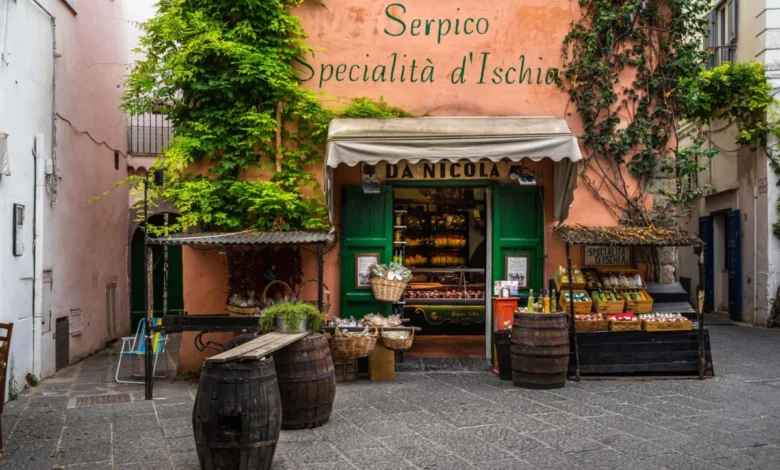
The volcanic island of Ischia, situated in the Tyrrhenian Sea at the northern end of the Gulf of Naples, represents a unique culinary ecosystem that diverges significantly from the seafood-centric expectations of the Mediterranean. Upon arriving via ferry from the mainland, visitors are greeted by an olfactory profile defined by mineral-rich soil, oversized citrus fruits, and dense mountain greenery. This 46-square-kilometer landmass, dominated by the 788-meter Mount Epomeo, has fostered a gastronomic identity rooted in "terra" (earth) rather than just "mare" (sea), a distinction that sets it apart from its glitzier neighbor, Capri. While Italian cuisine is often viewed through the narrow lens of pizza and pasta by international travelers, Ischia offers a complex narrative of agricultural resilience, ancient Roman legacies, and a contemporary shift toward dietary inclusivity.
The Historical Foundations of Ischian Gastronomy
The defining dish of the island, Coniglio all’Ischitana (Ischia-style rabbit), serves as a culinary timeline of the region’s history. The practice of rabbit consumption dates back to the Ancient Romans, who introduced the animals to the island. Unlike the mainland where livestock was often confined to pens, Ischian rabbits historically roamed free, creating intricate tunnel networks within the volcanic tufa rock. This lifestyle, supplemented by a diet of wild grasses, fava bean stems, legumes, and fallen vines, resulted in meat with a distinct, lean flavor profile that is inextricably linked to the island’s geography.
In the modern era, the preservation of this tradition has become a point of cultural pride. While many establishments now utilize farmed rabbits, a subset of producers maintains the "da fossa" (pit) method. This traditional practice involves raising rabbits in burrows to mimic their ancestral wild state. The Slow Food movement, an international organization founded in Italy in 1986 to prevent the disappearance of local food cultures, has been instrumental in certifying restaurants that adhere to these historic methods. The preparation of Coniglio all’Ischitana is a slow, ritualistic process, utilizing a clay pot known as a tegame. The rabbit is braised with a whole bulb of garlic, local herbs, and a significant quantity of the island’s indigenous white wine—typically varieties like Biancolella or Forastera—alongside sweet, vine-ripened tomatoes.

Volcanic Terroir and the Agricultural Landscape
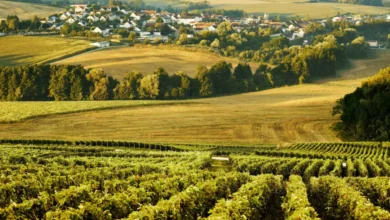
The fertility of Ischia is a direct consequence of its volcanic origins. The soil is exceptionally rich in potassium, phosphorus, and other essential minerals, which accelerates plant growth and intensifies the flavor of the produce. This "volcanic terroir" is most evident in the island’s aubergines (eggplants) and tomatoes. Traveling through the interior of the island, particularly around the municipalities of Forio and Lacco Ameno, one observes a landscape where deep purple aubergines grow in close proximity to vibrant lemon and lime trees.
The aubergine holds a central place in the Ischian vegetarian repertoire. The Parmigiana di Melanzane, a staple of Southern Italian comfort food, is interpreted differently across the island’s various trattorias. Some versions emphasize the use of smoked buffalo mozzarella, while others highlight the aromatic herbs that flourish in the mineral-heavy dirt. Another rustic preparation, Melanzane alla Funghetto, demonstrates the islanders’ ability to transform simple ingredients; the vegetable is cubed and pan-fried with garlic, tomatoes, and basil until it achieves an earthy, delicate consistency.
Economic Impact and the Influence of Global Media
The culinary tourism sector in Ischia has experienced a significant shift in recent years, bolstered by international media exposure. A pivotal moment in this trend occurred when actor and food enthusiast Stanley Tucci featured the island in his documentary series, Searching for Italy. His visit to Trattoria Il Focolare to sample the traditional rabbit dish brought global attention to the island’s inland culinary traditions. This "Tucci effect" has translated into a tangible increase in international arrivals, specifically targeting the rural and mountainous regions of the island rather than just the coastal resorts.
Data from the Campania regional tourism board suggests that while Naples remains the primary hub, the islands of the Neapolitan archipelago are seeing a diversification of visitor interests. Tourists are increasingly seeking "authentic" and "slow" experiences, moving away from high-turnover tourism toward long-form dining that can last an entire evening. This shift has encouraged family-run businesses to maintain their traditional practices while professionalizing their hospitality to meet international standards.

Editor’s Selection: Essential Dining Destinations on Ischia
To understand the breadth of Ischia’s food scene, one must navigate between high-altitude trattorias and coastal fine-dining establishments. The following locations represent the current pinnacle of the island’s gastronomic offering:
Trattoria Il Focolare
Located in the hills of Fiaiano, between Casamicciola and the village of Fiaiano, this restaurant is a bastion of Ischian tradition. Managed by the D’Ambra family, the establishment is currently overseen by multiple generations, including brothers Agostino and Francesco in the kitchen and their sisters in the front of house. The restaurant gained international fame following the Stanley Tucci visit, but it remains a rustic, community-focused space. The walls are adorned with photos of famous visitors, such as Michael B. Jordan, and posters for the television adaptation of Elena Ferrante’s My Brilliant Friend.
- Recommended Dish: The antipasti multi-plate feast, which provides a comprehensive overview of local produce.
- Address: Via Cretajo, 3, 80072 Fiaiano NA, Italy.
Jack all’Epomeo
Situated in the historic heart of Forio within Piazza Matteotti, this establishment offers a more urban, social dining experience. It serves as a prime location for observing the local rhythm of life. The menu focuses on classic Italian staples executed with high-quality local ingredients, including anchovies, pizza, and Spaghetti Aglio e Olio Napoletano.
- Recommended Dish: The fresh fish of the day, sourced directly from the Forio port.
- Address: Piazza Giacomo Matteotti, 6, 80075 Forio NA, Italy.
Pizzeria Di Meglio
While Ischia is often associated with higher price points, Pizzeria Di Meglio in Forio offers an accessible entry point into high-quality Neapolitan-style pizza. Located slightly outside the bustling town center, it provides a more laid-back atmosphere.

- Recommended Dish: Calzone Napoletano.
- Address: Via Tommaso Cigliano, 117, 80075 Forio NA, Italy.
Ristorante O’ Pignattello
In the town of Lacco Ameno, Ristorante O’ Pignattello represents the modernist side of Ischian cuisine. The restaurant is noted for its blind tasting menus, where the chef selects four courses based on the day’s best ingredients. The kitchen excels at elevating traditional components, such as transforming rabbit into refined ravioli or presenting exceptionally fresh mackerel.
- Recommended Dish: The blind tasting menu, accompanied by a selection from their extensive local wine list.
- Address: Corso Angelo Rizzoli, 154, 80076 Lacco Ameno NA, Italy.
La Veranda Restaurant
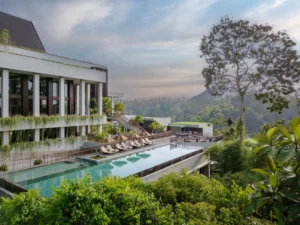
Housed within the San Montano Resort & Spa, La Veranda offers an upscale dining experience with panoramic views of San Montano Bay. Notably, the restaurant has embraced modern dietary requirements, offering an extensive range of vegan and vegetarian options—a rarity in traditional Italian fine dining. Their interpretation of Parmigiana di Melanzane is considered among the best on the island.
- Recommended Dish: The signature striped green-and-white parmigiana.
- Address: Via Nuova Montevico 26, 80076 Lacco Ameno NA, Isola d’Ischia, Italy.
Broader Implications and the Future of Ischian Cuisine
The evolution of the Ischian dining scene reflects a broader trend in Italian tourism: the balancing of heritage with modern demand. The island’s ability to cater to vegetarians and vegans, while simultaneously preserving a meat-heavy tradition like Coniglio all’Ischitana, suggests a resilient and adaptable food culture.
The reliance on volcanic soil and local sourcing acts as a natural safeguard against the homogenization of food. As global supply chains become more complex, the "zero-kilometer" philosophy inherent to Ischian life provides both environmental sustainability and economic stability for local farmers. The continued success of the island’s gastronomy will likely depend on its ability to maintain these traditional agricultural practices while integrating the innovative techniques seen in its contemporary restaurants. For the traveler, Ischia remains a rare example of a destination where the land speaks as loudly as the sea, offering a culinary narrative that is as deep and complex as the volcanic tunnels beneath its surface.