Gardening For The Hungry

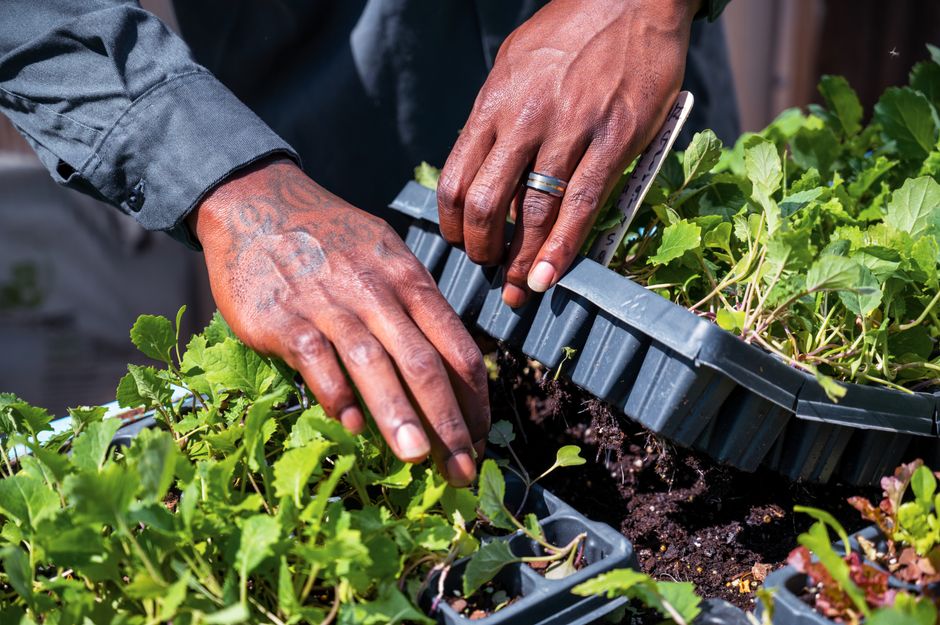
Cultivating Resilience: A Comprehensive Guide to Gardening for Food Security
Gardening for food security transcends mere hobby; it is a vital strategy for bolstering individual and community resilience against hunger. In an era of global uncertainty, volatile food prices, and increasing reliance on complex supply chains, cultivating one’s own food offers a tangible pathway to nutritional independence and economic stability. This guide provides a comprehensive, SEO-optimized framework for establishing and maintaining productive food gardens, emphasizing principles of efficiency, sustainability, and yield maximization. Understanding the foundational elements of soil, sunlight, water, and plant selection is paramount. Soil, the very bedrock of any successful garden, requires careful attention. Healthy soil is teeming with microbial life, providing essential nutrients, water retention, and aeration for root development. Amending existing soil with organic matter, such as compost, well-rotted manure, or cover crops, is crucial for improving its structure and fertility. Soil testing, while often overlooked, provides invaluable insights into pH levels and nutrient deficiencies, allowing for targeted amendments. Understanding your soil type – be it sandy, clay, or loam – dictates appropriate watering and cultivation techniques. Sandy soils drain quickly and require frequent watering and nutrient replenishment, while clay soils retain moisture but can become waterlogged and compacted, necessitating improved drainage and aeration. Loam, a balanced mix of sand, silt, and clay, is generally considered ideal for most garden crops. Sunlight is the engine of plant growth. Most food crops require a minimum of six to eight hours of direct sunlight per day. Careful site selection is therefore critical. Observe your chosen garden location throughout the day and across different seasons to identify areas that receive adequate sun. Shading from trees, buildings, or dense foliage can significantly reduce crop yields. If sunlight is limited, consider shade-tolerant crops like leafy greens (spinach, kale, lettuce), root vegetables (carrots, radishes), and some herbs. Maximizing available sunlight involves techniques such as trellising vining plants to grow upwards, strategically pruning overhanging branches, and utilizing reflective surfaces where appropriate. Water is a finite resource, and efficient watering practices are essential for food security gardening. Overwatering can lead to root rot and fungal diseases, while underwatering stresses plants, reducing yields and making them susceptible to pests. Drip irrigation and soaker hoses are highly effective methods for delivering water directly to the plant roots, minimizing evaporation and reducing water waste. Watering deeply and less frequently encourages deeper root growth, making plants more resilient during dry spells. Mulching, with organic materials like straw, wood chips, or shredded leaves, significantly conserves soil moisture, suppresses weeds, and regulates soil temperature, further reducing the need for frequent watering. Selecting the right crops for your climate, soil type, and available sunlight is a cornerstone of successful food security gardening. Prioritize nutrient-dense, high-yield crops that are well-suited to your region. Familiarize yourself with your local hardiness zone, which dictates the types of plants that can thrive and the timing of planting and harvesting. Consider crops that offer a good return on investment in terms of edible yield per square foot, such as pole beans, determinate tomatoes, zucchini, and leafy greens. Incorporate staple crops that provide essential calories and nutrients, such as potatoes, sweet potatoes, corn, and winter squash. Don’t underestimate the power of culinary herbs; they add flavor, nutritional value, and often have medicinal properties, and many are highly productive and easy to grow.
Strategic Crop Planning and Rotation for Sustained Yields
Effective crop planning and rotation are indispensable for maintaining soil health and maximizing long-term productivity in food security gardens. Monoculture, the practice of planting the same crop in the same spot year after year, depletes specific soil nutrients and encourages the buildup of pests and diseases specific to that crop. Implementing a crop rotation system, where different plant families are grown in succession over a period of three to four years, breaks these cycles. A common rotation involves grouping plants into categories such as legumes (beans, peas), root vegetables (carrots, potatoes), leafy greens (kale, spinach), and fruiting plants (tomatoes, peppers). For example, following a nitrogen-fixing legume crop with a nitrogen-demanding fruiting plant can create a more balanced nutrient cycle. Companion planting, the practice of intercropping mutually beneficial plants, further enhances garden health and productivity. Certain plant combinations can deter pests, attract beneficial insects, improve soil fertility, and even enhance the flavor of neighboring crops. For instance, basil is often planted with tomatoes to deter tomato hornworms and improve tomato growth. Marigolds are known for their ability to repel nematodes in the soil. Radishes planted with cucumbers can help break up the soil and deter cucumber beetles. Careful consideration of plant needs – such as light, water, and nutrient requirements – is crucial when selecting companion plants. Vertical gardening and intensive planting techniques are vital for maximizing yields in limited spaces. Trellising vining crops like cucumbers, pole beans, and certain varieties of squash allows them to grow upwards, freeing up valuable ground space for other plants. Vertical structures can include trellises, cages, netting, or even repurposed materials like pallets and old ladders. Square foot gardening, a method developed by Mel Bartholomew, divides garden beds into one-foot squares, with specific planting densities recommended for each type of vegetable within those squares. This systematic approach ensures efficient use of space and resources. Succession planting involves sowing seeds or transplanting seedlings at staggered intervals throughout the growing season. This ensures a continuous harvest of crops like lettuce, radishes, and beans, rather than a single large harvest followed by a long wait. By replanting every few weeks, you can extend your harvest window and maintain a steady supply of fresh produce. For crops with a longer growing season, such as tomatoes and peppers, starting seeds indoors several weeks before the last frost date can give them a head start, leading to earlier fruiting and a longer harvest period.
Integrated Pest and Disease Management: Sustainable Solutions
A proactive and integrated approach to pest and disease management is fundamental for ensuring consistent crop production in food security gardens. Chemical pesticides, while offering rapid control, can harm beneficial insects, pollinators, and soil microorganisms, and can pose health risks to gardeners and consumers. Prioritizing prevention is the first line of defense. This includes selecting disease-resistant plant varieties, maintaining healthy soil, ensuring proper plant spacing to improve air circulation, and practicing good garden hygiene by removing diseased plant material promptly. Encouraging biodiversity within the garden ecosystem is a powerful strategy for natural pest control. Attracting beneficial insects such as ladybugs, lacewings, and predatory wasps, which prey on common garden pests like aphids and caterpillars, can significantly reduce the need for intervention. Planting a diverse range of flowers and herbs that attract these beneficials, such as dill, fennel, cilantro, and yarrow, creates a balanced ecosystem. Physical barriers are also effective. Row covers can protect young seedlings from flying insects, while netting can deter birds and larger pests. Copper tape can be used to deter slugs and snails. Hand-picking pests, such as tomato hornworms or squash bugs, when they are first spotted is a simple yet highly effective method for controlling infestations. Organic pest control methods offer safe and sustainable alternatives to synthetic chemicals. Neem oil, derived from the neem tree, is a broad-spectrum insecticide and fungicide that disrupts insect growth and feeding. Insecticidal soaps are effective against soft-bodied insects like aphids and spider mites. Bacillus thuringiensis (Bt) is a naturally occurring bacterium that is highly effective against specific types of caterpillars. Crop diversification and rotation are also critical in preventing pest and disease outbreaks. As previously mentioned, rotating crops disrupts pest life cycles that are specific to certain plant families. Introducing cover crops, such as rye or clover, can suppress soil-borne diseases and improve soil structure, making plants more resilient to stress. For diseases, good sanitation is paramount. Removing and destroying infected plant material, avoiding working in the garden when plants are wet to prevent the spread of fungal spores, and ensuring adequate drainage are crucial. For persistent disease issues, considering disease-resistant varieties in future plantings is a sustainable solution. Understanding common garden pests and diseases relevant to your region is essential for early identification and intervention. Resources from local extension offices or reputable gardening organizations can provide invaluable information on identifying and managing specific threats.
Water Conservation Techniques for Arid and Semi-Arid Climates
In regions facing water scarcity, implementing advanced water conservation techniques is not merely advisable but essential for sustaining food security gardens. Rainwater harvesting systems, such as rain barrels or larger cisterns, capture precipitation from rooftops, providing a free and sustainable source of irrigation. This water can be stored and used during dry periods, significantly reducing reliance on municipal water supplies. The strategic placement of rain barrels, ideally near vegetable gardens, minimizes the effort required for water transport. Drip irrigation and soaker hoses, as previously mentioned, are paramount. These systems deliver water directly to the root zone of plants, minimizing evaporation losses associated with overhead sprinklers. They allow for precise control over the amount and frequency of watering, preventing overwatering and promoting healthy root development. Installing timers for drip systems ensures consistent watering schedules, even when the gardener is absent. Mulching, a cornerstone of water conservation, plays a critical role in arid and semi-arid environments. A thick layer of organic mulch, such as straw, wood chips, or shredded leaves, acts as an insulating blanket, reducing soil moisture evaporation significantly. It also suppresses weed growth, which competes with garden plants for precious water resources. Mulch also helps regulate soil temperature, preventing extreme fluctuations that can stress plant roots. Xeriscaping principles, adapted for vegetable gardens, can also be applied. This involves selecting drought-tolerant plant varieties, grouping plants with similar water needs together (hydrozoning), and minimizing areas of water-intensive lawn or ornamentals surrounding the garden. Companion planting can also aid in water conservation by creating a microclimate that reduces evaporation. Taller plants can shade smaller ones, and groundcover plants can help retain soil moisture. Deep watering, although seemingly counterintuitive in water-scarce regions, is crucial for encouraging deep root growth. Watering deeply and less frequently compels plant roots to grow deeper into the soil in search of moisture, making them more resilient to surface drying and heat stress. Observing plant indicators is vital for determining when to water. Wilting leaves, especially during the hottest parts of the day, can be an early sign of thirst. However, it’s important to distinguish between wilting due to heat stress and wilting due to actual lack of water. Soil moisture meters can provide an objective measurement of soil hydration levels. Composting, beyond its role in soil fertility, contributes to water retention. Mature compost improves soil structure, creating a spongier medium that holds more water. Adding compost to your garden beds annually is an investment in both soil health and water efficiency. Cover cropping, especially drought-tolerant species, can help improve soil health and water infiltration. Planting cover crops during off-seasons can protect the soil from erosion and build organic matter, which enhances its water-holding capacity. Understanding the water cycle and how your garden interacts with it is fundamental. Encouraging healthy soil biology, which improves soil structure and water infiltration, is a long-term strategy for enhanced water efficiency.
Community Engagement and Knowledge Sharing for Enhanced Food Security
The principles of food security gardening extend beyond individual plots; fostering community engagement and knowledge sharing amplifies their impact. Community gardens provide a collaborative space for individuals to cultivate food, share resources, and learn from one another. These shared spaces often serve as educational hubs, offering workshops on various gardening techniques, pest management, and food preservation. They can also facilitate food distribution to those in need, creating a robust local food system. Seed libraries are another invaluable community resource. These initiatives allow gardeners to borrow and return seeds, promoting biodiversity, preserving heirloom varieties, and reducing the financial burden of seed acquisition. Knowledge sharing platforms, whether online forums, local gardening clubs, or informal neighborhood exchanges, are critical for disseminating best practices and troubleshooting common challenges. Experienced gardeners can mentor novices, fostering a culture of learning and mutual support. This shared knowledge accelerates the adoption of effective techniques and builds collective resilience. Collaborations with local agricultural extension offices and non-profit organizations can provide access to expert advice, training programs, and resources. These partnerships can help scale successful gardening initiatives and address systemic issues related to food insecurity. Advocating for policies that support urban agriculture, community gardens, and access to land for food production is crucial for long-term food security. This includes zoning regulations that permit urban farming, tax incentives for community garden development, and programs that provide land access to underserved communities. Food preservation workshops, focusing on techniques like canning, drying, fermenting, and freezing, empower individuals and communities to extend the shelf life of their harvests. This reduces food waste and ensures access to nutritious food year-round, even outside the growing season. Skill-sharing initiatives, where individuals teach each other specific gardening or food preservation skills, foster a sense of self-reliance and community interdependence. This can include workshops on building compost bins, repairing garden tools, or crafting natural pest deterrents. The establishment of community-supported agriculture (CSA) programs, where consumers purchase shares of a farm’s harvest, directly connects producers and consumers, fostering a strong local food economy and promoting food security. These programs often include opportunities for volunteers to work on the farm, further deepening community involvement. Educational outreach to schools and youth groups can instill a lifelong appreciation for gardening and healthy eating, cultivating future generations of food-secure individuals. School gardens, in particular, offer hands-on learning experiences that connect students with the origins of their food and promote nutritional awareness. Building strong community networks around food production and consumption creates a resilient food system that is better equipped to withstand economic downturns, climate change impacts, and other disruptions. This collective approach to food security ensures that everyone has access to fresh, nutritious, and affordable food.
Composting and Soil Amendment: The Foundation of Sustainable Fertility
The cornerstone of sustainable and productive food security gardening lies in the meticulous management of soil fertility through composting and strategic amendment. Composting transforms organic waste materials into nutrient-rich soil amendments, essentially “black gold” for the garden. The process involves a carefully balanced mix of “greens” (nitrogen-rich materials like kitchen scraps, grass clippings, and coffee grounds) and “browns” (carbon-rich materials like dried leaves, straw, and shredded paper). Aeration, achieved through regular turning of the compost pile, and moisture management are critical for efficient decomposition by microorganisms. A well-maintained compost pile will generate heat, accelerating the breakdown process and killing weed seeds and pathogens. The finished compost is dark, crumbly, and has an earthy aroma, indicating a rich source of macro- and micronutrients, beneficial microbes, and improved soil structure. Incorporating compost into garden beds annually enriches the soil, enhances its water-holding capacity, improves drainage in clay soils, and provides a slow-release source of essential nutrients, reducing the need for synthetic fertilizers. Beyond compost, other organic amendments play vital roles. Well-rotted manure, from herbivores like cows, horses, or chickens, is another excellent source of nutrients and organic matter. It’s crucial to ensure manure is properly aged to avoid burning plant roots and to neutralize weed seeds and pathogens. Cover cropping, as mentioned earlier, is a powerful soil-building technique. Planting specific crops, such as legumes (clover, vetch) or grasses (rye, oats), during off-seasons or between main crops, offers numerous benefits. Legumes fix atmospheric nitrogen into the soil, providing a natural fertilizer for subsequent crops. Other cover crops improve soil structure, suppress weeds, prevent erosion, and increase soil organic matter when tilled back into the soil (green manure). Biochar, a charcoal-like substance produced from the pyrolysis of organic materials, is gaining recognition for its long-term soil improvement capabilities. Biochar enhances soil water retention, improves nutrient availability, and can sequester carbon in the soil, contributing to climate change mitigation. Its porous structure provides habitat for beneficial soil microorganisms. Mycorrhizal fungi, a symbiotic relationship between plant roots and certain fungi, are crucial for nutrient uptake, particularly phosphorus. Inoculating garden soil with mycorrhizal fungi can significantly enhance plant growth and resilience, especially in nutrient-poor soils. Soil testing, a recurring theme, provides objective data on soil pH, nutrient levels (nitrogen, phosphorus, potassium), and the presence of essential micronutrients. Based on soil test results, targeted amendments can be applied. For example, lime can be added to raise pH in acidic soils, while sulfur can lower pH in alkaline soils. Specific mineral amendments, such as bone meal for phosphorus or blood meal for nitrogen, can be used to address identified deficiencies. However, the emphasis should always remain on building healthy soil through organic matter, as this provides a more balanced and sustainable approach to fertility. Understanding the nutrient cycles within your garden ecosystem is key. Nitrogen, essential for leafy growth, is often depleted by crops and replenished by legumes and compost. Phosphorus, vital for root development and flowering, can be supplemented with bone meal or rock phosphate. Potassium, crucial for overall plant health and disease resistance, can be sourced from wood ash (used judiciously) or kelp meal. Micronutrients, though required in smaller quantities, are vital for various plant functions. Deficiencies in iron, magnesium, or calcium can lead to distinct visual symptoms in plants. A diverse and healthy soil food web, fostered by organic practices, ensures the natural availability of these micronutrients. The practice of no-till or minimum-till gardening further enhances soil health. Minimizing soil disturbance preserves the intricate structure of the soil, protects earthworm populations, and prevents the release of stored carbon. When tilling is necessary, it should be done thoughtfully and with the goal of incorporating amendments and improving aeration without excessive disruption. Ultimately, a commitment to continuous soil improvement through composting, organic amendments, and mindful cultivation practices forms the bedrock of a truly sustainable and resilient food security garden, ensuring bountiful harvests for years to come.


