The Dark Side of the Green Transition Conflict Exploitation and the Secretive Rare Earth Mines of Myanmar

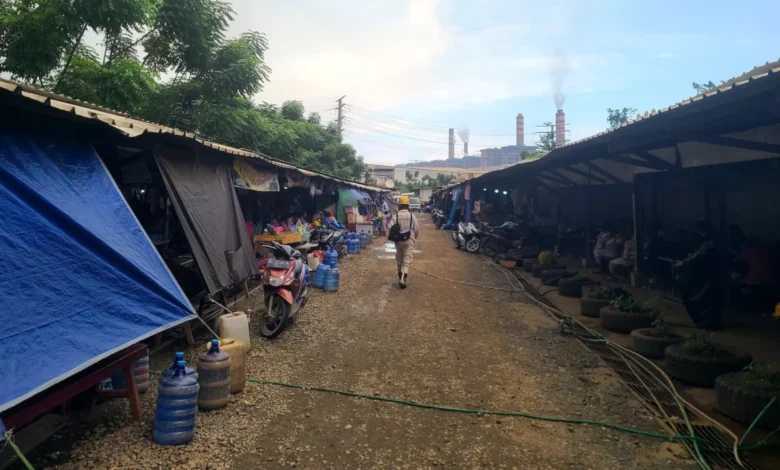
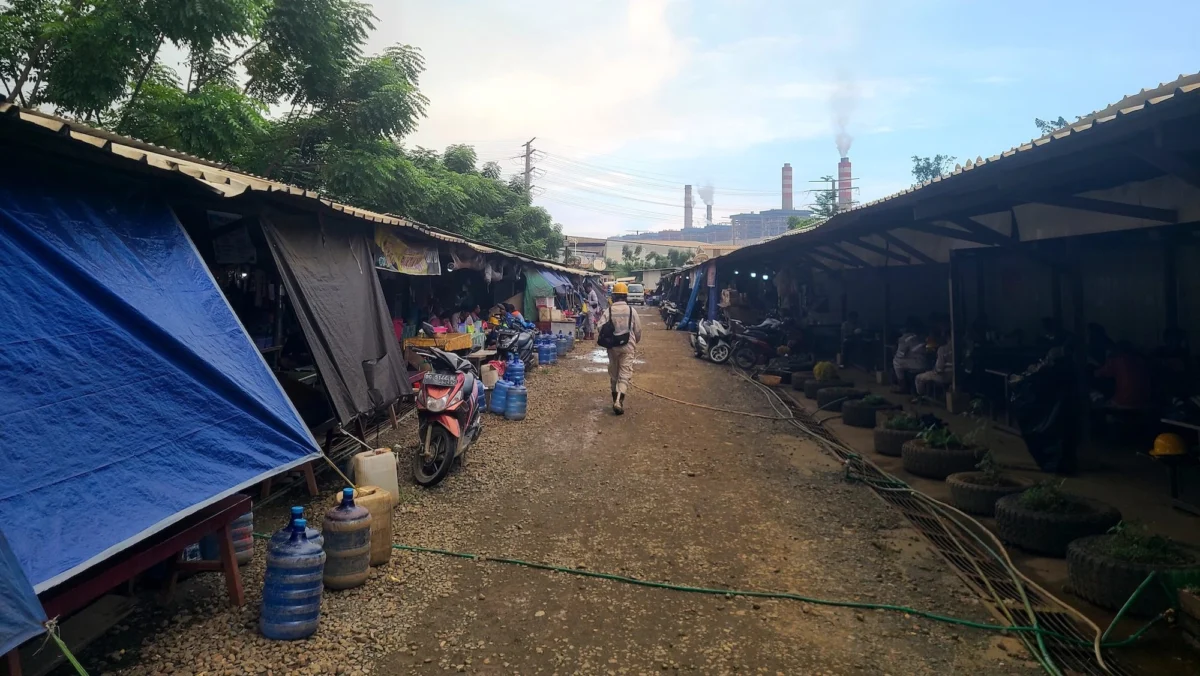
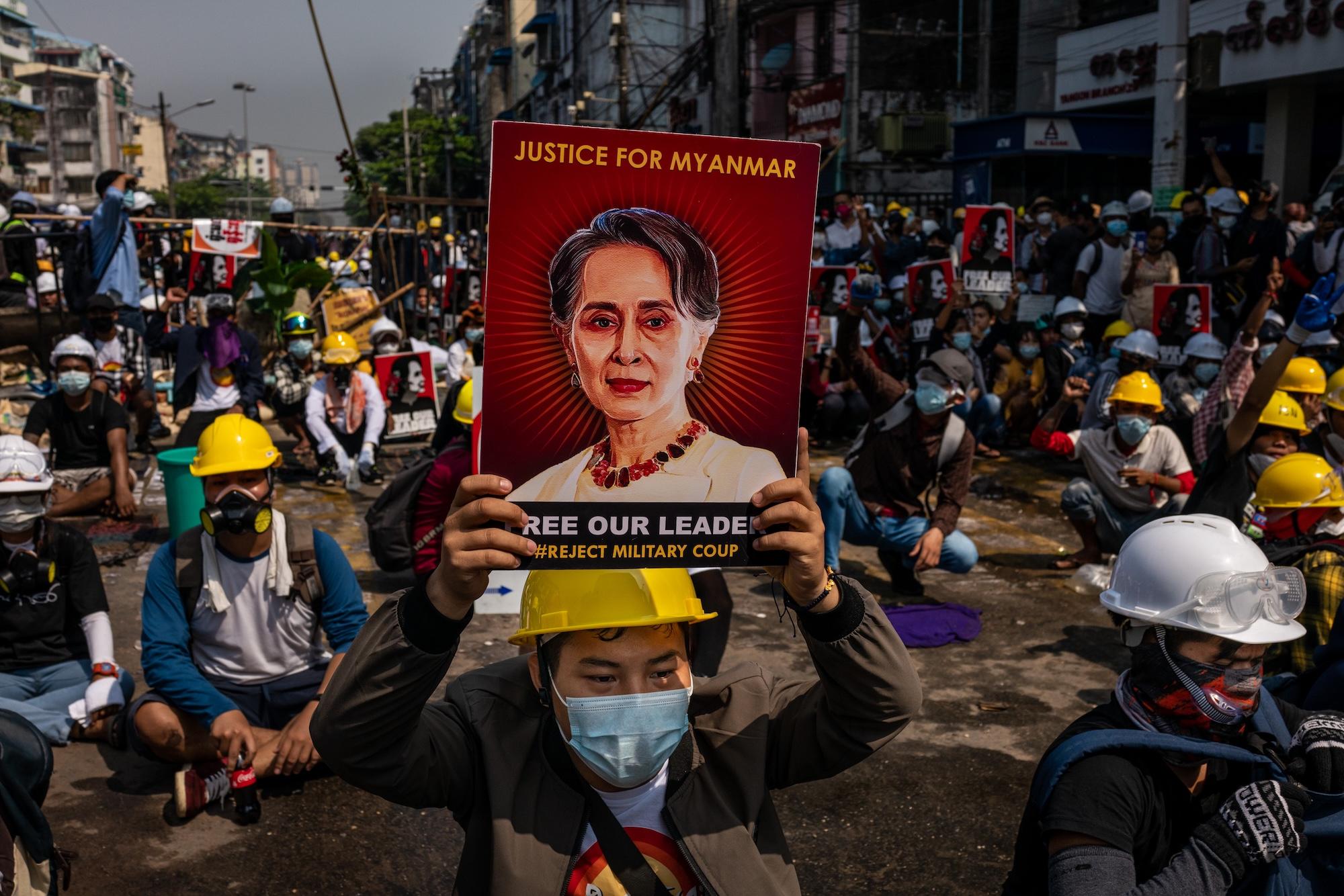
When Min left the sun-scorched plains of central Myanmar for the rugged, mountainous borderlands of the east earlier this year, he was not seeking adventure, but survival. The 2021 military coup had shattered the nation’s formal economy, leaving millions of young people with a harrowing choice: face mandatory conscription into a widely loathed military or flee toward the lawless margins of the country in search of work. Min chose the latter, paying a broker 2,000 Chinese yuan ($290) to secure positions for himself and his younger brother at a rare earth mining site in an autonomous region controlled by a powerful ethnic militia.
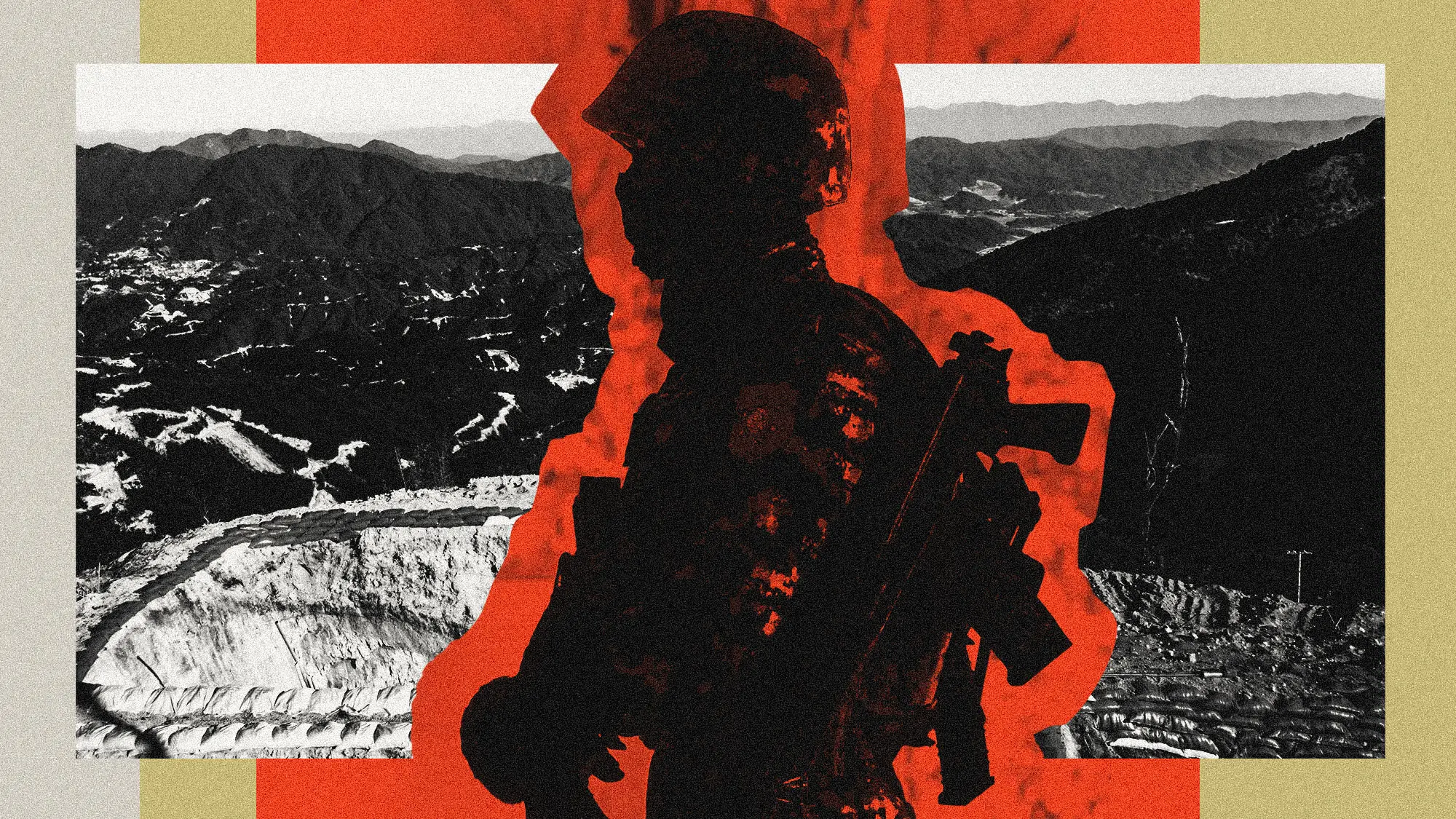
The promise of 3,000 yuan ($430) a month—a fortune compared to the stagnant wages in the Sagaing Region—came at a devastating price. Within weeks of their arrival, Min’s brother was killed in a landslide while operating heavy machinery on a precarious slope. Due to the remote and militarized nature of the site, the body could not be recovered or transported home. Min’s family performed religious rites over an empty grave, but Min himself stayed behind. In a land where the formal economy has evaporated, the toxic, crumbling mountains of the borderlands offer the only remaining path to a livelihood.
The Global Hunger for Critical Minerals
Min’s story is a microcosm of a global paradox. The 17 elements known as rare earths are the invisible backbone of the 21st-century technological revolution. They are essential for the permanent magnets found in offshore wind turbines and electric vehicle (EV) motors, framing them as indispensable tools in the fight against climate change. However, their utility extends far beyond green energy; they are critical components in advanced guidance systems for missiles, stealth technology, and satellite communications.
As the United States and China intensify their competition for dominance over these supply chains, Myanmar has emerged as the world’s most significant source of "heavy" rare earths, such as dysprosium and terbium. These specific elements are prized for their ability to maintain magnetic properties at high temperatures. While rare earths are found globally, the concentration of heavy rare earths in Myanmar’s complex clays has turned the country into a primary "sacrifice zone" for the global energy transition.
A Chronology of Conflict and Extraction
The rise of Myanmar’s rare earth industry is inextricably linked to the country’s decades-long internal strife. Since gaining independence from Britain in 1948, Myanmar’s borderlands have been the site of the world’s longest-running civil war. Ethnic groups, including the Kachin and Shan, have fought for autonomy against a central government dominated by the Burman majority.
The industry reached an industrial scale around 2017, driven by a regulatory crackdown in China. For years, China mined its own rare earths, but the environmental toll—poisoned groundwater and massive tailings ponds in provinces like Jiangxi—forced Beijing to tighten domestic environmental laws. Consequently, Chinese firms moved their operations across the border into Myanmar’s Special Regions. These areas, governed by warlords and ethnic armed organizations (EAOs) that had signed ceasefires with the Myanmar military, offered a landscape of "ceasefire capitalism"—a system where resource extraction is traded for political loyalty and relative peace.
The 2021 military coup accelerated this trend. With the junta desperate for foreign currency and the rule of law collapsing, rare earth exports surged. Between 2017 and 2024, Chinese customs data recorded the import of more than 320,000 tons of rare earths from Myanmar. By 2021, Myanmar had surpassed China as the world’s largest source of heavy rare earths, providing nearly two-thirds of China’s total imports.
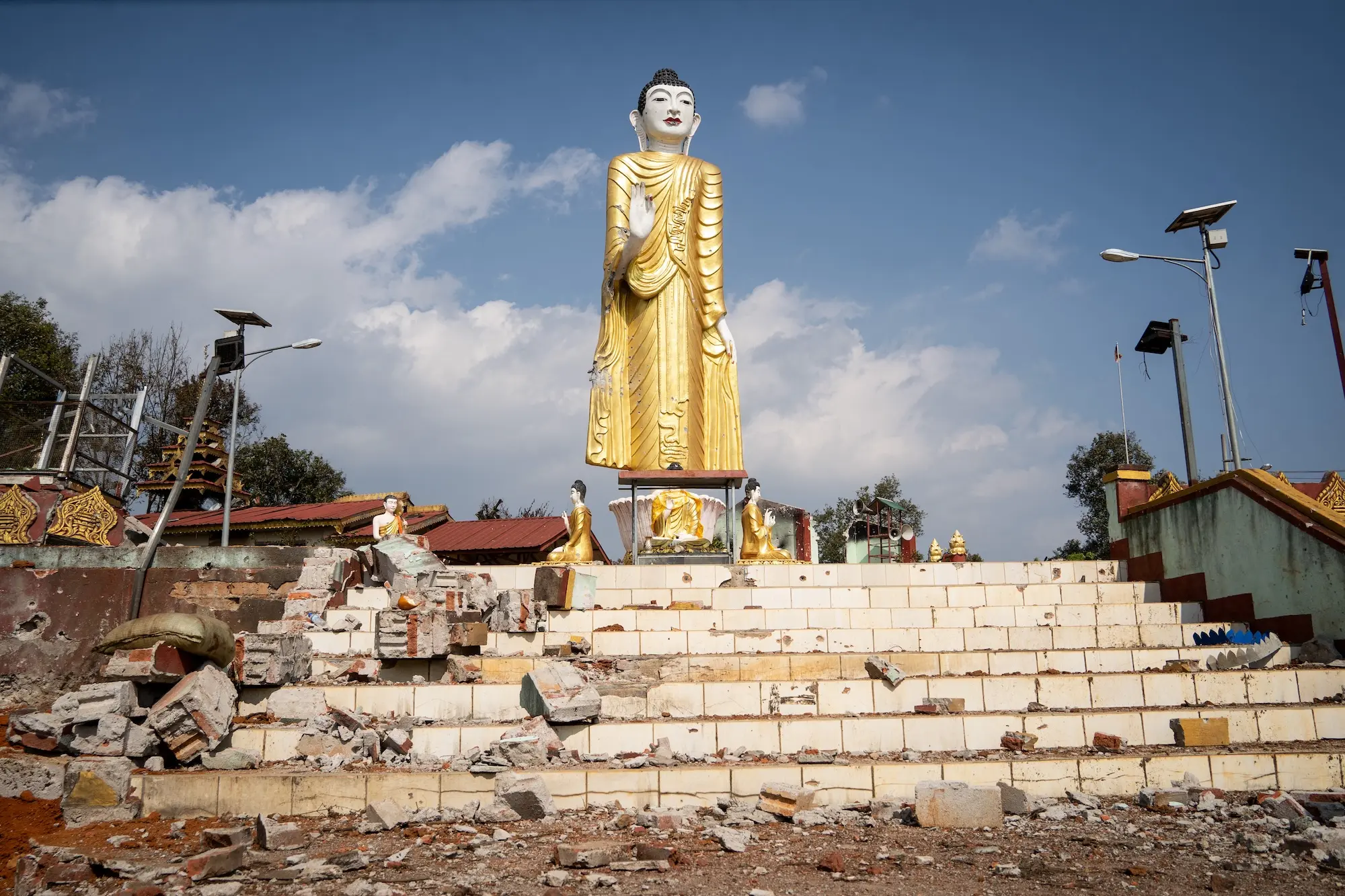
The Environmental Cost of In-Situ Leaching
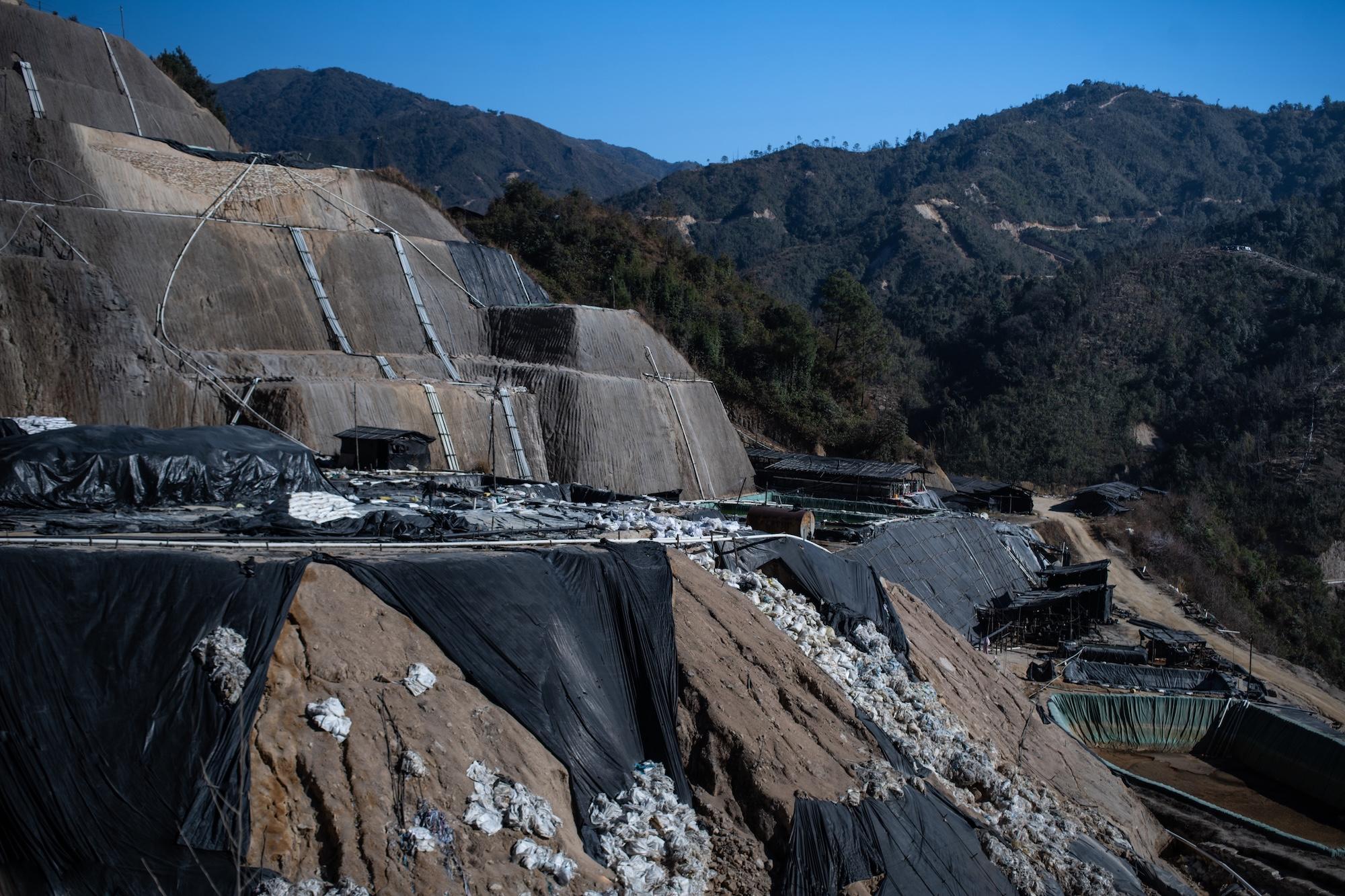
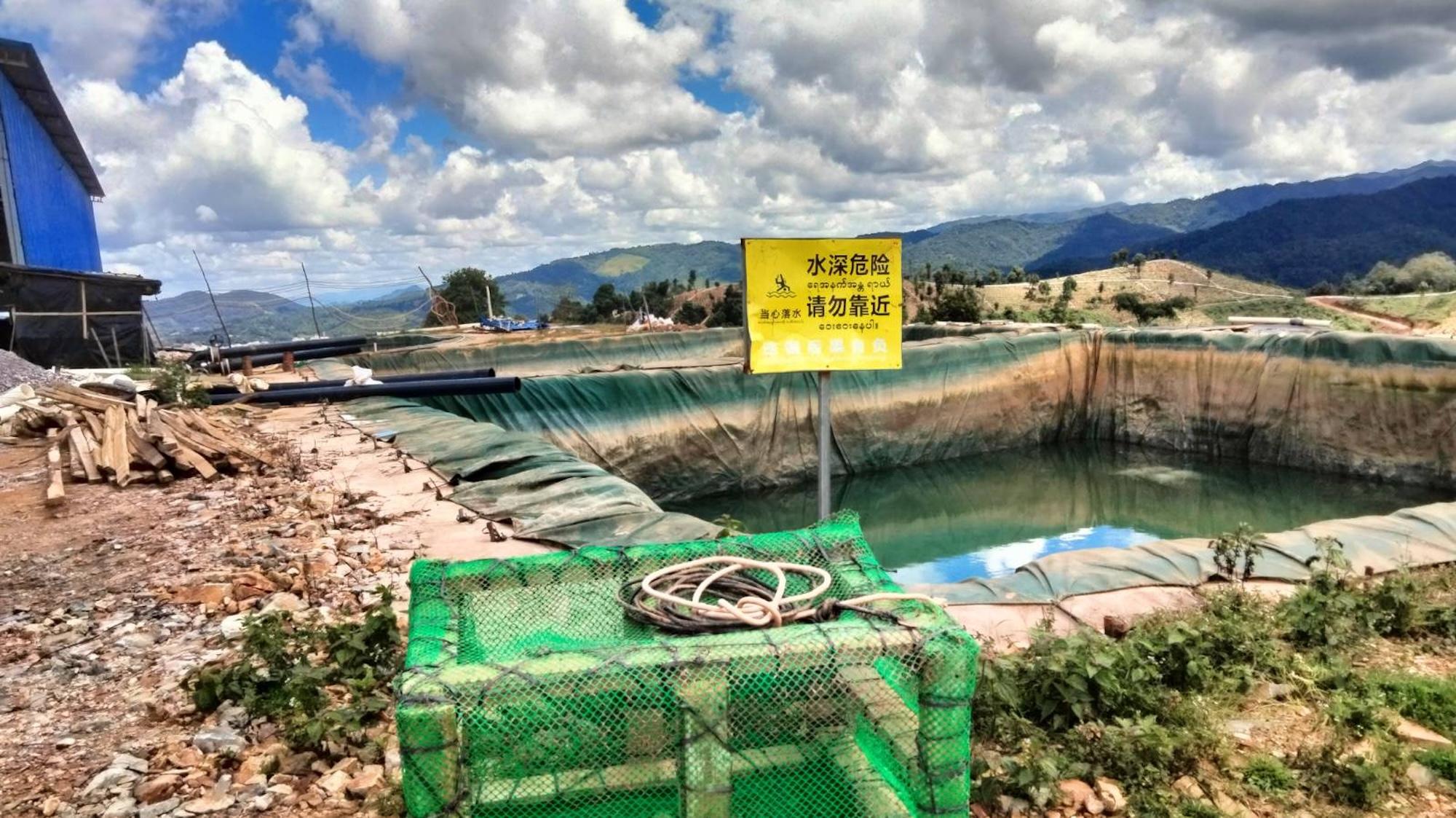
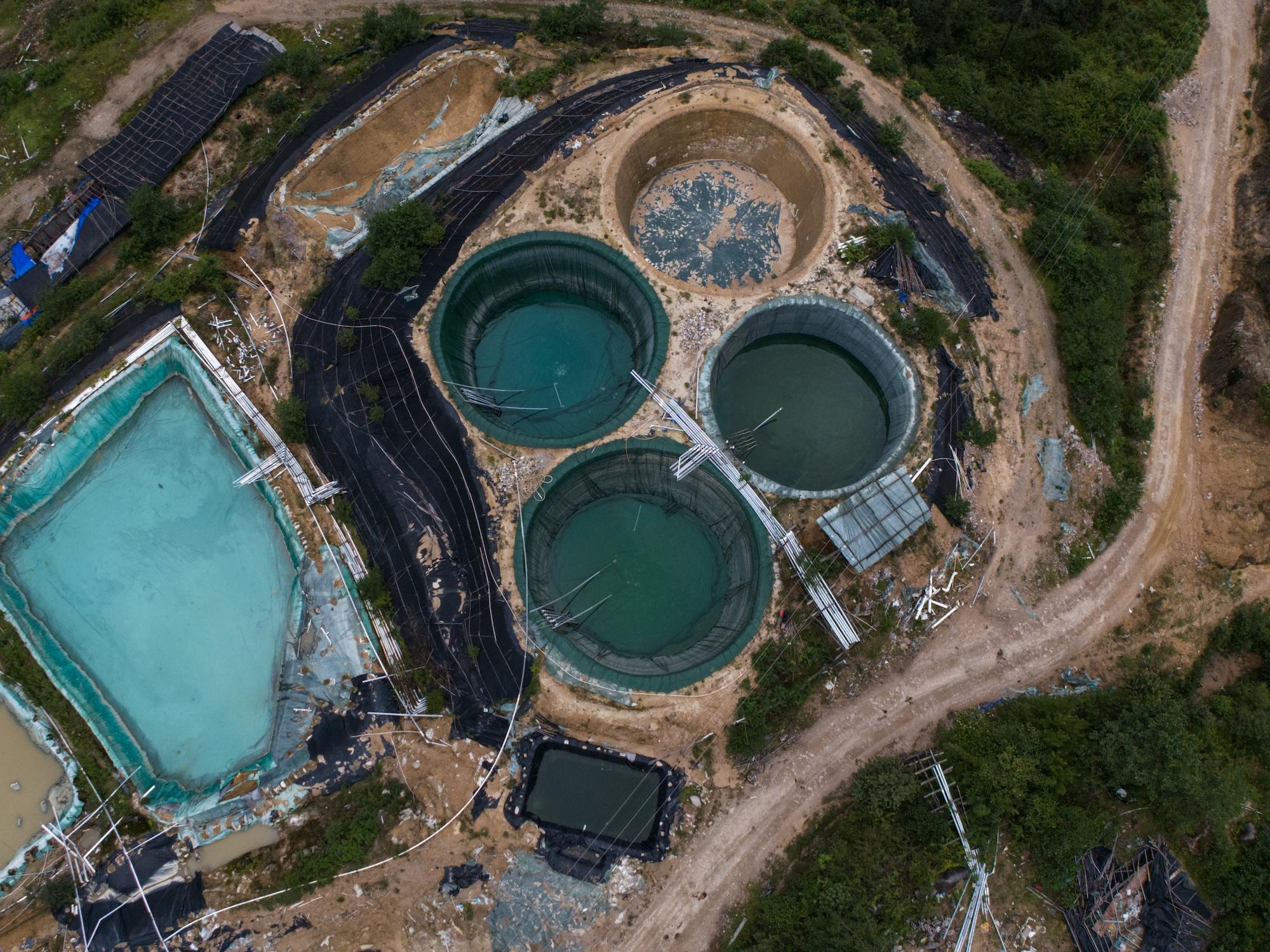
Unlike traditional open-pit mining, the extraction of heavy rare earths in Myanmar typically utilizes a process known as in-situ leaching. This method involves drilling hundreds of boreholes into a mountainside and injecting a mixture of ammonium sulfate and other chemical solvents directly into the earth. The chemicals dissolve the rare earth elements, which are then collected in concrete-lined pools at the base of the mountain before being processed in furnaces.
The environmental consequences are catastrophic. Regan Kwan, a research analyst at the Stimson Center, notes that these chemicals frequently leak into the groundwater and surrounding river systems. In the Kachin State border town of Pangwa, once-vibrant forests are now "poisoned mountains," devoid of wildlife. Local farmers report that their soil has turned a pale, sterile yellow, and their crops are often too toxic to be sold in local markets.
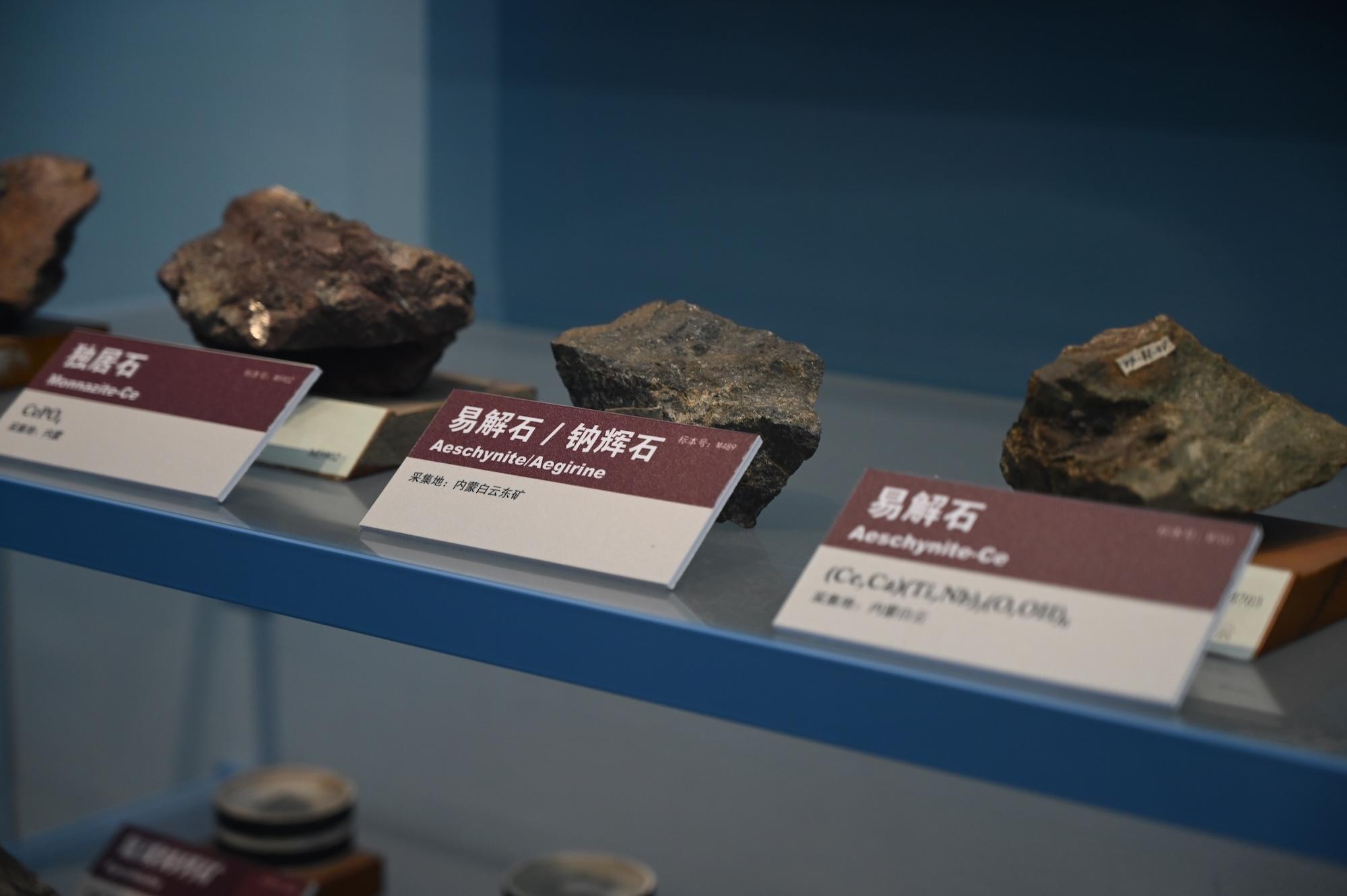
A study by Tanapon Phenrat of Thailand’s Naresuan University found that water samples from extraction areas in Kachin State were severely contaminated with radioactive elements and toxic heavy metals. These levels significantly exceed regulatory thresholds in China, highlighting a glaring double standard: China protects its own environment by outsourcing the most hazardous stages of production to a conflict-ridden neighbor.
Labor Exploitation and "Slave Labor" Reports
The human cost is equally severe. The industry operates in a legal gray area, with no public records of permits or safety inspections. Workers describe a rigid hierarchy where Chinese nationals occupy all management positions while Myanmar laborers perform the most dangerous tasks without written contracts or insurance.

Discrimination is systemic. Workers report that compensation for the death of a Myanmar laborer is often less than 100,000 yuan ($14,000), while the family of a Chinese national might receive ten to twenty times that amount. Furthermore, reports from human rights groups in Shan State have documented the use of "slave labor," involving prisoners and human trafficking victims who are forced to work in mines under the supervision of both the Myanmar military and the United Wa State Army (UWSA).
Women in these camps face additional vulnerabilities. Without legal protections, female workers have reported being dismissed for refusing the sexual advances of supervisors. The lack of clean water and exposure to furnace fumes have also led to anecdotal reports of infertility and respiratory diseases among the workforce.
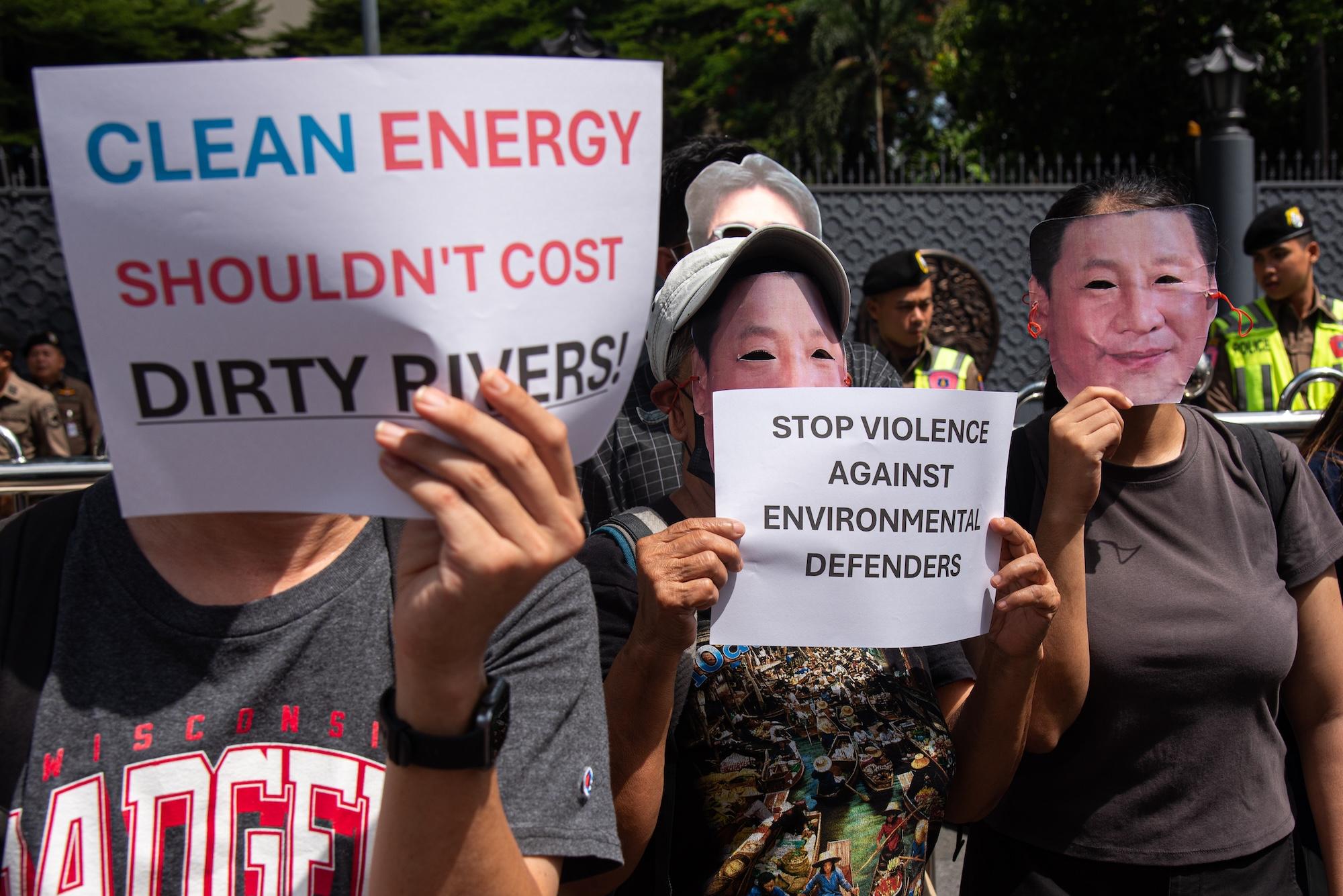
Geopolitical Maneuvering and National Security
The secretive nature of Myanmar’s mines has not deterred global superpowers from eyeing its resources. As the United States seeks to reduce its 90% dependence on Chinese rare earth processing, Myanmar has become a focal point of geopolitical strategy. The Trump administration has signaled an interest in securing critical minerals through partnerships with regional rivals of China, such as India.
In May 2026, the U.S. and India signed a deal to cooperate on critical mineral supply chains. Shortly thereafter, Myanmar’s junta leader, Min Aung Hlaing, met with Indian Prime Minister Narendra Modi to discuss "deepening cooperation" in the sector. This highlights a cynical reality: despite international sanctions against the Myanmar military for war crimes and human rights abuses, the global demand for rare earths provides the junta—and the militias fighting against it—with a lucrative revenue stream that bypasses the formal banking system.
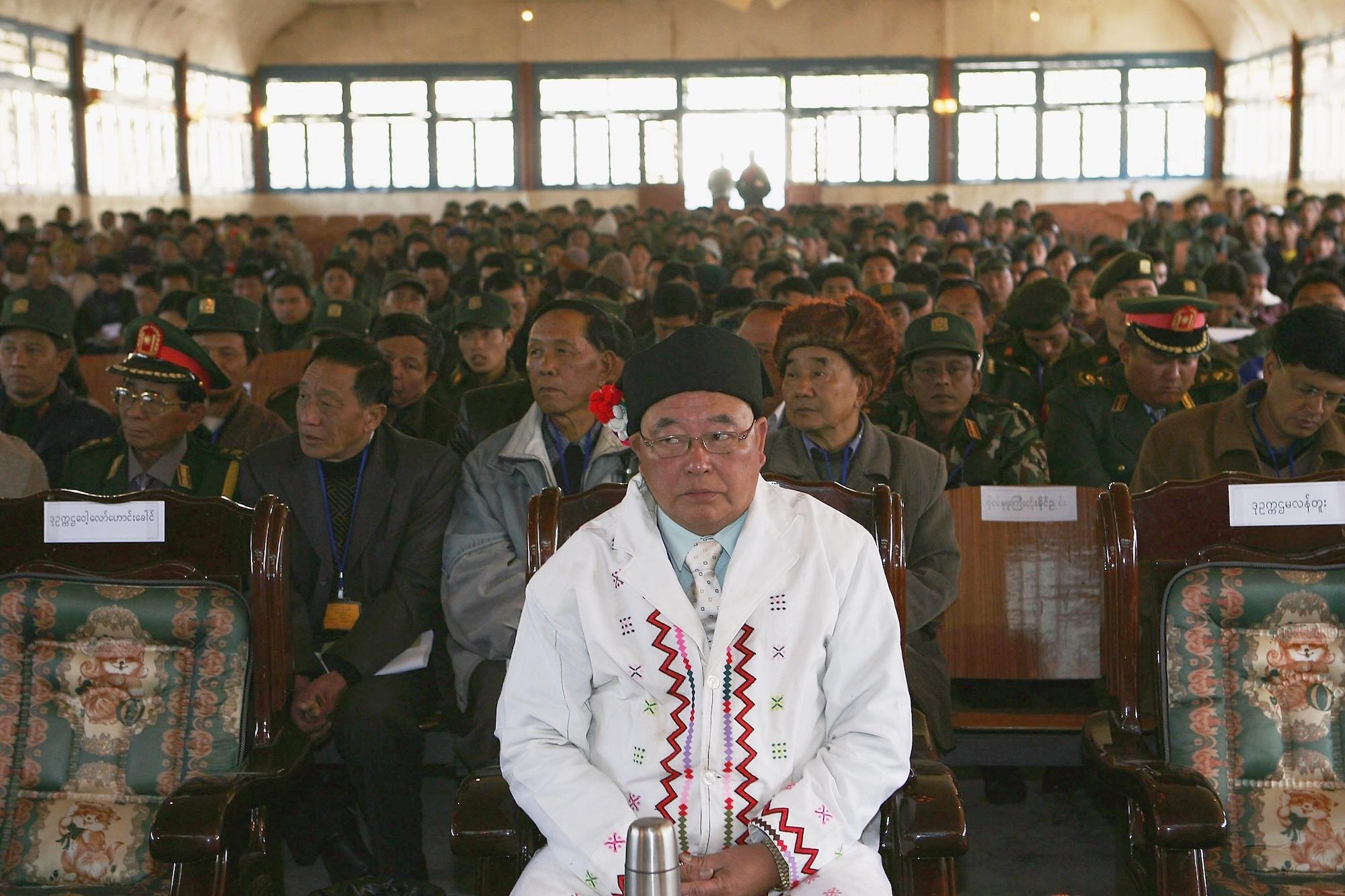
The Fragmentation of Control
The recent military successes of the Kachin Independence Army (KIA) have added a new layer of complexity. In late 2024, the KIA seized control of the Pangwa region, the heart of the rare earth trade, from junta-aligned warlord Zahkung Ting Ying. While some hoped the KIA’s takeover would lead to better environmental oversight, the reality has been mixed.
The Kachin Independence Organization (KIO), the political wing of the KIA, faces a difficult balancing act. It needs the revenue from rare earth mining to fund its revolution against the military junta, yet it faces growing pressure from local civil society groups to stop the environmental destruction. In some instances, the KIO has canceled mining projects following public protests; in others, it has used force to disperse activists, highlighting the tension between revolutionary survival and environmental stewardship.
Analysis of Implications: A Race to the Bottom
The situation in Myanmar serves as a warning for the global energy transition. If the "green" economy is built on a foundation of "slow violence" in the Global South, it risks replicating the extractive and colonial patterns of the fossil fuel era.
Experts like Julie Michelle Klinger of the University of Wisconsin-Madison argue that the current system lacks the transparency necessary to ensure that minerals are actually going toward renewable energy. In an era of global rearmament, a significant portion of Myanmar’s rare earths likely ends up in the defense industry rather than in wind turbines.
Furthermore, the "laundering" of Myanmar’s minerals through Chinese processing plants makes it nearly impossible for Western consumers to know if their EV or smartphone is linked to the landslides in Pangwa or the slave labor of Shan State. Without mandatory traceability and rigorous international standards that hold companies accountable for their entire supply chain, Myanmar will remain a "sacrifice zone," hidden behind the bright promise of a carbon-neutral future.
For workers like Min, the global debate over "just transitions" and "responsible sourcing" feels like a distant fantasy. In the shadow of the poisoned mountains, there is only the daily grind of survival, the silence of a missing brother, and the knowledge that the world’s appetite for technology is fueled by the very ground crumbling beneath his feet.