The Great American Energy Transition: How Heat Pumps Are Redefining Residential Heating and Cooling in the 21st Century

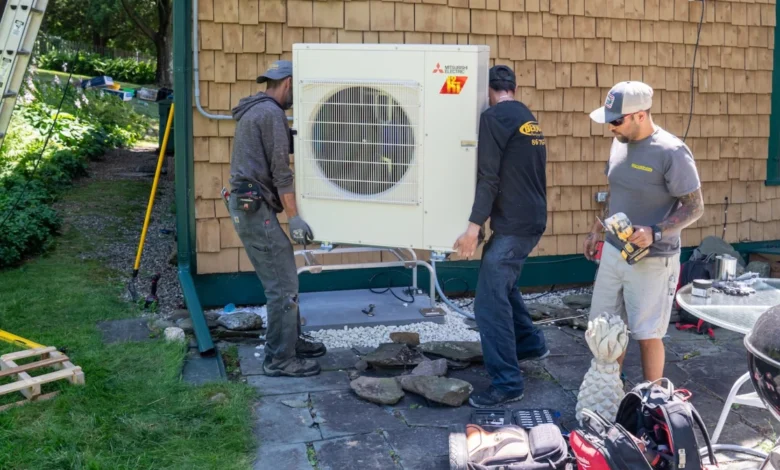
The landscape of American residential infrastructure is undergoing a silent but profound transformation as the nation’s long-standing reliance on fossil fuel combustion gives way to the precision of thermodynamics. For decades, the gas furnace stood as the undisputed centerpiece of the American home, a mechanical hearth that generated warmth through the controlled burning of natural gas or oil. However, new market data suggests that the era of the flame is being eclipsed by the era of the heat pump. According to a comprehensive quarterly report released by the Building Decarbonization Coalition, a nonprofit organization dedicated to eliminating building emissions, the adoption of heat pump technology has reached a critical inflection point. Over the last 15 years, sales of these appliances have doubled, and in the first quarter of 2024, shipments of heat pumps outpaced fossil fuel furnaces by a staggering 32 percent. This shift represents more than just a change in consumer preference; it signifies a structural realignment of how the United States approaches energy efficiency, grid stability, and carbon reduction.
The Mechanics of a Thermal Revolution
To understand why the heat pump is currently "winning" the market, one must look at the fundamental physics that distinguish it from traditional heating systems. While a gas furnace or an electric resistance heater must generate heat from scratch—either through combustion or by passing current through a high-resistance coil—a heat pump simply moves existing heat from one location to another. Even in sub-zero temperatures, ambient air contains a significant amount of thermal energy. Using a specialized refrigerant cycle, a heat pump extracts this warmth from the outside air and concentrates it inside the home. In the summer, the process is reversed, with the unit extracting heat from the indoors and venting it outside, functioning identically to a high-efficiency air conditioner.
This "two-in-one" functionality is a primary driver of the appliance’s growing popularity. Kevin Carbonnier, the associate director of analytics at the Building Decarbonization Coalition, notes that the appeal lies in the elegance of the solution. "All the trends are pointing towards increased heat pump adoption, not only versus gas but also versus traditional one-way air conditioning," Carbonnier stated. "It’s not just that heat pumps are better, more comfortable, and more efficient than furnaces. You also get the convenience of a single appliance providing comfort in all seasons."
A Statistical Surge in New Construction
The momentum behind electrification is most visible in the sector of new housing developments. Market data from 2024 reveals that 46 percent of all new housing units included a heat pump, nearly drawing even with the 47 percent of homes that installed traditional forced-air furnaces. In the multifamily housing sector, the shift is even more pronounced. Nearly three-quarters of new apartments in the United States are now heated electrically.
This trend is fueled by a combination of economic pragmatism and regulatory shifts. For a developer, building an "all-electric" structure is increasingly more cost-effective than installing dual infrastructure. When a building utilizes electric heat pumps and induction stoves, there is no need for the expensive process of laying natural gas pipes, installing meters, and ensuring ventilation for combustion byproducts. Kristin George Bagdanov, associate director of research at the coalition, explains that the decision is becoming a "common-sense measure" for builders. By eliminating gas infrastructure, developers can reduce construction costs while providing tenants with appliances that are significantly more efficient and provide better air quality.
Efficiency and the "Coefficient of Performance"
The economic argument for heat pumps is rooted in a metric known as the Coefficient of Performance (COP). In the world of HVAC (Heating, Ventilation, and Air Conditioning), efficiency is measured by the ratio of energy output to energy input. Traditional electric resistance heaters, such as baseboard units or portable space heaters, have a COP of one. This means that for every one unit of electricity consumed, the device produces exactly one unit of heat—essentially acting like a giant toaster.
In contrast, modern heat pumps typically boast a COP between 2 and 4. This means they deliver two to four times more thermal energy than they consume in electricity. Even the most advanced "high-efficiency" gas furnaces cannot compete with this math, as they can never produce more energy than is contained within the fuel they burn. While resistance heating was once the standard for electric-only buildings, research from the Sightline Institute shows that heat pumps are rapidly replacing these "energy hogs." In the Pacific Northwest, for instance, 18 percent of new apartment buildings featured heat pumps as of 2010, a figure that has risen steadily as the technology has proven its reliability in colder climates.
Networked Geothermal: The Utility Evolution
While individual air-source heat pumps are transforming homes, a more ambitious version of the technology is being tested at the utility level: networked geothermal systems. Often referred to as "thermal energy networks," this approach involves a utility drilling deep boreholes into the earth and installing a network of water-filled pipes. Because the temperature of the earth remains a constant 50 to 55 degrees Fahrenheit just a few feet below the surface, it serves as a massive thermal battery.
In the winter, heat pumps in connected homes extract warmth from this circulating water. In the summer, they dump excess heat back into the ground. This system can be up to seven or eight times more efficient than a gas furnace because it leverages the stable temperature of the earth rather than the fluctuating temperature of the air.
Beyond the efficiency gains, networked geothermal offers a strategic pathway for the energy workforce. The skills required to maintain these systems—drilling, pipe-laying, and infrastructure management—are almost identical to those currently employed by natural gas workers. "It’s all the same skill sets," says Carbonnier. "All the same stuff that gas workers are already doing." This provides a "just transition" model where the existing labor force can pivot to sustainable infrastructure without losing their livelihoods.
Grid Resilience and the Economic Bottom Line
The transition to heat pumps is occurring against a backdrop of increasing strain on the American electrical grid. The rise of massive, energy-hungry data centers and the growing fleet of electric vehicles (EVs) are forcing utilities to rethink capacity. In this environment, efficiency is not just a climate goal; it is a grid-stability necessity.
By utilizing ultra-efficient heating and cooling, the total demand on the grid is reduced. This allows utilities to avoid or delay the construction of expensive new power plants, transmission lines, and battery storage facilities—costs that are invariably passed down to consumers. Furthermore, the integration of heat pumps with other electric technologies creates a more flexible energy ecosystem. For example, EVs can serve as mobile batteries that feed power back into the grid during peak demand, while smart heat pumps can be programmed to run more intensively during hours when renewable energy production (like solar and wind) is at its peak.
The Shifting Political and Social Landscape
Energy costs have moved to the forefront of American political discourse as utility bills have surged in recent years. Historically, consumers were often blamed for high bills, with the narrative focusing on individual behaviors like thermostat settings or light usage. However, Kristin George Bagdanov notes that the conversation is shifting toward the systems themselves. Consumers are becoming increasingly aware of how public utility commissions set rates and how the continued build-out of fossil fuel infrastructure locks them into decades of higher costs.
The political consensus on the need for more housing has also played into the heat pump’s favor. Both major political parties in the U.S. agree that the country is facing a housing shortage. As federal and state incentives—such as those provided by the Inflation Reduction Act (IRA)—make heat pumps more affordable through tax credits and rebates, the "all-electric" home is becoming the standard for the next generation of American residential development.
A Chronology of the Heat Pump Tipping Point
The current dominance of the heat pump is the result of a decade-long acceleration:
- 2010-2015: Heat pump technology improves significantly for cold-climate performance, overcoming the "freezing" issues that plagued older models.
- 2018-2021: Several major U.S. cities, led by Berkeley and later New York City, begin passing "gas bans" or electrification mandates for new construction.
- 2022: The passage of the Inflation Reduction Act provides historic levels of funding for residential electrification, offering up to $2,000 in tax credits for heat pump installations.
- 2023: For the first time, annual heat pump sales in the U.S. surpass gas furnace sales, a trend that solidified through the end of the year.
- Q1 2024: Heat pump shipments outpace fossil fuel furnaces by 32 percent, marking the fourth consecutive year of market leadership.
Conclusion: The End of the Combustion Era
The data suggests that the United States is no longer just "experimenting" with electrification; it has reached a tipping point. The combination of superior physics, favorable economics for developers, and the strategic needs of the electrical grid has made the heat pump the logical successor to the gas furnace. While the transition will take decades to complete as the existing housing stock is retrofitted, the trajectory is clear. The American home is becoming a more efficient, more integrated, and ultimately more sustainable part of a modernized energy landscape. As Kevin Carbonnier aptly summarized, "I think we are at a tipping point." The flame is flickering out, and the heat pump is taking its place.