Western Europe Records Hottest June Ever as Lethal Heatwaves Redefine Regional Climate Norms


Western Europe has officially recorded its hottest June on record, marking a grim milestone in a summer defined by relentless heatwaves, infrastructure failures, and a rising death toll. According to new data released by the European Union’s Copernicus Earth observation program, the region averaged a staggering 20.74 degrees Celsius (69.3 degrees Fahrenheit) across the entire month, accounting for both daytime peaks and nighttime minimums. This figure narrowly surpassed the previous record set in June 2025 and stands more than 3 degrees Celsius above the long-term monthly average. The data underscores a broader global trend, as June temperatures worldwide fell just 0.01 degrees Celsius short of the all-time global high, while ocean temperatures reached their highest levels ever documented.
The unprecedented warmth is not merely a statistical anomaly but the latest manifestation of a climate system in distress. Samantha Burgess, deputy director of the Copernicus Climate Change Service, emphasized the gravity of the situation in a recent briefing. "These records reflect a climate system continuing to accumulate heat," Burgess stated. "The result is increasingly intense heatwaves, a persistently warm ocean, and growing risks for people, ecosystems, and infrastructure across Europe and beyond." As the continent grapples with these "new normals," the cumulative impact on public health and national economies is becoming increasingly difficult to manage.
A Season of Extremes: The Chronology of the 2026 Heat Crisis
The record-breaking June was not an isolated event but rather the peak of a prolonged period of thermal stress that began in late spring. The atmospheric patterns that led to the June record were set in motion during a significant temperature spike in May, which saw parts of Iberia and Southern France experiencing mid-summer conditions weeks ahead of schedule. By the time June arrived, a "heat dome"—a high-pressure system that traps hot air over a specific area—had anchored itself over Western Europe, preventing cooler Atlantic air from providing relief.
Throughout the month, the mercury climbed to heights rarely seen in temperate European latitudes. The World Meteorological Organization (WMO) confirmed that France, Germany, and Denmark all recorded their highest individual temperatures in history during this window. In late June, the crisis intensified further, with a specific "mega-heatwave" that paralyzed major metropolitan areas. This period of extreme heat preceded a July that has shown little sign of cooling, suggesting that the 2026 summer may go down as the most grueling in European history.
The World Weather Attribution (WWA) initiative, a global team of scientists that analyzes the role of climate change in extreme weather, noted that the intensity of these events would have been "virtually impossible" just five decades ago. Their analysis suggests that human-induced climate change has made the kind of daytime heat currently being experienced 10 times more likely, while nighttime extremes—which provide no respite for the human body—are now 100 times more likely than they were in the mid-20th century.
The Lethal Impact on Public Health and Safety
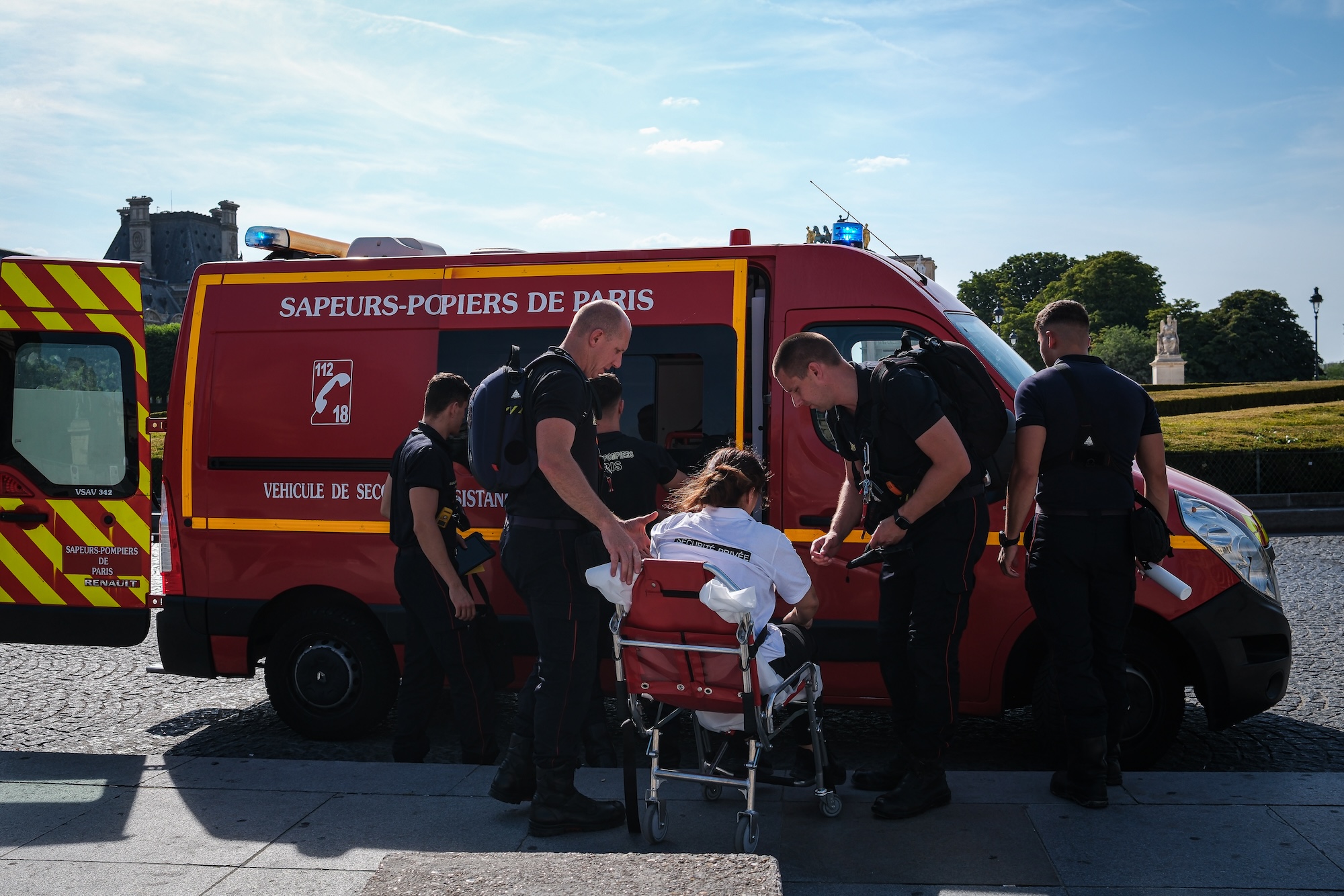
The human cost of the June heatwave has been devastating. Preliminary reports indicate that thousands of excess deaths across the continent are linked directly to the soaring temperatures. In France alone, more than 1,000 excess deaths were recorded during the peak of the heat, while European-wide figures suggest a toll exceeding 3,700 lives. These fatalities are often concentrated among the elderly, those with pre-existing cardiovascular conditions, and outdoor workers who lack adequate protection from the sun.
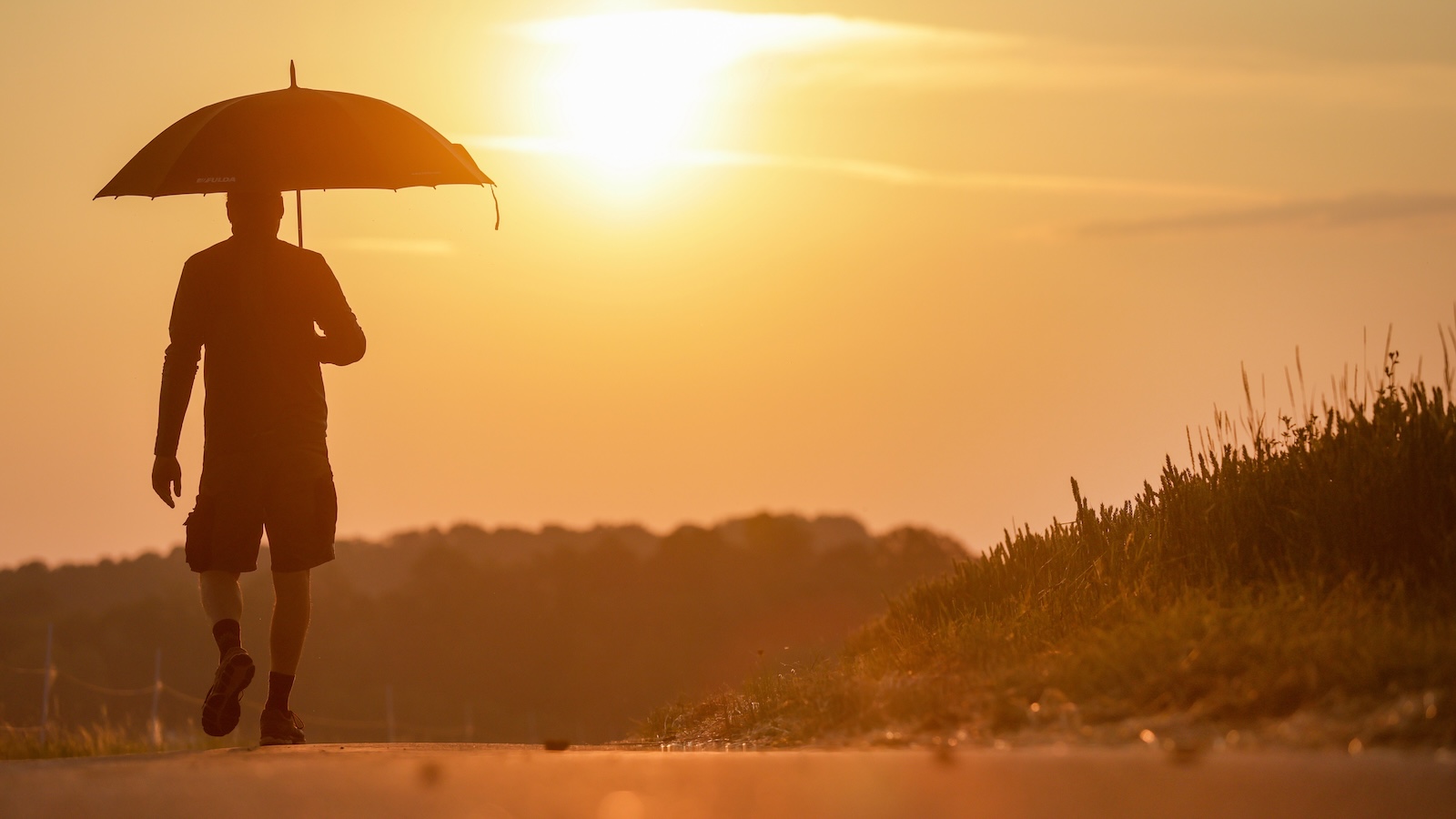
A particularly concerning aspect of this record-breaking June was the lack of nighttime cooling. On the morning of June 28, a weather station in East Saxony, Germany, recorded a minimum temperature of 29.4 degrees Celsius (nearly 85 degrees Fahrenheit). The Deutscher Wetterdienst, Germany’s national meteorological agency, described the reading as "historic" and "unprecedented."
Experts warn that these elevated overnight minimums are a silent killer. Kurt Shickman, a heat mitigation specialist at the World Resources Institute, explained the physiological danger: "When we have these high nighttime temperatures, the body isn’t able to recover sufficiently. People are going into the next hot day with a couple of strikes against them from a health perspective." Without the ability to lower core body temperatures during sleep, the risk of heat exhaustion and heatstroke skyrockets, even for relatively healthy individuals.
Infrastructure Under Pressure
The June heatwave also exposed the vulnerability of European infrastructure, much of which was designed for a significantly cooler climate. Across the continent, schools were forced to close as classrooms became dangerously hot, lacking the air conditioning systems common in North America or Asia. Power supplies were disrupted in several regions as the demand for cooling surged, straining electrical grids. In some instances, power plants had to reduce output because the river water used to cool the reactors had become too warm to be effective or safe for local ecosystems upon discharge.
Transportation networks also suffered. In the United Kingdom and France, railway operators were forced to implement speed restrictions or cancel services entirely due to fears that steel tracks would buckle under the extreme heat. Meanwhile, the agricultural sector is facing a burgeoning crisis; the combination of record heat and low rainfall has depleted soil moisture, threatening crop yields for the upcoming harvest season.
In the built environment, the "urban heat island" effect has amplified the suffering. Carolina Pereira Marghidan of the Red Cross Red Crescent Climate Centre noted that many Europeans are living in "heat traps." "Many people still live, work, and study in places that are not designed for the temperatures we are now experiencing," she said. She called for an urgent "greater investment in heat-resilient homes, cities, and infrastructure to keep people safe."
Ecological Fallout and Wildfire Risks
Beyond the cities, the heat has ignited a tinderbox in Europe’s forests and grasslands. The record-breaking June temperatures further dried out landscapes already parched by a dry winter. In Spain and Southern France, massive wildfires broke out, forcing thousands of residents and tourists to flee their homes and campsites. One firefighter was tragically killed in the line of duty, and the smoke from these blazes significantly degraded air quality across the Mediterranean basin.
The heat even impacted major cultural and sporting events. Spectators at the Tour de France faced grueling conditions, with organizers forced to deploy water misters and additional medical teams to prevent mass dehydration among the crowds. For the local ecosystems, the stress is equally acute. High water temperatures in rivers and lakes have led to mass fish kills and the proliferation of toxic algae blooms, further threatening European biodiversity.
Lessons from the Past and Pathways to Adaptation
The current crisis has drawn frequent comparisons to the infamous European heatwave of 2003, which claimed an estimated 70,000 lives. However, scientists point out that while 2003 was a "freak" event at the time, the 2026 June record is part of a consistent, upward trend. The difference today lies in the level of preparedness. Following the 2003 disaster, many European governments developed sophisticated early warning systems and "heat-health" action plans. Research suggests these measures have been effective, potentially reducing the death toll by as much as 75 percent compared to what it might have been without such interventions.
Technological solutions are also playing a role. The "Extrema" app, for example, allows residents in cities like Athens, Paris, and Rotterdam to map the thermally safest routes when traveling, identifying "cool spots" such as parks, fountains, and air-conditioned public buildings.
However, Kurt Shickman of the World Resources Institute argues that current adaptation measures are only the beginning. To survive a warming future, he suggests a radical rethinking of urban design. This includes the widespread installation of reflective "cool roofs," the use of "cooler walls" made of specialized materials, and a massive increase in urban canopy cover to provide natural shade. Furthermore, there is a growing push for policymakers to ensure that access to affordable, energy-efficient cooling is treated as a fundamental right rather than a luxury.
A Galvanizing Moment for Climate Policy
As Western Europe tallies the cost of its hottest June, there is hope among experts that the severity of the event will accelerate climate action. The data from Copernicus serves as a stark reminder that the window for mitigating the worst effects of global warming is closing. While adaptation can save lives in the short term, the long-term stability of the European climate depends on a rapid transition away from fossil fuels.
"Extreme heat is something that we’re seeing more and more of," Shickman observed. Yet, he remains cautiously optimistic about the potential for policy shifts. "These types of iconic moments can be galvanizing for years and years to come." As the continent looks toward the remainder of the summer, the record-breaking June of 2026 stands as both a tragedy and a clarion call for a more resilient and sustainable future.