Urban Forests as Critical Infrastructure: Why Scientists Demand a Mandatory Shift in Metropolitan Planning

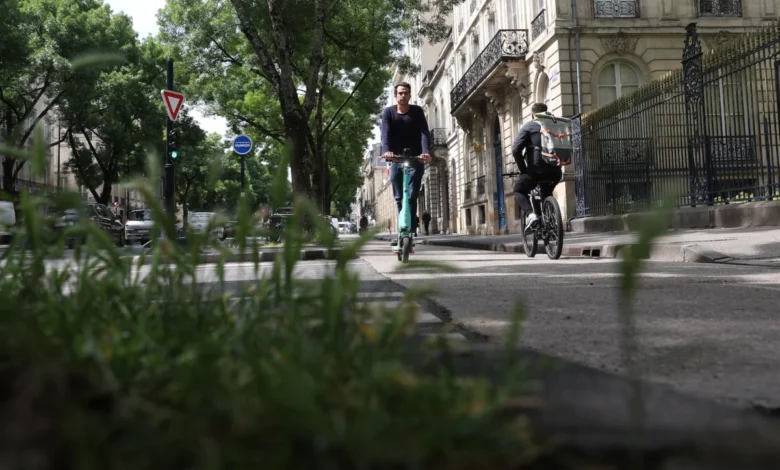
The towering canopies that sway above city streets and the dense thickets of urban parks are frequently dismissed as mere aesthetic enhancements, yet a growing body of scientific evidence suggests they are as vital to a city’s survival as its power grid or water supply. In a landmark essay published in the journal PLOS Climate, a coalition of international scientists argues that urban forests—the collective of trees, shrubs, and vegetation within city limits—must be elevated from "nice-to-have" amenities to mandatory "critical infrastructure." Led by Manuel Esperon-Rodriguez, an ecologist at Bangor University in the United Kingdom, the researchers contend that the current failure to prioritize urban greenery is a catastrophic oversight in the face of an escalating climate crisis.
For decades, urban planning has prioritized "gray infrastructure"—roads, bridges, and sewage systems—while treating "green infrastructure" as a discretionary expense. However, as global temperatures continue to shatter records and extreme weather events become the new norm, the biological services provided by urban forests are becoming indispensable. Trees act as natural air conditioners, flood mitigators, and public health stabilizers. According to Esperon-Rodriguez, the time for voluntary tree-planting targets has passed; cities must now legislate the maintenance and expansion of their canopies with the same rigor they apply to education, security, and transportation.
The Science of Arboreal Cooling and Hydrological Resilience
The primary argument for classifying trees as critical infrastructure lies in their unparalleled ability to regulate the urban microclimate. The "urban heat island" effect—a phenomenon where cities become significantly hotter than surrounding rural areas due to the absorption of solar energy by concrete and asphalt—poses a lethal threat to residents. Trees mitigate this through two primary mechanisms: shade and evapotranspiration. By intercepting sunlight before it reaches the ground, a mature tree canopy can reduce surface temperatures by up to 10 to 20 degrees Celsius (18 to 36 degrees Fahrenheit). Furthermore, trees essentially "sweat," releasing water vapor into the air, which consumes heat energy and cools the immediate environment.
Beyond temperature regulation, urban forests serve as a frontline defense against increasingly volatile precipitation patterns. As the atmosphere warms, it holds more moisture, leading to heavier and more frequent rainfall events. In traditional urban environments, this water hits impermeable surfaces, leading to flash flooding and the overwhelming of municipal sewer systems. Urban vegetation creates a "spongy" city. Roots create pathways for water to infiltrate the soil, while the canopy intercepts rainfall, slowing the speed at which it hits the ground. This natural drainage system reduces the economic burden of flood damage and lessens the need for expensive, high-maintenance gray drainage infrastructure.
A Chronology of the Shifting Urban Canopy
To understand the current urgency, one must look at the historical trajectory of urban forestry. In the early 20th century, trees were often planted in cities for ornamental purposes or to mimic European boulevards. By the mid-20th century, the rise of the automobile and suburban sprawl led to a massive removal of urban trees to make way for wider roads and parking lots.
The 1970s and 1980s saw a resurgence of interest in urban ecology, but primarily through the lens of recreation and beautification. It was not until the early 2000s that the concept of "ecosystem services" began to take hold in municipal planning, with cities like New York and London launching ambitious "Million Trees" campaigns. However, many of these initiatives focused on planting numbers rather than long-term survival or equitable distribution.
The 2024 PLOS Climate essay represents the latest evolution in this timeline: the transition from "ecosystem services" to "mandatory infrastructure." This shift acknowledges that in an era of 50-degree Celsius heatwaves, a city without a canopy is not just unpleasant; it is uninhabitable.
The Four-Point Strategic Framework for Urban Forestry
The research team, comprising dozens of scientists, laid out a comprehensive four-point approach to revolutionize how cities manage their green assets. This framework moves beyond the simple act of planting a sapling and addresses the systemic lifecycle of an urban forest.
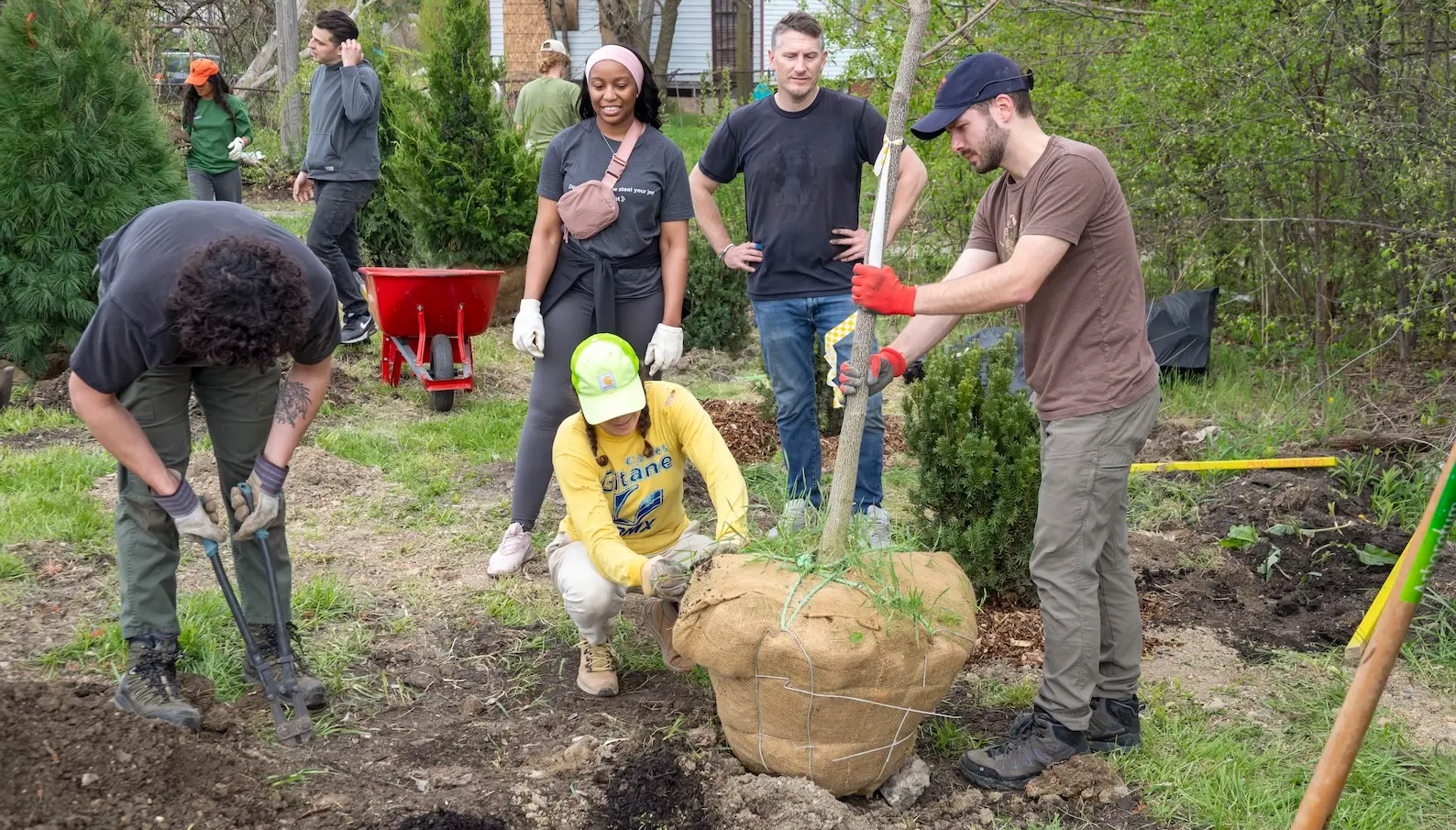
- Investment and Maintenance: The most significant hurdle identified is the transition from capital expenditure (buying trees) to operational expenditure (maintaining them). Newly planted trees are highly vulnerable to pests, drought, and physical damage. The researchers argue that city budgets must include dedicated, recurring funds for arborists, irrigation, and soil health.
- Infrastructure Integration: Urban forestry should be integrated into the earliest stages of civil engineering projects. Rather than adding trees as an afterthought in a finished streetscape, they should be designed alongside utility lines and transit routes to ensure they have enough subterranean space to thrive.
- Social Equity and Environmental Justice: Data consistently shows that wealthier neighborhoods have significantly higher canopy cover than underserved or marginalized communities. This "green gap" results in poorer air quality and higher heat-related mortality in lower-income areas. The scientists demand that new forestry initiatives prioritize these "heat islands" to rectify historical inequities.
- Evidence-Based Species Selection: As the climate changes, the trees that thrived in a city 50 years ago may not survive the next 50. Planning must be "future-proofed" by selecting species that are resilient to projected heat, drought, and emerging pests.
The Economic Reality: High Returns on Green Investment
While the cost of maintaining an urban forest can be substantial, the return on investment (ROI) is overwhelming. A recent economic analysis cited by the researchers suggests that for every $1 a city invests in parks and urban greenery, it reaps approximately $3 in local economic benefits.
These benefits are multifaceted. Public health costs are significantly reduced as trees filter particulate matter from the air, reducing rates of asthma and cardiovascular disease. Furthermore, access to green space has a documented "calming effect" on the human nervous system, lowering cortisol levels and reducing the societal costs associated with mental health crises.
From a commercial perspective, verdant neighborhoods attract more foot traffic, boosting local retail and hospitality sectors. Real estate values also see a consistent lift in proximity to well-maintained parks and tree-lined streets. When these factors are aggregated, the "cost" of urban forestry is revealed to be a net gain for the municipal treasury.
Addressing the Challenges of Community Collaboration
The transition to mandatory urban forests is not without its logistical and social complexities. The essay emphasizes that city officials cannot simply impose greenery on neighborhoods without consultation. Effective urban forestry requires a collaborative model where residents are involved in the selection and placement of trees.
Some communities may have legitimate concerns regarding urban trees. For instance, certain species produce high levels of pollen, which can exacerbate allergies, while others produce fruit or sap that can damage property or create slip hazards on sidewalks. There is also the "green gentrification" paradox, where the sudden improvement of a neighborhood’s environmental quality can lead to rising rents and the displacement of long-term residents. The researchers argue that these issues must be managed through robust social policy and transparent community engagement, rather than by abandoning forestry goals.
Policy Implications and the Path Toward Legislation
The core of the scientists’ argument is that mayoral promises and voluntary goals are too fragile to survive political cycles. Manuel Esperon-Rodriguez and his colleagues advocate for the "enshrining" of canopy targets into law. This would mean that a city’s commitment to maintaining a 30% or 40% canopy cover would be a legal requirement, similar to fire safety codes or water quality standards.
Legislation provides a mechanism for accountability. It allows citizens to hold their governments responsible if targets are missed and ensures that funding for tree maintenance cannot be easily stripped away during budget cuts. Furthermore, it provides a clear signal to the private sector and developers that green space is a non-negotiable component of any new construction.
Conclusion: Securing the Future of the Modern Metropolis
The evidence presented in the PLOS Climate essay makes it clear that the urban forest is a "low-hanging fruit" in the global effort to adapt to climate change. It is a proven, cost-effective, and multifunctional tool that addresses multiple crises simultaneously—from public health and social inequity to biodiversity loss and extreme weather.
However, realizing this potential requires a fundamental shift in the collective urban psyche. The "concrete jungle" must make way for a hybrid model where nature and the built environment are inextricably linked. By treating trees as critical infrastructure, cities are not just making themselves more beautiful; they are securing their survival for the next 50 years and beyond. As Esperon-Rodriguez concludes, the goal is to ensure that "whatever we’re planting today is going to survive" to protect the generations of tomorrow. The era of viewing trees as a luxury is over; the era of the mandatory urban forest has begun.