The Best Thermal Underwear For Cold Weather Comfort
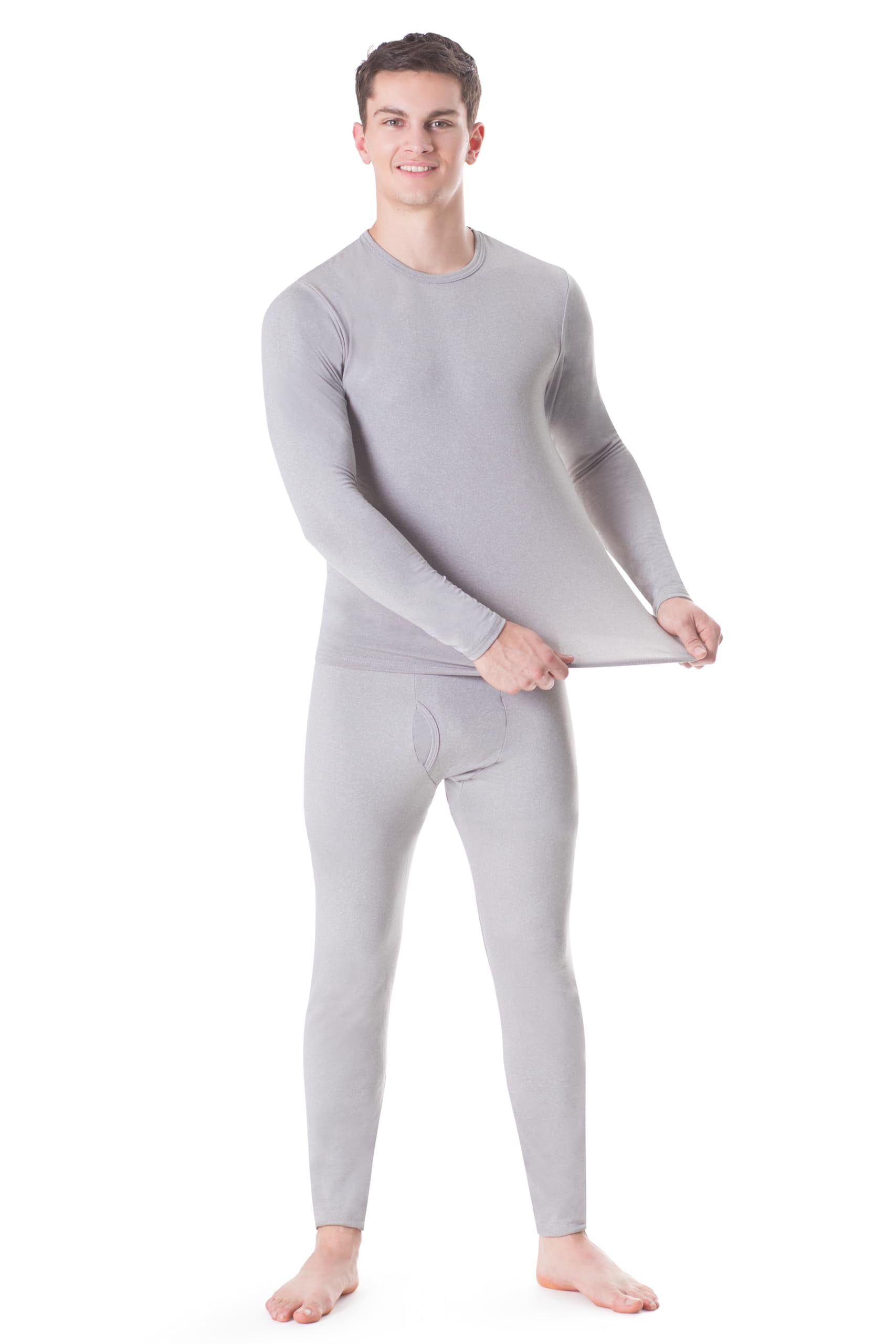

The Ultimate Guide to Choosing the Best Thermal Underwear for Extreme Cold Weather Comfort
Navigating frigid temperatures demands more than just a bulky outer layer; effective thermal underwear forms the critical foundation of warmth, acting as your body’s personal climate control system. This essential gear traps body heat, wicks away moisture, and provides a comfortable barrier against biting winds and sub-zero conditions. Selecting the right thermal underwear can be the difference between an enjoyable outdoor experience and a miserable, hypothermic ordeal. This comprehensive guide delves deep into the factors that define optimal thermal performance, material science behind advanced fabrics, and the practical considerations for finding the best thermal underwear to suit your specific cold-weather needs, from casual winter walks to demanding expeditions.
The fundamental purpose of thermal underwear, often referred to as base layers, is to manage your body’s microclimate. When you’re active, your body generates heat and perspires. If this moisture isn’t managed, it can quickly cool you down, leading to discomfort and potential hypothermia, even in seemingly moderate cold. Thermal underwear achieves this by utilizing a combination of insulation and moisture-wicking properties. Insulation refers to a material’s ability to trap air, creating a barrier that slows heat transfer. The loftier and more complex the fiber structure, generally the better its insulating capabilities. Moisture-wicking involves drawing sweat away from your skin and dispersing it across a larger surface area of the fabric, where it can evaporate more efficiently. This prevents that clammy, chilling sensation that arises from damp clothing. Therefore, the best thermal underwear excels in both these areas, keeping you dry and warm simultaneously.
The material composition of thermal underwear is paramount to its performance. Different fibers possess unique characteristics that impact their thermal efficiency, breathability, durability, and feel against the skin. Understanding these distinctions is crucial for making an informed purchase.
Merino Wool: Arguably the gold standard for high-performance thermal underwear, merino wool is a natural fiber derived from merino sheep. Its exceptional qualities make it a top choice for demanding conditions. Merino fibers are naturally fine and crimped, creating microscopic air pockets that provide excellent insulation. One of its most significant advantages is its ability to regulate temperature in both warm and cold conditions; it insulates effectively when cold and breathes well when warm. Merino wool is also naturally odor-resistant due to its lanolin content and the unique structure of its fibers, meaning it can be worn for extended periods without developing unpleasant smells. Furthermore, even when wet, merino wool retains a significant portion of its insulating properties, a critical feature for active pursuits where sweat is unavoidable. Its moisture-wicking capabilities are also superior to many synthetics, drawing moisture away from the skin effectively. Merino wool is also known for its softness, making it comfortable for direct skin contact, unlike some coarser wools. However, it can be more expensive than synthetic options and may require more delicate washing care to maintain its integrity.
Synthetic Fabrics (Polyester, Polypropylene): Synthetic thermal underwear, primarily made from polyester or polypropylene, offers a compelling balance of performance, durability, and affordability. These materials are engineered to be lightweight, quick-drying, and highly effective at wicking moisture away from the skin. Polyester, in particular, is a common choice for its excellent strength, wrinkle resistance, and ability to hold its shape. Polypropylene, while less common for high-end base layers, also boasts superior moisture-wicking properties and is highly hydrophobic, meaning it repels water. Synthetic thermal underwear is often less expensive than merino wool, making it an accessible option for a wider range of users. They are also generally very durable and can withstand rigorous use and frequent washing. However, a significant drawback of synthetics is their tendency to retain odors. They lack the natural antimicrobial properties of wool, meaning they can develop strong smells after just a few wears, necessitating frequent washing. While some synthetics are treated with antimicrobial finishes, these can wear off over time.
Silk: Once a primary material for thermal underwear, silk offers a luxurious feel and excellent insulation for its weight. Silk fibers have a smooth surface, making them comfortable against the skin and allowing for good heat retention. It’s also naturally breathable and has some moisture-wicking capabilities. However, silk is not as durable or as effective at managing heavy perspiration as merino wool or high-quality synthetics. It’s also more prone to damage from abrasion and requires careful washing. Silk thermal underwear is generally best suited for less strenuous activities or as a supplementary layer in moderate cold.
Blends (e.g., Wool/Synthetic): Many thermal underwear garments utilize blends of natural and synthetic fibers to leverage the strengths of each material. For instance, a blend of merino wool and polyester can offer the warmth and odor resistance of wool with the added durability and moisture-wicking speed of polyester. These blends often strike an ideal balance, providing enhanced performance and value. The specific ratio of fibers in a blend will dictate its overall characteristics, so it’s important to check the product’s specifications.
Beyond material composition, the weight or "weight class" of thermal underwear is a crucial indicator of its insulating capacity. This is typically categorized as lightweight, midweight, and heavyweight.
Lightweight Thermal Underwear: These are the lightest and thinnest options, designed for mild to moderate cold or for high-exertion activities where breathability and freedom of movement are paramount. They offer a thin layer of insulation and excellent moisture-wicking. Ideal for early-season hunting, hiking in cooler spring or fall weather, or as a base layer under more substantial outerwear in sub-freezing temperatures. They are designed to keep you comfortable but not overheated during intense physical activity.
Midweight Thermal Underwear: This is the most versatile category, offering a good balance of warmth and breathability. Midweight thermals are suitable for a wide range of cold weather activities, from skiing and snowboarding to camping and everyday wear in winter. They provide a noticeable increase in insulation compared to lightweight options without being overly bulky. This is often the go-to choice for many users who experience a variety of winter conditions.
Heavyweight Thermal Underwear: As the name suggests, heavyweight thermal underwear is engineered for extreme cold and low-activity scenarios. These garments are the thickest and offer the most insulation, trapping significant amounts of body heat. They are ideal for activities like ice fishing, winter mountaineering in harsh conditions, or for individuals who are particularly sensitive to cold and spend extended periods outdoors in frigid environments. They may be too warm for vigorous exercise, as they can lead to overheating.
The fit of your thermal underwear is as critical as its material and weight. A proper fit ensures optimal performance and comfort.
Snug but Not Constricting: Thermal underwear should fit snugly against your skin, like a second skin. This close contact is essential for effective moisture-wicking, as it allows sweat to be drawn directly away from your pores and spread across the fabric. However, it should not be so tight that it restricts movement, constricts blood flow, or creates uncomfortable pressure points. Overly tight thermal underwear can actually hinder insulation by compressing the insulating air pockets within the fabric.
Consider the Garment Type: Thermal underwear typically comes in two main forms: tops (long-sleeved shirts) and bottoms (long johns or leggings). Ensure that both components of your base layer fit well. For tops, look for sleeves that extend to your wrists and a neckline that doesn’t chafe. For bottoms, the waistband should sit comfortably without digging in, and the legs should reach your ankles.
Layering Considerations: When layering, your thermal underwear should be the base layer, sitting directly against your skin. Subsequent layers should fit comfortably over the thermals without bunching or creating excessive bulk. If you plan on wearing multiple layers, it’s often beneficial to consider a slightly looser fit in your mid-layers to accommodate the base layer.
When selecting thermal underwear, consider the intended use and the specific features that will enhance your cold-weather experience.
Moisture-Wicking Performance: This is paramount. Look for fabrics explicitly designed to draw moisture away from the skin. Regardless of the material, the weave and construction of the fabric play a role in its wicking ability.
Odor Resistance: For extended trips or multi-day adventures, odor resistance is a significant advantage. Merino wool excels in this area naturally, while some synthetics incorporate antimicrobial treatments.
Durability: Especially important for active users, durable thermal underwear will withstand the rigors of outdoor activities, repeated washing, and friction without losing its shape or insulating properties.
Comfort and Feel: The fabric should feel comfortable against your skin. For those with sensitive skin, merino wool or silk blends are often preferred over some synthetics. Flatlock seams, which lie flat against the skin, also contribute to overall comfort by minimizing chafing.
Ease of Care: While some delicate materials require specific washing instructions, generally, thermal underwear should be relatively easy to care for. Check the manufacturer’s recommendations for washing and drying to ensure longevity.
Specific Activity Needs:
- High-Exertion Activities (e.g., Skiing, Snowboarding, Trail Running): Prioritize lightweight or midweight options with superior moisture-wicking. Breathability is key to prevent overheating.
- Low-Exertion Activities (e.g., Ice Fishing, Winter Camping, Stationary Observation): Focus on heavyweight thermal underwear for maximum insulation. Comfort and warmth are the primary concerns.
- Everyday Wear: Midweight, comfortable options in merino wool or a wool/synthetic blend offer a good balance of warmth, odor resistance, and versatility.
Investing in high-quality thermal underwear is an investment in your comfort and safety in cold weather. By understanding the nuances of materials, weight classes, fit, and features, you can make an informed decision that will keep you warm, dry, and ready to embrace the winter season, no matter the temperature. The best thermal underwear isn’t just a piece of clothing; it’s a vital component of your cold-weather preparedness.