The Global Impact of the USAID Dissolution: A Comprehensive Analysis of Aid Withdrawal and Subsequent Regional Instability in Africa

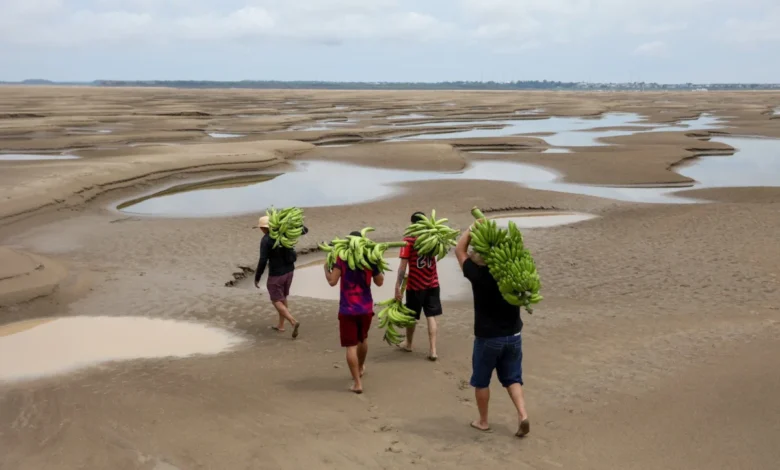
The United States Agency for International Development (USAID), an institution that for over six decades served as the primary vehicle for American "soft power" and humanitarian intervention, has undergone a transformation that critics and researchers describe as a catastrophic retreat from the global stage. Since its inception in 1961, USAID has been the cornerstone of American efforts to address food insecurity, healthcare deficits, and disaster relief in the world’s most vulnerable regions. However, following a series of executive mandates beginning shortly after President Donald Trump’s inauguration—including a comprehensive stop-work order and the subsequent informal dissolution of the agency last July—the United States has executed the largest withdrawal of international development aid in more than sixty years. This policy shift has not only altered the landscape of international relations but has also triggered a ripple effect of instability that is now being quantified by the scientific community.
A landmark study published on May 14 in the journal Science provides a harrowing look at the immediate consequences of this withdrawal. The research suggests that the sudden cessation of USAID programming is directly linked to a significant uptick in violent conflict across the African continent. According to the study, the most politically fragile regions, which were previously the primary beneficiaries of American aid, have experienced the most acute spikes in violence, ranging from armed battles to civil unrest. While the findings have sparked intense debate among policy experts and academics, the data offers a sobering perspective on the relationship between humanitarian assistance and global security.
The Historical Mandate and the 2017 Pivot
To understand the magnitude of the current situation, one must look back to the origins of USAID. Established by President John F. Kennedy through the Foreign Assistance Act of 1961, the agency was designed to unify existing foreign aid efforts and provide a coordinated response to global poverty. During the Cold War, its mission was twofold: to encourage economic and social development in emerging nations and to counter the geopolitical influence of the Soviet Union. In the decades that followed, USAID evolved into a massive bureaucratic engine with an annual budget in the tens of billions, managing programs that ranged from the President’s Emergency Plan for AIDS Relief (PEPFAR) to large-scale agricultural resilience projects in the Sahel.
The shift began abruptly in early 2017. Within days of the presidential inauguration, the administration issued a stop-work order that effectively froze the majority of USAID’s overseas operations. This was followed by a period of sustained budgetary uncertainty and leadership vacancies. The process culminated last July with the informal dissolution of the agency’s core functions. This move represented a fundamental break from decades of bipartisan foreign policy, which viewed development aid not merely as charity, but as a critical tool for maintaining regional stability and preventing the rise of extremist movements.
Quantifying the Surge in Conflict
The study published in Science utilized two massive global datasets to track the correlation between funding disbursements and violent events. By analyzing 870 subnational regions across Africa that had historically received varying levels of USAID support, the researchers—including Austin Wright of the University of Chicago—sought to isolate the impact of the "aid shock."
The results indicate that in the ten months following the withdrawal of aid, regions that were previously high-priority recipients of USAID funding saw a 12.3 percent increase in overall conflict. More specifically, the data revealed a 7.3 percent surge in armed battles between organized groups and a 9.3 percent increase in fatalities resulting from those battles. Beyond traditional warfare, the study noted a 6.8 percent rise in protests and riots, suggesting that the removal of aid also eroded the social contract between citizens and their local governments.
"There is nothing that we’re aware of in recorded human history of the magnitude of that shutdown, in terms of ending a country’s commitment at a global scale," said Wright. He described the effects as "swift and destabilizing," noting that the sudden absence of resources created a power vacuum that local actors, including insurgent groups and political factions, were quick to exploit.
The Nexus of Food Security, Climate, and Violence
The mechanism through which aid withdrawal fuels conflict is complex but follows a recognizable pattern. Agriculture and local markets are the lifeblood of many African economies, and they are also the most susceptible to disruption. USAID programming often focused on building resilient food systems—providing seeds, irrigation technology, and nutritional support for children. When these programs were halted, food security worsened almost immediately.
As communities lose access to stable food sources, social unrest typically follows. This fragility is further exacerbated by the "threat multiplier" of climate change. According to a 2024 United Nations report, extreme weather is now second only to conflict as a driver of global hunger. Cataclysmic storms, rising sea levels, and prolonged droughts force mass migrations, which in turn lead to disputes over land and resources. USAID’s healthcare and water programming provided a "critical lifeline" that buffered these communities against the worst effects of environmental degradation.
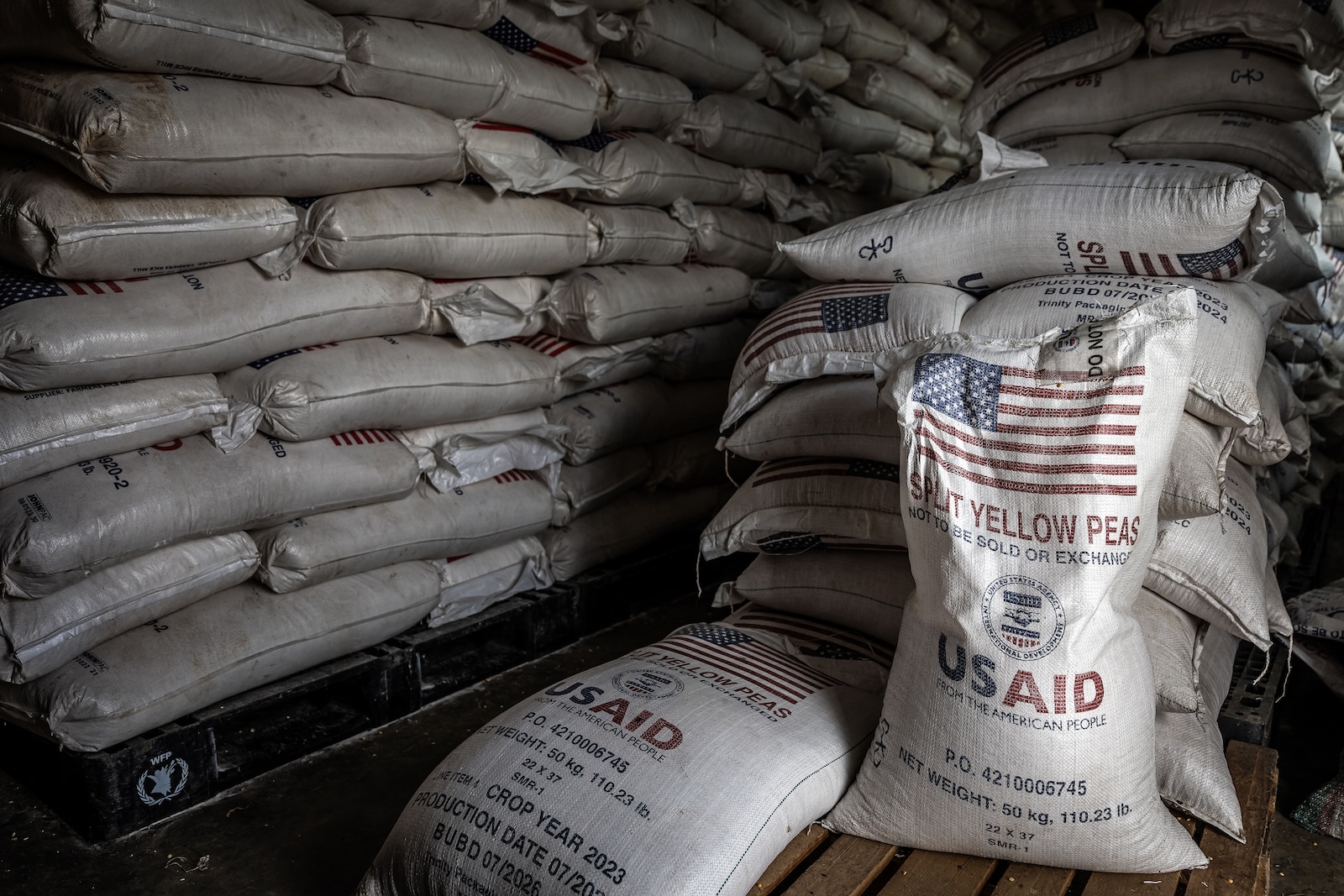
Zia Mehrabi, a food security and climate change researcher at the University of Colorado Boulder, emphasized the human cost of these policy decisions. "It is undeniable that USAID programming… provided a critical lifeline to millions of women, children, and families in severe nutritional deficits," Mehrabi stated. He questioned the logic of abruptly retracting such fundamental support systems, noting that the direct result is inevitably "people suffering and dying."
The Information Blackout: A Crisis of Data
Perhaps the most overlooked consequence of USAID’s dissolution is the loss of critical data collection infrastructure. For years, the agency funded the majority of localized weather monitoring and famine early warning systems across the Global South. One of the most vital of these, the Famine Early Warning Systems Network (FEWS NET), has faced significant disruptions.
Chelsea Marcho, a former USAID official and senior director at the Food Security Leadership Council, pointed out that the agency’s end has "buckled our ability to measure the very outcomes of the end of USAID." Without ground-level data on crop yields, market prices, and nutritional levels, the international community is effectively flying blind. "The visibility that we have around food security is potentially in decline at the same time that the risks to the system are increasing," Marcho warned. While some private organizations have attempted to fill the gap, the scale and reach of USAID’s data network were unparalleled.
Methodological Debates and Dissenting Voices
Despite the alarming statistics presented in the Science paper, some members of the academic community urge caution. Zia Mehrabi, while acknowledging the suffering caused by aid cuts, argued that the study’s analysis period—a mere ten months—may be too short to draw definitive long-term conclusions. He also noted the difficulty in disentangling the specific effects of USAID cuts from simultaneous reductions in State Department funding and other American international commitments.
"The results are clearly early and tentative," Mehrabi said. "I think it is a leap to say this is all attributable to USAID." He further suggested that the presence of American intervention does not always equate to stability. Mehrabi proposed that more equitable benefit-sharing in natural resource extraction—such as the critical minerals mined in the Democratic Republic of the Congo—would do more to deter conflict and hunger than traditional foreign aid ever could.
Austin Wright and his co-authors have defended their findings, noting that they conducted extensive "robustness checks" to address these variables. They maintain that the "shock" of the shutdown was so unique in its scale and speed that it provides a clear, if tragic, natural experiment in the value of international development.
Implications for the Future of Global Stability
The withdrawal of American aid has left a permanent scar on the landscape of international development. Experts agree that an institution like USAID, with its 64-year history and deeply embedded networks of local partners, cannot be easily replaced or rebuilt. The loss of institutional knowledge, trust, and physical infrastructure represents a generational setback.
As the United States retreats, other global powers, most notably China and Russia, have sought to expand their influence in Africa through different models of engagement. However, these models rarely prioritize the same type of humanitarian and healthcare-focused aid that defined the USAID era. The result is a continent facing increasing climate volatility and food insecurity with fewer buffers to prevent these stresses from boiling over into violence.
The dissolution of USAID serves as a stark reminder of the interconnectedness of modern global security. As the study in Science suggests, the decision to cut a "lifeline" of food and medicine in one part of the world can lead to a surge in battles and fatalities that reverberates far beyond the borders of the affected nations. "One cannot simply create USAID all over again," Wright concluded. "We cannot assume that we can wave a wand and reverse the damage done." For the millions of people living in the regions most affected by this withdrawal, the data points in a research paper represent a daily reality of increasing hunger and dwindling safety.