Facing Uphill Battle To Keep Coal Out Of Oakland Activists Make Plea To Private Equity Exec

Oakland’s Uphill Battle: Activists Make Plea to Private Equity Exec to Keep Coal Out
The fight to prevent the export of coal through Oakland, a battle waged by dedicated activists against powerful economic forces, has reached a critical juncture. At the heart of this ongoing struggle lies a direct appeal to a key player in the financial machinery: a private equity executive. Understanding the motivations, mechanisms, and potential leverage of private equity is paramount to comprehending the complexities of this environmental justice fight. These firms, often operating with a degree of opacity, wield significant influence over the assets they acquire, and in this case, that asset is the Oakland Bulk and Oversize Terminal (OBOT), a facility eyed for coal export by Terminal Investment Limited (TiL), a subsidiary of MSC Mediterranean Shipping Company, which itself is indirectly backed by significant private equity investment. Activists are therefore focusing their energy on this financial layer, believing that pressure applied at the capital level can be more impactful than solely targeting operational decisions.
The genesis of this conflict traces back to the proposed redevelopment of the OBOT site. Originally envisioned as a multi-purpose bulk cargo terminal, a significant portion of the plan involved facilitating the export of coal, primarily destined for Asian markets. This proposal immediately ignited fierce opposition from a broad coalition of Oakland residents, environmental groups, and public health advocates. Their concerns are multi-faceted and deeply rooted in the tangible impacts of coal transport and combustion. The primary environmental threat revolves around air pollution. Coal dust, laden with heavy metals and particulate matter, is a known carcinogen and contributes to a host of respiratory and cardiovascular ailments. Oakland, a city already grappling with significant environmental burdens due to its industrial past and proximity to major transportation corridors, stands to suffer disproportionately if these pollutants become a regular feature of its landscape. The movement of massive coal trains through densely populated neighborhoods, the loading and unloading processes at the terminal, and the potential for accidental spills all pose immediate and long-term health risks to the community.
Beyond immediate health concerns, the long-term environmental consequences are equally alarming. The burning of coal is a primary driver of climate change, releasing vast quantities of greenhouse gases into the atmosphere. In a global context, where the urgency of transitioning away from fossil fuels is increasingly recognized, enabling new coal export infrastructure appears fundamentally at odds with international climate goals. Activists argue that investing in and facilitating coal exports from Oakland would be a step backward, undermining global efforts to mitigate the climate crisis. This perspective resonates with a growing awareness of the interconnectedness of local actions and global environmental health, adding a layer of international solidarity and responsibility to the local struggle.
The strategic targeting of private equity firms by activists stems from a growing understanding of how these investment vehicles operate. Private equity firms are not typically long-term holders of assets; their business model often involves acquiring companies or assets, optimizing them for profitability over a defined period, and then divesting them. This optimization can involve cost-cutting, streamlining operations, and sometimes, pursuing revenue streams that might not align with local community interests or environmental sustainability. In the case of OBOT, private equity’s potential involvement is seen as a crucial enabler of the coal export project. While TiL, the direct operator, is a significant player, the capital that underpins its operations and its strategic decisions often flows from a complex network of investors, including private equity funds. Activists believe that by engaging with these financial architects, they can leverage influence at a higher level, potentially deterring investment in coal or even incentivizing a pivot towards more sustainable uses for the terminal.
The appeal to the private equity executive, therefore, is not simply a plea for ethical consideration; it is a strategic attempt to disrupt the financial underpinnings of the coal export plan. Activists aim to demonstrate that the reputational risks, potential legal liabilities, and the growing divestment movement targeting fossil fuel investments can outweigh the projected financial returns. They are armed with research detailing the declining global demand for coal, the increasing regulatory hurdles in importing countries, and the rising costs associated with environmental compliance and potential litigation. This data-driven approach seeks to present a compelling business case for avoiding the coal export venture, framing it as a financially precarious and increasingly unsustainable proposition.
Furthermore, the activists highlight the concept of "stranded assets." In a rapidly decarbonizing world, infrastructure designed to support fossil fuel extraction and export risks becoming obsolete and financially worthless before its expected lifespan. Private equity firms, which are accountable to their investors for maximizing returns, are being urged to consider the long-term viability of investments in coal export. The argument is that supporting such a project now could lead to significant financial losses down the line as global energy markets shift decisively towards renewable sources. This foresight is a critical element of the activists’ message, aiming to appeal to the fiduciary duty that private equity executives have towards their fund investors.
The legal and regulatory landscape surrounding port operations and environmental protection in Oakland is another key area of engagement for activists. They have utilized existing zoning laws, environmental impact review processes, and public comment periods to voice their opposition. However, the power of private equity to influence or navigate these processes, often through extensive legal teams and lobbying efforts, presents a significant challenge. The activists’ direct appeal to the executive is, in part, an attempt to bypass or influence the standard bureaucratic channels, aiming for a more direct dialogue that can cut through the complexities of corporate decision-making.
The narrative being woven by the activists is one of community resilience and the pursuit of a just transition. They are not merely saying "no" to coal; they are advocating for alternative uses of the OBOT site that would benefit Oakland’s economy and environment. Proposals include the development of facilities for renewable energy components, sustainable manufacturing, or even recreational spaces that would enhance the quality of life for residents. This forward-looking approach aims to demonstrate that economic development and environmental protection are not mutually exclusive, and that investments in clean industries can create jobs and foster long-term prosperity. The message to the private equity executive is that their firm has an opportunity to be on the right side of history, to be a partner in building a sustainable future for Oakland, rather than contributing to the environmental degradation and health burdens of the past.
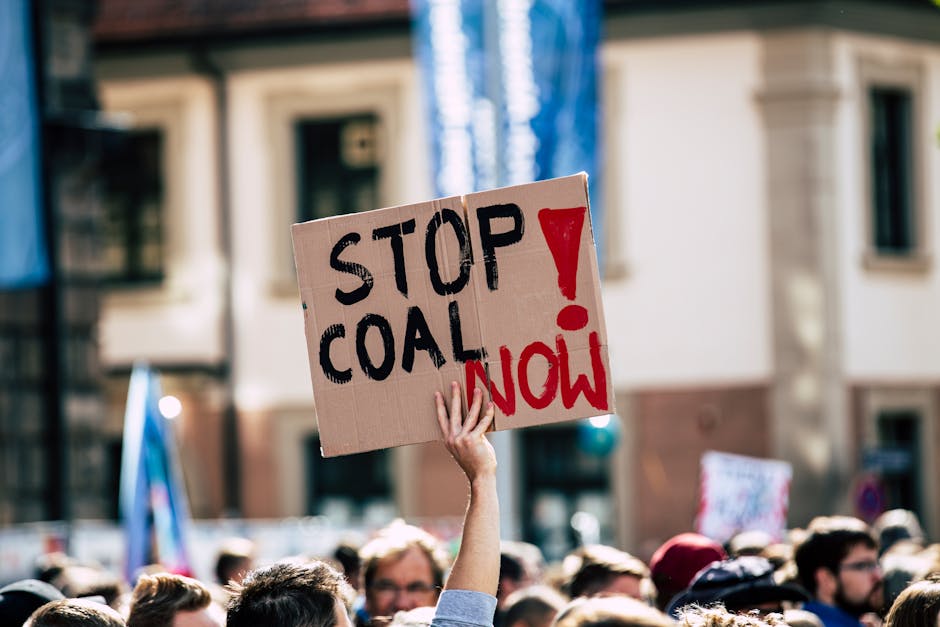
The tactics employed by activists are diverse and adaptive. Beyond direct appeals, they engage in public awareness campaigns, community organizing, and, when necessary, direct action to disrupt operations and draw attention to their cause. The aim is to create a sustained pressure campaign that makes it increasingly difficult and costly for coal interests to proceed. This includes building a strong public narrative that highlights the human cost of coal pollution and the potential for a cleaner, healthier future. The plea to the private equity executive is a sophisticated element of this broader strategy, recognizing that financial power is a critical lever in overcoming the entrenched interests that favor coal exports.
The challenge remains immense. Private equity firms are sophisticated financial actors, accustomed to navigating complex markets and regulatory environments. Their primary objective is financial return, and any argument against coal exports must ultimately demonstrate a compelling economic rationale for pursuing alternative investments. However, the growing awareness of environmental, social, and governance (ESG) factors in investment decisions, coupled with the increasing visibility of climate-related financial risks, is creating new avenues for activist engagement. By clearly articulating these risks and offering viable, sustainable alternatives, activists are hoping to persuade the private equity executive that the future of Oakland, and indeed the planet, is better served by keeping coal in the ground and out of its port. The uphill battle continues, but the strategic focus on the financial architects of the project represents a significant evolution in the fight to protect Oakland from the detrimental impacts of coal exports. This direct appeal to the private equity executive is a testament to the innovative and persistent efforts of the activists to secure a healthier and more sustainable future for their community.