Georgia Power Customer-Identified Resource Program Signals Major Shift in Corporate Clean Energy Procurement

The approval of Georgia Power’s new Customer-Identified Resource (CIR) program by the Georgia Public Service Commission marks a significant turning point in how large-scale energy consumers interact with regulated utilities. On April 7, the state’s primary energy regulator voted with bipartisan support to greenlight a program that allows commercial and industrial customers to take a direct role in the development and funding of clean energy projects. This initiative, expected to launch by the summer of 2024, addresses a long-standing friction point between corporate sustainability goals and the traditional utility model, which often relies on a centralized decision-making process for energy generation. By permitting companies to identify and finance their own renewable energy resources, Georgia Power is providing a mechanism for "additionality"—the concept that corporate investment directly results in new clean energy being added to the grid, rather than simply reshuffling existing resources.
The Evolution of Corporate Energy Demands and Grid Constraints
For over a decade, major corporations have faced increasing pressure from investors, consumers, and regulatory bodies to reduce their carbon footprints. Many of the world’s largest companies, including those with a significant presence in Georgia such as Microsoft, Google, and Meta, have committed to 100 percent renewable energy targets. However, achieving these goals has proven difficult in states with vertically integrated utilities like Georgia Power. Under this traditional model, the utility owns the generation, transmission, and distribution of electricity, and the Public Service Commission (PSC) determines the "resource mix"—the balance of coal, natural gas, nuclear, and renewables.
Because utilities must prioritize grid stability and cost-effectiveness for all ratepayers, they have historically been slow to pivot away from fossil fuels. While Georgia Power has integrated significant amounts of solar energy over the last several years, its portfolio remains heavily weighted toward natural gas and coal. For a corporation with a 2030 net-zero goal, the pace of utility-led decarbonization often lags behind their corporate mandates. This has led to a paradoxical situation where companies operating in Georgia were forced to look elsewhere to meet their green energy requirements.
Closing the Gap: From Texas Credits to Georgia Projects
The limitations of the previous system are best illustrated by the energy procurement strategies of major industrial players in the state. Hyundai, which is currently constructing a massive "Metaplant" for electric vehicle production near Savannah, recently made headlines by purchasing renewable energy credits (RECs) from solar fields in Texas. While this allows Hyundai to claim progress toward its global sustainability goals, it does nothing to decarbonize the Georgia grid or support the local clean energy economy.
Similarly, Meta (formerly Facebook) has navigated the complexities of the Georgia energy market by building its data center complex in Social Circle within the territory of an electric membership cooperative (EMC) rather than Georgia Power. This allowed Meta more flexibility to build dedicated solar fields to power its operations. For companies situated within Georgia Power’s direct service territory, such workarounds were rarely available.
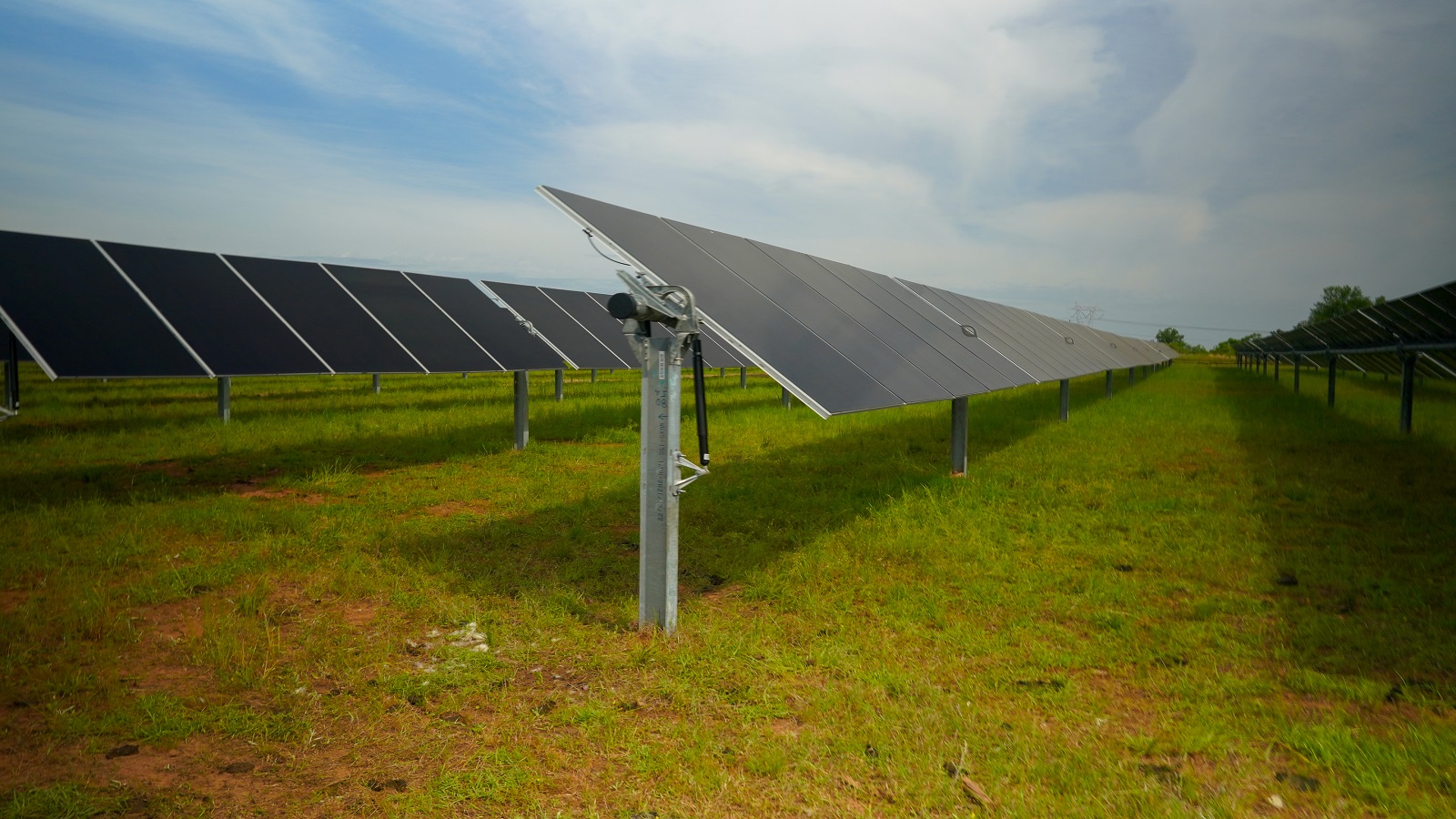
The CIR program changes this dynamic by creating a formal pathway for Georgia Power customers to bring specific projects to the utility’s grid. Under the new rules, companies can propose clean energy projects—such as utility-scale solar arrays or battery storage systems—and fund them directly. They can also choose to "adopt" projects that were proposed during the utility’s regular competitive bidding process but were not selected due to cost or capacity limits. This ensures that the projects are built within the state of Georgia, providing local tax revenue and jobs while directly cleaning the local power supply.
Structural Mechanics of the Customer-Identified Resource Program
The CIR program is designed to be inclusive, allowing for both individual large-scale projects and collaborative efforts. Priya Barua, Senior Director of Utility Partnerships and Innovation at the Corporate Energy Buyers Association (CEBA), noted that the program’s structure allows multiple customers to aggregate their demand and bring a project forward together. This is a critical feature for small and medium-sized commercial and industrial (C&I) customers who may not have the capital or the energy demand to justify a multi-megawatt solar field on their own but can achieve those goals through partnership.
The program also addresses the issue of "grid-readiness." In the past, when a company wanted to add renewable energy to the system, they were often stymied by the utility’s Integrated Resource Plan (IRP), which is updated only every three years. If a project wasn’t in the IRP, it generally couldn’t be built. The CIR program provides a "rolling" opportunity for project identification, making the grid more responsive to the rapid pace of corporate expansion and technological shifts.
A Timeline of Regulatory Shifts in Georgia
The path to the CIR program was paved by several years of intense regulatory debate. In 2022, during Georgia Power’s triennial IRP filing, clean energy advocates and corporate groups began pushing for more aggressive solar adoption. While the PSC approved a significant increase in renewable capacity, it was not enough to satisfy the projected demand from the burgeoning tech sector.
In late 2023 and early 2024, Georgia Power returned to the PSC with an "extraordinary" request to add even more generation capacity. The utility cited a massive surge in projected demand, primarily driven by the proliferation of data centers and artificial intelligence infrastructure. Georgia Power’s initial plan to meet this demand relied heavily on expanding natural gas turbines and extending the life of coal plants. This proposal met with significant pushback from environmental groups like the Southern Alliance for Clean Energy (SACE) and consumer advocates who argued that the utility was overlooking the potential of renewables and energy efficiency.
The approval of the CIR program on April 7 was a compromise of sorts. While the PSC allowed Georgia Power to proceed with some fossil fuel expansions to ensure immediate reliability, the CIR program was established as a vital "safety valve" to allow the private sector to accelerate renewable deployment.
Data and Economic Context: Georgia’s Solar Standing
Georgia currently holds a prominent position in the national renewable energy landscape, ranking eighth in the country for total installed solar capacity, according to the Solar Energy Industries Association (SEIA). As of the end of 2023, the state had enough solar capacity to power over 600,000 homes. However, much of this growth has been "utility-scale," meaning it was initiated and controlled by Georgia Power or other large providers.
The economic impact of the solar industry in Georgia is already substantial, with over $6 billion in total investment and more than 5,000 jobs. Proponents of the CIR program argue that by opening the door to customer-led projects, these numbers could grow exponentially. Furthermore, the program aligns with the federal incentives provided by the Inflation Reduction Act (IRA), which offers significant tax credits for renewable energy projects. By facilitating these projects in-state, Georgia is better positioned to capture federal investment dollars that might otherwise go to states with more flexible energy markets.
Reactions and Stakeholder Perspectives
The response to the CIR program has been largely positive, though some advocates remain cautious. Environmental groups have hailed the program as a victory for market-based decarbonization. By allowing companies to pay for their own "greenness," the program ensures that the costs of these specific projects are not shifted onto residential ratepayers who may not have the same sustainability mandates.
Priya Barua of CEBA emphasized that this model could serve as a blueprint for other states. "It provides an opportunity for the first time for these customers to be able to identify and bring projects to Georgia Power," Barua stated. She noted that the program "accelerates the clean energy projects coming to the system, which would then negate the need for natural gas and other types of generation resources down the road."
From the utility’s perspective, the CIR program offers a way to satisfy its largest and most influential customers while maintaining control over grid integration and reliability. Georgia Power has stated that it remains committed to a "diverse energy mix," but the CIR program acknowledges that the "all-of-the-above" strategy must include a more robust and flexible path for renewables.
Broader Implications and Future Outlook
The success of the Customer-Identified Resource program will likely be measured by the volume of projects proposed in its first year. If major players like Microsoft or Rivian (which is also planning a massive facility in Georgia) utilize the program to build significant renewable capacity, it could fundamentally alter the long-term energy forecast for the state.
One of the most profound implications of the CIR program is its potential to mitigate the need for new fossil fuel infrastructure. If corporate-funded solar and storage can meet a substantial portion of the new demand from data centers, the "need" for new natural gas turbines—as argued by Georgia Power in recent regulatory filings—may diminish. This would have long-term benefits for the state’s carbon emissions profile and help protect ratepayers from the price volatility associated with natural gas markets.
Furthermore, the CIR program represents a shift toward a more decentralized and democratic energy grid. While the utility still manages the wires and ensures balance, the decision of what to build and where to build it is no longer solely the province of a single corporation or a five-member commission.
As the program opens this summer, the eyes of the energy industry will be on Georgia. If the CIR program proves that corporate capital can effectively and reliably build out a state’s renewable infrastructure, it may become the standard model for regulated utilities across the United States, bridging the gap between the 20th-century utility structure and the 21st-century’s urgent climate goals.