Policy Shifts and Funding Freezes Stall Solar Energy Growth Across American Farmland

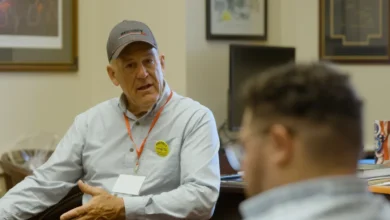
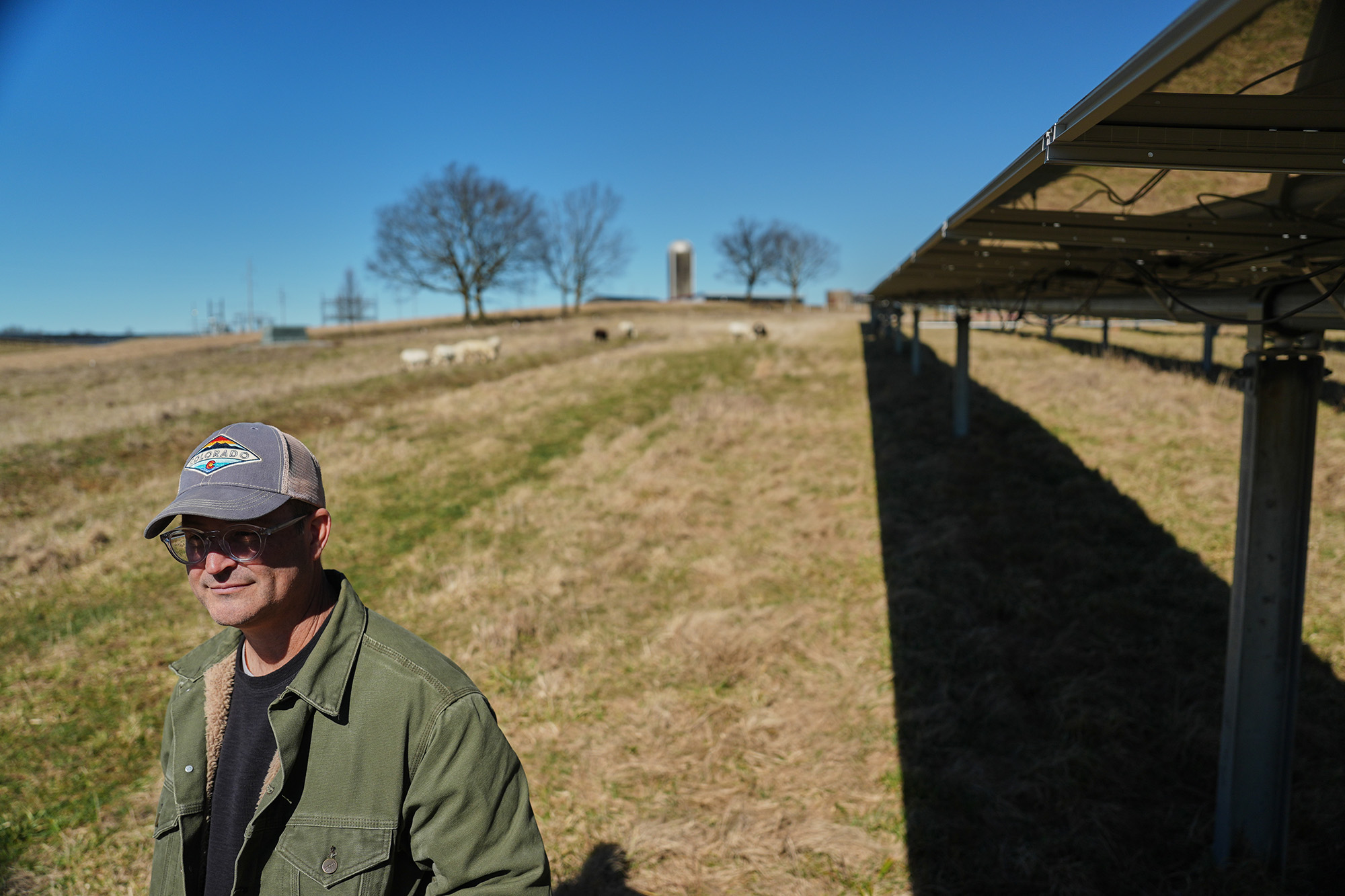
For Daniel Bell, a sheep farmer in Lancaster, Kentucky, the expansion of his flock was supposed to signal a new chapter of agricultural efficiency. As his operations grew, the necessity for a new barn became clear. However, the geographic reality of his land—situated far from existing utility power lines—presented a significant logistical hurdle. Heating and powering a remote structure required a creative solution, and for Bell, rooftop solar panels seemed like the definitive answer. The plan was not merely an environmental choice but an economic one, rooted in what Bell describes as the "freedom to lower bills and control my own assets."
To bridge the financial gap of the installation, Bell sought to utilize the Rural Energy for America Program (REAP), a cornerstone initiative of the U.S. Department of Agriculture (USDA) designed to assist rural small businesses and agricultural producers in adopting renewable energy. His ambitions were abruptly halted, however, when he discovered that federal support for the program had effectively been neutralized under the current administration’s policy shifts. Bell’s experience is not an isolated incident; it is a microcosm of a broader systemic contraction in federal support for rural renewable energy that is currently reverberating across the American agricultural landscape.
A Nationwide Halt in Rural Energy Funding
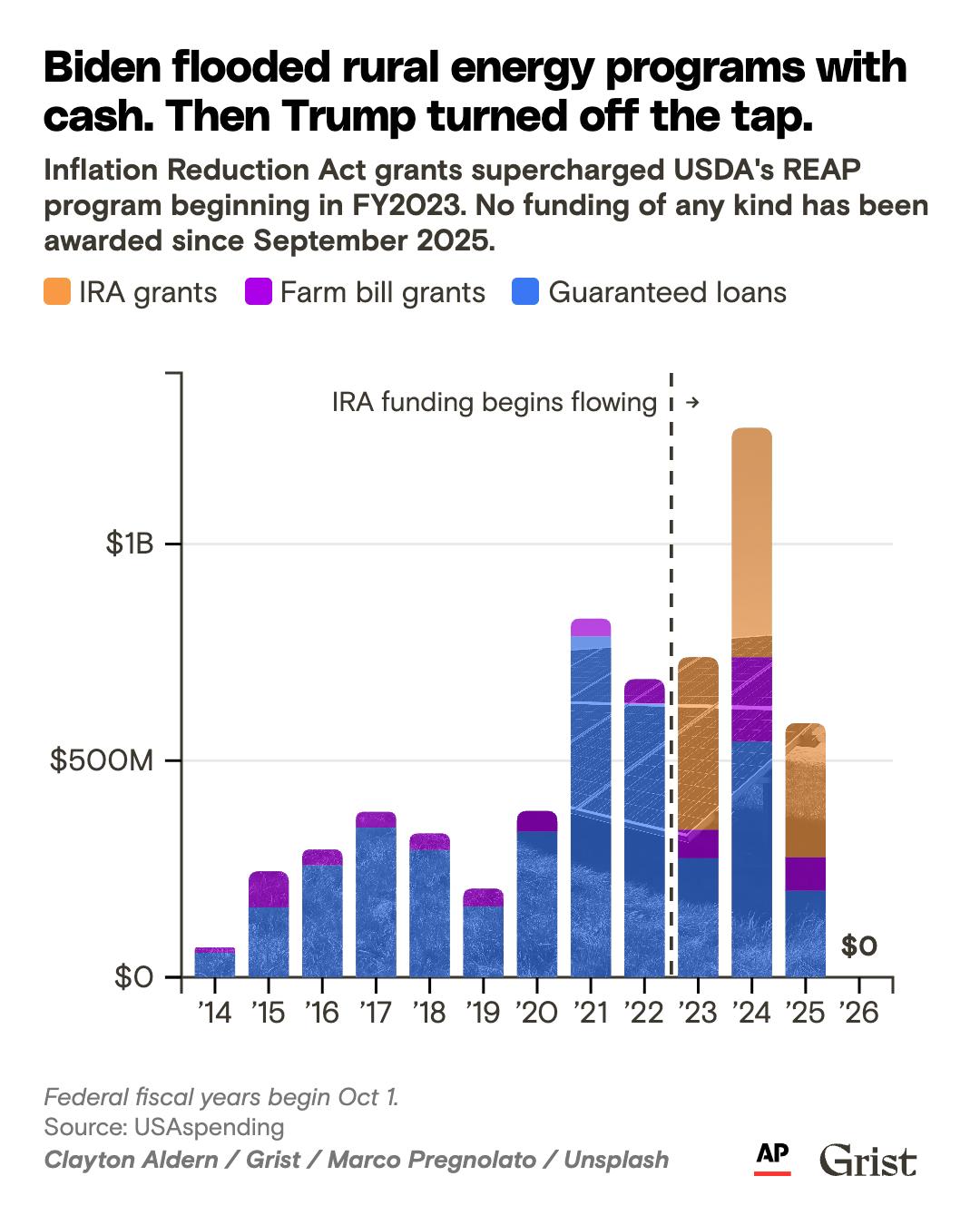
The transition in federal priorities has created a stark divergence from the previous years of aggressive investment. An extensive analysis conducted by The Associated Press and Grist, examining data from both commercial-scale solar initiatives and small-scale rural developments, reveals a significant disruption in the pipeline of clean energy projects. According to the findings, the USDA has failed to award a single dollar in rural energy grants or loan guarantees during the current fiscal year.
This funding vacuum comes at a critical juncture for American farmers, many of whom operate on razor-thin profit margins. For these producers, solar energy represents one of the few viable pathways to long-term cost reduction. By installing photovoltaic arrays on barn roofs, grain elevators, or fallow acreage, farmers can mitigate the volatility of utility prices. For others, leasing land to commercial renewable energy developers provides a steady, alternative income stream that can sustain a farm during lean harvest years.
Reporters contacted approximately 75 of the nearly 300 developers who have proposed projects on agricultural land over the past two years. The responses paint a picture of an industry in retreat or radical reorganization. While some firms are attempting to restructure their business models to function without federal subsidies, others have already reported millions of dollars in lost investments due to the sudden expiration or modification of tax credit policies.
The Evolution and Erosion of the Clean Energy Tax Credit
The legislative foundation for the modern solar industry was laid decades ago. The Energy Policy Act of 2005, signed by President George W. Bush, established a 30 percent investment tax credit (ITC) for large-scale clean energy projects. This mechanism proved remarkably durable, receiving extensions under both the Obama and Trump administrations.
The momentum accelerated significantly with the 2022 Inflation Reduction Act (IRA), which extended the tax credit through 2032 or until specific national emissions targets were achieved. However, the legislative landscape shifted again last July with the passage of a new tax bill that drastically accelerated the expiration timeline. Under the current regulations, commercial solar projects must be under construction by July 2026 or fully operational by the end of 2027 to remain eligible for the credit.
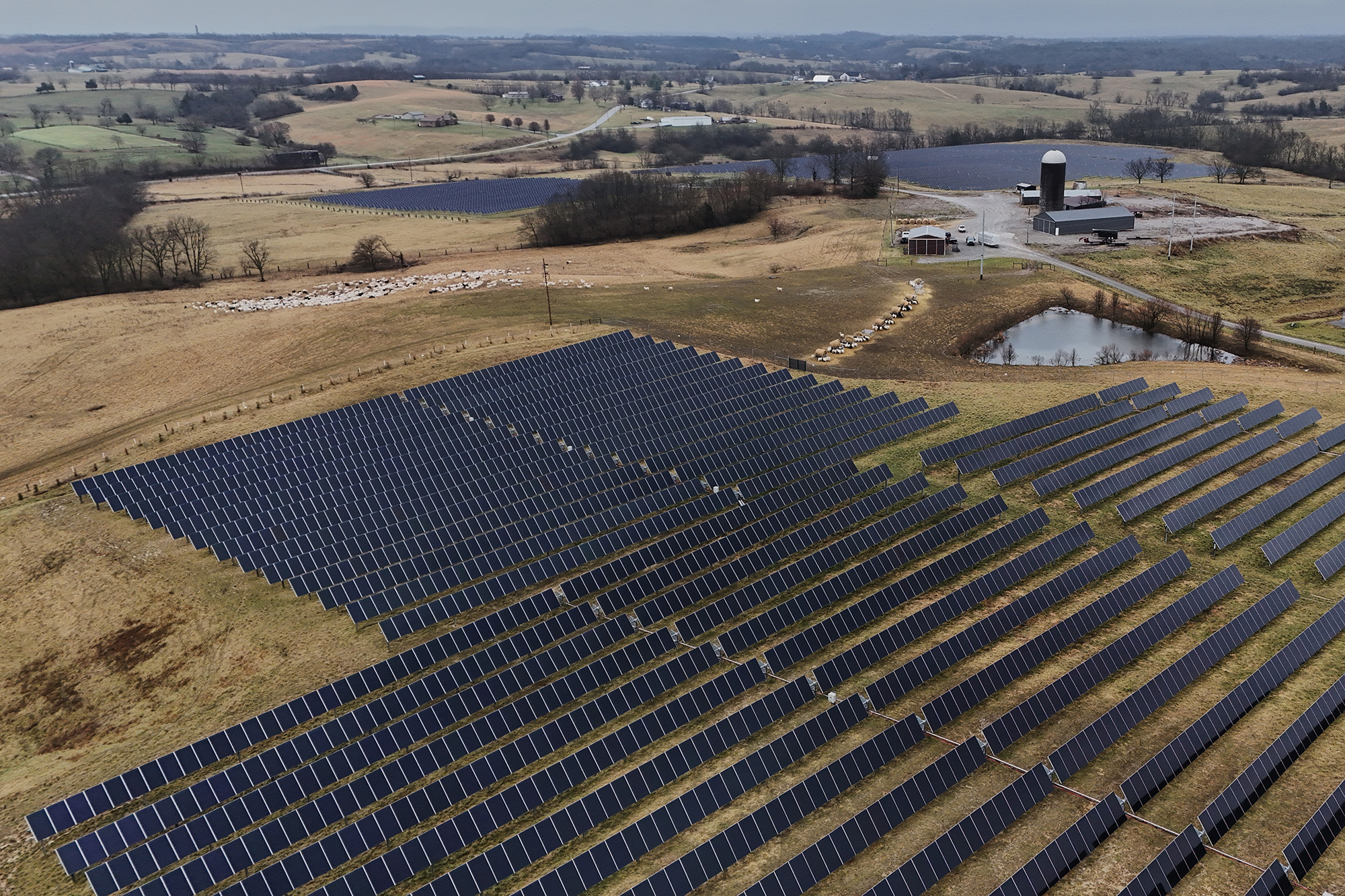
This compressed timeline has created a "cliff" for developers. The Grist and AP analysis identified at least 126 solar projects proposed since early 2024 that are currently awaiting regulatory approval. These projects, largely situated on or near agricultural land used for crops or grazing, represent a potential 20 gigawatts of electricity—enough to power approximately 4.5 million homes. For many of these projects, the regulatory backlog means they will likely miss the new federal deadlines, rendering them financially unfeasible.
Bogdan Micu, CEO of the German solar developer Alpin Sun, reported that his company was forced to abandon projects representing $6 million in initial investment in the U.S. Northeast. The projects, which would have generated 1,000 megawatts, were victims of the inability to accelerate the permitting and construction process to meet the new, more stringent cutoffs.
The Gutting of REAP: From "Supercharged" to Suspended
The Rural Energy for America Program has historically been a rare point of bipartisan agreement. Since its inception nearly 20 years ago, REAP has facilitated over 19,000 grants totaling more than $1.8 billion. It has supported everything from high-efficiency irrigation systems to massive solar arrays on poultry farms.
The program saw a massive infusion of capital via the Inflation Reduction Act, but that surge was short-lived. Following the change in administration, the USDA implemented a freeze on already-awarded grants. Elisa Lane, a flower and fruit farmer in Maryland, described the months of "extreme stress" after her $30,576 grant was frozen without explanation. Lane had already contracted a solar company for the $70,000 project, expecting the federal government to cover nearly half.
In a move that highlighted the ideological shift in Washington, the USDA eventually invited grant recipients to "voluntarily revise" their proposals. The goal was to eliminate language related to climate mandates and Diversity, Equity, Inclusion, and Accessibility (DEIA) that had been embedded in the Biden-era application process. While Lane eventually received her funds after refusing to change her proposal, many other applicants were not as fortunate.
On March 31, the USDA officially announced a suspension of all REAP grant awards. The agency stated the pause was necessary to update regulations to comply with a July executive order. While the USDA spokesperson characterized the suspension as "temporary," no timeline was provided for when applications would reopen. Furthermore, while the loan guarantee portion of the program remains technically open, data suggests no new agreements have been finalized this fiscal year.
The Regional and Economic Impact
The withdrawal of federal support is felt most acutely in states where renewable energy has become a vital part of the local economy. Robert Bonnie, the former USDA undersecretary for farm production and conservation, noted that in states like Iowa and Texas, renewables are no longer just an environmental goal—they are a financial lifeline for rural communities.
"Renewables matter for farmers’ pocketbooks," Bonnie said. "Anything you do to pull back on that is hugely problematic for rural prosperity."
The shift is also creating a divide between small-scale family farms and large-scale industrial developers. Nick Cohen, CEO of Doral LLC, a developer with 16,000 megawatts in its pipeline, noted that while the new rules are devastating for smaller players, they may inadvertently benefit massive corporations that have the capital to weather the loss of tax credits.
"All the new rules really favor the big guys like us," Cohen remarked, noting that high demand for energy—driven in part by the construction of AI data centers—ensures that large projects will still find a market, even without federal incentives.
Agrivoltaics: A Possible Middle Ground?
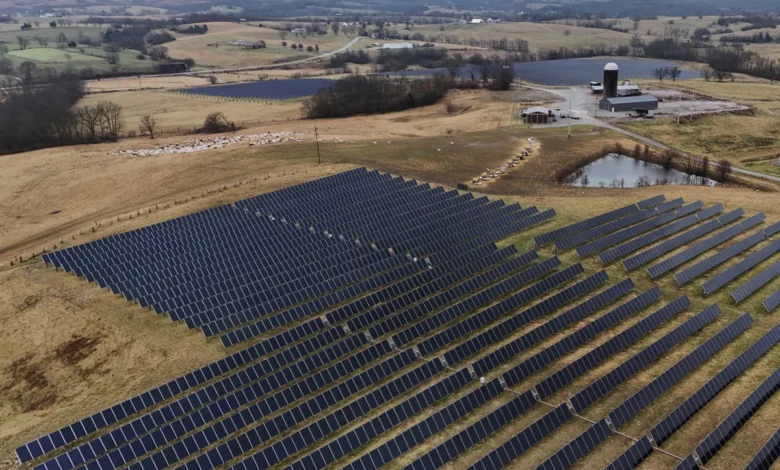
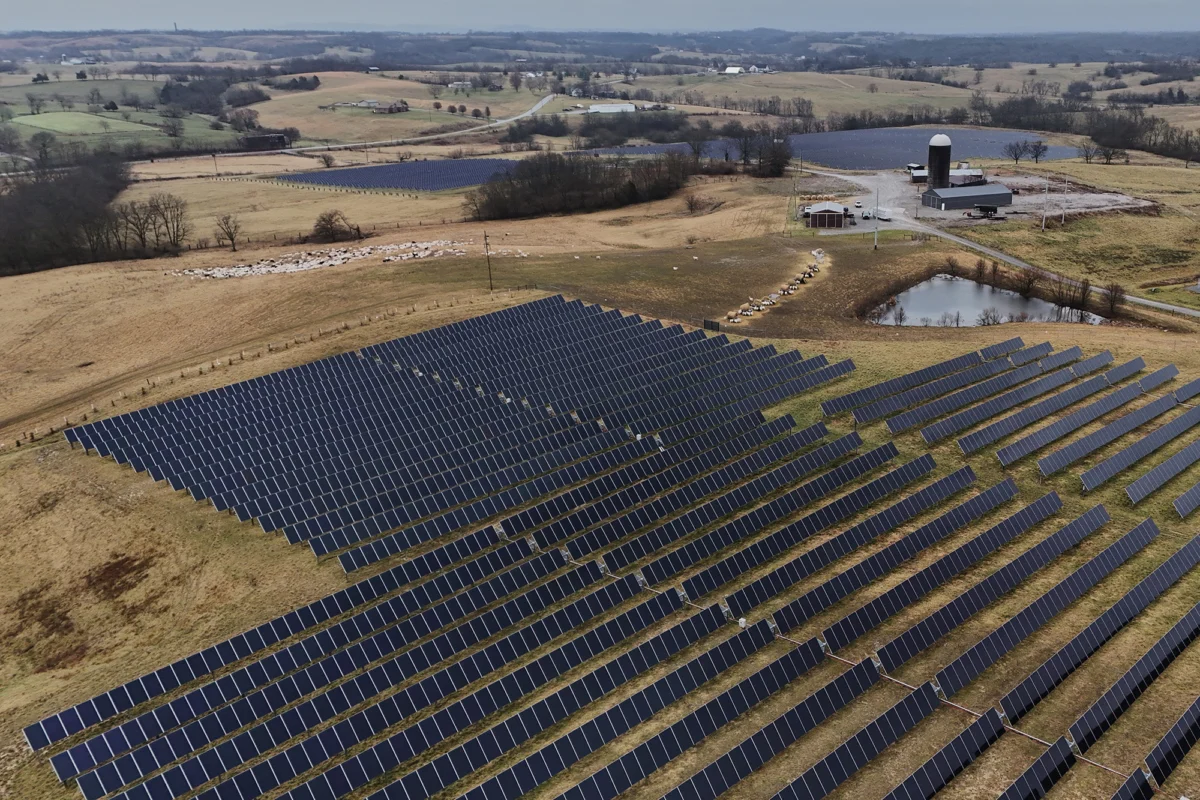
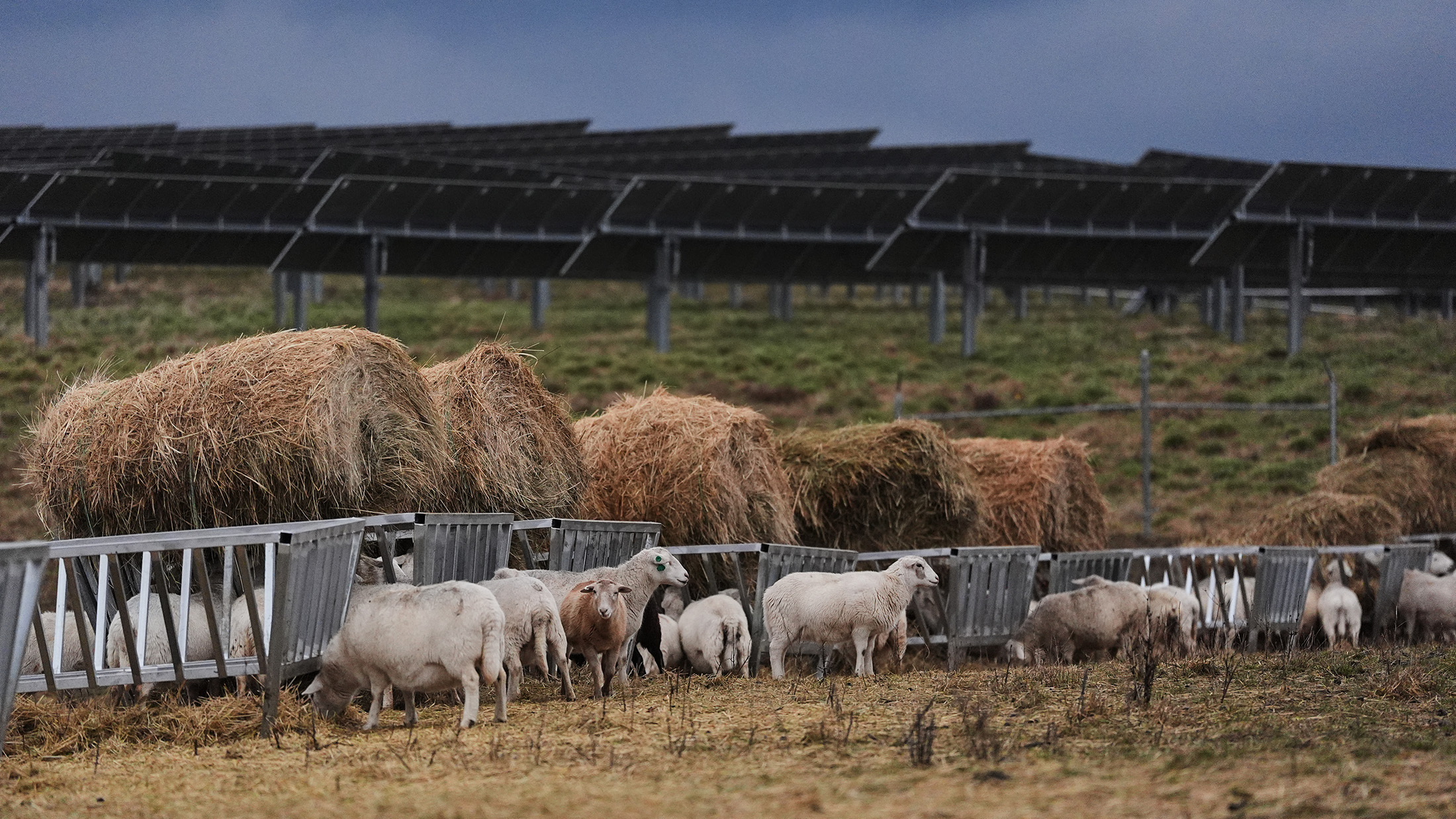
Amidst the policy turmoil, some farmers are turning to "agrivoltaics"—the practice of using land for both solar energy production and agriculture simultaneously. Daniel Bell, the Kentucky sheep farmer, found a workaround by partnering with a commercial solar operation. He now grazes his sheep beneath their panels, providing a natural lawn-mowing service in exchange for a place to build his barns and access cheaper power.
This dual-use model is often cited by experts as a way to preserve agricultural heritage while embracing energy modernization. However, agrivoltaics requires significant upfront coordination and a stable regulatory environment to thrive—two things currently in short supply.

Conclusion: An Uncertain Horizon for Rural Energy
The current state of rural solar energy in America is one of profound uncertainty. The combination of frozen grants, accelerated tax credit expirations, and shifting regulatory mandates has created a bottleneck that threatens to stifle a decade of growth.
For farmers like Tim Covert in Sheridan, New York, the stakes are deeply personal. Covert, a former dairy farmer and cancer survivor, leased 15 acres of his land for a community solar project to secure a steady income while he recovers from the side effects of his treatment. While his developer, RIC Energy, is racing to beat the July 2026 deadline, Covert remains in a state of watchful waiting.
"I don’t think they’re going to stop now, because they have quite a bit of time and money invested," Covert said. His hope is shared by thousands of rural landowners across the country, but as federal taps remain dry and deadlines loom closer, the future of the American solar harvest remains precariously balanced between legislative intent and economic reality.
Related posts: