A Historic Blue Wave: Democrats Secure Massive House Majority and Take Senate Control in Midterm Sweep

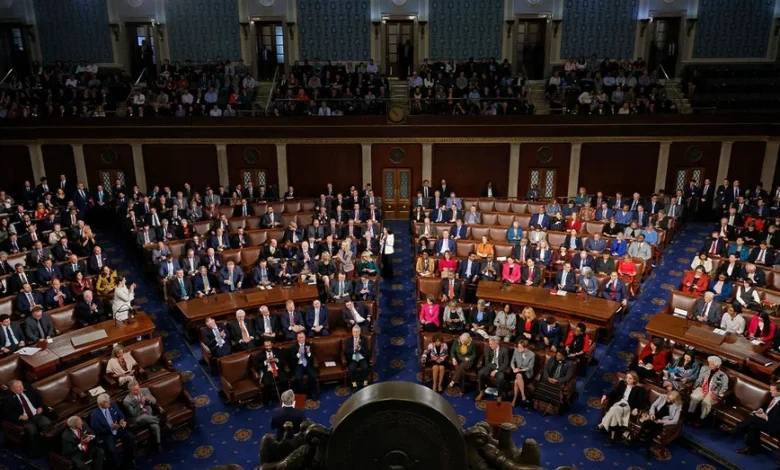
The American political landscape experienced a dramatic and seismic shift following a sweeping midterm election cycle that fundamentally rewrote the balance of power in Washington, D.C. In a electoral wave that caught political analysts and pollsters by surprise, the Democratic Party stormed back into power in the House of Representatives, securing their largest majority in the chamber since 1992. Simultaneously, Democrats captured control of the United States Senate, carving out a commanding 56-seat majority. This decisive electoral outcome leaves the Republican Party with severely diminished legislative leverage, poses a formidable challenge to President Donald Trump’s administration during the remainder of his term, and sets the stage for an intense, high-stakes legislative battle on Capitol Hill.
The sheer scale of the Democratic victory spans deep into traditionally safe Republican strongholds, testing the limits of party loyalty across the American heartland and the Sun Belt. According to final tabulations and race calls by The Associated Press, the sweeping blue tide nearly upended several of the nation’s reddest states, transforming what was expected to be a standard midterm correction into an extraordinary realignment of congressional power.
The Battle for the House: Unprecedented Gains and Major Upsets
The monumental shift in the 435-member House of Representatives was officially cemented when Democrat Chuck Hubbard defeated longtime incumbent Republican Representative Virginia Foxx in North Carolina. Rep. Foxx was not just any ordinary incumbent; she served as the powerful chair of the House Rules Committee, a formidable post that acts as the absolute gateway for determining which legislative bills reach the House floor for debate and a final vote. Her unseating served as the definitive bellwether of a nationwide electoral rejection of entrenched Republican leadership.
With nearly all general election contests finalized, Democrats have picked up a net total of 44 seats, propelling them to at least 258 seats in the lower chamber. This represents the party’s largest majority in the House in more than three decades. To find a comparable post-election advantage, one must look back to 1992, when Democrats similarly secured 258 seats following the election of President Bill Clinton. The party’s next-largest modern high-water mark occurred in 2008, when the election of President Barack Obama swept Democrats to 257 seats.
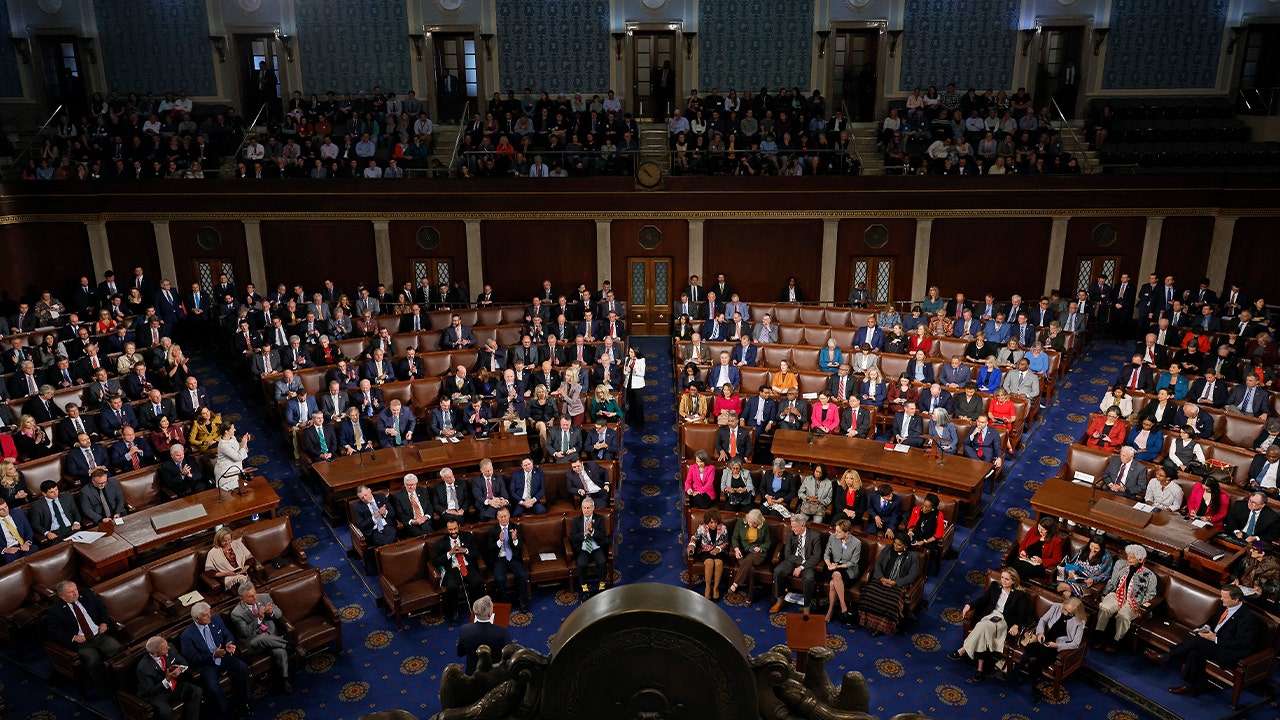
On the other side of the aisle, the Republican caucus has been reduced to at least 173 seats. As of the latest reporting, only four House races remain officially undecided, awaiting the final resolution of contests in Minnesota, Tennessee, and two high-stakes December runoffs scheduled in Louisiana.
Expanding the Map: The Senate Flips Blue
The House victory was mirrored and amplified in the upper chamber. Democrats successfully seized control of the United States Senate, engineering a robust 56-seat majority in the 100-member body. This constitutes the party’s largest advantage in the Senate in over a decade.
The scope of the Democratic advance extended far beyond traditional battleground territory. Democratic candidates scored historic, unexpected victories and remarkably close finishes in historically competitive states and deep-red Republican strongholds alike. States such as Texas, Georgia, Kansas, Iowa, Ohio, Maine, North Carolina, and South Carolina saw unprecedented voter turnout and shifting allegiances that brought the map into play in ways few anticipated heading into election night. Election data released in the wake of the vote revealed that the blue wave came perilously close to flipping several foundational conservative bastions, forcing Republican strategists to re-evaluate their regional coalitions and messaging.
Chronology of the Shift and the Path to the Midterms
The road to the 2026 midterm elections was defined by persistent economic anxiety, debates over healthcare policy, and widespread public scrutiny of the legislative agenda pursued by the executive branch. Throughout the early months of the election year, public opinion polling indicated a volatile electorate. Republicans, holding a narrow majority in the House and facing a polarized Senate, sought to run on their legislative achievements regarding economic growth, deregulation, and border security.
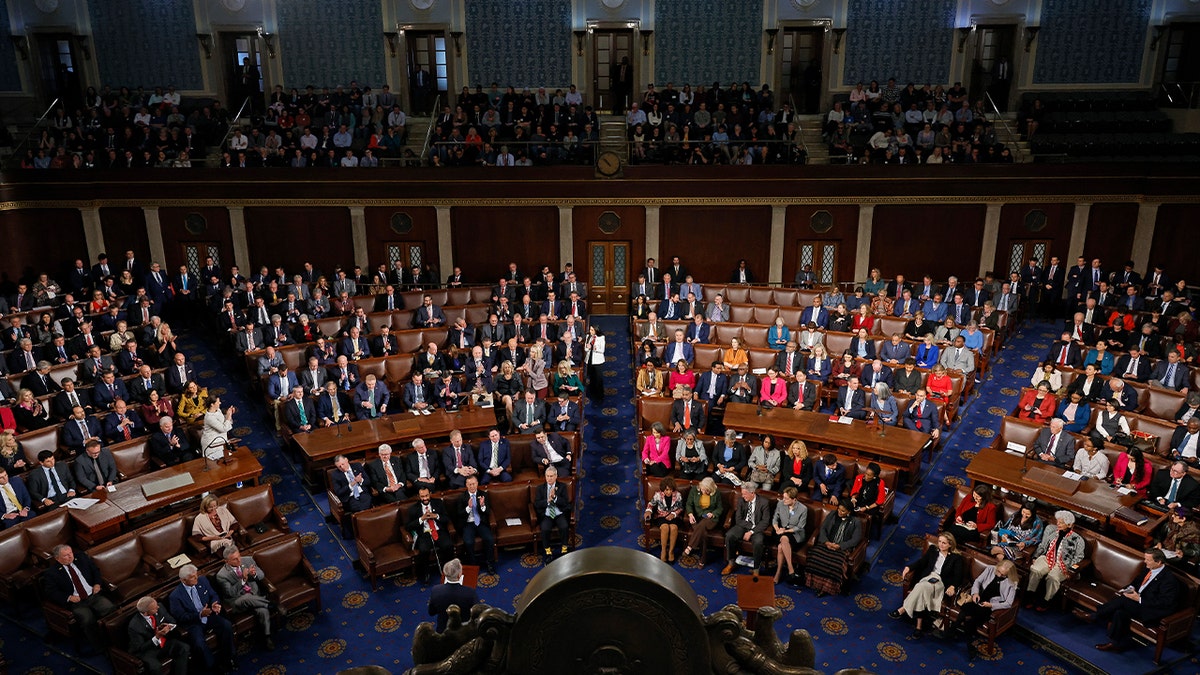
However, as the campaign seasons heated up during the summer and early fall, ground-level enthusiasm shifted noticeably. Grassroots Democratic organizations mobilized around issues concerning federal healthcare protections, reproductive rights, and the preservation of foundational entitlement programs. Early voting totals in October signaled unusually high turnout, particularly among suburban voters and demographic groups that had drifted away from the Democratic coalition in previous cycles.
On election night, early returns from the East Coast immediately signaled trouble for the incumbent Republican majority. As precincts reported, the momentum snowballed into a cascade of Democratic pickups across the Rust Belt, the Sun Belt, and rural suburban districts. By the following morning, statistical models confirmed that the House had not only flipped, but had done so with a historic margin of victory, culminating in the decisive North Carolina upset that sealed the chamber’s fate.
A New Political Reality for the White House
The seismic shift on Capitol Hill creates an entirely new governing reality for President Donald Trump. When the new Congress convenes in January, the executive branch will confront a fully unified Democratic legislative apparatus capable of initiating aggressive oversight, issuing sweeping congressional subpoenas, and blocking administration priorities with near-impunity.
Political analysts note that the incoming Democratic majorities are already preparing a comprehensive investigative and legislative playbook for their first 100 days in power. Top priorities on the legislative docket include rolling back key Republican policies enacted during the prior congressional terms. Specifically, Democratic leadership has signaled an intent to reverse Republican-led Medicaid funding reductions and to restore critical Affordable Care Act tax credits that were allowed to expire under the previous congressional alignment.
Furthermore, the substantial majorities in both chambers empower Democratic leadership to launch extensive investigations targeting the inner workings of the Trump administration, cabinet agencies, and associated Republican congressional allies. With subpoena power firmly in Democratic hands, committee chairs will possess the legal and procedural tools to demand documents, compel testimony, and scrutinize executive actions across the board.

Implications for the Future of American Governance
The 2026 midterm results have fundamentally altered the trajectory of contemporary American politics. By granting Democrats their largest House majority since the early 1990s alongside a commanding Senate majority, the electorate has signaled a sharp demand for institutional checks and balances.
As Washington braces for a tense period of divided government, the friction between a conservative White House and a solidly entrenched, progressive-leaning legislative branch will define the political discourse leading into the next presidential election cycle. Legislative compromise will be exceptionally difficult to forge, and the federal government faces heightened risks of budgetary standoffs and protracted political warfare. For both political parties, the aftermath of this historic blue wave demands deep strategic recalibration as they navigate a radically transformed political landscape.
Related posts: