The Hidden Path to Electrification: How Smarter Data Can Save Homeowners Thousands in Unnecessary Electrical Upgrades

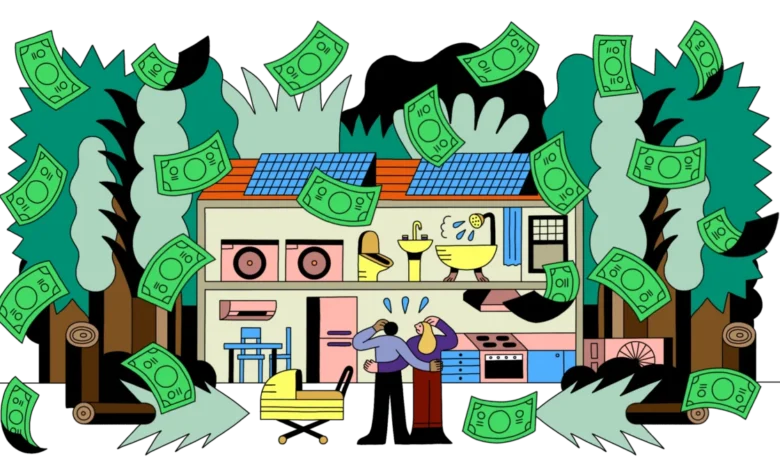
The global transition toward a low-carbon economy has turned the concept of "electrifying everything" into a cornerstone of climate policy. From residential heat pumps to high-efficiency induction stoves and electric vehicle (EV) charging stations, the shift away from fossil fuels is accelerating. However, as millions of homeowners attempt to modernize their infrastructure, they are increasingly encountering a significant, often prohibitive financial barrier: the perceived need for costly electrical panel service upgrades. While the standard narrative suggests that a home’s capacity must be expanded to accommodate new technology, recent research and a closer look at the National Electrical Code (NEC) reveal that many of these expensive overhauls may be entirely avoidable.
The Myth of Limited Capacity
A home’s electrical service is measured in amperage, or "amps," which dictates the total current available to power a residence simultaneously. For decades, the construction industry settled on 200 amps as the gold standard for new homes. However, older housing stock—which comprises a substantial portion of the U.S. residential market—often features panels rated at 100 amps or less. According to data from the Lawrence Berkeley National Laboratory, approximately one-third of American homes operate on 100-amp service, with this figure climbing to nearly 50 percent in parts of the Northeast.
When homeowners decide to install energy-intensive appliances like Level 2 EV chargers or whole-home heat pump systems, conventional wisdom—and many electricians—frequently dictate that an upgrade is mandatory to prevent circuit overloads. These upgrades involve more than just swapping out a breaker box; they often require replacing the service entrance cable, upgrading the meter socket, and occasionally requesting that the local utility provider replace the transformer serving the neighborhood. In rural areas or properties with underground wiring, these projects can easily escalate from a few thousand dollars to $20,000 or more.
The Flaw in Traditional Calculations
The tension between the desire for green upgrades and the cost of electrical capacity stems from how electricians calculate a home’s "load." Under the standard method of the National Electrical Code, the calculation is theoretical and additive. It assumes that every appliance in a home—from the toaster and hair dryer to the HVAC system and electric dryer—could potentially be drawing power at the exact same moment.
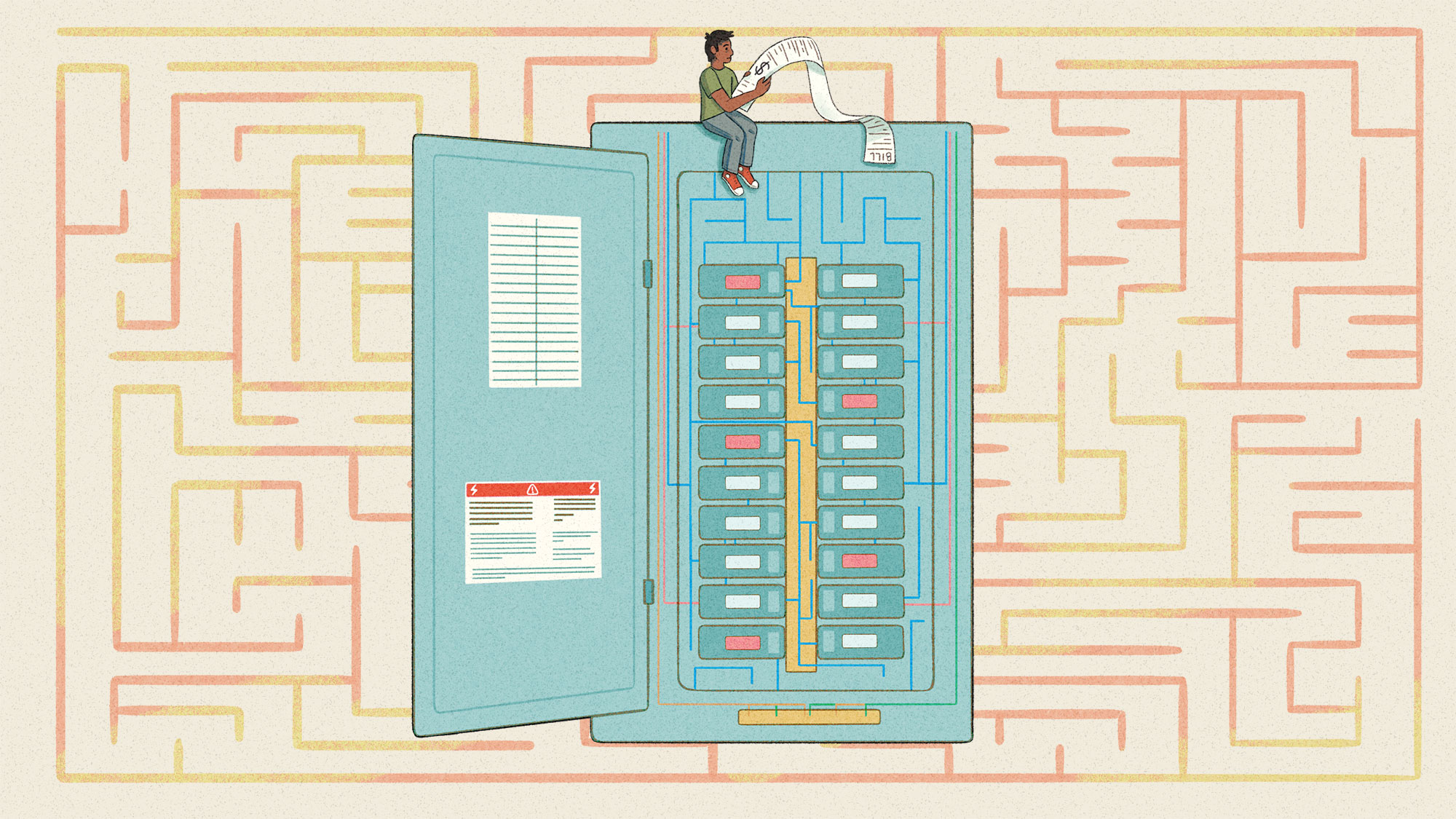
This conservative approach is designed to guarantee safety by preventing any possibility of a tripped main breaker. However, real-world usage patterns rarely mirror these worst-case scenarios. Most households exhibit significant diversity in their energy consumption; for example, an EV charger is rarely pulling its maximum load while the oven is running and the heat pump is cycling at full capacity. By relying exclusively on this "theoretical" load, many electricians inadvertently recommend costly service upgrades for homes that, in practice, use only a fraction of their current available amperage.
A Data-Driven Alternative: The 220.87 Standard
A growing movement of energy experts, engineers, and progressive contractors is advocating for a shift toward "actual load" assessments, facilitated by the National Electrical Code’s Section 220.87 (recently reclassified as 120.87). This provision allows electricians to utilize a home’s historical smart meter data—collected over a 12-month period—to determine the actual peak demand of the residence.
By analyzing this data, homeowners can demonstrate that their peak usage is significantly lower than the theoretical maximum calculated by standard methods. When this data is processed through specialized tools like the TrueLoad app, the results are often striking. In many cases, homes that were flagged as requiring a 300-amp or 400-amp service upgrade actually show a peak demand well within the safety limits of their existing 100-amp or 150-amp infrastructure.
The process, while straightforward in theory, requires access to utility data. Because most modern smart meters record usage in granular intervals, this information is readily available. However, navigating the bureaucratic layers of utility providers to obtain this data can be a challenge for the average homeowner. Experts suggest that as utilities modernize, they should prioritize providing simplified access to this "load profile" data to support the energy transition.
Industry Resistance and the Knowledge Gap
Despite the existence of Section 120.87 for decades, its adoption in the field remains inconsistent. The primary obstacle is not technological but cultural. Many electricians have spent decades operating under the standard calculation method, which is viewed as the "safe" and "by-the-book" approach. Introducing an alternative method that requires data analysis and a deeper understanding of load management can be met with skepticism.

Furthermore, the responsibility for approving these calculations rests with local building inspectors. While there is no formal restriction against using 120.87, individual jurisdictions may have varying levels of familiarity with the method. When an electrician is unwilling or unable to perform an actual load analysis, the path of least resistance is often to recommend an upgrade, effectively shifting the burden—and the cost—to the consumer.
Broader Economic and Environmental Implications
The financial impact of this knowledge gap is immense. If thousands, or potentially millions, of homeowners are unnecessarily spending between $5,000 and $15,000 for electrical service upgrades, it creates a significant disincentive for electrification. For low-to-moderate-income families, a $10,000 bill is often the difference between upgrading to a clean, efficient heat pump and remaining tethered to a failing, carbon-intensive gas furnace.
From a grid-management perspective, the implications are equally significant. If every home were to upgrade to 400-amp service, the infrastructure strain on utility transformers would be immense. By instead utilizing existing capacity and employing load-management technologies—such as smart panels that automatically shed non-essential loads during peak times—the grid can support widespread electrification without requiring massive, expensive, and time-consuming upgrades to local utility equipment.
The Path Forward: Best Practices for Homeowners
For homeowners looking to electrify, the steps to avoid unnecessary costs are increasingly clear:
- Request an Actual Load Assessment: Before signing a contract for a service upgrade, ask your electrician if they are familiar with Section 120.87 of the National Electrical Code. If they are not, suggest they review the methodology or look for a contractor who specializes in "load optimization."
- Obtain Your Data: Contact your utility company to request your last 12 months of smart meter usage data. While some utilities have cumbersome interfaces, this data is the key to proving you have the capacity to support your new appliances.
- Explore Load Management: If your home truly is near its limit, consider "load-sharing" devices. Technologies such as smart splitters allow two heavy appliances (like an EV charger and an electric dryer) to share a single circuit, ensuring they never operate at the same time. These devices are a fraction of the cost of a full service upgrade.
- Verify with Local Inspectors: Before proceeding with a project based on an alternative calculation, ensure your local building department is comfortable with the 120.87 methodology.
Conclusion: A Smarter Transition
The "electrify everything" mantra is essential for climate targets, but it must be executed with economic pragmatism. The realization that many homes have far more electrical "headroom" than traditional calculations suggest is a game-changer. By embracing data-driven assessments and modern load-management technology, the transition to a sustainable future can be made significantly more affordable and accessible for the average homeowner. The goal is no longer just to add more power, but to use the power we already have more intelligently.