Supreme Court Climate Showdown: Boulder Lawsuit Against Fossil Fuel Giants Signals Potential Shift in Environmental Litigation

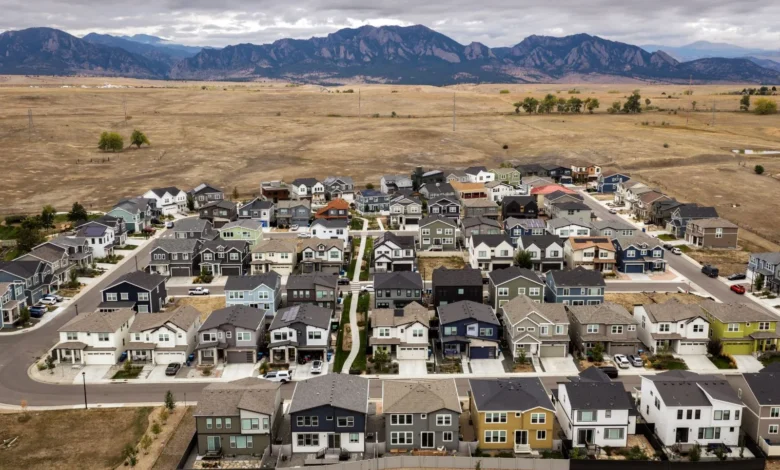
The United States Supreme Court opened its 2026-2027 term this Monday with a high-stakes legal battle that could redefine the landscape of climate change litigation in America. The case, Boulder, Colorado v. Exxon Mobil and Suncor, sits at the intersection of local governance, global climate policy, and corporate liability. At its core, the lawsuit seeks to hold major oil and gas companies accountable for the ballooning costs that local municipalities face as they contend with the increasingly severe consequences of a warming planet. With dozens of similar lawsuits winding through state and federal courts across the country, the Supreme Court’s eventual ruling in the Boulder case is widely viewed as a bellwether that could either open the floodgates for corporate litigation or effectively slam the door on local attempts to seek climate damages.
The oral arguments, spanning two hours, offered little in the way of a clear roadmap for a final decision. Instead, the proceedings were characterized by a palpable struggle among the eight participating justices—Justice Samuel Alito recused himself from the matter without public explanation—to categorize the nature of the claim. Throughout the session, justices from across the ideological spectrum pressed counsel to simplify the case, frequently asking, "Why make this argument so complex?" Yet, as the session concluded, the court remained divided on the fundamental question: Is this a matter of local tort law, or is it an unauthorized attempt to regulate global energy policy?
A Chronology of Conflict: From Local Courts to the High Court
The road to the Supreme Court has been long and contentious. The litigation began in Colorado state courts, where Boulder and other local entities argued that fossil fuel companies knowingly deceived the public about the climate impacts of their products. By the time the case reached the Supreme Court, it had already navigated a labyrinth of procedural maneuvers.
- 2018: Boulder County and neighboring jurisdictions file their initial lawsuit in Colorado state court, alleging public nuisance, strict liability, and consumer fraud.
- 2019-2024: Fossil fuel companies, led by Exxon Mobil and Suncor, spend years fighting to move the case from state to federal court, a common strategy in climate litigation meant to utilize the more restrictive federal jurisdictional standards.
- 2025: Following a series of appellate rulings, the case returns to the Colorado state court system.
- 2026: The oil and gas industry successfully petitions the U.S. Supreme Court to review the case, arguing that the precedent set by a state-level victory would create an untenable "patchwork" of regulations.
The oil and gas industry’s primary objective has been to shift the debate away from the courtroom and into the halls of Congress and the White House. They argue that climate change is a global, legislative issue that cannot be managed through the piecemeal, subjective rulings of local judges.
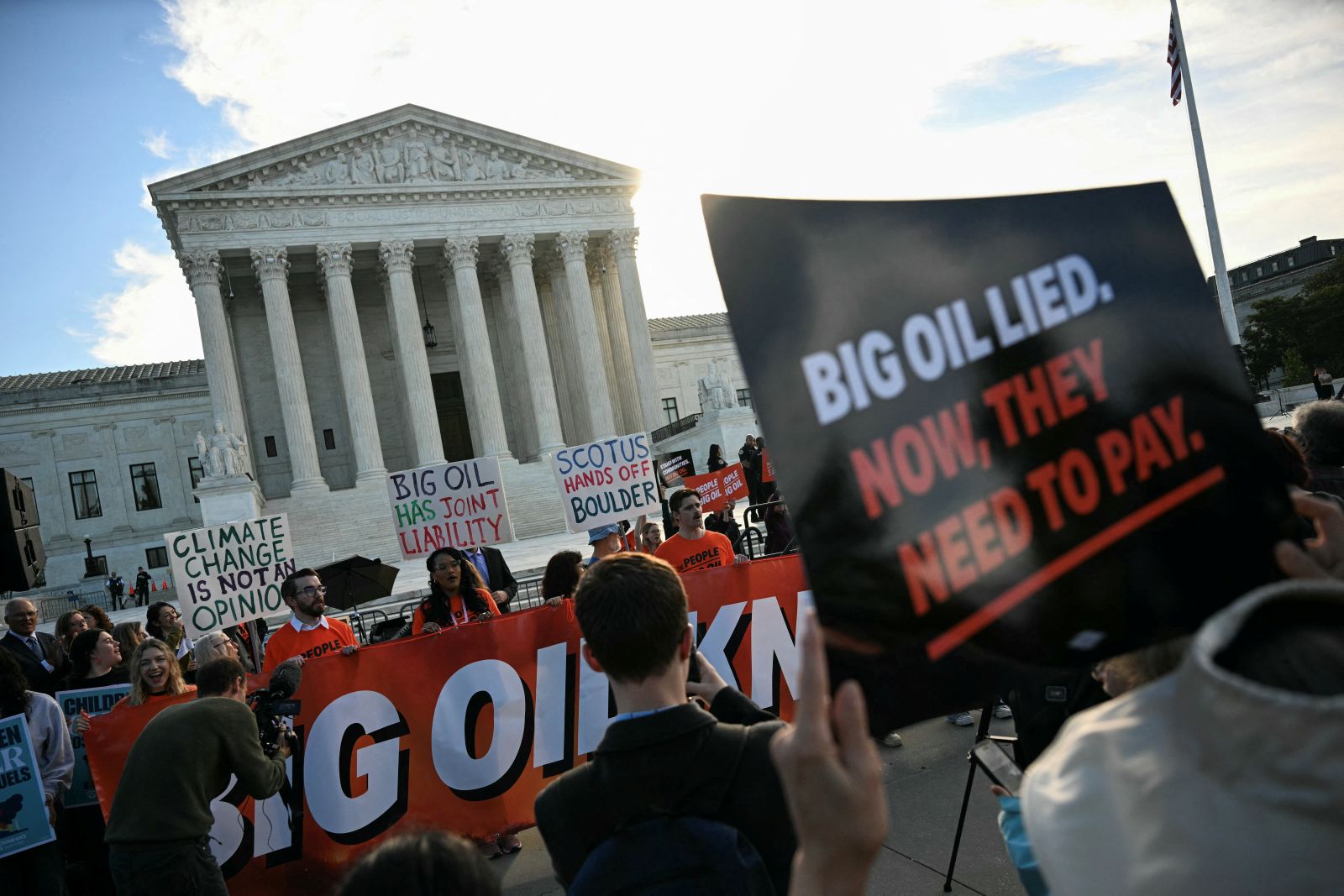
The Scope of the Liability Crisis
The data underlying the climate crisis provides the backdrop for these legal challenges. According to the National Oceanic and Atmospheric Administration (NOAA), the annual cost of weather-related disasters in the United States has reached record highs, with billion-dollar events occurring with greater frequency than at any point in the 20th century. Local governments are currently spending billions on climate-resilient infrastructure, including wildfire mitigation, flood defenses, and urban heat island management.
The Boulder lawsuit posits that these costs should be partially borne by the companies that produced and marketed the fossil fuels driving these changes. Counsel for the city, Kevin Russell, argued that this is not a campaign to halt oil production, but rather an effort to force companies to "internalize the costs" of their past deception. He drew parallels to the historic tobacco litigation of the 1990s, where states successfully sued tobacco companies to recover public health costs related to smoking, without the court order to cease cigarette production.
However, industry attorney Kannon Shanmugam countered with a stark warning. He argued that allowing state courts to adjudicate these claims would empower local jurisdictions to effectively regulate global conduct. "This case involves an unprecedented effort to use state law to regulate global conduct," Shanmugam told the court, suggesting that if Boulder wins, a citizen could theoretically sue an oil company for "nuisance" simply for purchasing gasoline in a different state. Justice Brett Kavanaugh appeared particularly sympathetic to this concern, questioning whether such a ruling could result in the bankruptcy of major energy firms and lead to economic instability.
Official Responses and Legal Perspectives
The legal community remains deeply divided over the potential implications of the case. Industry advocates emphasize the "catastrophic" potential of these lawsuits. The oil and gas industry has consistently maintained that they are providing a legal, necessary product and that any damages resulting from their use are a consequence of consumer behavior, not corporate malfeasance.
Conversely, environmental legal scholars argue that the industry’s focus on the "regulatory" nature of the case is a smokescreen designed to hide from the evidentiary findings of their own internal research. "States and local governments are trying to recoup costs related to harms from climate change in a lot of different types of lawsuits," said Erika Kranz, an attorney with Harvard Law School’s environmental and energy law program. "Whether these other cases run into trouble will depend on how justices write their decision."
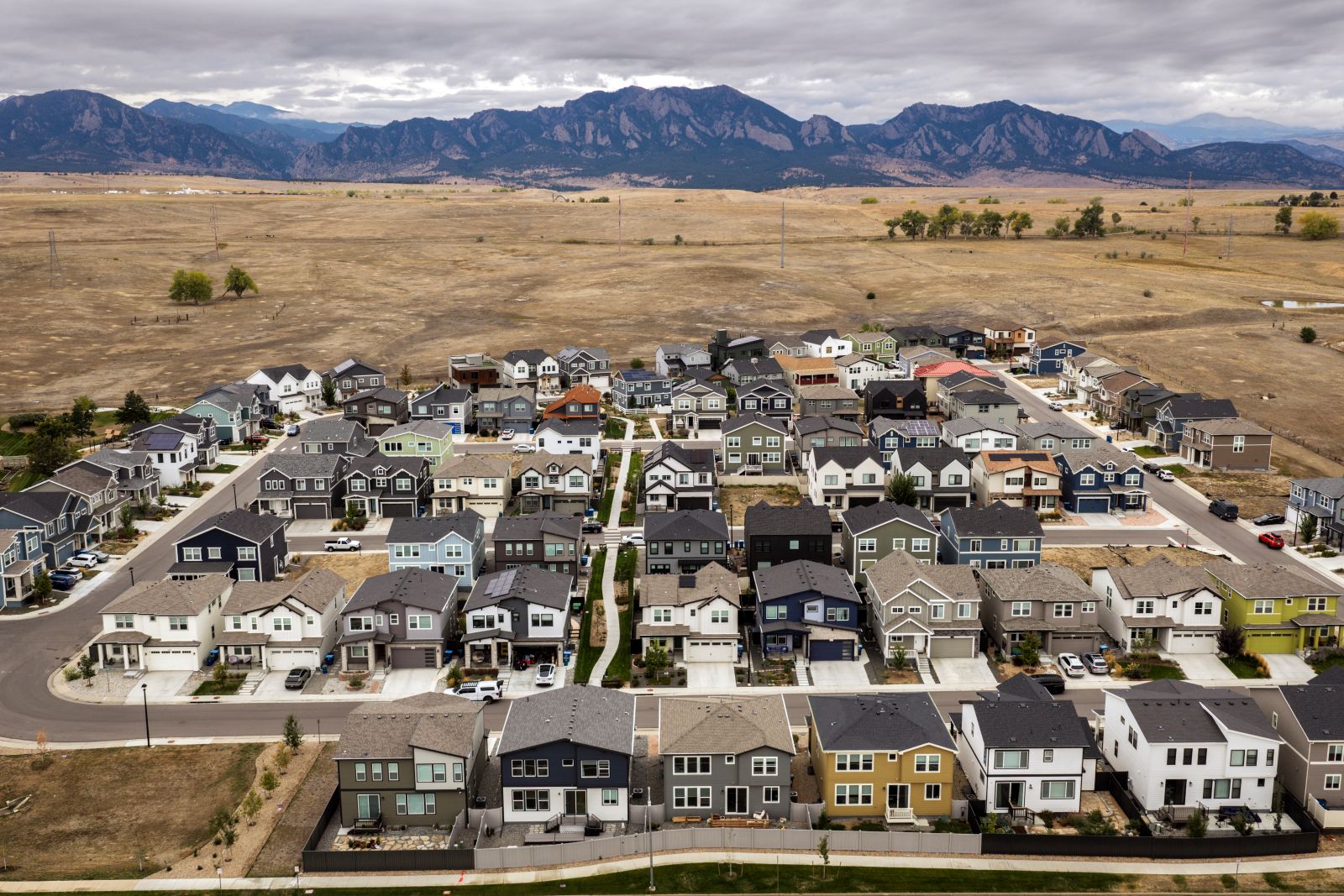
Chris Winter, executive director of the Getches-Wilkinson Center at the University of Colorado Law School, noted that the justices seem to be grappling with a fear of the "floodgates" opening. "There is a lot of concern from the oil industry, from corporate actors, and from the conservative justices about the significant consequences of these cases," Winter said. He pointed out that by framing the case as an emissions-reduction effort, the defendants have successfully shifted the court’s attention toward the potential economic fallout for the industry, rather than the documented physical destruction of communities like those in Boulder County, which were devastated by the recent Marshall Fire.
Broader Implications and Future Outlook
The Supreme Court’s eventual decision—expected in the coming months—will likely hinge on the legal rationale they choose to adopt. If the court rules that federal law preempts state claims, it would essentially insulate the fossil fuel industry from a vast majority of the pending climate lawsuits across the country. If the court instead declines to intervene, or sends the case back to Colorado on narrow procedural grounds, the industry would face years of discovery, potential jury trials, and the risk of massive, industry-altering judgments.
The implications for the energy sector are already being reflected in financial disclosures. Companies like Suncor have explicitly warned shareholders that the accumulation of these cases could have a material impact on their bottom lines. For the plaintiffs, the stakes are equally high; if they lose, they will be forced to shoulder the full, multi-billion-dollar burden of climate adaptation without the assistance of the corporations they blame for the crisis.
As the court deliberates, the case serves as a microcosm of a larger, systemic tension in American law. Can the judicial branch resolve a global, existential problem that the legislative branch has failed to address for decades? The justices’ inquiries during the opening week of the term suggest they are wary of becoming the primary arbiters of climate policy. However, by accepting the case, they have signaled that the status quo—where dozens of disparate cases proceed without federal guidance—is no longer sustainable.
Whether the court opts to protect the industry from an "unprecedented" wave of litigation or decides that local communities deserve a day in court, the outcome will fundamentally alter the power dynamic between municipal governments and the world’s largest carbon emitters. For now, the legal community waits, and the residents of Boulder, like many others across the nation, watch as the machinery of the highest court in the land weighs the cost of the climate against the future of the energy industry.