Guardians of the North: How Inuit Knowledge and BearSafe Planning are Adapting to a Changing Arctic

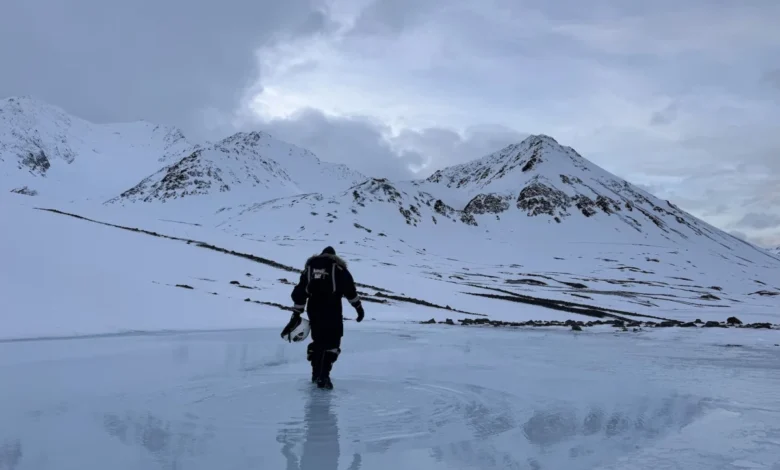
In the vast, rugged expanses of northern Labrador, the relationship between human residents and the apex predators of the region is undergoing a profound transformation. As the Arctic climate shifts, triggering the rapid depletion of sea ice, polar bears are increasingly forced to linger on land, leading to more frequent and unpredictable encounters with local communities. Amidst this environmental volatility, Derrick Pottle, an Inuk elder and former conservation officer from the Inuit community of Tikigaksuagusik in Nunatsiavut, has emerged as a pivotal figure in northern safety. Through his organization, BearSafe Planning, Pottle is codifying traditional Inuit wisdom into a formal, certified training program designed to protect both human life and the bears themselves.
The Genesis of BearSafe Planning
The origins of BearSafe Planning are rooted in the administrative and environmental shifts of the early 2000s. Following the 2005 Labrador Inuit Land Claims Agreement, the establishment of the Torngat Mountains National Park—known in Inuttitut as Tongait KakKasuangita SilakKijapvinga—created a paradox. While the park was designed to preserve the pristine wilderness of northern Labrador, it also invited a new influx of researchers, park staff, and visitors into one of the most dangerous bear habitats in the world.
At the time, there was a glaring lack of localized expertise capable of training individuals to work safely in this environment. Pottle, having spent a career in conservation, recognized that relying on outside expertise was insufficient. "They needed bear guards," Pottle recalled. "We didn’t have trainers in Nunatsiavut at the time. Somebody had to do it."
Collaborating with a diverse coalition of stakeholders, including Parks Canada, regional conservationists, Inuit elders, and academic researchers, Pottle developed a comprehensive curriculum. The program, which spans three intensive days, focuses on behavioral observation, threat assessment, and non-lethal deterrent strategies. Since its inception in 2005, the program has grown from a localized necessity into a vital professional certification that is increasingly sought after across the Canadian North.
The Climate Driver: Why Encounters are Rising
The necessity of Pottle’s work is inextricably linked to the accelerated warming of the Arctic. According to data from the National Oceanic and Atmospheric Administration (NOAA) and recent climate studies, the Arctic is warming at a rate nearly four times higher than the global average. This "Arctic amplification" has devastating consequences for the region’s biodiversity, particularly for polar bears, which rely on sea ice as a platform for hunting seals.
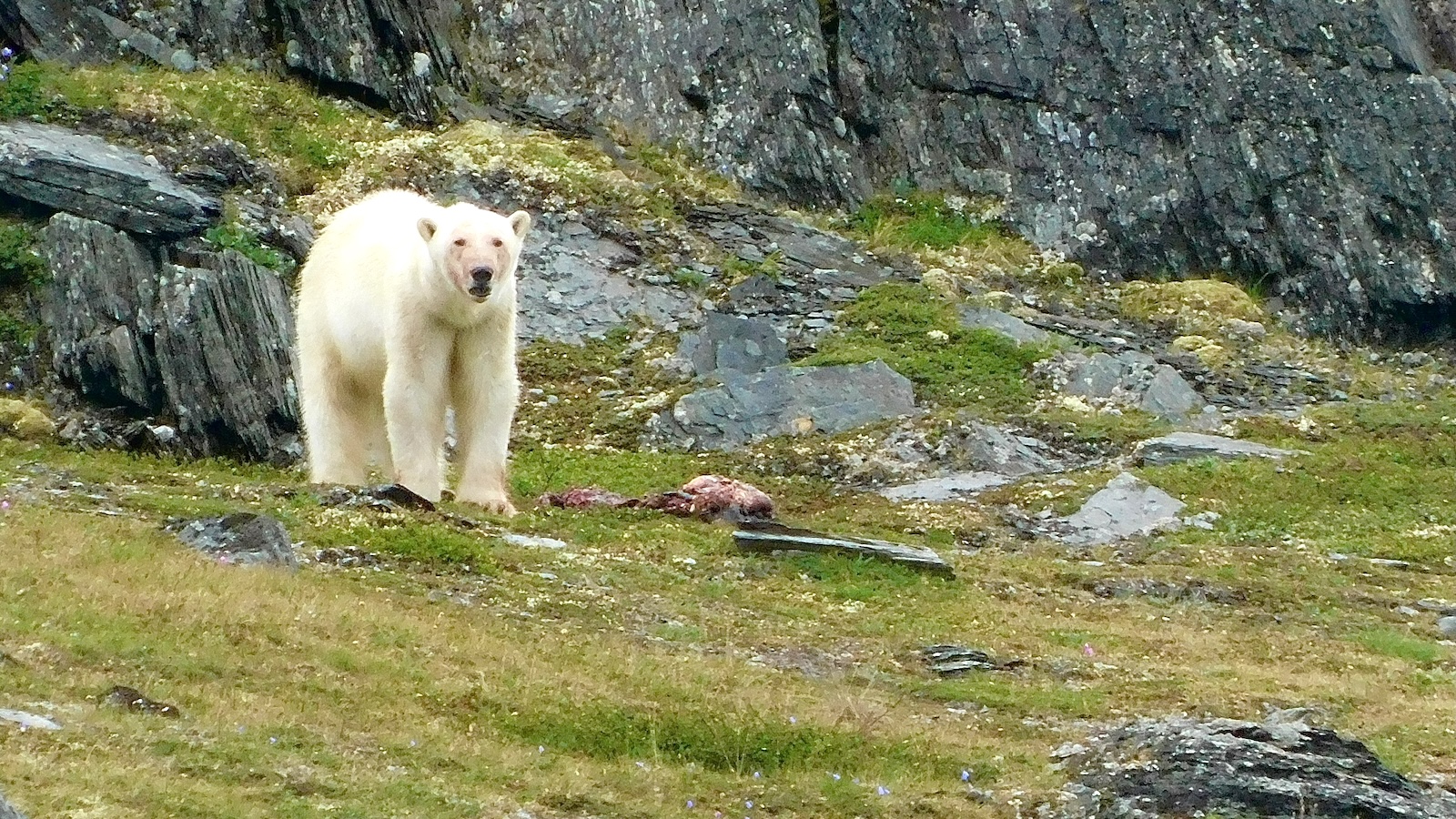
As the ice-free season extends, polar bears are spending longer periods on land, away from their primary food sources. This shift has fundamentally altered their distribution patterns. Inuit hunters and residents across the Inuit Nunangat—the four regions of the Canadian Inuit homeland—have reported sightings of bears in locations that were previously considered bear-free, as well as during seasons when bears would historically have been far out on the ice.
Canadian federal agencies, including Environment and Climate Change Canada, have officially recognized this trend. In their management assessments, officials have noted that longer ice-free durations, coupled with shifts in bear population density and increased human activity, have created a "perfect storm" for human-bear conflict. The polar bear, listed as a species of "special concern" federally and "vulnerable" under provincial legislation, is under immense stress. As their natural habitat shrinks, their proximity to human settlements becomes a matter of survival, not just for the animals, but for the safety of the communities that inhabit these remote areas.
The Anatomy of the Training: Skills and Strategy
The BearSafe Planning course is built on the premise that prevention is the most effective form of protection. Graduates are trained not only to carry deterrents but to read the subtle language of a bear’s behavior. Pottle emphasizes that a bear’s demeanor—whether it is agitated, intimidated, or predatory—must be correctly identified before any action is taken.
"They may feel threatened, they may feel intimidated, and they may even charge or attack you," Pottle explains. The training curriculum focuses on:
- Behavioral Recognition: Identifying signs of stress or curiosity in a bear before an encounter escalates.
- Situational Awareness: Establishing "safety zones" and maintaining vigilance in diverse terrains.
- Non-Lethal Deterrents: The proper use of tools and strategies to discourage bear approach without causing permanent harm to the animal.
- Group Management: Techniques for protecting researchers, tourists, or community members while on the land.
This training has transcended professional utility; many residents now take the course to ensure their own safety while hunting, fishing, or gathering at cabins with their families. Sherri Wolfrey, a resident of Tikigaksuagusik and a graduate of the program, serves as a prime example of the dual-purpose nature of this training. After taking the course, she moved from personal use to professional application, working as a bear guard in the Mealy Mountains National Park Reserve. Her experience highlights a critical takeaway: the skills acquired in the course provide a necessary layer of confidence that allows Inuit people to continue their traditional, land-based lifestyles despite the changing risks.
Economic and Social Implications
Beyond safety, the BearSafe program provides a tangible economic benefit to northern communities. In regions where job opportunities can be scarce, the certification opens doors to various sectors. Cruise ship operators, which frequently dock in Arctic waters, are now required to employ certified bear guards to accompany tourist excursions. Additionally, research teams, government agencies, and film crews operating in the North increasingly rely on these professionals to maintain safe work environments.
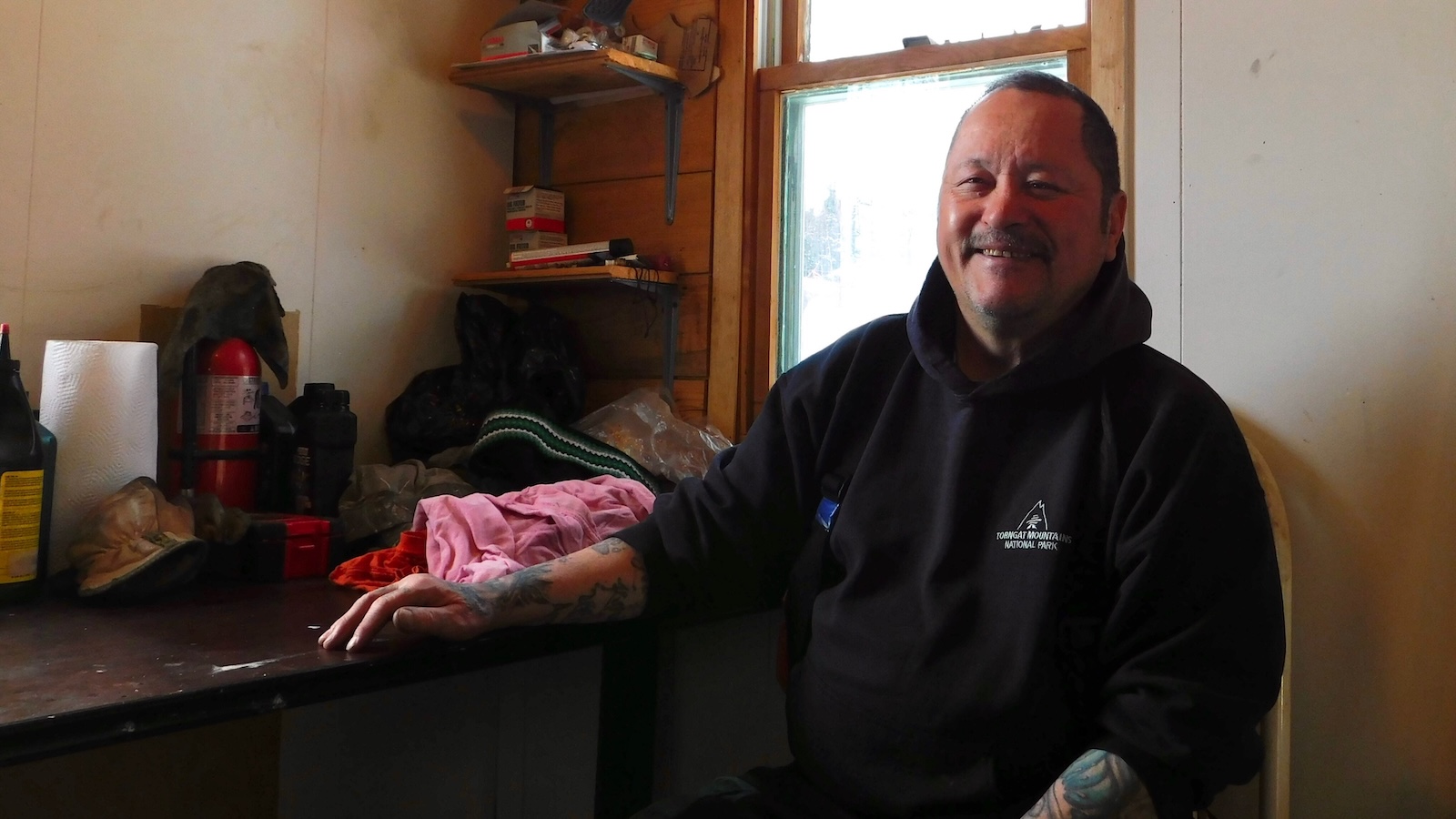
Pottle views the role of a bear guard as a legitimate, respected career path. "It’s not always easy to find employment in the North, and bear guarding can give people an opportunity to make a good living from it," he notes. By professionalizing traditional knowledge, Pottle is ensuring that the responsibility for land safety remains in the hands of those who possess the most intimate connection to it.
The Collaborative Future of Conservation
A striking aspect of Pottle’s approach is his commitment to the "two-way" nature of knowledge. While he acts as the lead instructor, he maintains that the program is a living document, constantly evolving through conversations with Elders, local hunters, and even the students themselves. This inclusion of traditional ecological knowledge (TEK) ensures that the training is not just based on Western academic models, but is grounded in the lived experience of those who have navigated the Arctic for generations.
The implications of this model are broad. As global interest in the Arctic increases—driven by research, tourism, and resource management—the conflict between human activity and wildlife is expected to intensify. The success of the BearSafe program suggests that community-led initiatives, which blend traditional insight with modern safety standards, are the most effective way to navigate the challenges of a warming planet.
For Pottle, the ultimate goal remains consistent: the preservation of human life and the ability of Inuit communities to remain connected to the land. "Our role is to keep people safe, and make sure people enjoy the land and enjoy the surroundings—and get the job done and come home safe at the end of your workday," he said. As the Arctic continues to transform, the role of the bear guard has evolved from a niche necessity to a fundamental pillar of northern resilience. Through rigorous training and a deep respect for the environment, Pottle and his graduates are ensuring that the North remains a space where both humans and wildlife can coexist, even as the landscape shifts beneath their feet.