California Leads the Charge: Why Balcony Solar is Transforming the Future of Residential Energy

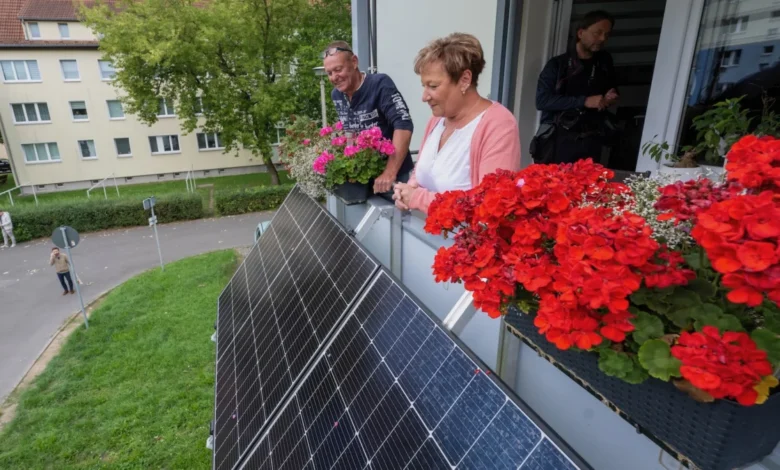
While solar energy has historically been synonymous with sprawling, expensive rooftop installations, a shift is underway that promises to democratize renewable power. For decades, the barrier to entry for solar adoption has been high: the combination of significant upfront capital, complex structural requirements, and the necessity of negotiating grid interconnection agreements with powerful utility monopolies. However, a new legislative landscape is emerging, centered on "plug-in" or "balcony" solar technology, which allows residents to harness sunlight simply by plugging a micro-inverter-equipped panel into a standard electrical outlet.
This decentralized approach to power generation is gaining critical momentum. On Wednesday, California Governor Gavin Newsom signed landmark legislation—Senate Bill 868—effectively authorizing the use of plug-in solar arrays across the nation’s most populous state. This move, which follows similar legislative efforts in states like Utah and Maine, signals a major pivot in how urban environments and renters can participate in the green energy transition.
The Evolution of Residential Solar: From Rooftops to Outlets
The solar industry has seen a remarkable trajectory over the last decade. According to data from Our World in Data, the cost of solar photovoltaic (PV) modules has plummeted by approximately 90 percent since 2014. Despite this massive price reduction, the "soft costs" of residential solar—such as permitting, labor, and the necessary electrical system upgrades for older homes—have kept traditional solar installations out of reach for millions, particularly renters and residents of multi-family housing units.
Balcony solar bridges this gap by decoupling energy generation from traditional, permanent rooftop systems. These systems typically consist of one or two panels paired with a micro-inverter that converts DC electricity into AC, which is then fed directly into the home’s existing circuitry. Because these units are portable and do not require complex grid modifications, they represent a "plug-and-play" solution that can move with a tenant from one apartment to another.
Legislative Milestones and the California Precedent
The passage of SB 868 in California is widely viewed as a watershed moment for the sector. State Senator Scott Wiener, the bill’s primary sponsor, emphasized that the legislation’s core achievement is the removal of the bureaucratic "red tape" that has historically stifled small-scale adoption. By bypassing the need for individual interconnection agreements with utility giants like Pacific Gas and Electric (PG&E), the bill lowers the administrative burden for residents to near zero.
This legislation arrives at a time when utility prices are on a persistent upward trend across the United States. As consumers grapple with volatile energy costs, the appeal of balcony solar lies in its immediate return on investment. Analysts suggest that while these systems generate only a fraction of the energy produced by a full rooftop array, they can save households hundreds of dollars annually, with typical systems paying for themselves within a four-year window.
Reimagining the Electrical Grid: A Distributed Network
The rise of plug-in solar represents more than just a consumer convenience; it is a fundamental reconfiguration of the electrical grid. Historically, the grid has operated on a top-down, centralized model: utilities burn fossil fuels or utilize large-scale renewables to push electricity to the end-user. When demand spikes—such as during a heatwave—utilities must ramp up production, often relying on carbon-intensive peaker plants.
Renewable energy, however, operates on a variable schedule. As solar production wanes during sunset and wind patterns shift, the grid requires increased flexibility. By integrating thousands of small, distributed energy sources into the residential sector, the grid becomes more resilient. These balcony panels do not necessarily feed energy back to the utility in the way large solar arrays do; instead, they offset the home’s immediate demand. When multiplied across millions of apartment balconies, these small reductions in load significantly alleviate stress on the regional grid, particularly during peak afternoon hours when air conditioning usage is highest.
Supporting the Infrastructure of Tomorrow
This decentralization is critical as the U.S. economy undergoes deep electrification. With the rapid expansion of AI data centers, the increased adoption of electric vehicles (EVs), and the transition from natural gas to induction cooking, the demand on the electrical grid is projected to grow exponentially.
"This is one of the most immediate, concrete, and affordable things that we can do to control energy costs and protect the planet," said Bernadette Del Chiaro of the Environmental Working Group. The "twofer" she describes—individual financial relief and systemic grid stabilization—is the central argument for state-level support of the technology. Experts from organizations like Project Drawdown suggest that the most efficient way to use electricity is to generate it exactly where it is consumed, thereby reducing transmission losses and the need for expensive infrastructure upgrades.
Challenges and Future Considerations
Despite the enthusiasm, challenges remain. While the hardware itself is becoming increasingly affordable, the initial cost remains a hurdle for lower-income households. Critics and industry observers argue that for balcony solar to achieve its full potential, it must be paired with state-sponsored rebates or tax incentives. Without such financial assistance, the technology risks being limited to early adopters with disposable income.
Furthermore, there is the matter of consumer safety and standards. As these devices plug into home circuits, regulatory bodies must ensure that all hardware meets rigorous fire and safety codes. The successful integration of these systems in Germany, which has already outfitted hundreds of thousands of balconies with solar, serves as a primary case study for how to manage safety and rapid adoption simultaneously.
The Road Ahead: A National Ripple Effect
The "California effect"—the tendency for California’s environmental and energy policies to set a standard for the rest of the nation—is expected to influence future legislative agendas in other states. Industry analysts at Project Drawdown and similar climate think tanks suggest that the success of SB 868 will be a critical bellwether for the energy market.
"What happens in California is going to influence a lot of other state markets," noted Amanda Smith, a senior scientist at Project Drawdown. As states look for ways to meet aggressive decarbonization goals without placing the entire burden on utility-scale projects, the balcony solar model offers a path that engages the public directly in the transition.
As the energy landscape continues to evolve, the shift from massive, centralized power plants to a distributed, citizen-powered grid seems increasingly inevitable. By lowering the barriers to entry, California has not only enabled a new consumer market but has also laid the groundwork for a more robust, efficient, and equitable energy future. The transition to a green economy, it seems, will not just happen at the utility level; it will happen one balcony at a time.