The Great Gridlock: Congress Struggles to Balance Energy Permitting Reform with Public Skepticism Over Data Center Expansion

As senators prepare to vacate the Capitol to hit the campaign trail for the upcoming midterm elections, a high-stakes legislative drama is playing out behind closed doors. A bipartisan cohort of lawmakers is engaged in a final, frantic effort to bridge deep-seated ideological divides to pass a comprehensive energy permitting reform bill. Analysts and industry stakeholders argue that such legislation is no longer merely a matter of policy preference, but a critical necessity for meeting the nation’s exploding electricity demand.
The proposed reform aims to streamline the labyrinthine federal process for approving energy projects, from high-voltage transmission lines to natural gas pipelines and utility-scale solar farms. This push comes at a time when the United States is grappling with a "perfect storm" of energy requirements: the widespread electrification of residential and commercial sectors, a concerted federal push to reshore domestic manufacturing, and the unprecedented power consumption driven by the rapid build-out of artificial intelligence-capable data centers.
A Legislative History of Stalled Progress
The effort to modernize the federal permitting process is not new, yet it has been defined by a cycle of ambition followed by failure. For years, the status quo has been characterized by redundant federal agency reviews, protracted environmental litigation, and outdated land-use policies.
The most notable recent attempt, the Energy Permitting Reform Act of 2024, successfully cleared committee hurdles but ultimately died before reaching a floor vote. That failure served as a cautionary tale for negotiators, who are now operating under the assumption that the window for meaningful reform is narrowing as the midterm elections loom.
The current negotiations involve the highest-ranking members of the Senate’s key energy-related committees. The strategy is to craft a bipartisan compromise that satisfies the environmental requirements of the Democratic caucus while addressing the deregulation priorities of the Republican platform. However, the path remains obstructed by a lack of clarity regarding how a new permitting framework would interact with current executive branch oversight, particularly concerning renewable energy projects.
The Data Center Dilemma: A Public Relations Crisis
While Washington power brokers view permitting reform as a technical fix for grid reliability, the issue has become politically radioactive due to its inextricable link to data centers. According to public opinion research from Redbud Consulting, the term "data center" has become a toxic brand among the American electorate.
Recent polling indicates that across the political spectrum—among Democrats, Republicans, and independents alike—there is a profound, localized opposition to the construction of data centers in residential and rural communities. This creates a significant "messaging trap" for legislators. While they recognize that data centers are the primary driver of the current energy surge, explicitly tying permitting reform to their expansion is seen as a liability for candidates seeking reelection.
"If you phrase permitting reform as serving data centers, the polling results get way worse," said Alex Lundry, president of Redbud Consulting. Consequently, lawmakers are attempting to frame the legislation around broader concepts such as "energy independence," "competitive advantage," and "clean energy transition," carefully avoiding the controversial subject of Big Tech’s energy footprint.
Data Trends and the Surge in Electricity Demand
The demand for power in the United States is no longer growing at the incremental, predictable rates observed in previous decades. Data from the Energy Information Administration (EIA) highlights the scale of the challenge: solar power and battery storage installations are projected to account for nearly 80 percent of all new utility-scale power generation in 2026. Simultaneously, natural gas remains the backbone of the grid, serving as the largest source of electricity in 2025 and projected to continue its dominance as the preferred "bridge fuel" for data centers requiring 24/7 baseload power.
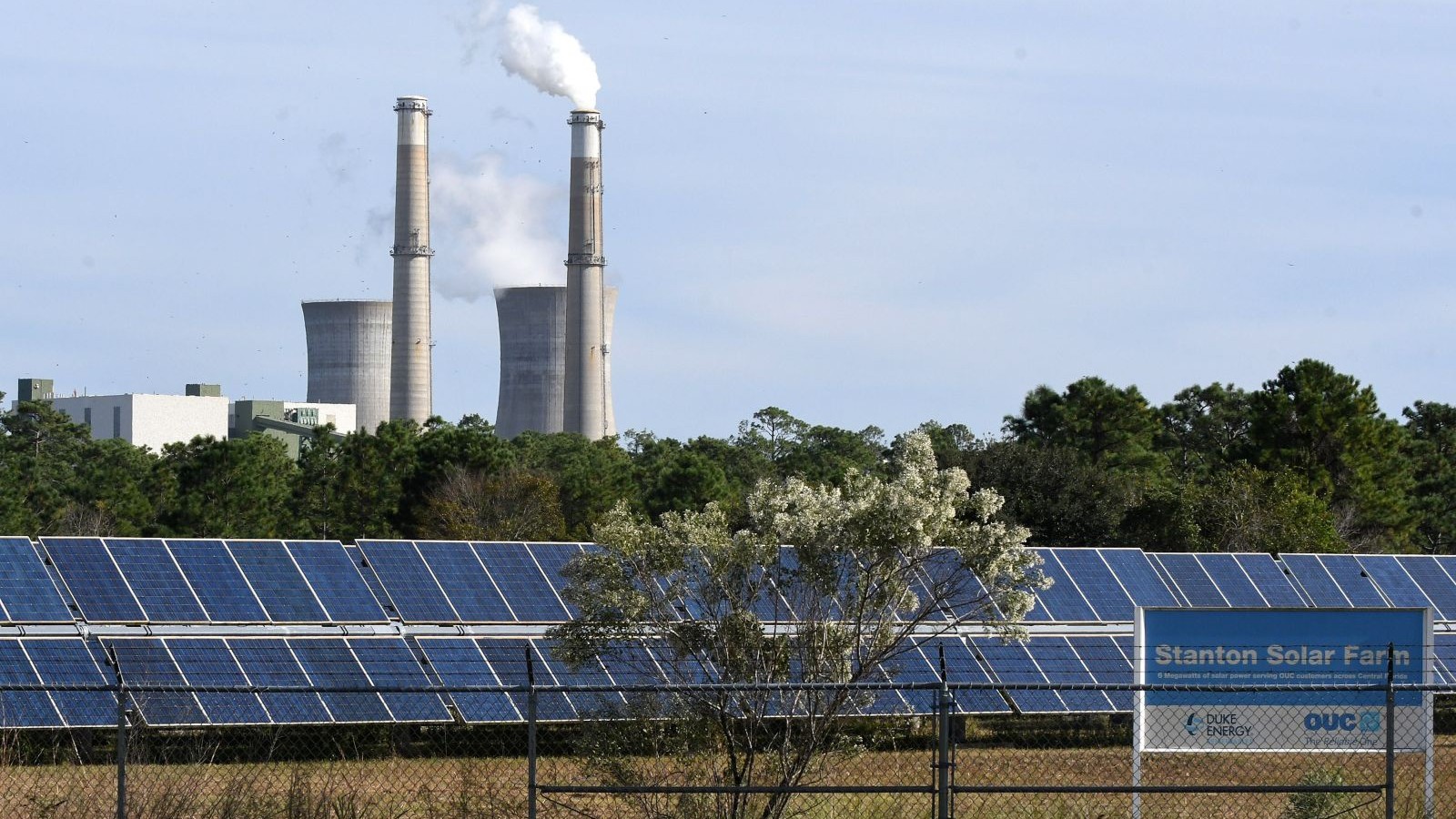
Beyond the tech industry, the "electrification of everything"—from the adoption of heat pumps and induction stoves to the massive scaling of the electric vehicle fleet—has ended the era of flat electricity demand. During the 2010s, energy efficiency gains, such as the transition to LED lighting and more efficient HVAC systems, effectively offset usage growth. Those gains have now plateaued, leaving the grid vulnerable to supply-demand imbalances.
The Geopolitical Dimension: Competing with China
A secondary, yet equally potent, driver of the current legislative push is the fear of losing the global technology race to China. In policy circles, the "energy war" is increasingly viewed through the lens of national security. Proponents of the bill, including Republican Senator Rick Scott, have characterized the current federal permitting process as a form of self-sabotage.
"While Communist China cuts corners to get ahead, a mountain of red tape has America fighting the energy war with one hand tied behind our backs," Scott stated in an August press release. This narrative of "energy dominance" is designed to appeal to hawkish voters who might otherwise be wary of industrial expansion. However, pollsters warn that the "competitiveness with China" narrative is losing its efficacy, with voters increasingly prioritizing direct economic outcomes like lowering their monthly utility bills.
The Role of Executive Oversight and Compromise
One of the final sticking points in the current negotiations is the role of the Trump administration. President Donald Trump has signaled a willingness to expedite renewable energy projects—a move aimed at enticing Democratic support for the broader permitting deal. However, deep skepticism remains within the Democratic caucus regarding the reliability of these promises.
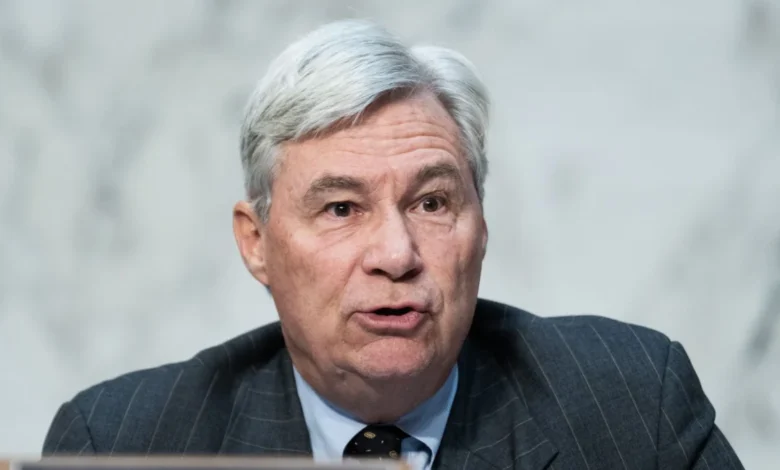
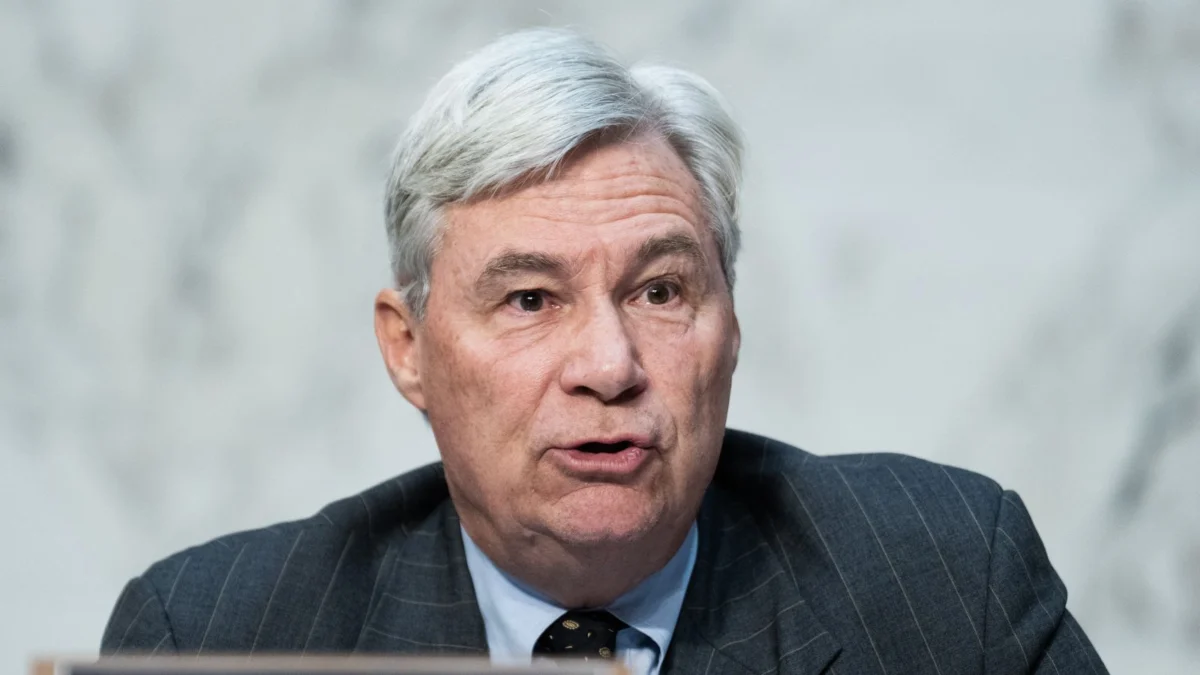
Senator Sheldon Whitehouse, the top Democrat on the Senate Environment and Public Works Committee, has been vocal about the need for concrete guarantees. "I appreciate very much what the Trump administration has done to move in this direction, but in order to brief colleagues on what this really means, we need just a bit more clarity on exactly what return to regular order for wind and solar projects looks like," Whitehouse told reporters. This lack of trust is a significant factor in the bill’s current stall.
Implications and Future Outlook
The implications of failing to pass a permitting reform bill are far-reaching. Industry leaders argue that without structural changes, the U.S. will face chronic power shortages, higher energy costs for consumers, and a potential stagnation in the growth of the manufacturing and tech sectors.
The House of Representatives has already attempted to address the issue of cost-shifting by passing a bill that would encourage states to require data centers to fund their own electrical infrastructure. While the bill is currently stalled in the Senate, it highlights the growing tension between legislative branches regarding who should bear the financial burden of grid expansion: the private corporations driving the demand or the general rate-paying public.
As the midterm elections approach, the window for consensus is rapidly closing. While the consensus in Washington is that the current permitting process is "broken," the path to fixing it remains littered with the debris of previous legislative failures. The outcome of the current negotiations will likely dictate the trajectory of American energy development for the next decade, setting the stage for a critical debate over how to balance the competing needs of a modern, digital-first economy with the environmental and social concerns of the American public.
For now, the bill remains in limbo, waiting to see if legislators can find the political courage to prioritize long-term grid stability over short-term electoral optics. Whether the project survives the post-election session will depend on the final composition of Congress and the ability of bipartisan negotiators to present a unified vision that transcends the polarizing politics of the day.