The Heat Beneath Our Feet: The Geothermal Gold Rush Powering the Future of Data Centers

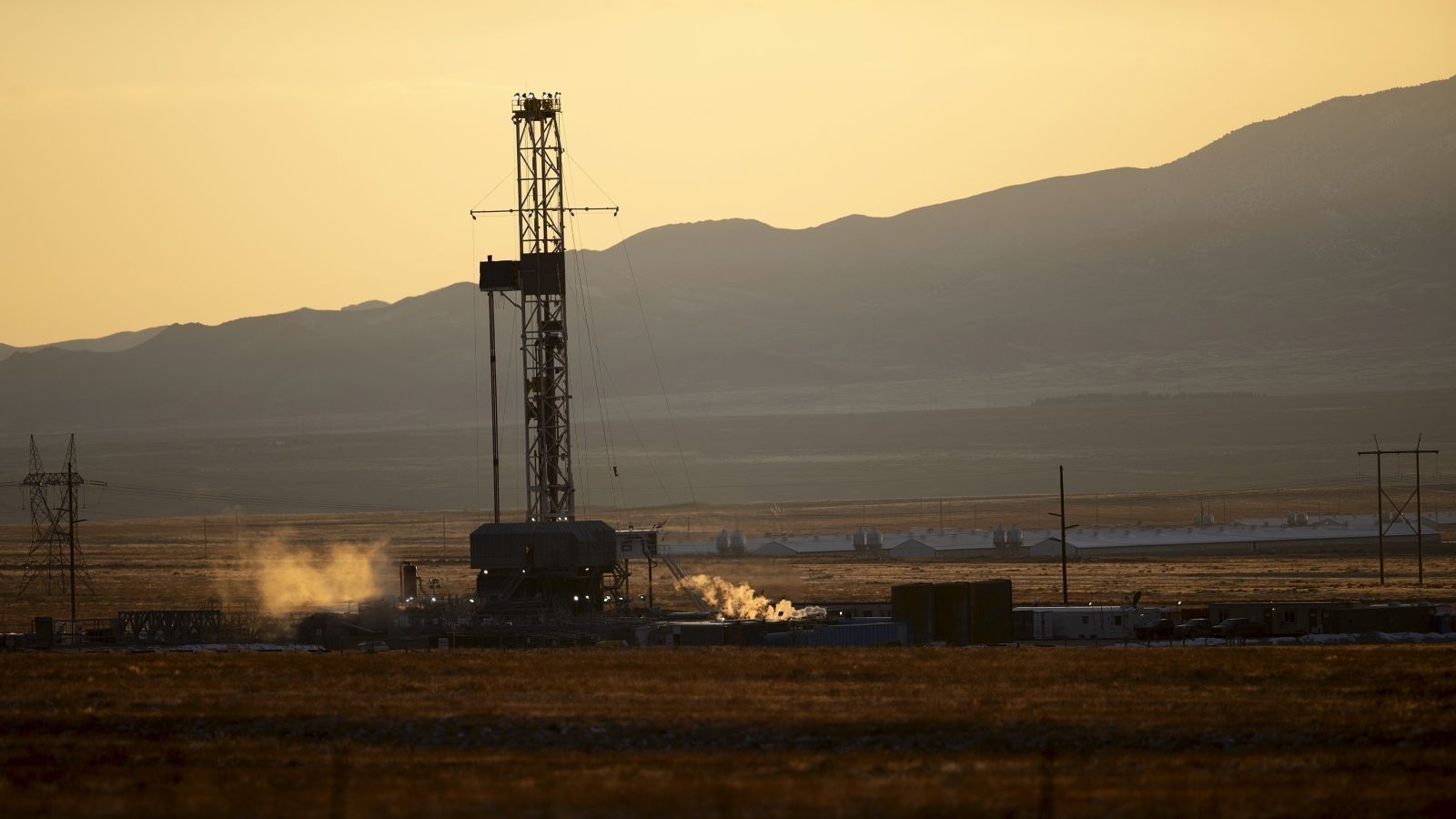
Deep beneath the craggy peaks of the Rocky Mountains, the jagged crests of the Sierra Nevada, and the arid basins that stretch between them, lies a colossal, untapped energy reservoir. This is not a fossil fuel deposit or a finite mineral vein; it is the kinetic and thermal legacy of the Earth’s tectonic activity. As the North American plate continues its slow, grinding interaction with subterranean geological structures, heat from the Earth’s core is forced upward, warming the crust to temperatures that can, with modern engineering, be harvested to provide continuous, emissions-free electricity. For decades, this resource remained a niche player in the energy market, constrained by geography and the high cost of exploration. Today, however, a burgeoning industry of geothermal start-ups is poised to revolutionize the energy landscape, driven by an unlikely partner: the energy-hungry global technology sector.
The Convergence of Tech Demand and Geothermal Innovation
The modern digital economy runs on data centers—massive, windowless facilities housing thousands of servers that process everything from streaming entertainment to complex artificial intelligence models. These facilities require constant, reliable electricity to prevent downtime, a "firm" power supply that intermittent sources like solar and wind struggle to provide without expensive, large-scale battery storage. As tech giants like Google and Meta race to fulfill ambitious corporate climate pledges, they have identified geothermal energy as the "holy grail" of carbon-free baseload power.
The shift is palpable. In a landmark deal finalized in early 2025, Google agreed to purchase 396 megawatts of power from Fervo Energy’s Cape Station facility in southwest Utah. This project alone is expected to provide enough electricity to power roughly 430,000 households, signaling a new era of corporate-funded utility infrastructure. Simultaneously, the U.S. government has seen record-shattering per-acre bids for geothermal leases on public lands, as developers scramble to secure access to the heat-rich geology of the Mountain West.
A Chronology of the Geothermal Revival
The current momentum is the result of years of technological cross-pollination. The industry has effectively borrowed the horizontal drilling and hydraulic fracturing techniques pioneered by the oil and gas industry to reach heat sources that were previously inaccessible.
- 2020–2022: Early successful pilots, such as Fervo’s "Project Red" in Nevada, prove that enhanced geothermal systems (EGS) can produce commercial-scale power, moving beyond traditional, naturally occurring hot springs.
- 2023: California’s Public Utilities Commission mandates that state utilities procure a significant share of "clean firm" energy to meet 2045 climate goals, providing the regulatory floor necessary for large-scale investment.
- 2024: Federal agencies streamline the permitting process for geothermal projects on public land, responding to pressure from both industry groups and the Biden-Harris administration’s decarbonization agenda.
- 2025: Tech giants move from pilot testing to large-scale procurement, with Meta and Google signing multi-year power purchase agreements (PPAs) that provide the long-term financial stability required for developers to break ground.
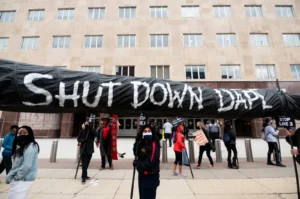
- 2026: Protests and public scrutiny regarding the water footprint of data centers intensify, particularly in drought-stricken New Mexico, pushing the geothermal industry toward more sustainable, closed-loop technologies.
The Water Paradox: A Resource in Competition
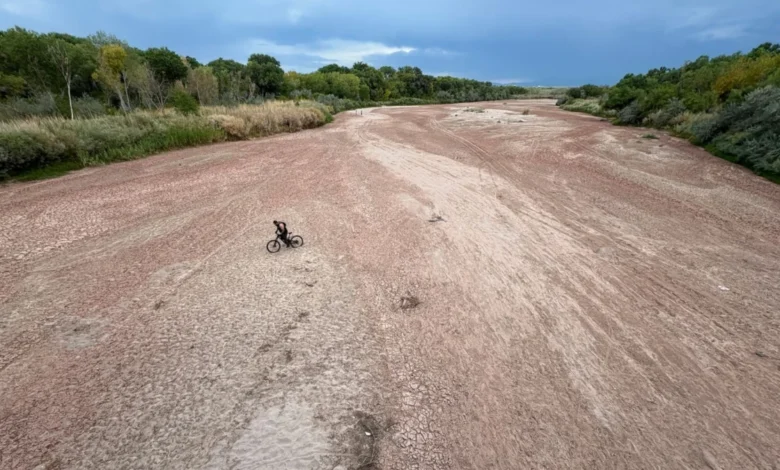
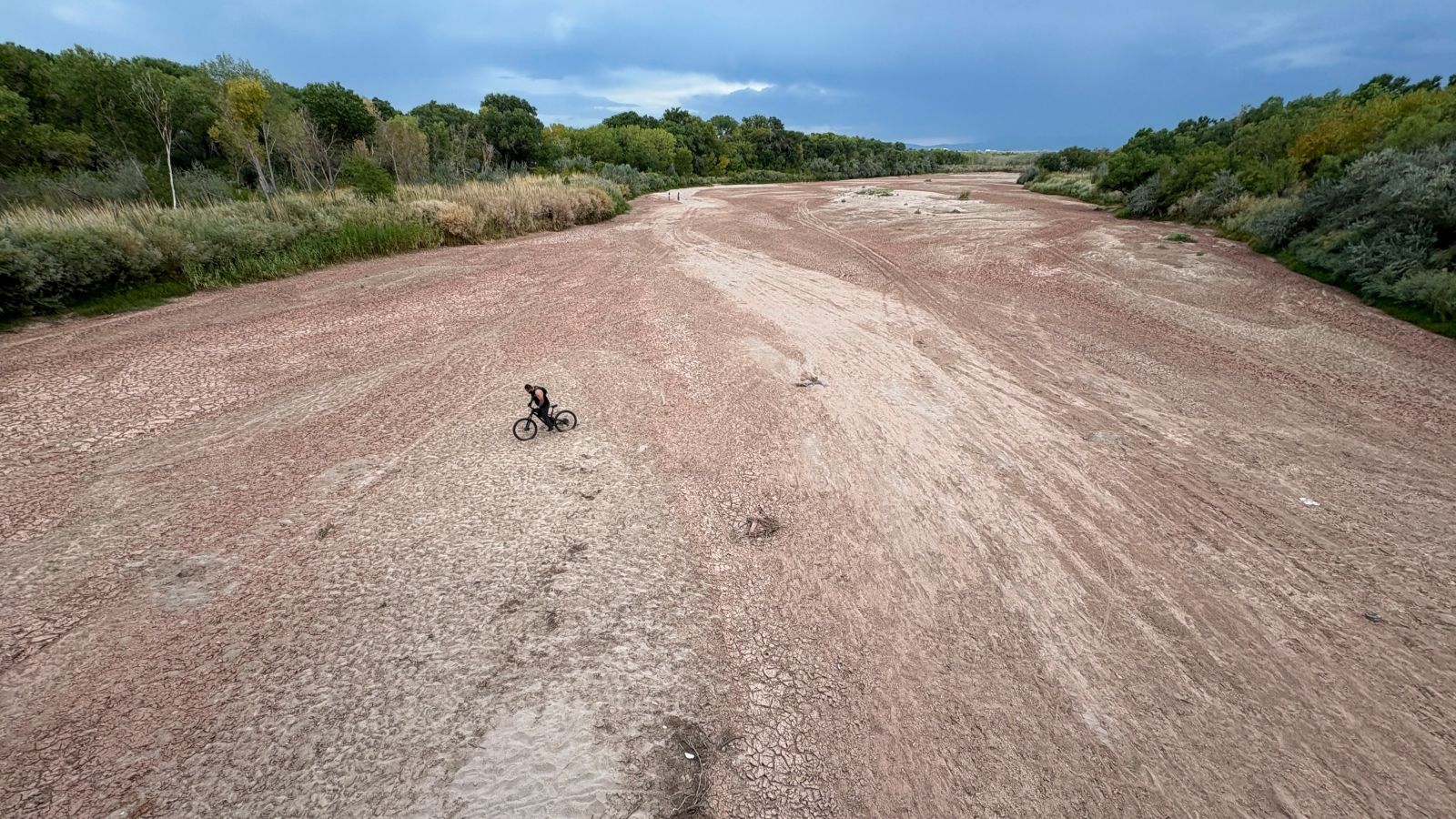
While geothermal energy is often marketed as the "clean" alternative to fossil fuels, its expansion in the arid Western United States presents a complex dilemma. Traditional geothermal power relies on the extraction and reinjection of water to carry heat to the surface. In a region currently suffering from a decades-long drought and the chronic depletion of the Rio Grande basin, the introduction of industrial-scale water use for energy production is becoming a point of friction.
The issue is compounded by the fact that data centers themselves are massive consumers of water for cooling purposes. When these two needs—power generation and server cooling—are collocated in water-scarce environments, the strain on municipal supplies becomes significant. Kristie McLin, principal investigator at Utah FORGE, a government-backed research lab, has highlighted the scale of the challenge. Her projections suggest that if a proposed 2-gigawatt data center project in New Mexico were powered entirely by conventional enhanced geothermal, it could consume 42 million gallons of water daily. To put that into perspective, that volume represents nearly 50% of the daily water consumption of the entire city of Albuquerque.
Technological Divergence: Closed-Loop vs. Enhanced Geothermal
In response to these concerns, the industry is bifurcating into two distinct technological approaches.
"Enhanced Geothermal Systems" (EGS) involve fracturing rock to create a reservoir, circulating water through it, and harvesting the steam. While efficient and capable of high power output, EGS carries the risk of "water loss," as some of the injected fluid seeps into the surrounding geological formations. Fervo Energy, while reporting significant water losses in its initial Nevada projects, asserts that its newer, more advanced designs at Cape Station will drastically reduce these figures.
Conversely, companies like XGS Energy are championing "closed-loop" technology. In this system, water—or a secondary working fluid—is circulated through a sealed pipe network deep underground. Because the fluid never comes into contact with the surrounding rock or the atmosphere, it can be recycled indefinitely, effectively eliminating water loss through evaporation or seepage. While this design is lauded for its sustainability, critics like Roland Horne of Stanford University point out the trade-offs: closed-loop systems currently exhibit lower power output per well and shorter lifespans, which can lead to higher long-term costs.
Official Reactions and Economic Realities
The industry is navigating these hurdles with a mix of optimism and pragmatism. Mike O’Connor, director of the Mountain West Geothermal Consortium, emphasizes that while tech-sector investment has acted as a catalyst, the underlying economic case for geothermal remains robust regardless of data center demand. "There was an argument for geothermal power before data centers, and there will be an argument for geothermal power after these data centers are built," O’Connor noted.
The regulatory environment remains the ultimate arbiter of the industry’s speed. In California, where the mandate for 100% clean electricity by 2045 is a statutory requirement, utilities are under immense pressure to find reliable, non-intermittent power sources. For these entities, the high cost of early-stage geothermal drilling is an acceptable trade-off for the security of a 24/7 power supply that is immune to weather patterns.
Broader Implications and Future Outlook
The trajectory of geothermal energy in the American West will likely be defined by three critical factors: the ability to reduce water intensity, the evolution of drilling costs, and the success of long-term reservoir management.
Research at facilities like Utah FORGE is currently focused on optimizing well spacing and injection pressures to maximize heat recovery while minimizing resource consumption. If these researchers can bridge the gap between the high-output efficiency of EGS and the water-saving benefits of closed-loop systems, geothermal could become the backbone of a reliable, carbon-free grid.
However, the industry must also contend with the "social license to operate." As public awareness of the water-energy nexus grows, developers will face increasing pressure to demonstrate that their operations do not jeopardize local water tables. For companies like Meta, Google, and Oracle, the scrutiny is not merely financial—it is a matter of corporate reputation. Their ability to power the next generation of artificial intelligence without depleting the very communities that host them will determine whether geothermal is viewed as a climate solution or merely another strain on a stressed ecosystem.
Ultimately, the geothermal boom represents a critical test for the green energy transition. It is a sector moving from theoretical potential to industrial reality, proving that with enough capital and engineering prowess, the heat beneath our feet can indeed provide a sustainable foundation for the digital age. Yet, as the industry scales, it must remain acutely aware that in the arid West, every drop of water is as valuable as the electricity it helps to generate.