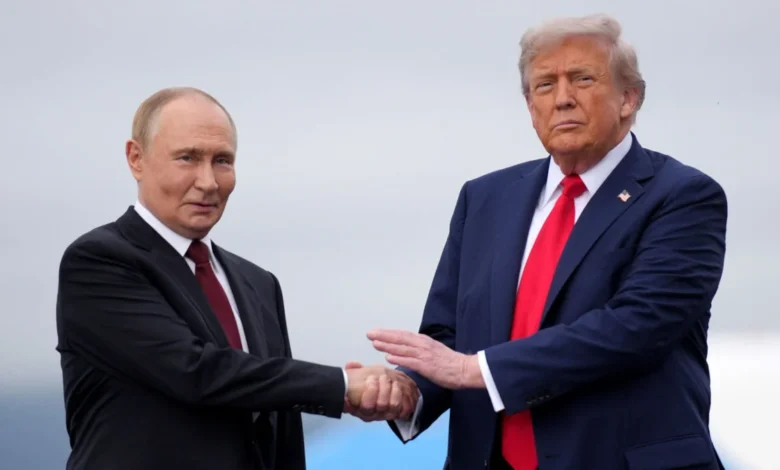
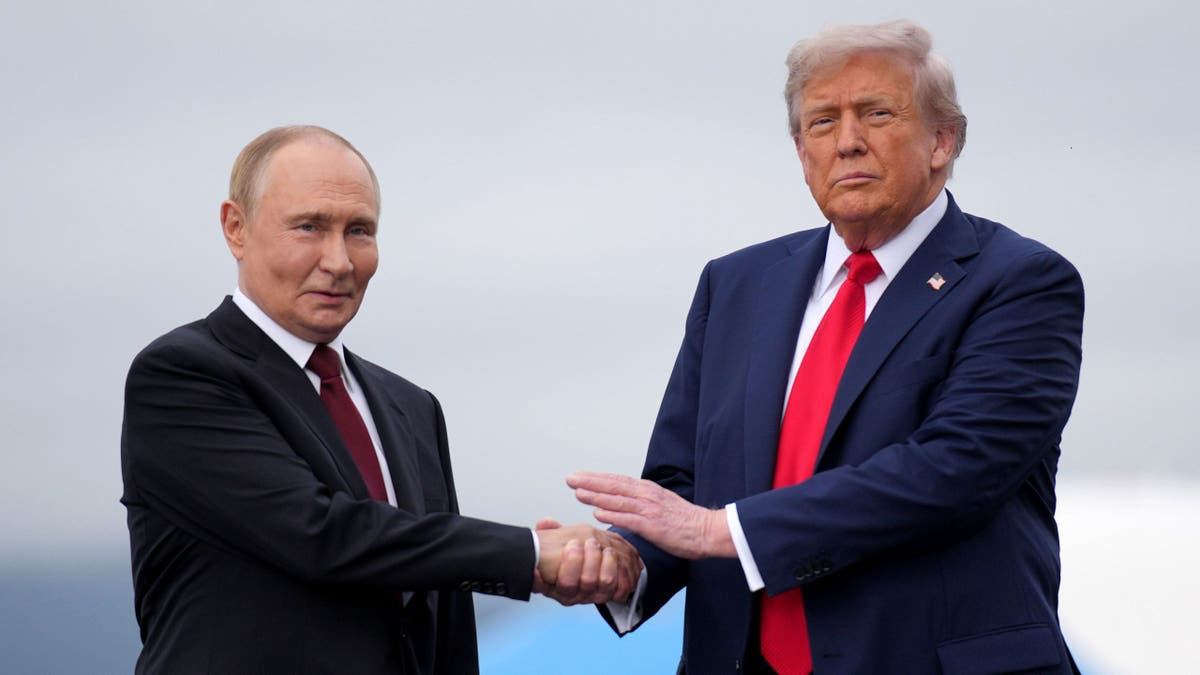
Three maritime tankers carrying roughly 140,000 metric tons of Russian diesel fuel are currently navigating the Atlantic Ocean toward United States ports, marking the first tangible implementation of a controversial bilateral energy agreement struck between President Donald Trump and Russian President Vladimir Putin. A fourth vessel is scheduled to depart Russian terminals in the coming days, setting the stage for a high-stakes collision between executive branch foreign policy initiatives and fierce legislative opposition on Capitol Hill.
The shipments have ignited a multifaceted political and legal controversy in Washington, DC, and across international maritime shipping lanes. While the administration defends the arrangement as a necessary measure to relieve domestic energy inflation driven by global supply chain disruptions, outraged lawmakers from both sides of the aisle—led primarily by congressional Democrats and joined by several skeptical Republicans—are threatening rigorous investigations, demanding vessel recalls, and issuing stern warnings to maritime shipping firms, insurers, and port authorities.
The brewing crisis highlights the complex interplay between U.S. sanctions law, international maritime commerce, and the limits of presidential authority in the face of statutory trade bans enacted in the wake of the ongoing war in Ukraine.
Background Context and Origins of the Trump-Putin Diesel Deal
The roots of the current maritime shipments stretch back to an October 9 agreement finalized between President Trump and Russian President Vladimir Putin. According to administration officials, the arrangement was crafted to combat persistent domestic supply disruptions and curb rising diesel prices for American consumers. These domestic cost pressures have been exacerbated by a convergence of geopolitical crises, including broader supply restrictions linked to the conflict involving Iran and an aggressive, industrial-scale campaign of Ukrainian drone strikes targeting Russian oil refineries and processing facilities.
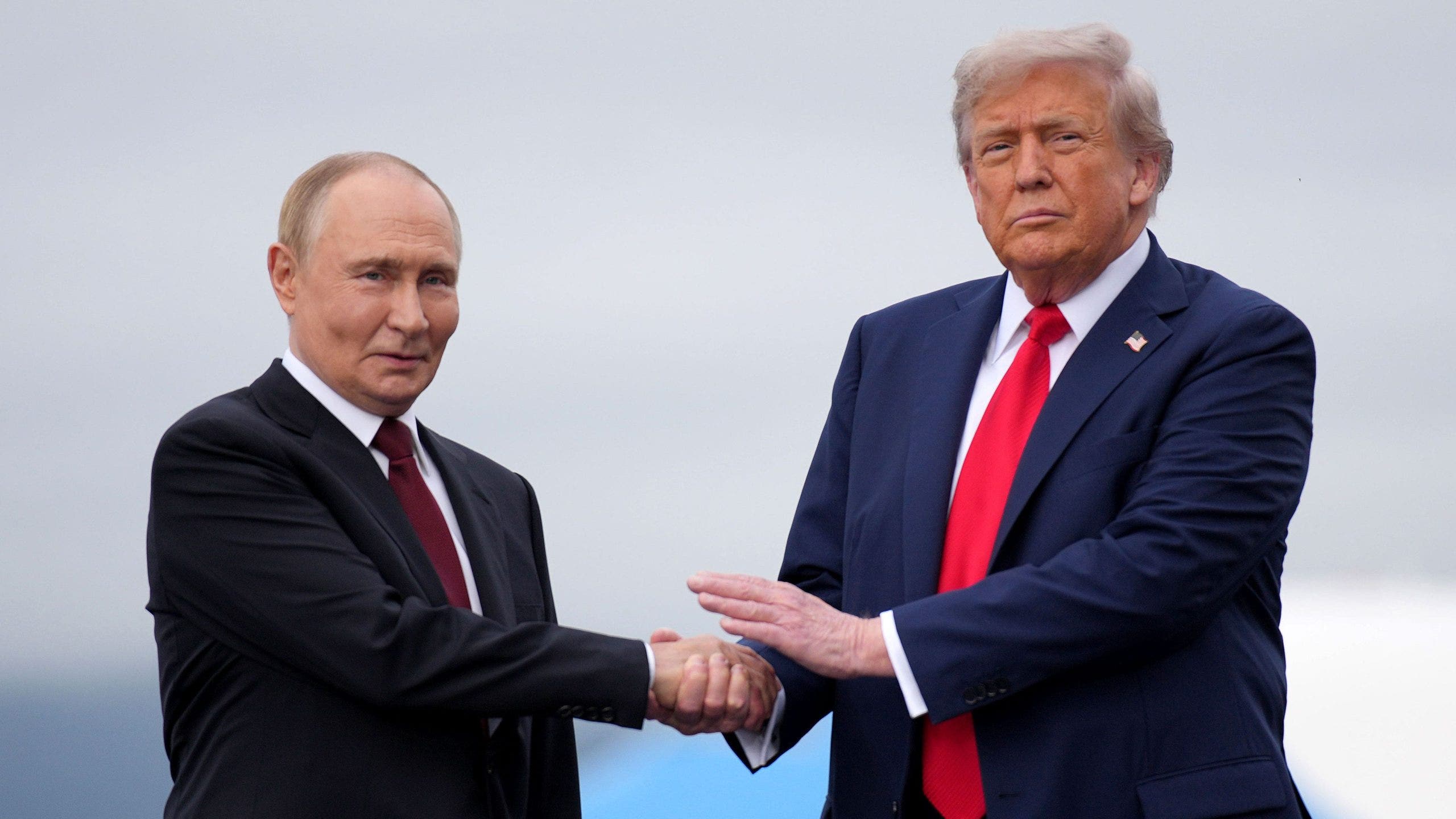
Under the terms of the October agreement, Washington agreed to utilize administrative exemptions to permit the targeted importation of Russian diesel fuel. In exchange, Moscow committed to releasing an initial 300,000 metric tons of diesel into global markets, with volumes scheduled to escalate to 500,000 metric tons in November, and potentially reaching up to 1 million metric tons per month thereafter.
The policy represents a sharp, notable departure from the sweeping economic isolationism and rigid energy restrictions imposed on Moscow following its 2022 invasion of Ukraine. At that time, the U.S. Congress and the executive branch moved swiftly to enact broad legislative bans on the importation of Russian petroleum products, complemented by international price caps designed to starve the Kremlin of wartime revenues while keeping global energy markets stable.
Chronology of the Tanker Deployments
The physical realization of the October 9 agreement has unfolded rapidly through a series of tracked maritime movements:
- October 9, 2025: President Trump and Russian President Vladimir Putin formally reach an agreement to permit limited Russian diesel imports into the United States in exchange for expanded global market supply.
- Late October 2025: Russian Deputy Prime Minister Alexander Novak publicly confirms ongoing preparations for maritime shipments on the sidelines of the Gas Exporting Countries Forum summit.
- October 27–28, 2025: Three fully loaded tankers depart Russian ports and enter the Atlantic Ocean, carrying an aggregate total of approximately 140,000 metric tons of diesel fuel. Russian officials confirm a fourth vessel is slated to leave port on October 28.
- November 7, 2025: The Malta-flagged tanker Agioi Fanendes, carrying roughly 40,000 metric tons of diesel, is scheduled to arrive at its signaled destination in New York.
- November 9, 2025: The 20-year-old tanker Talisman, which is subjected to independent Western sanctions, is projected to dock along the U.S. East Coast.
- November 11, 2025: The Sierra Leone-flagged, Hong Kong-owned vessel Leruo is expected to complete its transatlantic journey and reach East Coast port facilities.
Legal Analysis: Executive Authority Versus Statutory Bans
The central point of contention between the White House and Capitol Hill centers on whether President Trump possesses the legal authority to authorize these petroleum imports in light of the Ending Importation of Russian Oil Act of 2022.

The 2022 statute explicitly prohibited the entry of Russian crude oil, petroleum, and refined petroleum products into the United States. However, legal experts specializing in international trade and sanctions law point out a crucial distinction between permanently lifting a statutory ban and issuing administrative authorizations for specific, controlled transactions.
Jeremy Paner, a partner at Hughes Hubbard & Reed and a former sanctions official at the U.S. Department of the Treasury, confirmed that the president operates within sound legal bounds when issuing such permits.
"The concern that the president has violated a law from 2022 that prohibits the importation is actually not founded in law, so the president certainly has the authority in this case to provide the authorization," Paner explained in an interview.
Paner clarified the precise mechanics of the Treasury Department’s Office of Foreign Assets Control (OFAC) issuing General License No. 135. According to Paner, Trump’s administrative action did not formally repeal, waive, or strike down the underlying statutory prohibition enacted by Congress. Instead, the administration exercised its regulatory discretion to grant specific authorizations for these transactions to proceed.
"A license does not get rid of a prohibition. It’s simply allowed," Paner noted, adding that from a purely domestic legal perspective, OFAC’s sweeping authorization effectively shields the import transactions from violating U.S. sanctions regulations.
Congressional Pushback and Threats of Investigation
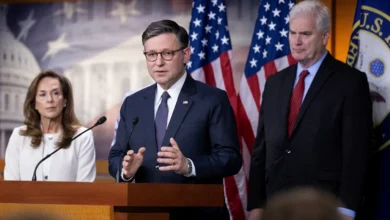
Despite the administration’s technical legal justifications, the diesel deal has provoked intense backlash within the halls of Congress. Lawmakers from both parties argue that the executive branch is unilaterally circumventing the intent of the 2022 legislation without seeking formal congressional approval.
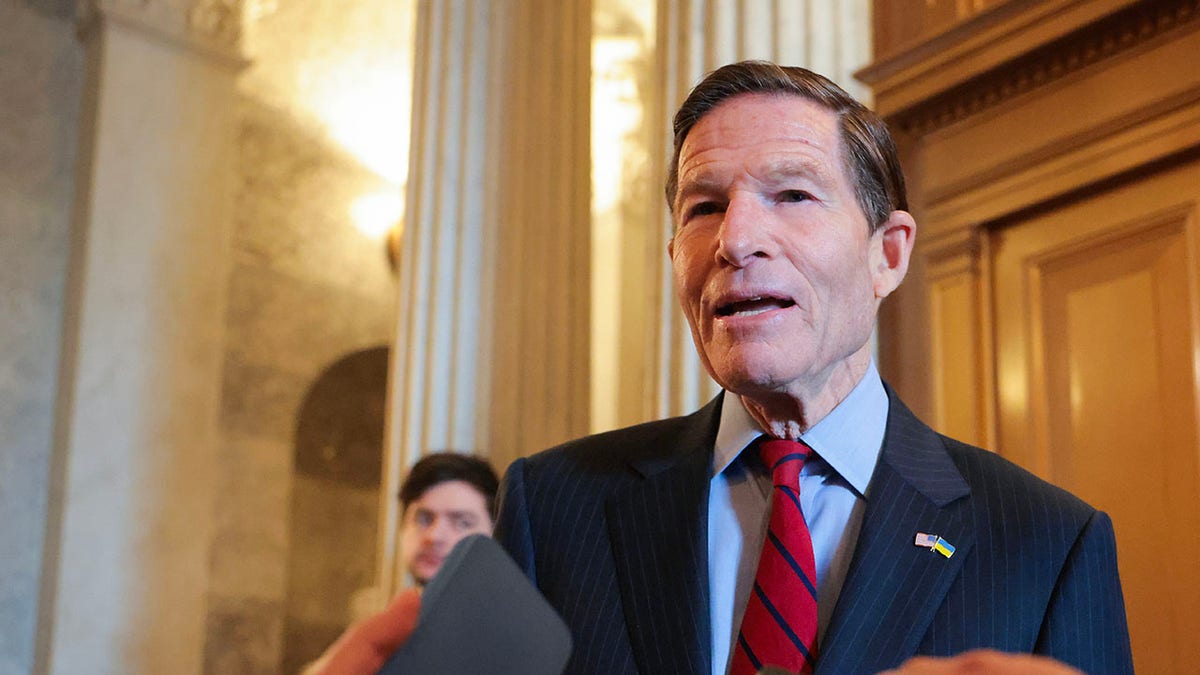
The political confrontation escalated significantly when U.S. Senator Richard Blumenthal, D-Conn., dispatched formal warning letters to prominent maritime shipping firms—specifically Eastern Mediterranean Maritime Limited and PetroVietnam—demanding that they immediately recall the tankers carrying Russian diesel. Blumenthal argued that Treasury’s General License No. 135 cannot legally override the Ending Importation of Russian Oil Act and warned that completing the deliveries would constitute a clear violation of federal law. Furthermore, Blumenthal demanded that the shipping entities turn over comprehensive records regarding their cargo, transaction histories, and any federal guidance they received prior to an October 31 deadline.
Concurrently, a bipartisan coalition of lawmakers led by Senate banking and foreign relations leaders issued a wave of warning letters to commercial banks, fuel distributors, and major port authorities along the New York, New Jersey, and Texas Gulf coasts. These letters cautioned corporate leadership that any domestic entity involved in the offloading, financing, storage, or distribution of the Russian diesel would become the target of rigorous congressional investigations. Recipients were ordered to preserve all transaction records, port reservations, and internal communications, with compliance deadlines established for late October.
The International Complications of Multi-Jurisdictional Sanctions
While domestic U.S. law may permit the importation under the broad umbrella of executive authorization, the operational reality for the shipping companies involved is extraordinarily complicated due to overlapping and contradictory international sanctions regimes.
Of the three vessels currently crossing the Atlantic, at least two are actively designated under separate sanction lists maintained by foreign allies. The second vessel in the convoy, the aging tanker Talisman, is heavily sanctioned by the United States, the United Kingdom, and the European Union. Meanwhile, the third vessel, the Leruo—sailing under the flag of Sierra Leone and owned by Hong Kong interests—was sanctioned in 2025 by the EU, UK, and Canada over deceptive maritime practices, including illicit ship-to-ship transfers of petroleum products at sea.

This regulatory fragmentation introduces immense legal and reputational exposure for global logistics providers. Experts emphasize that while Washington’s General License No. 135 protects companies from American statutory penalties, it provides zero legal immunity under European, British, or Canadian jurisdictions.
"Where it gets complicated is the EU, U.K., and Canadian sanctions on some of the vessels, and that is because there are so many different players in the maritime industry, including shippers, insurers, reinsurers, and banks," Paner explained. "There could be European operators involved, and the U.S. authorization would not authorize those European, U.K., or Canadian companies to have any involvement in these shipments."
This jurisdictional web explains why heavily scrutinized or previously sanctioned vessels are being utilized for the transport. Large, mainstream commercial fleets frequently shy away from carrying Russian energy products due to severe reputational risks and compliance tripwires, leaving niche or already-sanctioned operators to fulfill specialized trade routes.
Global Reactions and Economic Implications
From Moscow’s perspective, the resumption of targeted energy exports to the United States has been viewed as a diplomatic and economic victory, while drawing sharp criticism from Russian leadership toward American lawmakers attempting to sabotage the deal.
Russian Deputy Prime Minister Alexander Novak lashed out at congressional Democrats and domestic critics during remarks on the sidelines of the Gas Exporting Countries Forum summit, characterizing their legislative opposition as counterproductive and economically harmful to American citizens.
"Overall, it is certainly surprising to see the stance taken by Democrats, who speak out—or even take action—in a way that is not in the best interests of the residents of the United States of America," Novak stated.
Economically, the administration’s strategy hinges on expanding aggregate fuel supplies to stabilize high energy costs ahead of winter demand peaks. By encouraging the re-entry of hundreds of thousands of metric tons of refined Russian diesel into international and domestic supply chains, the White House hopes to exert downward pressure on fuel prices at American pumps.
However, critics and foreign policy hawks contend that the long-term strategic costs far outweigh short-term economic relief. By opening channels for Russian petroleum, the administration risks fracturing the unified Western economic front that was painstakingly constructed following the 2022 invasion. Furthermore, lawmakers warn that any financial windfall returning to Moscow’s state-backed energy sector ultimately bolsters the Kremlin’s macroeconomic stability, indirectly subsidizing its military operations in Ukraine.
As the Agioi Fanendes approaches New York Harbor ahead of its scheduled November 7 arrival, federal regulators, congressional investigators, and maritime compliance officers are bracing for a tense confrontation. With multiple committees preparing subpoenas and document preservation orders directed at domestic fuel distributors and port authorities, the ultimate success of the Trump-Putin energy arrangement will be tested not just at the fuel terminal, but within the federal courtroom and the chambers of Congress.
Related posts: