Two Decades of Taylor Swift: Reflecting on the Debut Album That Redefined Modern Pop Culture

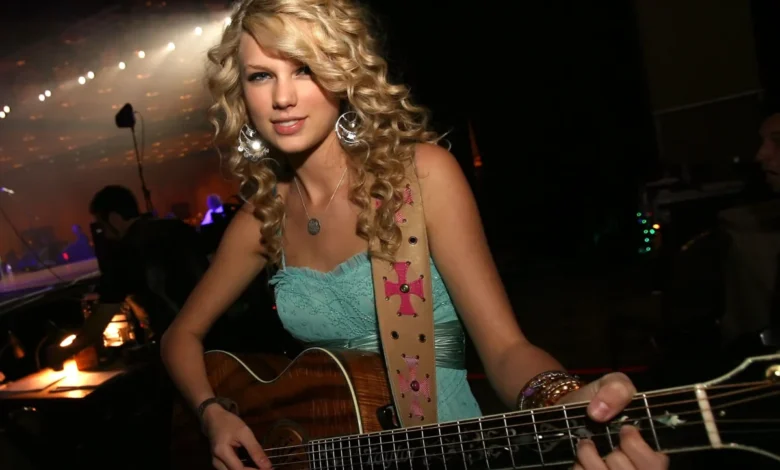
October 24, 2026, marks the twentieth anniversary of the release of Taylor Swift, the eponymous debut studio album that served as the catalyst for one of the most significant careers in music history. Released in 2006 when the artist was just 16 years old, the record was initially positioned as a traditional country project. However, the passage of two decades has revealed its true nature: it was the architectural blueprint for the hyper-confessional, narrative-driven songwriting that would eventually dominate global pop music.
The Landscape of 2006: An Unlikely Ascent
In the mid-2000s, the country music industry was heavily gatekept, favoring established male artists and tightly controlled industry veteran producers. When Swift arrived in Nashville from Pennsylvania, she did not fit the established demographic profile. Her debut was released via Big Machine Records, a nascent independent label founded by Scott Borchetta. At the time, the label lacked the infrastructure of major industry titans, with early team members—including Swift’s own family—often performing manual labor to ensure the distribution of promotional materials.
The industry skepticism was palpable. At the time of her debut, there had not been a successful teenage female solo artist in country music since LeAnn Rimes a decade prior. Radio programmers and label executives were hesitant to invest in a young songwriter who insisted on writing her own material, a practice that was considered a risky departure from the industry standard of using professional song-doctoring teams.
Chronology of a Breakthrough
The trajectory of the Taylor Swift album was a slow, deliberate climb rather than an overnight explosion. The lead single, "Tim McGraw," introduced listeners to a storytelling style that was strikingly specific and personal. This was followed by "Teardrops on My Guitar," which became a pivotal moment in the industry’s history. When MTV began playing a "pop remix" of the track, it signaled the beginning of the end for the rigid walls that had historically separated country music from the mainstream Top 40 charts.

By 2007 and early 2008, the momentum had shifted. While the album never reached No. 1 on the Billboard 200—peaking at No. 5—its longevity was unprecedented. It remained on the Billboard 200 for 275 weeks, one of the longest runs in the chart’s history. During this period, Swift’s songwriting prowess earned her the Nashville Songwriters Association International (NSAI) Songwriter/Artist of the Year award, a distinction voted on by her peers that validated her creative legitimacy in an industry that had initially doubted her potential.
Data-Driven Success and Industry Impact
The success of the debut album is quantified by its certification and chart performance. The Recording Industry Association of America (RIAA) has certified the album seven times platinum, reflecting the enduring appeal of songs like "Our Song," which made Swift the youngest person at the time to single-handedly write and perform a No. 1 country song.
The album’s impact on the industry’s business model cannot be overstated. Swift’s early utilization of social media, specifically MySpace, to build a direct, unmediated relationship with fans allowed her to circumvent traditional media gatekeepers. This strategy became the standard operating procedure for every artist in the following two decades. Furthermore, her success forced a reassessment of the "teenage" demographic; she proved that an audience existed for music that was as intellectually and emotionally mature as that written by adults.
The Evolution of the Confessional Aesthetic
Central to the album’s legacy is the "conversational" songwriting style that Swift pioneered. By refusing to edit out specific details—names, dates, and locations—she invited listeners into her personal life, creating a parasocial bond that would become the hallmark of the "Swiftie" fan base. This approach shattered the fourth wall of pop performance.
In archival interviews from early 2008, conducted just as she was transitioning into the Fearless era, Swift noted that her desire to maintain control over her narrative was a conscious choice. "If I want to be in charge of my own future, I have to be in charge of my career," she stated. This philosophy explains her later efforts to re-record her early catalog; her debut was not just a collection of songs, but a collection of intellectual property that defined her artistic identity.

Broader Implications and Legacy
Twenty years later, the Taylor Swift album serves as a case study in the power of authenticity in music marketing. It bridged the gap between the traditional country storytelling tradition and the polished, radio-friendly sensibilities of pop. The album forced the industry to reconsider the viability of female artists who controlled their own creative output.
Furthermore, the record’s impact on the role of women in music was transformative. As the early 2000s boy-band wave receded, a vacuum in pop culture was filled by artists like Swift who utilized personal narratives to build massive, loyal followings. She demonstrated that vulnerability was not a weakness but a marketable asset.
As of 2026, the music industry operates in a landscape fundamentally shaped by the precedents set by that 2006 release. The emphasis on songwriter credits, the necessity of direct-to-fan engagement, and the expectation of hyper-personal storytelling are all ripples caused by the stone cast by that debut album. While Swift herself has refrained from traditional anniversary "fan-servicing" in the form of deluxe reissues, the industry itself continues to analyze the record as a watershed moment.
The "debut" remains a foundational text for songwriters. It is a reminder that, in 2006, the industry was looking for the next big product, while the artist was looking for a way to document her own life. That she managed to do both—and in the process, change the financial and creative architecture of the music business—remains one of the most compelling narratives in modern entertainment. The legacy of the album is not merely in its sales figures or its chart positions, but in the paradigm shift it initiated, ensuring that future artists would no longer have to ask for permission to tell their own stories.