Innovative Ear Nerve Stimulation Technology Shows Promise for Treating Resistant Hypertension

A novel, non-invasive medical device capable of delivering gentle electrical pulses through the ear has emerged as a potential breakthrough in the clinical management of resistant high blood pressure. Developed by Afferent Medical Solutions and evaluated in a landmark clinical trial led by researchers at Queen Mary University of London, the technology offers a departure from traditional pharmacological interventions. While the primary endpoint of the study did not demonstrate a universal reduction in blood pressure across the entire cohort, the results have provided a compelling signal for patients suffering from severe, treatment-resistant hypertension, suggesting a future where targeted neuromodulation could serve as a vital adjunct to medication.
The findings of the SCRATCH-HTN trial, which were recently published in the American Heart Association journal Hypertension, mark a significant milestone in the field of bioelectronic medicine. By focusing on the autonomic nervous system—the body’s "master regulator" of involuntary functions including heart rate and vascular resistance—researchers are testing whether external stimulation can recalibrate the physiological systems that drive persistent hypertension.
The Mechanism of Transcutaneous Autonomic Neuromodulation
At the core of this experimental treatment is a technique known as transcutaneous autonomic neuromodulation (tAN). The human autonomic nervous system acts as an internal feedback loop, constantly adjusting the diameter of blood vessels and the rate of the heart to maintain homeostasis. In many patients with chronic hypertension, this system becomes dysregulated, maintaining an overly "active" state that keeps blood pressure elevated.
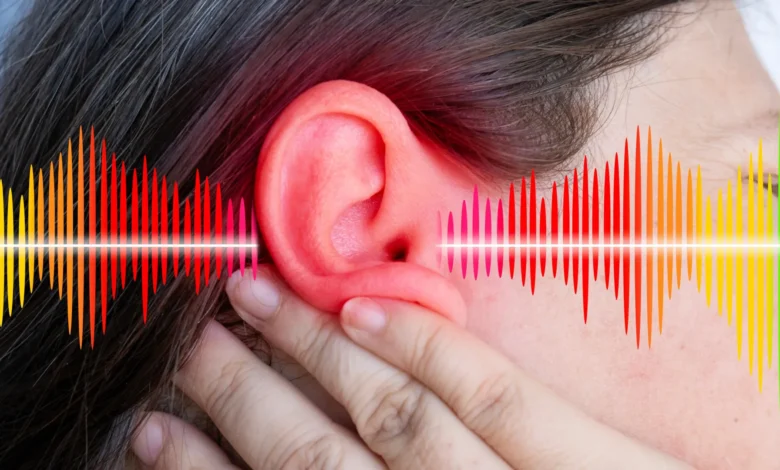
The handheld device utilizes a pair of clips that attach to the tragus—the prominent cartilaginous flap situated directly in front of the ear canal. This area is uniquely rich in nerve endings, specifically branches of the vagus nerve, which serves as a primary conduit for signaling between the brain and the body’s internal organs. By applying non-invasive electrical stimulation to these specific pathways, the device aims to modulate the sympathetic and parasympathetic nervous system balance. This is achieved without the need for surgery, implants, or invasive procedures, making it a highly practical candidate for home-based self-administration.
Clinical Trial Methodology and Execution
The SCRATCH-HTN trial was designed to test both the efficacy and the safety profile of the device in a real-world setting. Funded by the National Institute for Health and Care Research (NIHR), the study enrolled 63 participants, all of whom presented with uncontrolled hypertension. A critical inclusion criterion was that every patient was already adhering to at least one blood pressure-lowering medication, yet their blood pressure remained consistently above recommended clinical thresholds.
The study employed a rigorous, randomized, double-blinded, sham-controlled methodology. Participants were divided into two groups: one receiving active electrical stimulation and the other using a "sham" device that provided no electrical current. This design was essential to distinguish the physiological effects of the stimulation from the placebo effect associated with the psychological act of using a therapeutic device.
The treatment protocol was intensive in the early stages: participants were instructed to use the device for 30 minutes daily for the first two weeks. Following this induction period, the regimen shifted to a maintenance phase of once-weekly sessions for the subsequent 10 weeks. The trial’s primary metric was the change in systolic blood pressure from baseline to the 12-week mark.
Analyzing the Data: Overall Results vs. Subgroup Insights
The trial yielded mixed but highly informative results. Statistically, when assessing the entire cohort of 63 patients, there was no significant difference in blood pressure reduction between those who used the active device and those who used the sham version. This result initially suggests that the device, as currently configured, does not provide a broad-spectrum cure for all cases of hypertension.
However, a pre-specified subgroup analysis—conducted to investigate whether specific patient populations responded differently—revealed a more nuanced story. In patients who entered the study with more severe, baseline-elevated blood pressure, there was a statistically significant and clinically relevant reduction in blood pressure among those receiving active stimulation compared to the sham group.
This divergence in results is a common occurrence in early-stage medical trials and is frequently the catalyst for refined research. It suggests that the device may be particularly effective for patients whose hypertension is driven by specific autonomic nervous system imbalances, rather than those whose high blood pressure is caused by other mechanisms, such as renal or hormonal dysfunction.
Clinical Perspectives and Official Responses
Dr. Ajay Gupta, the Chief Investigator of the trial and a Consultant Physician at Barts Health NHS Trust, has characterized the findings as a significant step forward for the field. "This is an exciting, highly patient-acceptable technology that could ultimately provide a cheap, scalable solution for millions," Dr. Gupta noted. "Although the trial did not achieve significance across the broad unselected group, those with more severe hypertension exhibited a clear blood pressure reduction in the active group compared to sham."
Dr. Gupta emphasized the significance of the trial as the most thorough investigation of its kind to date. "As the first and most thorough study of its kind, this points towards important new research directions that could help us understand whether non-invasive neuromodulation can benefit particular groups of patients with uncontrolled hypertension," he added.
The Growing Crisis of Resistant Hypertension
The implications of this research are underscored by the global prevalence of cardiovascular disease. Hypertension remains the leading global contributor to morbidity and mortality, significantly increasing the risk of myocardial infarction (heart attack), cerebrovascular accidents (stroke), and chronic kidney disease.
Current clinical guidelines recommend a combination of lifestyle modifications—such as dietary changes and increased physical activity—paired with pharmacological therapy, including ACE inhibitors, beta-blockers, and diuretics. Despite these options, a substantial percentage of the hypertensive population remains "resistant," meaning their blood pressure does not reach target levels despite adherence to a three-drug regimen.
The potential for a home-based, non-invasive device to fill this therapeutic gap is substantial. Patients with resistant hypertension often face the prospect of increasing medication dosages, which can lead to adverse side effects and decreased patient compliance. A device that can be used at home to "tune" the autonomic system could provide a non-pharmacological pathway to better health, potentially reducing the total medication burden on the patient.
Future Research and Scientific Outlook
The SCRATCH-HTN trial serves as a proof-of-concept study rather than a final clinical validation. Before the medical community can integrate ear nerve stimulation into standard treatment protocols, several hurdles remain.
First, larger-scale, multicenter trials are required to confirm the findings observed in the severe hypertension subgroup. Larger datasets will allow researchers to refine the electrical parameters of the stimulation—such as frequency, intensity, and duration—to optimize efficacy.
Second, researchers must investigate the long-term sustainability of the treatment. While the 12-week duration was sufficient to observe safety and initial efficacy, chronic management of hypertension requires years, not months, of consistent control. Future studies will need to determine whether the blood pressure-lowering effects persist over years of intermittent use or if the body eventually adapts to the stimulation, diminishing its effectiveness.
Third, identifying the "phenotype" of the ideal candidate is paramount. If clinicians can determine exactly which physiological markers indicate that a patient will respond well to tAN, they can transition from a "one-size-fits-all" approach to precision medicine.
Conclusion: A New Frontier in Cardiology
The transition from strictly pharmacological management to a hybrid model involving bioelectronic devices represents a fundamental shift in cardiovascular medicine. The SCRATCH-HTN trial has provided a foundation for this transition, demonstrating that non-invasive ear nerve stimulation is safe, well-tolerated, and potentially effective for a difficult-to-treat population.
As the scientific community looks toward the next phase of research, the focus will likely shift to larger, more targeted studies. Should these subsequent trials confirm that this simple, clip-on device can reliably manage severe blood pressure, it could represent a low-cost, low-risk, and highly scalable intervention that could alleviate the strain on healthcare systems and improve the quality of life for millions living with uncontrolled hypertension. The path ahead requires patience and rigorous evidence, but the initial evidence suggests that the ear may hold a key to managing one of the world’s most stubborn medical challenges.