Fifth Circuit Appeals Court Rules Undocumented Immigrants Lacking Formal Admission Have No Constitutional Right to Bond Hearings

The Trump administration has secured a significant legal victory in its broader immigration enforcement agenda, following a full-panel ruling by the Fifth Circuit Court of Appeals. The court determined that detained undocumented immigrants who were never formally admitted into the United States are not constitutionally entitled to bond hearings while awaiting deportation proceedings. This pivotal decision arrives as the nation’s judicial system grapples with profound questions regarding the constitutional scope of executive enforcement powers, the interpretation of federal immigration statutes, and the rights of individuals who have lived within American communities for extended periods.
The ruling, handed down in the case of Ignacio Sosnava Rodriguez v. Sylvester M. Ortega, directly addresses the legal standing of three immigrant men detained under federal mandatory-detention statutes. A majority of the Fifth Circuit judges concluded that neither the length of an individual’s residency—ranging in these specific instances from several years to multiple decades—nor their integration into local communities creates a constitutional right to a bond hearing under the Due Process Clause of the Fifth Amendment. "The Constitution does not entitle them to a bond hearing," the court explicitly stated.
This appellate decision highlights an intensifying legal battle over how federal immigration law is applied across the country, setting the stage for a high-stakes showdown at the Supreme Court of the United States.
Chronology and Legal Background of the Dispute
At the heart of the ongoing national controversy is a deep-seated 9-2 circuit split among federal appeals courts regarding the interpretation of overlapping provisions within the Immigration and Nationality Act (INA). The central conflict concerns which federal statute applies to immigrants who entered the country unlawfully, were never officially inspected or admitted at a port of entry, and were subsequently arrested by immigration authorities years later.
The Fifth and Eighth Circuits have consistently maintained that such individuals remain "applicants for admission" under Section 1225 of the INA. Under this legal interpretation, these individuals are subjected to mandatory detention without the possibility of an ordinary bond hearing while their removal proceedings are adjudicated. Conversely, nine other federal circuits have ruled that Section 1226 applies to these longtime residents. Section 1226 offers a statutory pathway for detainees to seek release on bond while fighting deportation.
The friction between these differing statutory interpretations has created a fragmented enforcement landscape nationwide. Immigration enforcement agencies operating within the jurisdictions of the Fifth and Eighth Circuits follow different rules from those in the rest of the country, prompting urgent calls for clarity from the nation’s highest judicial authority.
The Looming Supreme Court Confrontation: Rhoney v. Barbosa da Cunha
While the Fifth Circuit’s recent ruling resolves the constitutional question within its jurisdiction, the broader legal war is rapidly shifting to Washington, D.C. The Supreme Court has agreed to hear Rhoney v. Barbosa da Cunha during the current term, a critical case originating out of the Second Circuit.
The Rhoney case directly challenges whether the federal mandatory-detention statute under Section 1225 applies at all to longtime undocumented immigrants who are arrested deep within the interior of the United States. The case centers on Barbosa da Cunha, a Brazilian national who entered the country illegally approximately two decades ago and was subsequently detained by Immigration and Customs Enforcement (ICE) personnel.
If the Supreme Court ultimately rules in favor of Barbosa da Cunha and upholds the Second Circuit’s reasoning, a clear path to seek bond hearings would open for longtime residents nationwide. Such a ruling would effectively neutralize the practical impact of the Fifth Circuit’s decision in Rodriguez by resolving the dispute on statutory grounds, thereby bypassing the necessity of deciding the broader constitutional due process question.
Judicial Perspectives and Dissents
The deep division among jurists was evident in the opinions issued alongside the Fifth Circuit’s ruling. Judge Leslie Southwick pointed directly to the impending Supreme Court intervention in a detailed dissenting opinion.
"Should the Supreme Court eventually determine that this court was wrong as to the statute, then the constitutional issue we address here will have far less significance," Judge Southwick wrote, while acknowledging the immediate gravity of the ruling within the court’s jurisdiction.
Despite these judicial reservations, conservative legal scholars suggest that the Rodriguez decision could paradoxically strengthen the federal government’s position in the upcoming Rhoney arguments before the Supreme Court. Opponents of the administration’s detention policies have long argued that applying Section 1225 to individuals with deep roots in the United States raises severe constitutional red flags, primarily because courts traditionally seek to interpret ambiguous statutes in a manner that avoids constitutional conflicts.
Legal Analysis and Implications for Federal Enforcement
Constitutional law experts have weighed in heavily on the potential ripple effects of the Fifth Circuit’s en banc ruling on the Supreme Court’s upcoming deliberations.
Michael Morley, a constitutional law professor at Florida State University, noted that the Fifth Circuit’s affirmative holding—that detaining such individuals without bond does not violate the Due Process Clause—removes a primary pillar of the argument against the government’s interpretation of federal law.
"The Fifth Circuit’s en banc ruling in Rodriguez today takes the next step by holding that such detention would not violate the U.S. Constitution’s Due Process Clause," Morley explained. "This holding may impact the Supreme Court’s reasoning, because an important consideration in disputes over federal laws is whether a particular interpretation would be unconstitutional."
Morley added that if the Supreme Court aligns with the Fifth Circuit’s analysis regarding the permissibility of such detentions under the Due Process Clause, the justices may feel emboldened to conclude that the underlying federal statutes were intended to permit the same practices.
Echoing this sentiment, Hans von Spakovsky, a senior legal fellow at Advancing American Freedom, expressed confidence that the Fifth Circuit’s consistent stance will influence the high court’s final verdict.
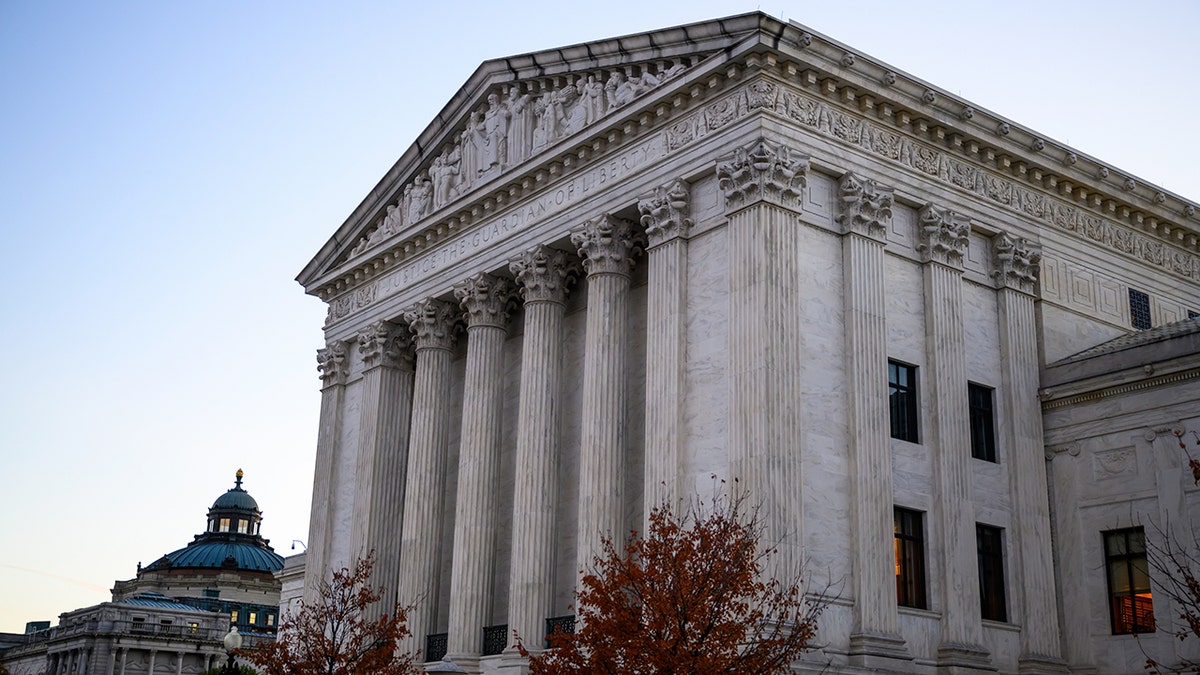
"I actually think this ruling will help the government in the Rhoney case," von Spakovsky said. He noted that the Fifth Circuit has maintained a steadfast position that the applicable immigration statute does not mandate bond hearings for unadmitted aliens. "There was already a split in the circuit courts on this issue, but the Fifth Circuit has consistently held that the applicable immigration statute does not require bond hearings for aliens who were never admitted to the United States. I will be surprised if a majority of the Supreme Court disagrees when they ultimately issue a decision in the Rhoney case."
Broader Impact on Immigration Policy and Stakeholders
The intersection of interior immigration enforcement, mandatory detention standards, and constitutional due process represents one of the most contentious legal battlegrounds in contemporary American politics. For the executive branch, securing favorable appellate rulings is essential for maintaining the operational capacity to detain individuals flagged for removal without the administrative delays and potential releases associated with individualized bond hearings.
For immigrant advocacy groups and defense attorneys, the expanding use of mandatory detention for individuals with decades of community ties, employment histories, and family structures within the United States is seen as an aggressive erosion of fundamental constitutional protections. Critics argue that denying bond hearings across the board strips administrative law judges of discretionary authority, preventing them from evaluating whether an individual poses a flight risk or a danger to public safety.
As the legal community awaits oral arguments and a final decision in Rhoney v. Barbosa da Cunha, the Fifth Circuit’s ruling in Rodriguez serves as a powerful anchor for the administration’s interpretation of federal immigration law. Whether the Supreme Court chooses to validate this aggressive enforcement framework or establish a uniform statutory limitation nationwide will define the parameters of immigration detention and due process rights for years to come.
Related posts: