Navigating Denali: A Comprehensive Guide to Exploring Alaska’s Premier Wilderness Amid Infrastructure Challenges

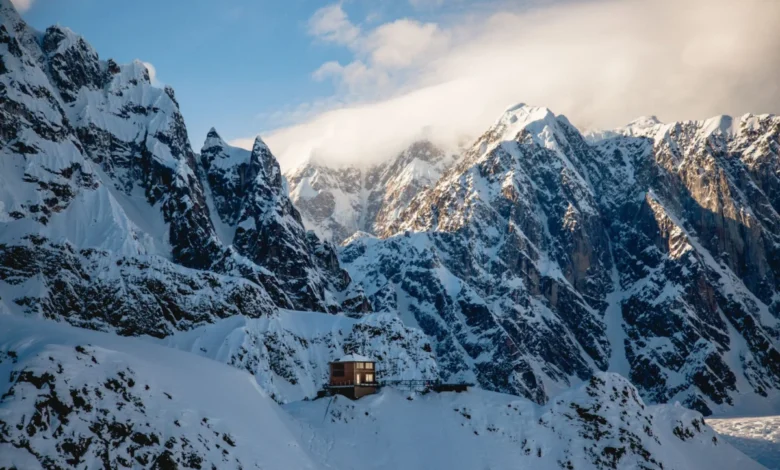
Denali National Park and Preserve remains one of Alaska’s premier crown jewels, drawing hundreds of thousands of visitors each year to witness its sprawling taiga forests, tundra-clad lowlands, and towering alpine peaks. Spanning more than six million acres, the park is a sanctuary for diverse wildlife, ranging from grizzly bears and wolves to Dall sheep and moose. However, navigating this vast subarctic ecosystem requires careful planning, particularly in light of ongoing geological challenges that have significantly altered traditional access routes along the park’s sole arterial road.
As park administrators and visitors alike adapt to these infrastructure limitations, understanding the available transit options, safety protocols, and recreational opportunities is essential for a successful wilderness expedition. From iconic wildlife viewings and ranger-led programs to backcountry hiking and adrenaline-fueled boundary excursions, a journey to Denali demands a balance of adventure and preparedness.
The Evolution of Park Road Access and Current Limitations
At the center of any Denali itinerary is the 92-mile Park Road, the singular overland route penetrating the heart of the wilderness. Historically, visitors relied on narrated tour buses and hop-on, hop-off transit systems to traverse the entirety of the corridor, granting deep access into the interior landscapes of Eielson Visitor Center and Wonder Lake.
However, dynamic geological forces have forced a significant shift in park logistics. An ongoing land slump at Pretty Rocks—a steep hillside located at mile 45 of the Park Road—has experienced accelerated movement due to thawing permafrost and shifting moisture patterns. This unstable terrain has rendered full vehicular transit impossible beyond mile 43, resulting in a partial closure that has fundamentally reshaped visitor experiences.
Despite these limitations, the National Park Service (NPS) has implemented alternative access measures to accommodate travelers. For those seeking a brief, cost-free introduction to the landscape, courtesy shuttle buses operate between the Denali Visitor Center and the Savage River area at mile 15. Cyclists can also bypass motorized restrictions by renting bicycles from local outfitters situated just outside the park gates, enabling self-powered exploration up to the closure point. Personal vehicles are similarly permitted to drive as far as the Savage River parking lot during peak summer season, though high demand frequently results in full capacity during morning and afternoon hours.
Chasing the Summit: Viewing North America’s Tallest Peak
For many travelers, the primary objective of a Denali pilgrimage is catching a glimpse of the eponymous mountain, which stands at an elevation of 20,310 feet as the highest peak in North America. Yet, encountering the mountain is notoriously challenging, governed entirely by unpredictable meteorological conditions.
Because of local geography and elevation thresholds, travelers must venture at least as far as mile 9 of the Park Road before the surrounding topography opens sufficiently to reveal the massif. For those prioritizing panoramic vantage points, the Mountain Vista trail near mile 12 offers a rigorous yet accessible climb culminating in sweeping vistas of the Alaska Range.
Meteorological data underscores the elusiveness of the peak: clouds obscure the mountain summit roughly two-thirds of the time during the peak summer months. Park officials frequently advise visitors to remain flexible and utilize alternative viewpoints if conditions remain overcast within the interior. Excellent alternative sightings can be achieved from observation cars along the Alaska Railroad or from designated, well-marked waysides situated along the adjacent Parks Highway, which traces the eastern boundary of the reserve.
Backcountry Exploration and Rigorous Safety Protocols
Beyond vehicular transit, Denali offers world-class opportunities for pedestrian exploration. The park features a curated network of established footpaths, including the popular Savage River Loop and the more demanding Savage Alpine Trail. For those seeking aquatic scenery, the Triple Lakes Trail presents an extended route where observant hikers may spot active beaver lodges and diverse avian species.
A defining characteristic of Denali National Park is its liberal off-trail hiking policy. Unlike heavily restricted national parks in lower latitudes, visitors are permitted to disembark at any authorized pullout along the Park Road and venture directly into the unfenced wilderness. This open-landscape approach fosters an authentic backcountry experience, but it also elevates the necessity for heightened personal responsibility.
Park authorities strictly enforce safety guidelines regarding wildlife encounters, particularly concerning grizzly bears and black bears. All individuals venturing into the backcountry are strongly advised to carry bear spray—available for rental through the Alaska Geographic bookstore adjacent to the main visitor center. Furthermore, park rangers conduct daily educational briefings and formal orientation programs, providing critical coaching on wilderness navigation, minimum-impact camping, and wildlife deterrent protocols.
Working Kennels and Cultural Heritage
A unique institution within Denali National Park is the National Park Service’s working sled dog kennel, the only facility of its kind operated within the federal park system. Established in the early history of the park, the sled dogs play a vital operational role during the harsh Alaskan winter, serving as the primary mode of transport for rangers patrolling the designated wilderness areas where motorized vehicles are prohibited.
Throughout the summer season, the park hosts daily public demonstrations where handlers showcase the capabilities, training regimens, and historical significance of the canine team. Visitors can access the kennels via a short walking trail from the park entrance or utilize the complimentary park shuttle system, gaining insight into a traditional northern heritage that continues to sustain park operations today.
Commercial Adventures Along the Park Boundary
While the interior of Denali National Park is federally protected and largely devoid of commercial development, a thriving industry of outdoor outfitters operates along its eastern boundary. These commercial operators offer a diverse array of adrenaline-driven activities that complement a traditional park visit.
Whitewater rafting has emerged as a premier aquatic excursion, utilizing the glacial waters of the Nenana River, which carves a natural boundary along the edge of the park. Outfitters such as Denali Raft Adventures provide excursions ranging from family-friendly floats to turbulent Class IV rapids, allowing visitors to experience the rugged terrain from a unique river perspective.
For land-based thrills, guided horseback riding and all-terrain vehicle (ATV) tours dominate the foothills outside the federal boundary. Companies like Denali Horseback Tours offer non-motorized equestrian treks that minimize noise pollution while delivering expansive views of the subarctic landscape. Conversely, operators catering to motorized enthusiasts provide high-speed excursions through the surrounding state and borough lands.
For travelers seeking a comprehensive, permit-backed excursion deep within the federal park boundaries, specialized guide services such as Alaska Alpine Adventures offer custom backpacking and mountaineering expeditions. These rigorous journeys demand exceptional physical fitness and advanced planning, rewarding participants with remote access to untouched glacial valleys and alpine ridges.
Implications for Future Park Management
As Denali National Park navigates the ongoing realities of climate change, permafrost degradation, and infrastructure maintenance, park managers face long-term strategic decisions regarding the future of the Park Road. The Pretty Rocks land slump serves as a case study for remote wilderness management, illustrating the vulnerability of arctic infrastructure to shifting environmental baselines.
Federal studies and engineering assessments continue to evaluate mitigation strategies for the corridor, balancing the economic and recreational benefits of full road access against the astronomical costs and ecological impacts of continuous stabilization efforts. In the interim, the adaptive management strategies deployed by the National Park Service—emphasizing multimodal transit, expanded backcountry education, and boundary partnerships—ensure that visitors can continue to experience the scale, majesty, and solitude of one of North America’s most treasured ecological sanctuaries.