James Gunn Defends the DC Universe Strategy Against Criticism Regarding Interconnected Storytelling

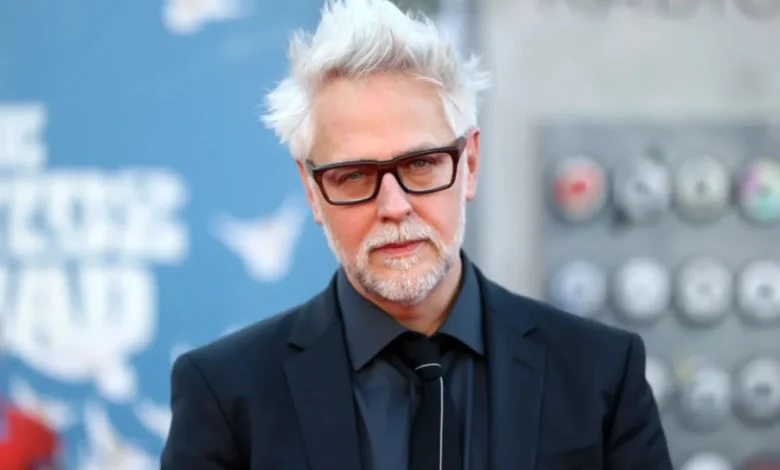
The landscape of modern superhero cinema is undergoing a significant paradigm shift, moving away from the rigid, serialized "cinematic universe" model that dominated the previous decade. James Gunn, co-head of DC Studios, recently took to the social media platform Threads to address public skepticism regarding the creative direction of the burgeoning DC Universe (DCU). As audiences grow weary of the "homework" required to follow complex, interconnected film franchises, Gunn is positioning the DCU as a collection of individual, standalone stories that prioritize narrative quality over the promise of a future crossover event.
This defense comes at a pivotal moment for the studio, following the successful opening weekend of Clayface, the latest entry in the DCU. Despite the film’s financial success, some segments of the audience and critical establishment have questioned the lack of a visible, overarching "master plan" that defined the era of the Marvel Cinematic Universe (MCU).
The Evolution of the Cinematic Universe Model
For over 15 years, the film industry has been defined by the "Infinity Saga" model—a strategy where multiple films serve as individual chapters in a larger, multi-year narrative arc. This approach, while commercially dominant, has faced mounting criticism for its perceived lack of stakes in individual films. Audiences have frequently expressed frustration that modern blockbusters often feel like mere promotional trailers for the next installment, rather than self-contained works of art.
James Gunn’s philosophy represents a departure from this trend. In his response to a user who questioned what his current slate of projects—including Superman, Peacemaker, Supergirl, Creature Commandos, Clayface, and Lanterns—was "building towards," Gunn clarified that the DCU is designed to be an environment where stories exist on their own merits.
"DCU is just an alternate universe; we can enter at any location or time and tell THAT story," Gunn explained. He cited the Star Wars franchise as a historical precedent for this methodology, noting that for 50 years, Lucasfilm has successfully navigated various mediums—films, television, literature, and gaming—without requiring every single story to be a prerequisite for the next.
Chronology of the New DC Universe
The rollout of the DCU has been calculated, focusing on establishing a diverse range of genres rather than a singular tone. The current trajectory of the studio is marked by the following key releases and milestones:
- 2025: Superman – The foundational film intended to establish the ethical and tonal core of the new universe.
- 2026: Supergirl – A continuation of the established world that explores different corners of the DC mythos.
- 2026: Clayface – Released in early 2026, this horror-inflected character study marked a significant deviation from traditional superhero tropes.
- 2027: Superman: Man of Tomorrow – The upcoming sequel, currently scheduled for release on July 9, 2027, which will further develop the world introduced in the 2025 debut.
This timeline reflects a deliberate effort to diversify the DC portfolio. By incorporating niche characters like Clayface—a villain typically reserved for supporting roles—Gunn is signaling that the DCU will prioritize character-driven storytelling over the need for massive, ensemble-based pay-offs.
Box Office Performance and Audience Reception
The commercial viability of this strategy was tested with the release of Clayface. The film, directed by James Watkins, debuted at the No. 1 spot at the North American box office, earning $24 million from 3,458 theaters. While this figure might seem modest compared to the multi-hundred-million-dollar opening weekends of the past, it represents a strong return for a mid-budget, genre-focused film.
Market analysts have noted that the success of Clayface is particularly impressive given that the character has never before headlined a standalone feature. The film, which stars Tom Rhys Harries as the tragic figure Matt Hagen, leans into body horror and psychological thriller elements, distancing itself from the traditional "save the world" superhero template.
Variety critic Guy Lodge lauded the film’s self-contained nature, writing, "It is its own ugly animal; perhaps the characters and conflicts introduced here would pall if given the franchise treatment, but in the context of a single, genre-melding romp, they’re fresh and ickily enjoyable." This critical consensus supports Gunn’s assertion that audiences are hungry for stories that function independently of a sprawling franchise roadmap.
The Strategic Shift in Franchise Management
The "interconnected universe" model was a reaction to the success of comic books, where decades of continuity were condensed into single events. However, as the film industry reaches a saturation point, the demand for "event-based" viewing has waned. Gunn’s strategy acknowledges that the most successful films in history are often those that function as complete, satisfying experiences for the viewer, regardless of whether they have seen every other movie in the franchise.
From a business perspective, this approach mitigates the "sunk cost" perception among casual viewers. If a viewer feels they need to watch five other films to understand a new release, they are less likely to buy a ticket. By framing projects like Clayface as "a great, fun horror movie unto itself," DC Studios is removing the barrier to entry for the average moviegoer.
Implications for the Future of DC Studios
The implications of this strategy are significant for the broader entertainment industry. If DC Studios can prove that a shared universe can exist without the "dependency model," it could set a new standard for IP management. This does not mean that connectivity is dead; rather, it suggests that connectivity will become a secondary element—a bonus for fans who want to explore deeper—rather than the primary selling point.
Furthermore, the focus on tonal variety is a core tenet of Gunn’s vision. By allowing a horror film to exist alongside a traditional superhero epic like Superman, the DCU is positioning itself as a platform for filmmakers to express distinct visions. This creative freedom is essential for attracting top-tier talent who might otherwise be wary of the constraints of a rigid corporate universe.
As the industry looks toward the release of Superman: Man of Tomorrow in 2027, all eyes will be on whether this "standalone-first" approach remains sustainable. If Gunn can successfully maintain the quality of these individual stories while slowly building a cohesive world in the background, he may effectively redefine the modern superhero movie, proving that longevity in the industry requires more than just a sequence of setups—it requires a commitment to the craft of individual storytelling.
The debate surrounding the DCU is ultimately a reflection of a changing audience. As the novelty of the "cinematic universe" fades, the focus must return to the characters, the performances, and the quality of the scripts. Whether the DCU succeeds as a long-term commercial entity or as a series of well-regarded genre experiments, the shift in focus is already creating a more varied and, arguably, more accessible landscape for fans of comic book cinema.
In the final analysis, Gunn’s stance serves as a reminder to the industry that while universes may be built, it is the individual stories that keep them alive. By championing the significance of the "one-off" film, DC Studios is prioritizing the long-term health of the genre over the short-term excitement of the crossover.