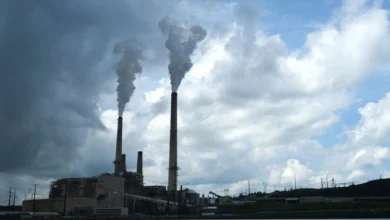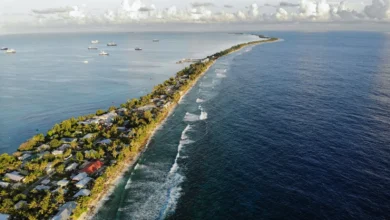
The rapid expansion of the American offshore wind industry, once heralded as a cornerstone of the nation’s transition to renewable energy, has hit a profound period of stagnation. What began as a federally backed, multi-billion-dollar effort to create a domestic workforce capable of installing and maintaining massive turbine arrays is now grappling with the harsh realities of shifting political winds. As the second term of the Trump administration unfolds, the industry is navigating a landscape defined by canceled leases, revoked funding, and a deep, systemic uncertainty that has left thousands of newly trained workers—and the institutions that prepared them—wondering if the sector has a viable future.
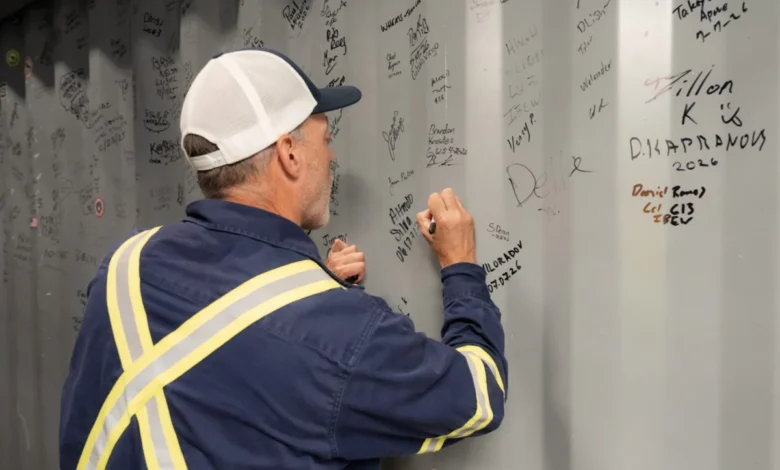
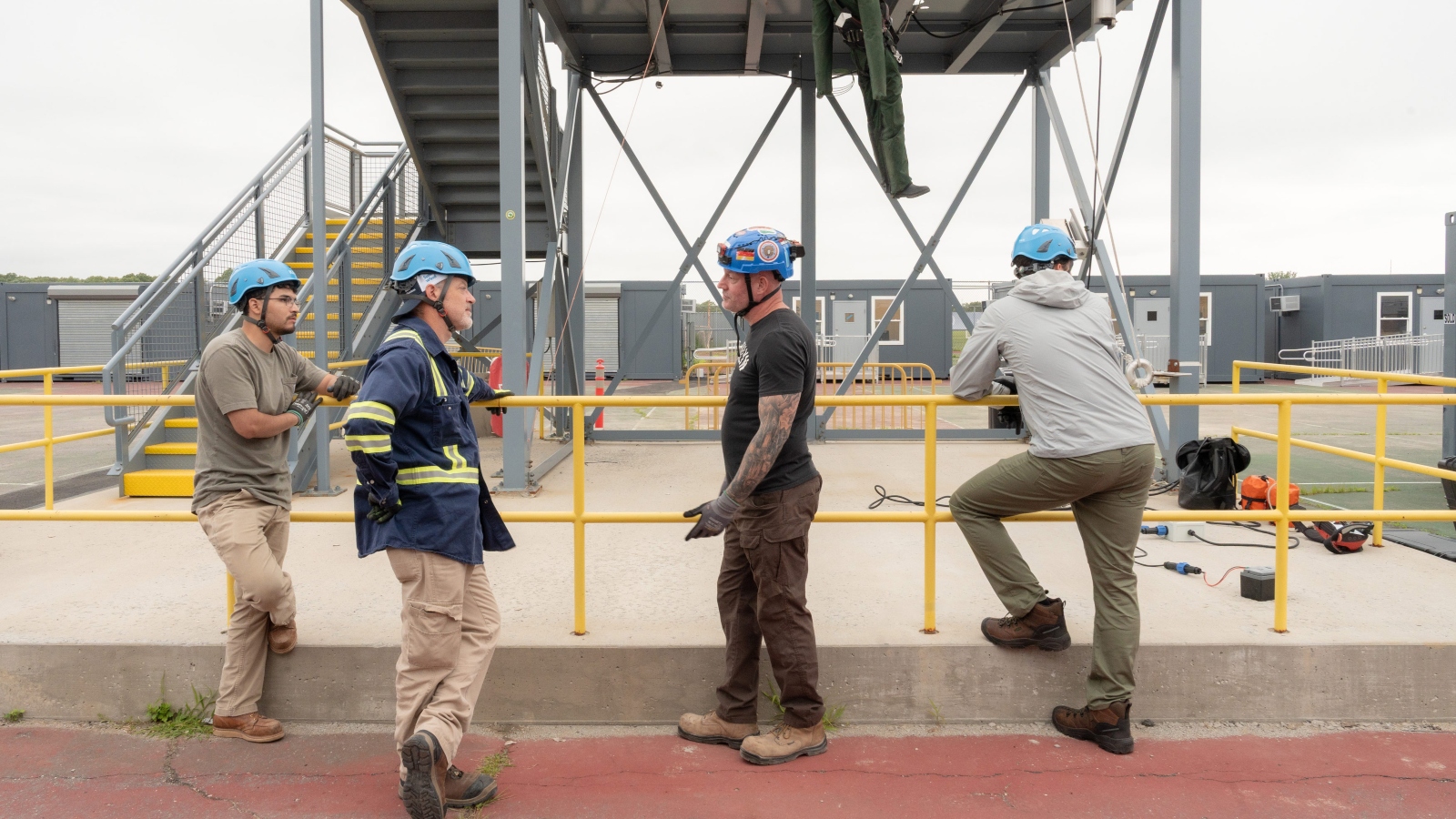
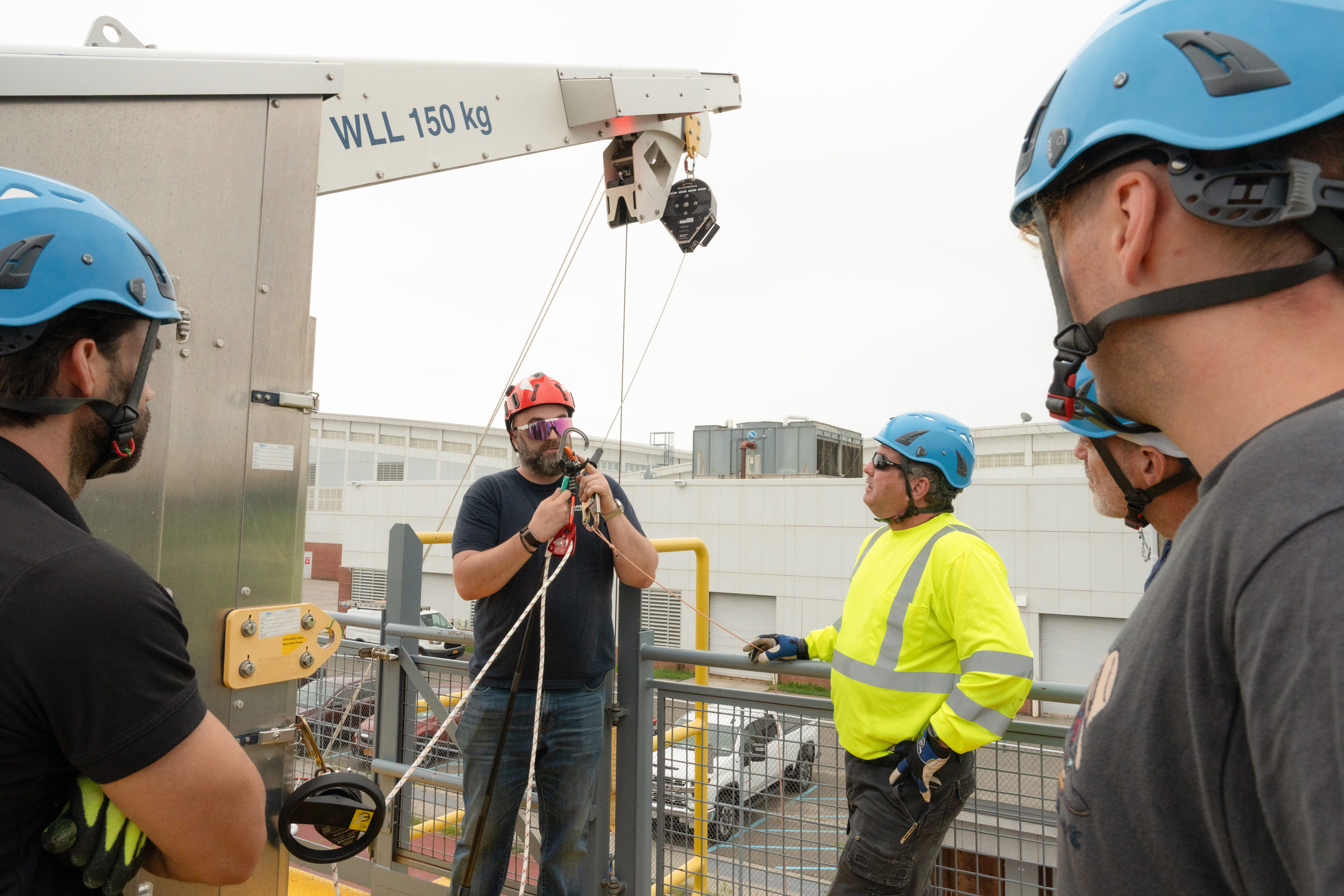
William “Billy” Bishop, a former Navy sailor and member of the International Union of Laborers Local 1298 on Long Island, represents the human face of this volatility. Two years ago, Bishop saw the offshore wind sector as a stable, long-term career path. After securing a safety certification from the National Offshore Wind Training Center (NOWTC)—a flagship collaborative effort between Suffolk County Community College, the Long Island Federation of Labor, and the global energy developer Orsted—he transitioned into a role conducting structural inspections for the Sunrise Wind project. Today, his optimism has been replaced by a pragmatic concern. "I would definitely do this forever," Bishop said. "But I see contracts falling through nonstop now in America. This might be the last one for a while."
The Rise and Stall of a Clean Energy Vision
In 2021, the Biden administration unveiled an ambitious goal: to deploy 30 gigawatts of offshore wind energy by 2030. At the time, the U.S. offshore wind sector was virtually non-existent, requiring the government to jump-start an entire supply chain from scratch. Projections from the Department of Energy indicated that achieving this scale would necessitate a specialized workforce of approximately 77,000 people. This labor force would be tasked with the complex technical work of constructing deep-water foundations, installing subsea cables, maintaining high-voltage transmission equipment, and manufacturing heavy-duty steel components.
States, unions, and universities responded to the call with alacrity. The creation of the NOWTC was a direct outcome of this momentum, aimed at standardizing safety and technical training for a workforce that would anchor the East Coast’s energy grid for decades. However, the political environment shifted dramatically on January 20, 2025. In one of its first major energy-related actions, the Trump administration issued a “wind order,” which effectively paused all new lease sales and stalled permit approvals for offshore projects. This was followed by a series of emergency stop-work orders on ongoing construction, justified by the administration under the umbrella of national security concerns.
While federal courts later overturned several of these directives, the administrative friction continued. The White House moved to rescind hundreds of millions of dollars in earmarked grants and signaled a departure from the federal tax credit structures that had previously incentivized private investment. By mid-2026, the administration had begun a strategy of paying developers to abandon their existing offshore leases, a move that effectively dismantled the pipeline of projects that had been in development for years.
Economic and Strategic Implications
The shift in policy has created a profound ripple effect across the energy industry. Industry researchers at ClearView Energy Partners have noted that the volatility of American energy policy has reached a critical threshold. Timothy Fox, a managing director at the firm, observed that the pendulum of energy policy has historically swung between administrations, but the current amplitude is so extreme that it threatens to undermine the foundations of long-term infrastructure investment.
The economic consequences are measurable. Currently, only about 6 gigawatts of offshore wind capacity are either operational or under construction—a fraction of the initial 30-gigawatt target. Furthermore, the absence of new project groundbreakings since early 2025 has created a “cliff” for training programs. Institutions like the Pile Drivers Local Union 56 in Boston, which invested heavily in training members to handle 1,800-ton offshore piles, are now reaching the end of their current project cycles.
"Right now, our projects are on the tail end," said John Dunderdale, business manager for the pile drivers’ union. Dunderdale expressed frustration over the loss of projects like New England Wind and SouthCoast Wind, which were nearing final approval before the change in administration. These projects represented not just jobs, but the establishment of a localized, specialized industrial base that is now, in many cases, being dismantled or exported to international markets.
Adapting to a Changing Landscape
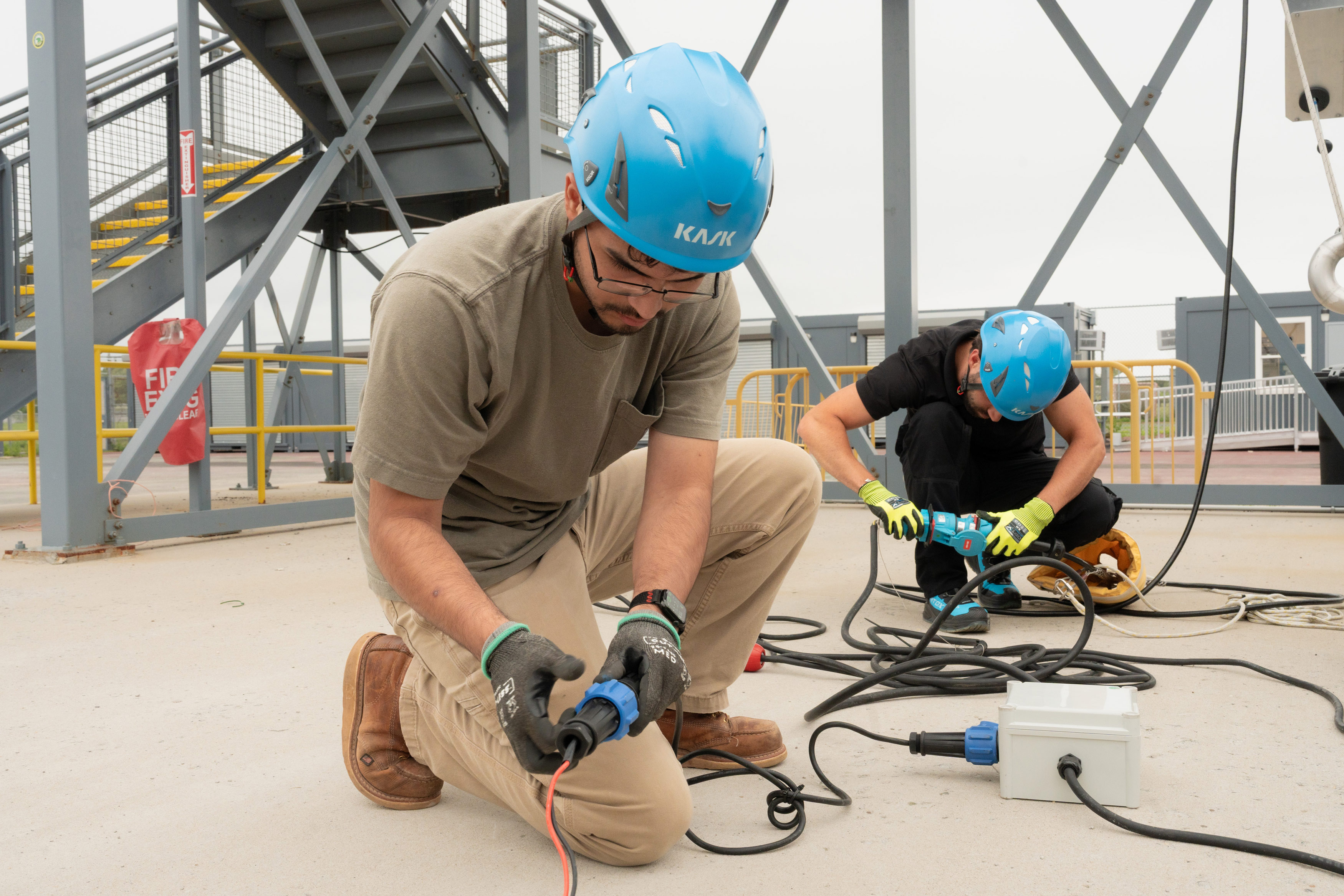
Despite the contraction of the offshore wind sector, the workforce development programs that emerged during the "boom" years are demonstrating significant institutional agility. Rather than closing their doors, these centers are pivoting to focus on broader applications for the skills they teach.
At Stony Brook University, the Offshore Wind Training Institute has adjusted its curriculum. While the initial focus was on the specific wiring needs of offshore turbine arrays, the program now emphasizes High-Voltage Direct Current (HVDC) systems for a variety of applications, including solar farm integration and regional grid stability. Derek O’Connor, a senior workforce development manager at the university, explained that the goal is to remain "flexible and agile." By decoupling the skills from a single source of power generation, the university hopes to maintain the relevance of its graduates in an energy sector that is, at its core, undergoing a massive, long-term electrification.
Similar pivots are occurring across the country. Maryland’s state-funded training programs have begun placing workers in shipbuilding and aerospace sectors, leveraging the technical skills in welding and heavy-machinery operation that were originally cultivated for wind turbine construction. The Massachusetts Clean Energy Center has shifted its portfolio toward "ocean tech," focusing on coastal resilience and marine ecosystem monitoring.
The Future of the Green Collar Workforce
The Bureau of Labor Statistics continues to list wind turbine technicians and solar installers among the fastest-growing occupations in the United States, underscoring a persistent mismatch between political rhetoric and market demand. Abby Huston, vice president of programs for the Clean Power Institute, notes that the industry’s need for talent has not vanished, even if the specific avenue for that labor has been obstructed.
"What we’ve found is there’s a lot more adaptation in terms of how to build workforce programs rather than closing them down, because there’s still such a huge need," Huston said. The fundamental issue remains that while the energy transition is moving forward in various forms, the offshore wind sector specifically is facing an existential crisis regarding its regulatory environment.
For individuals like Billy Bishop, the future is a matter of wait-and-see. He recently returned to the National Offshore Wind Training Center to renew his certifications, a process that ensures his eligibility for the final phases of the Sunrise Wind project. "I think we’re going to be busy into 2027," says Roger Clayman, a director at the NOWTC. "How deep into 2027, we don’t know."
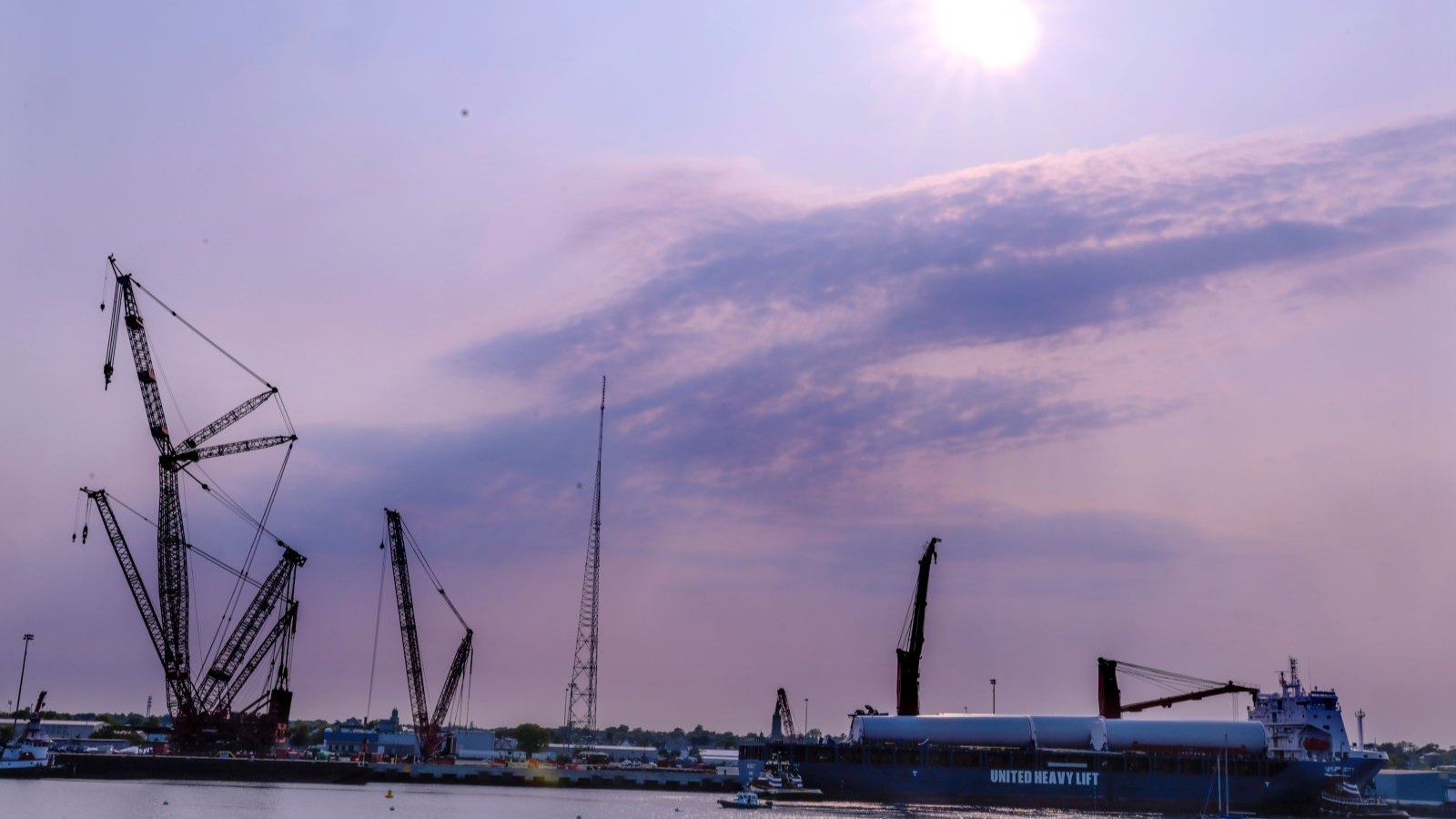
As the clock ticks toward 2027, the offshore wind industry finds itself in a state of suspended animation. While the physical infrastructure currently in the water continues to deliver power to the grid, the pipeline for future development remains largely severed. For the workers who pinned their livelihoods on the promise of an offshore wind revolution, the experience serves as a stark reminder of the vulnerability of "green collar" jobs to the shifting tides of federal policy. Whether the industry is truly in a "bust" or simply in a prolonged, painful delay remains the central question for policymakers and workers alike. For now, the focus is on preservation—preserving the skills, the certifications, and the infrastructure in the hope that, as proponents suggest, the offshore wind boom is not dead, merely deferred.