The Era of the Super El Niño and the Escalating Crisis of Global Climate Volatility

The global climate system is currently navigating a period of unprecedented turbulence as a record-breaking El Niño event reshapes weather patterns across the planet. Characterized by a dramatic shift in Pacific Ocean trade winds, this phenomenon has moved beyond typical seasonal variability to reach what researchers are identifying as "super" status. With sea surface temperatures in the Niño 3.4 region reaching a staggering 3.11 degrees Celsius above the historical baseline, the international community is facing a convergence of extreme heat, shifting agricultural yields, and a mounting public health crisis. California has already formalized this threat, with state officials issuing a proclamation of emergency to mobilize resources for the inevitable surge in extreme weather events. As scientists struggle to find appropriate terminology for a climate reality that is rapidly outpacing traditional categorization, the world remains on high alert for what could be the most disruptive meteorological event of the decade.
The Mechanics of a Global Disruptor
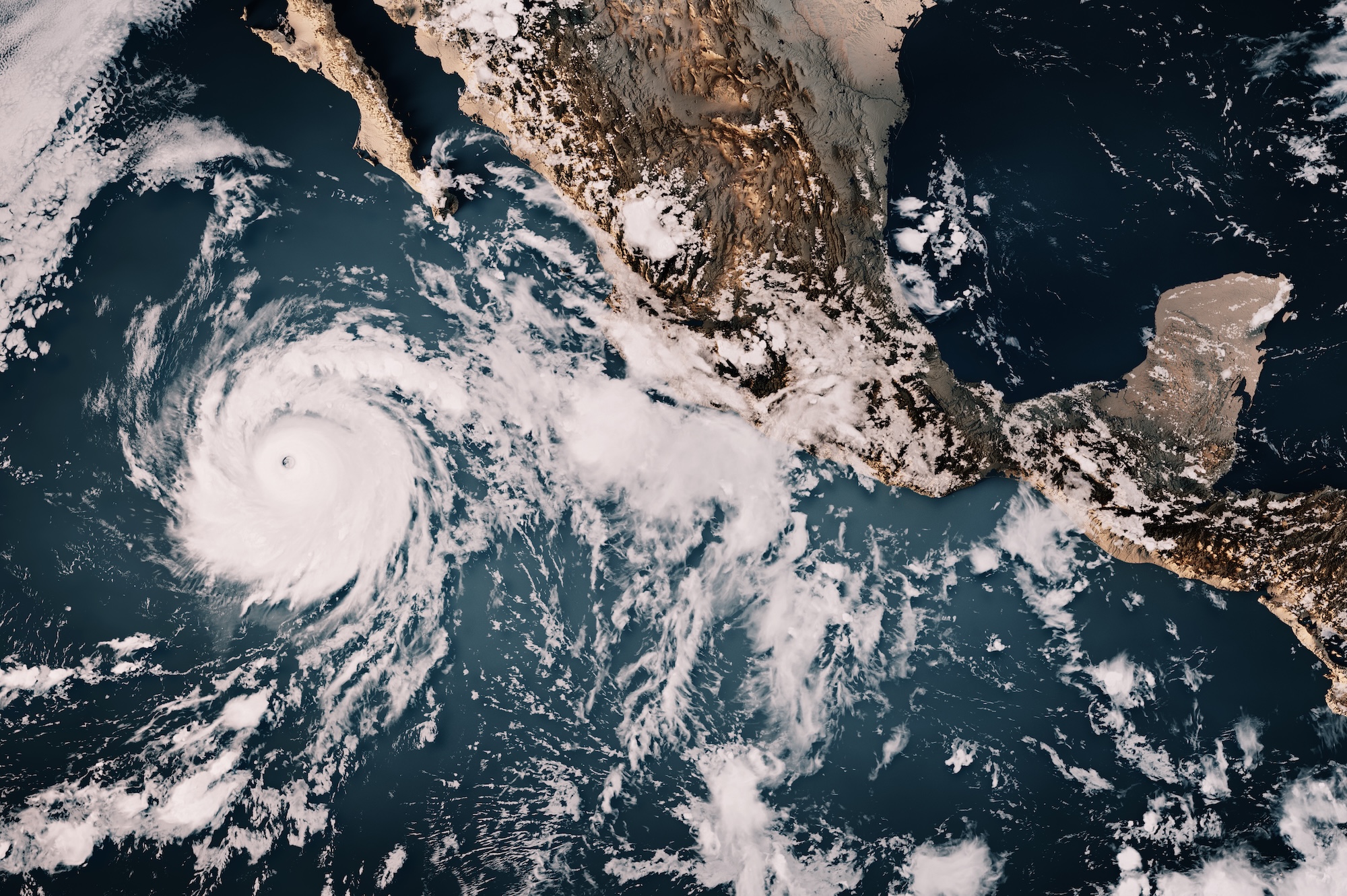
At its core, El Niño is a naturally occurring cycle defined by the periodic warming of sea surface temperatures in the central and eastern tropical Pacific Ocean. Under normal conditions, powerful trade winds move east to west, pushing warm, sun-drenched surface water toward East Asia and Australia, while allowing cold, nutrient-rich water to rise to the surface along the coast of the Americas.
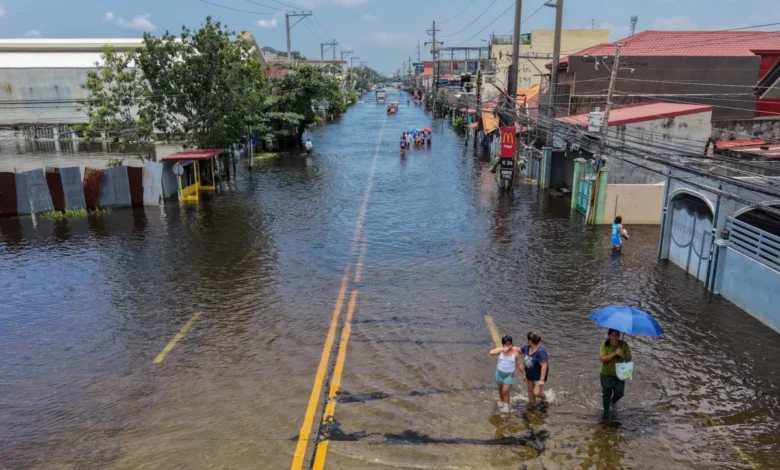
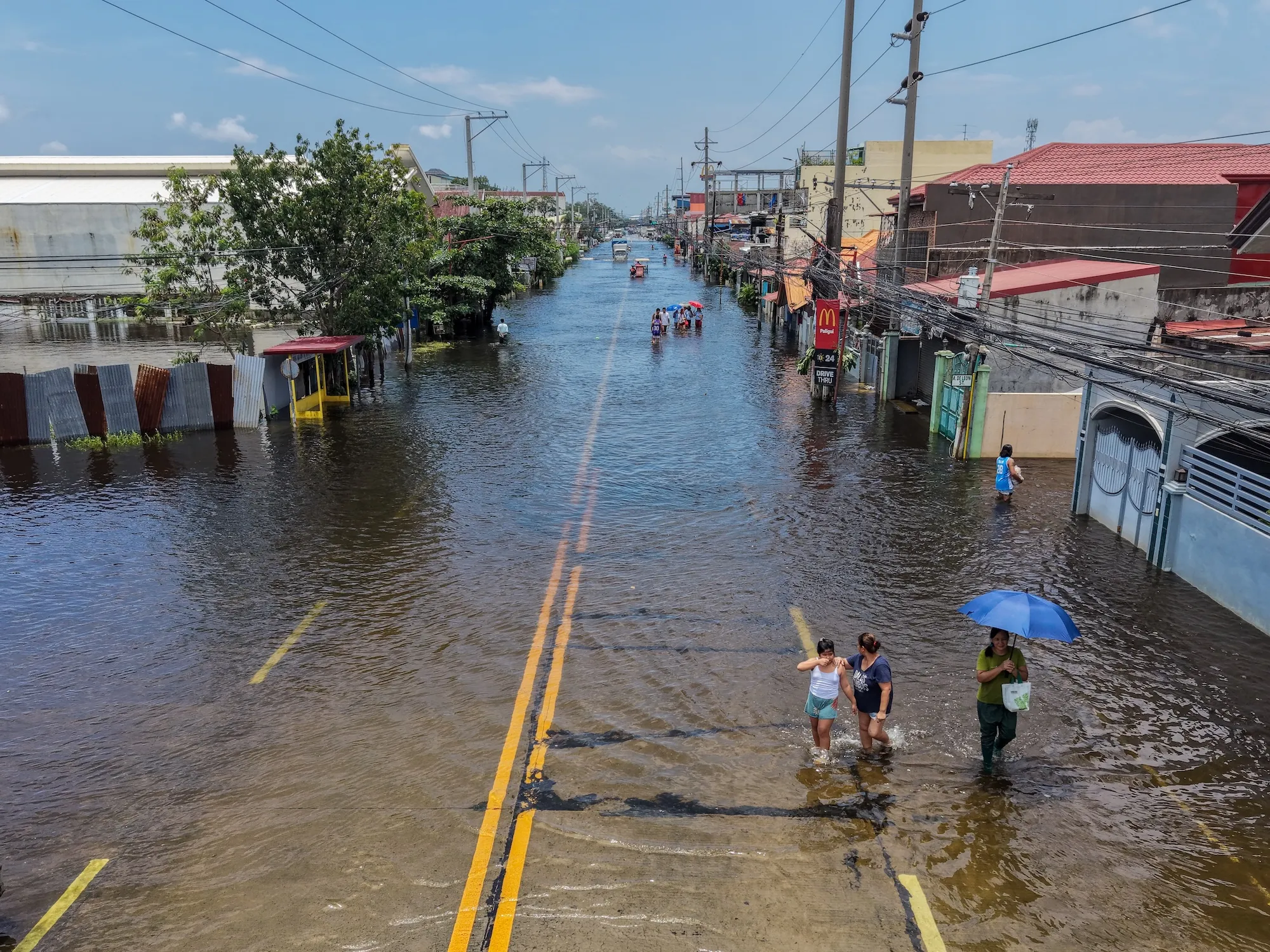
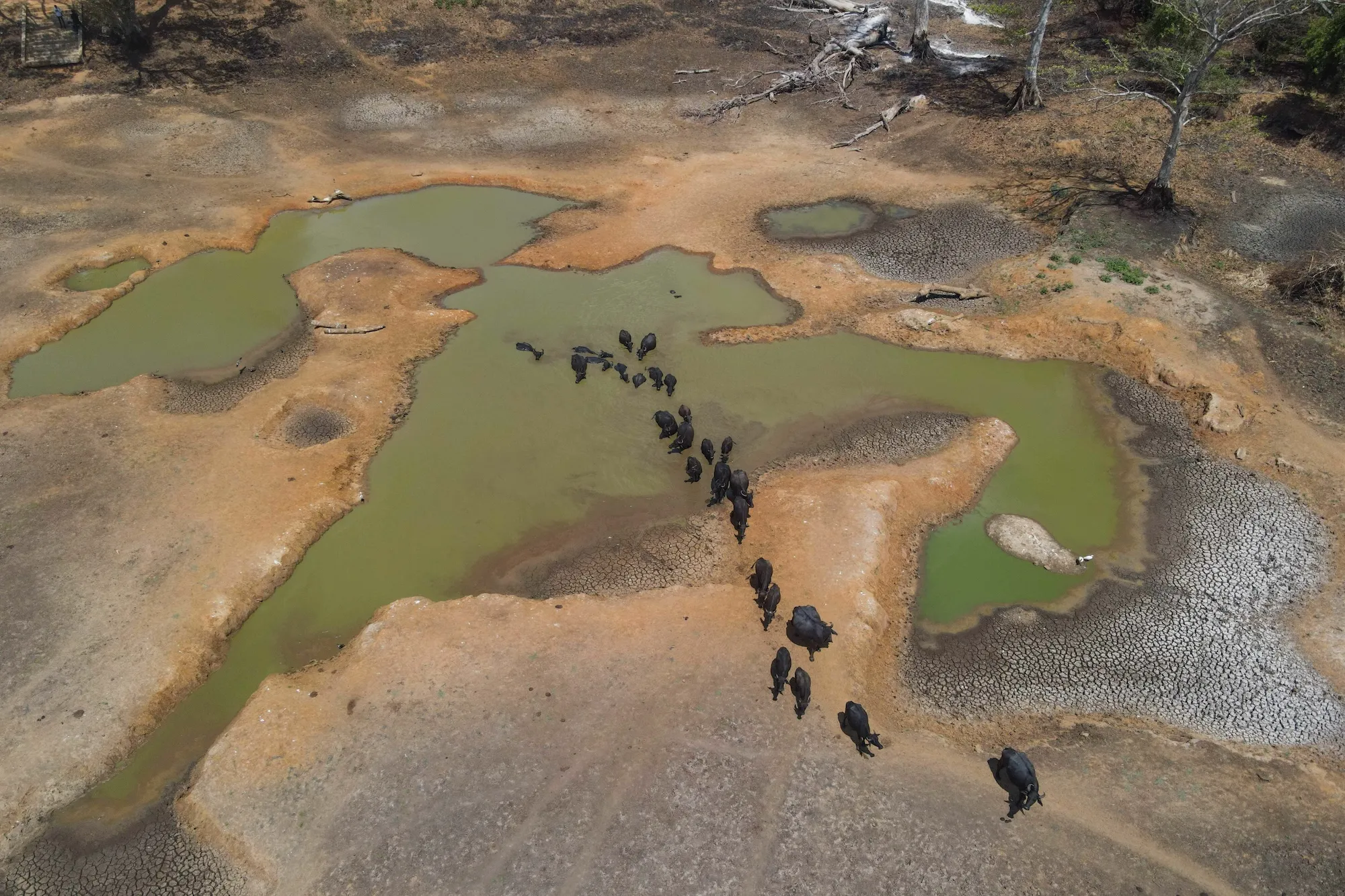
During an El Niño year, these trade winds weaken or, in extreme cases, reverse entirely. This allows the vast pool of warm water to "slosh" back toward the western coast of the Americas, effectively upending the global heat distribution system. This massive redistribution of thermal energy acts as a catalyst for a chain reaction of climatic anomalies: increased rainfall in some regions often leads to catastrophic flooding, while historically productive agricultural zones in Asia and parts of Africa face the prospect of severe, prolonged drought.
A Chronology of Escalation
The current trajectory of this event began to materialize earlier this year, as oceanographic monitoring stations recorded rapid warming across the Pacific basin. By early summer 2026, climate models from major global meteorological institutions—including the National Oceanic and Atmospheric Administration (NOAA) and the World Meteorological Organization (WMO)—began to indicate that the developing event would not be a standard oscillation.
By September 2026, the situation reached a critical inflection point. The anomaly in the Niño 3.4 region—a standard metric for tracking the intensity of these events—surpassed the 3-degree threshold. For context, an El Niño is typically classified as "strong" at 1.5 degrees and "very strong" at 2 degrees. The leap to 3.11 degrees represents a statistical outlier that has eclipsed the previous record-holding event of 2015. Forecast models now project a 90 percent probability that these extreme conditions will persist through the end of the year, likely peaking in the winter months of 2026 and early 2027.
Supporting Data and Scientific Projections
The implications of this warming are not merely academic; they are deeply tied to the broader, systemic crisis of anthropogenic climate change. While El Niño is a natural cycle, the "backdrop" of global warming—driven by the accumulation of greenhouse gases—has fundamentally changed how these events manifest.
Current research suggests that the warming of the Pacific is currently acting as a force multiplier for global mean surface temperatures. The year 2026 is on track to set a new global heat record, and early projections for 2027 suggest the trend of warming may continue, potentially serving as a "fast-forward" button for the climate. Some climatologists have noted that current conditions mirror the atmospheric profiles originally projected for the year 2040, providing a premature and alarming glimpse into the future of a warmer planet.
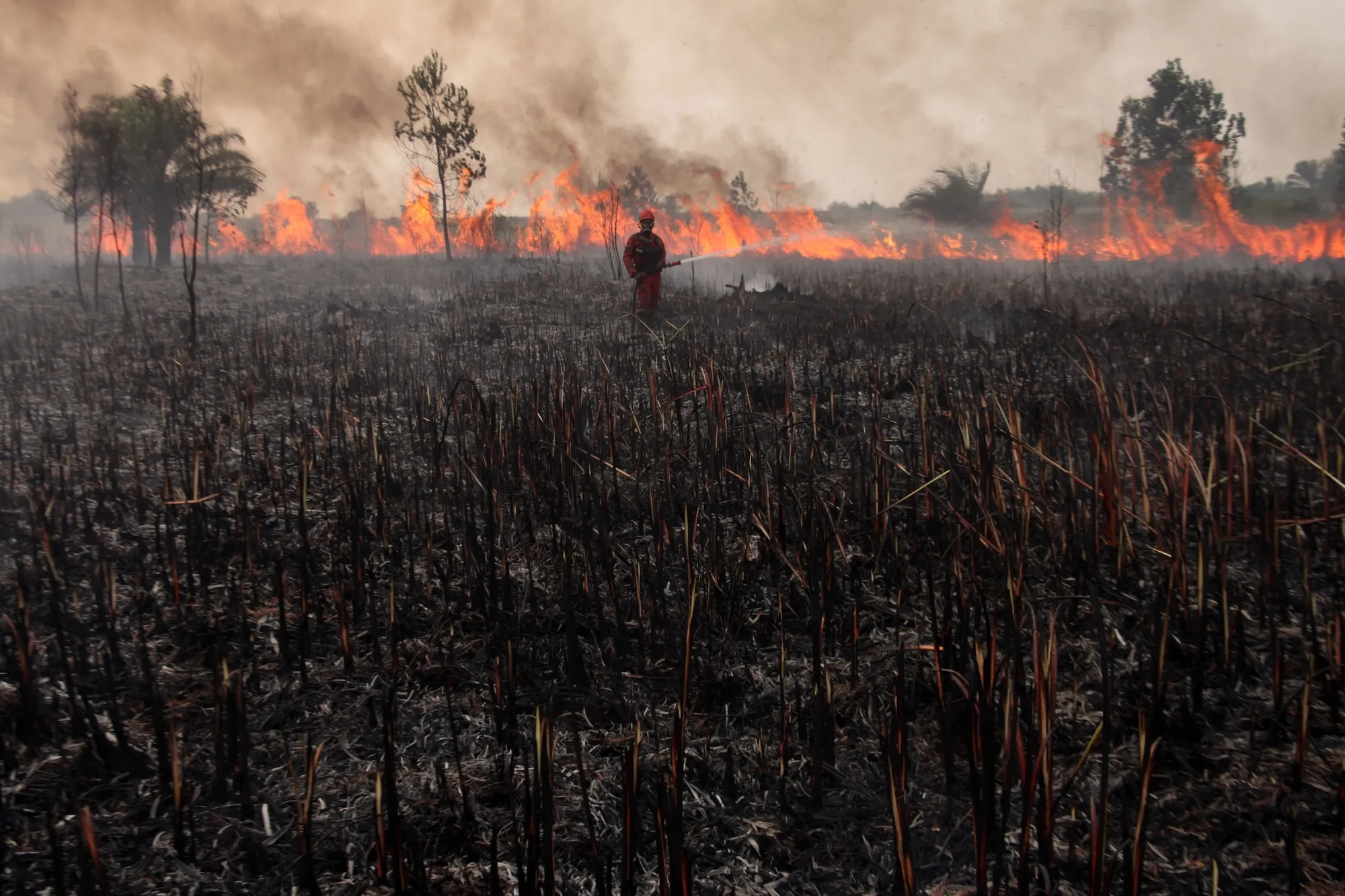
Furthermore, the public health toll is a central concern for humanitarian organizations. A recent study, citing the synergistic effects of heatwaves and the resulting degradation of air and water quality, has projected that this specific El Niño could contribute to as many as 451,000 heat-related excess deaths globally by February 2027.
Official Responses and Strategic Preparedness
Governments are shifting from monitoring to emergency mitigation. In California, the proclamation of a state of emergency is not merely a bureaucratic gesture but a strategic move to unlock federal funding and logistical support for infrastructure protection. The state is bracing for a "wet" El Niño scenario, which threatens to overwhelm drainage systems, exacerbate coastal erosion, and trigger landslides in regions still recovering from previous fire seasons.
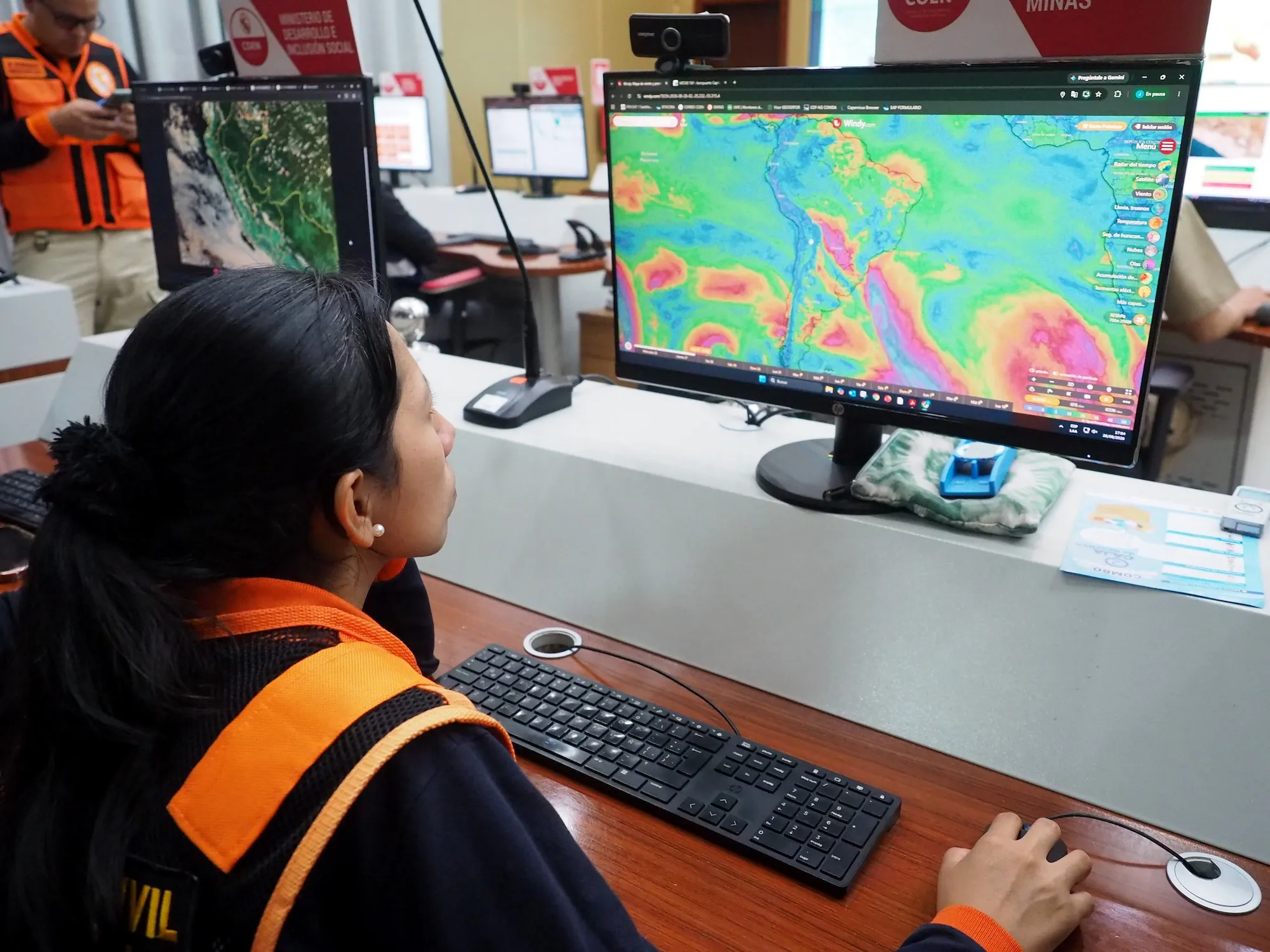
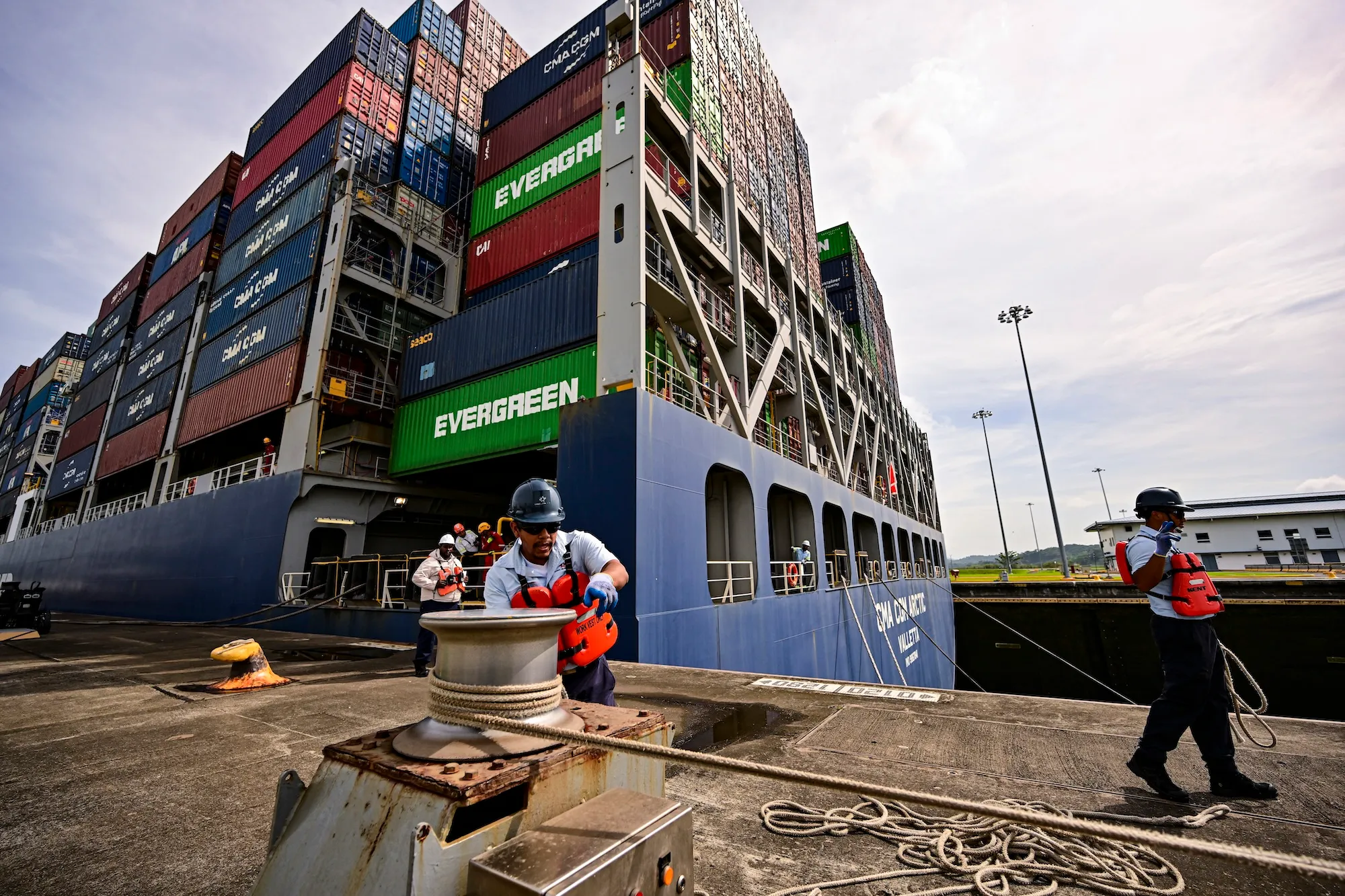
In South America, specifically in nations like Peru and Ecuador, civil defense agencies have initiated national multi-hazard drills. These exercises focus on urban resilience, the strengthening of coastal defenses, and the pre-positioning of food and medical supplies. In the Panama Canal, administrative authorities have already implemented transit restrictions due to the drought conditions linked to the altered precipitation patterns, illustrating the profound economic vulnerability inherent in a global supply chain dependent on stable water levels.
The Linguistic Challenge: Defining the "Super" Event
The rise of the term "Super El Niño" has sparked a debate within the scientific and linguistic communities. While the phrase does not appear in official NOAA or WMO technical literature, it has gained widespread adoption as a necessary tool for public communication.
Ecolinguistics researcher Jovana Vurdelja notes that the search for the "right" terminology is an attempt to quantify the severity of a threat that is evolving faster than our vocabulary. As climate events become more frequent and more intense, the scientific community is finding that traditional scales—like those measuring El Niño intensity—are failing to capture the lived reality of these crises. Scientists such as Zeke Hausfather have recently suggested that if current models hold, the world may soon need an entirely new lexicon to describe the atmospheric phenomena that fall outside the "Super" classification. This has led to the inclusion of increasingly descriptive, if informal, terms in academic discourse, ranging from "monster" events to "mind-boggling" heat anomalies.
Broader Impact and Future Implications
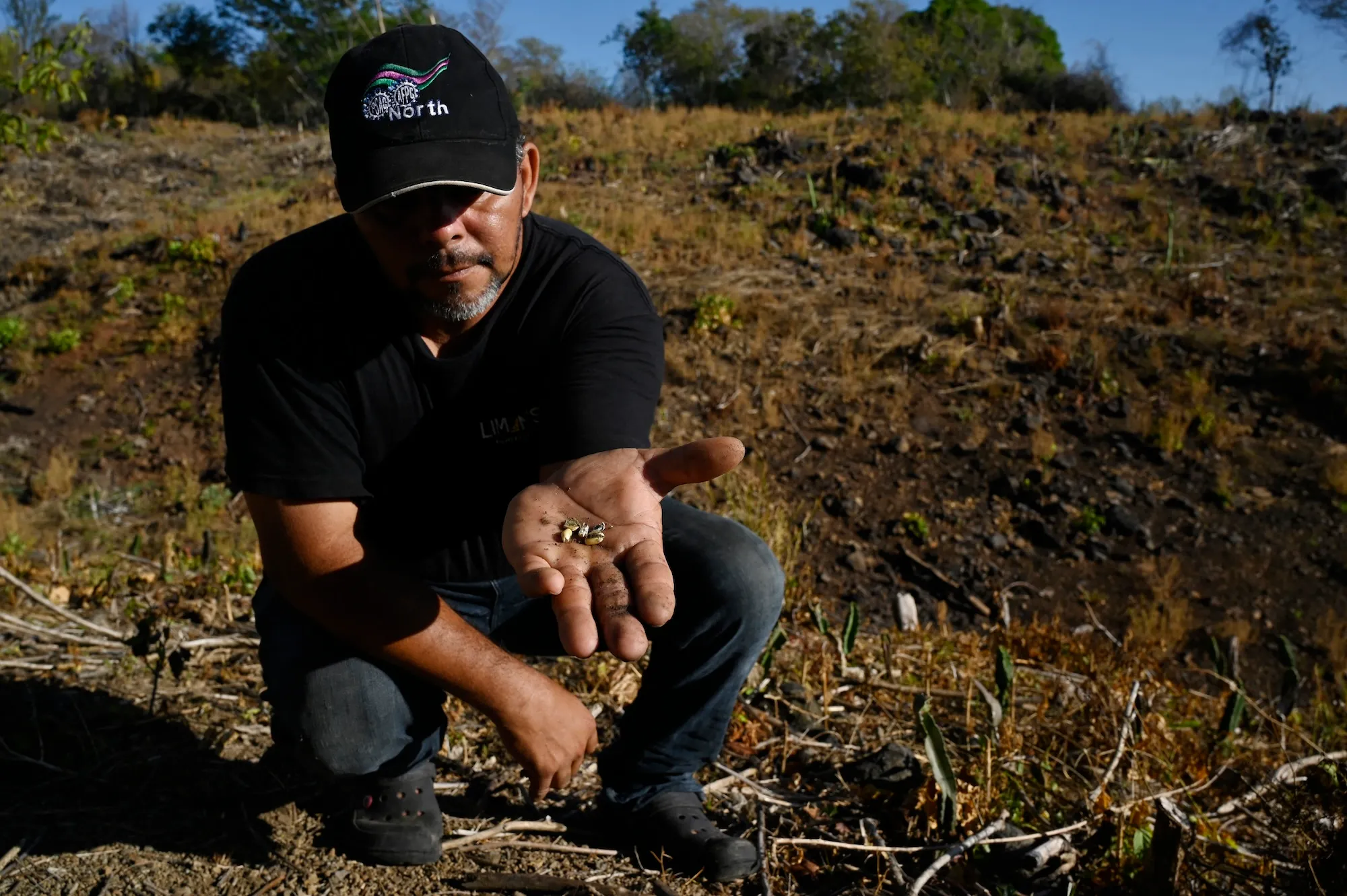
The long-term implications of this event extend to food security, energy production, and geopolitical stability. Agricultural yields in major grain-producing regions are already showing signs of stress. In Honduras, farmers have reported failures in crop germination due to extreme drought, a trend that is mirrored in other regions reliant on consistent seasonal rainfall. When these localized failures occur simultaneously across multiple breadbasket regions, the result is often a global spike in commodity prices, which can trigger social unrest in import-dependent nations.
Additionally, the reliance on hydroelectric power is being tested. As reservoirs in drought-stricken areas hit historic lows, nations are being forced to pivot back to fossil-fuel-based energy, which in turn accelerates the cycle of global warming that contributes to these extreme weather events in the first place.
As the world enters the winter of 2026, the "Super El Niño" serves as a stark reminder of the limitations of existing infrastructure and policy frameworks. Whether the current measures, such as California’s emergency declaration or global supply chain adjustments, will be sufficient to mitigate the worst effects of this event remains the most pressing question for the international community. The event is a diagnostic test for global resilience, proving that the climate of the past can no longer be used to predict or prepare for the climate of the present. As data continues to arrive from every corner of the Pacific, the consensus among researchers is clear: the era of "business as usual" regarding climate preparedness has effectively come to an end, necessitating a paradigm shift in how humanity manages, anticipates, and communicates the risks of a rapidly warming world.