The Human Cost of Houseplants: Activists Demand Heat Protections for Nursery Workers Amid Rising Temperatures

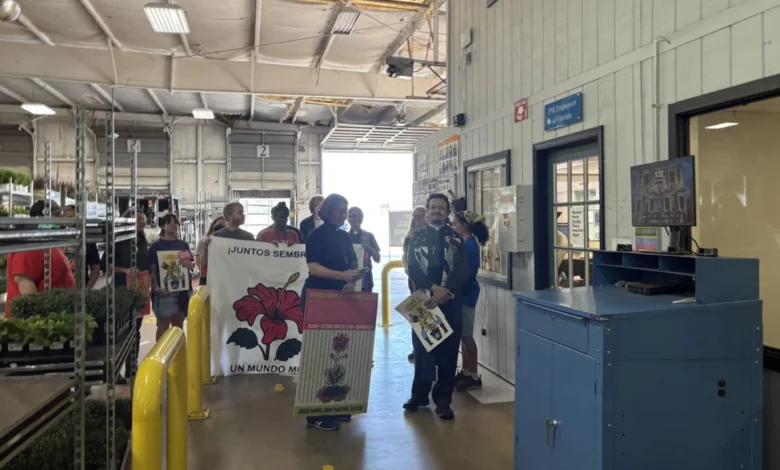
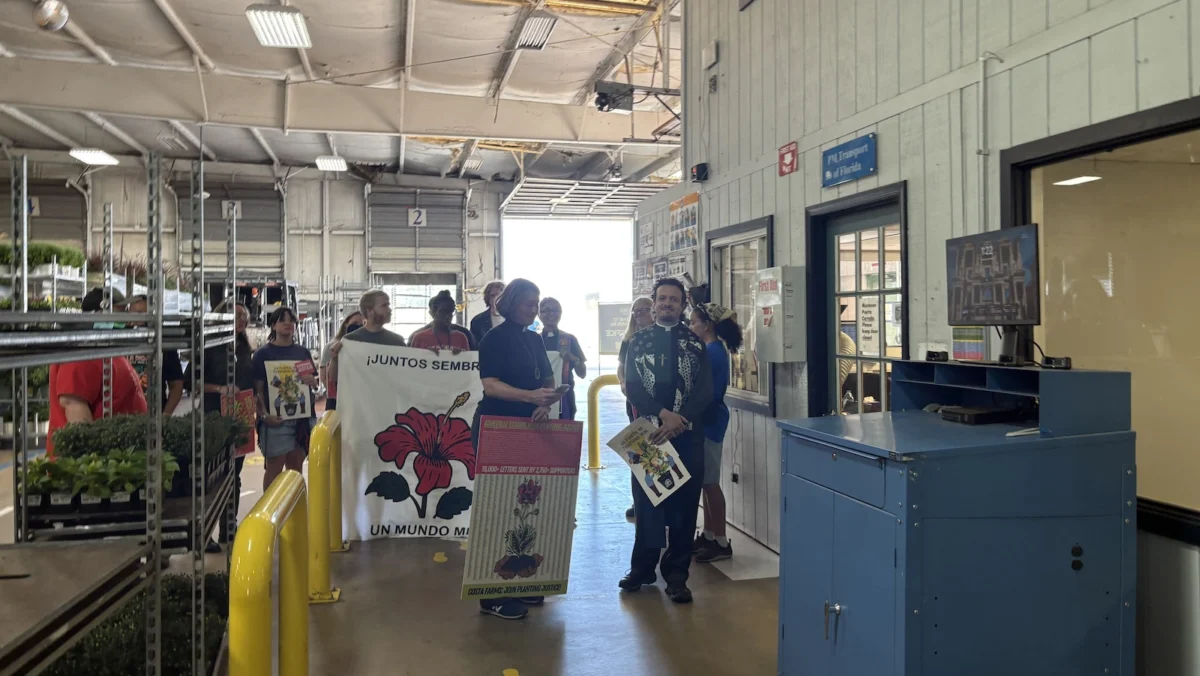
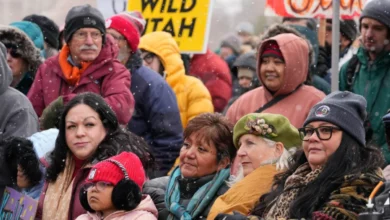
On the Tuesday following Labor Day, a coalition of labor advocates gathered outside the gates of a sprawling Costa Farms nursery in Leicester, North Carolina. As the sun beat down on rows of steamy greenhouses—the birthplace of millions of indoor plants sold in big-box stores across America—a small group of activists arrived with a singular, urgent mission: to deliver a petition demanding fundamental protections for the laborers who toil within those sweltering structures. Led by figures such as Oscar Rozo, an Episcopal clergy member deeply involved with western North Carolina’s immigrant communities, the group sought to confront management directly regarding the persistent lack of guaranteed water, shade, and paid recovery breaks for workers facing increasingly extreme heat.
The action in Leicester was not an isolated event. It served as a localized front in a broader, multi-state campaign organized by WeCount, a worker-led labor and human rights organization. The campaign, dubbed "Planting Justice," targeted five major cities where Costa Farms operates, including a simultaneous delivery in Apopka, Florida. According to Oscar Londoño, co-executive director of WeCount, this coordinated day of action marks a turning point in how labor advocates are approaching the nexus of climate change and worker vulnerability in the agricultural sector.
The Legislative Landscape and the Erosion of Local Protections
To understand the urgency behind the Planting Justice campaign, one must look at the recent history of labor regulation in the United States. Since 2021, WeCount has been at the forefront of advocacy for outdoor workers, particularly in South Florida. Their early efforts were focused on establishing municipal heat standards in Miami-Dade County, where climate modeling suggests that annual deaths linked to heat exposure could spike by 600 during extreme weather events.
However, the political climate proved as volatile as the physical one. In 2024, responding to pressure from industry groups that claimed local heat regulations would create "a lot of problems" for business, Florida Governor Ron DeSantis signed legislation preempting local governments from enacting their own workplace heat standards. This move effectively nullified the progress made by advocates in Miami-Dade and set a restrictive precedent for other municipalities. With legislative avenues closing at the state and local levels, organizations like WeCount have been forced to shift their strategy toward "worker-driven social responsibility"—a model that bypasses stalled government bureaucracy to hold corporations directly accountable.
Lessons from the Fair Food Program
The strategy employed by WeCount is heavily modeled on the Fair Food Program, an initiative launched in 2011 by the Coalition of Immokalee Workers. Widely regarded as the gold standard for agricultural labor rights in the U.S., the program utilizes market-based pressure to enforce strict labor codes. By convincing major retailers to purchase exclusively from growers who adhere to a transparent, worker-verified code of conduct, the program has successfully improved conditions for thousands of farmworkers.

The effectiveness of this model lies in its agility. While federal regulations often take years or decades to evolve, the Fair Food Program allows for iterative improvements. For example, as heat-related illnesses became more prevalent, the program updated its requirements to mandate not just access to water, but also the provision of electrolyte supplements year-round. WeCount is attempting to replicate this success, seeking to pressure retailers like Home Depot and IKEA—major buyers of Costa Farms’ inventory—to adopt similar standards for their supply chains.
The Hidden Risks of the Nursery Industry
The physical reality for many nursery workers is starkly different from the aesthetic appeal of the houseplants they cultivate. Agricultural workers are among the most vulnerable in the American labor force; they are excluded from federal collective bargaining protections under the National Labor Relations Act and are statistically more than 35 times more likely to die from heat-related illnesses than workers in other industries.
The dangers are multifaceted. According to a comprehensive survey conducted by WeCount, 86% of houseplant workers industry-wide reported dangerous incidents on the job, ranging from heat exhaustion to chemical exposure from pesticides. Furthermore, over two-thirds of those surveyed reported being denied breaks or time off. The precarious nature of their employment—often tied to H2-A visas or, in some cases, an undocumented status—creates a power imbalance that makes it nearly impossible for workers to report abuses without risking their livelihoods or legal standing.
Alejandro Gonzalez, a nursery worker originally from Guatemala, provided a harrowing account during a Florida rally, describing summer temperatures inside greenhouses that regularly exceed 110 degrees Fahrenheit. His testimony echoed concerns raised by many in the industry: the water provided is often described as having a chemical odor or containing mold, and the lack of mandated breaks leaves workers with no way to recover from the intense, sustained heat of the growing season.
Corporate Responses and Internal Safety Policies
In response to the growing public pressure, Costa Farms has defended its workplace safety record. Ariana Cabrera de Oña, the company’s senior vice president and head of human resources, stated that the company has received numerous awards for its workplace protections and maintains a full-time, on-site nurse at its facilities.
"Our robust heat protection policy is aligned with the proposed OSHA heat safety rules," Cabrera de Oña said in a statement. The company further noted that, particularly following the devastation of Hurricane Helene in North Carolina, it implemented daily five-minute safety meetings to discuss risks, including weather forecasts. According to company documentation, when certain "wet bulb" temperature thresholds—a measure of heat and humidity that accounts for the human body’s ability to cool itself—are reached, Costa Farms mandates increased break frequency and the deployment of additional hydration stations.
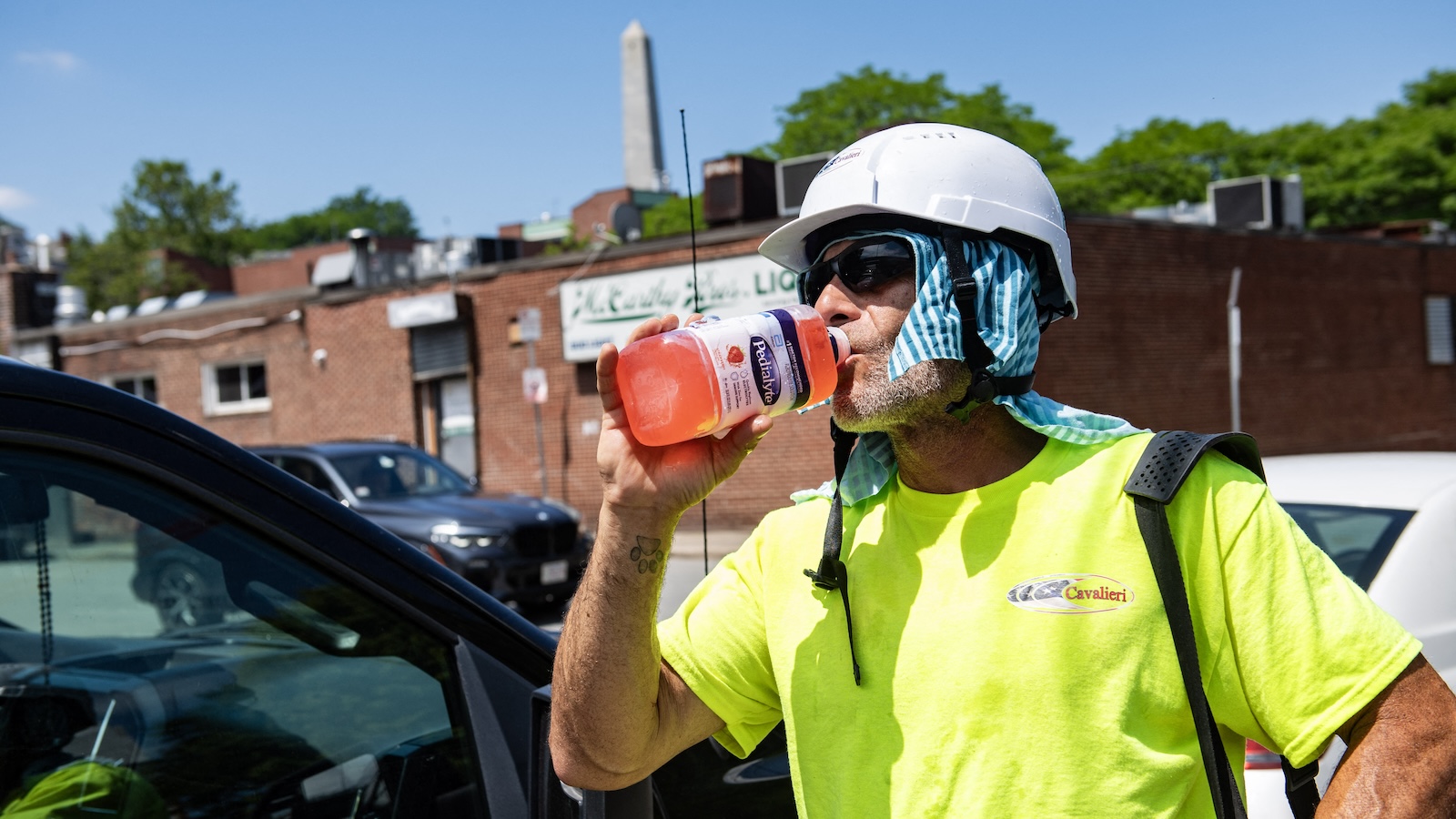
Despite these assurances, advocates maintain that there is a significant gap between policy and practice. Londoño argues that while corporate manuals may look sufficient on paper, the on-the-ground experience for workers remains inadequate, citing reports of contaminated water and supervisors who fail to honor requests for shade or rest.
The Federal Stalemate
The push for a federal heat standard has been a central goal for labor advocates for years. The Occupational Safety and Health Administration (OSHA) had been moving toward a set of nationwide guidelines intended to protect all workers from heat stress. However, as of late 2026, those efforts have largely stalled, caught in a gridlock between the executive branch’s regulatory goals and congressional opposition.
Heat is currently identified as the deadliest form of extreme weather in the United States, yet official reporting remains notoriously inaccurate. A recent two-year investigation by Boston University and NPR found that the true death toll from heat exposure is significantly higher than government figures suggest. Because heat is often listed as a secondary factor on death certificates rather than the primary cause, the true scale of the crisis in the agricultural sector remains obscured.
Looking Toward the Future
As the activists at the Leicester facility were eventually asked to leave the premises after delivering their petition, it became clear that the standoff is far from over. For WeCount, the incident serves as a call to action for consumers. By raising awareness about the human cost of the plants found in living rooms and offices across the country, they hope to transform the houseplant industry from a sector defined by exploitation into one that respects the dignity of its workers.
The Planting Justice campaign is now focused on the next phase: a wider engagement with retail partners. If they can replicate the success of the Fair Food Program, the initiative could create a market-driven shift that forces growers to prioritize worker safety as a standard of doing business. Until such standards are universally adopted, the disparity between the lush, vibrant plants sold to consumers and the grueling conditions under which they are grown will remain a critical, and increasingly visible, point of conflict in the American labor market. As the climate continues to warm, the necessity for robust, enforceable protections becomes not just a matter of labor rights, but a matter of fundamental human survival.