The Arrival of a Super El Niño Signals a Dangerous New Era for Global Climate Stability

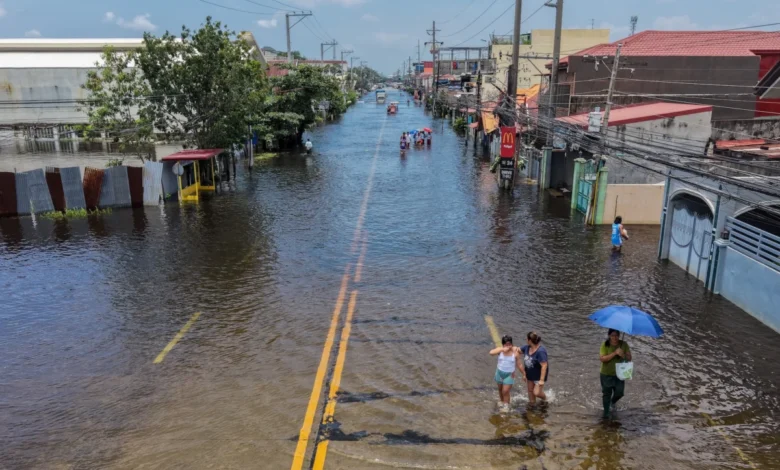
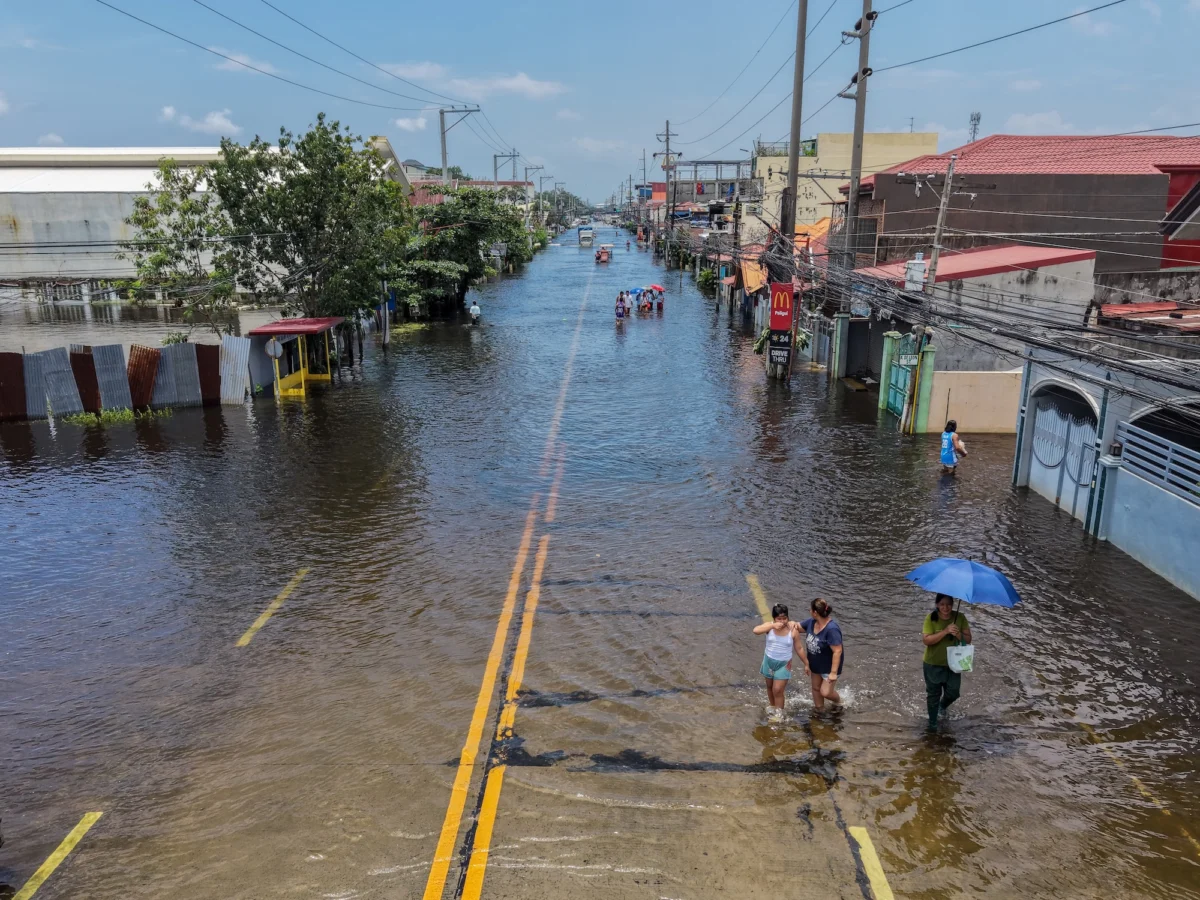
The global climate system is currently navigating one of the most volatile periods in recorded history as a rare and exceptionally intense El Niño weather pattern takes hold. Characterized by a significant shift in Pacific Ocean trade winds, this phenomenon has moved beyond typical meteorological thresholds, prompting governments to declare states of emergency and triggering urgent warnings from the international scientific community. With sea surface temperatures in the Niño 3.4 region reaching a staggering 3.11 degrees Celsius above average—shattering records set in 2015—the world is entering a period of profound environmental uncertainty. As this event unfolds, it acts as both a bellwether for the consequences of a warming planet and a grim preview of the climate volatility expected in the coming decades.
Defining the Phenomenon and Its Current Intensity
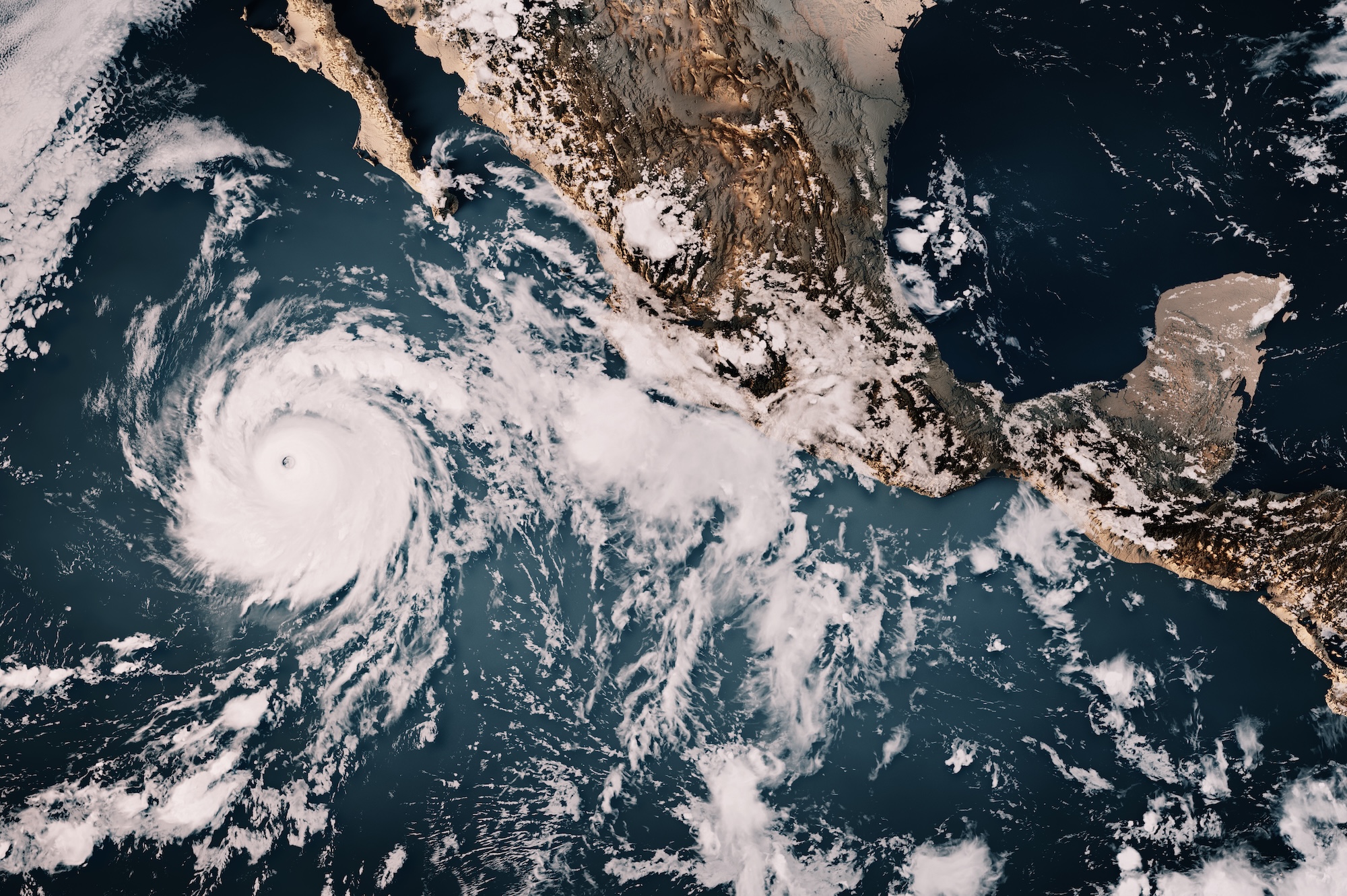
El Niño is a naturally occurring climate pattern that originates in the tropical Pacific. Under normal conditions, trade winds blow steadily from east to west, pushing warm surface water toward Asia and allowing cooler, nutrient-rich water to rise along the coast of the Americas. During an El Niño event, these winds weaken or reverse, allowing the vast reservoir of warm water in the western Pacific to surge eastward toward the coasts of North and South America.
While El Niño events occur periodically—typically every two to seven years—the current iteration has been categorized by many experts as a "Super El Niño." This colloquial, yet scientifically grounded, term is used to describe events where sea surface temperature anomalies in the central-eastern Pacific exceed 2 degrees Celsius. By surpassing the 3-degree threshold, the current event has firmly entered unprecedented territory, forcing climate researchers to reconsider the adequacy of existing classification systems. The shift is not merely academic; it represents a fundamental change in the thermodynamic energy available to drive atmospheric processes, leading to extreme weather events that are more frequent, more intense, and longer-lasting than historical baselines would suggest.
A Chronology of Escalation
The emergence of this climate anomaly did not occur in a vacuum; it followed a period of sustained ocean warming that began in early 2026. By mid-summer, oceanographic sensors deployed by the National Oceanic and Atmospheric Administration (NOAA) and international partners began recording heat content levels in the upper ocean that were statistically anomalous.
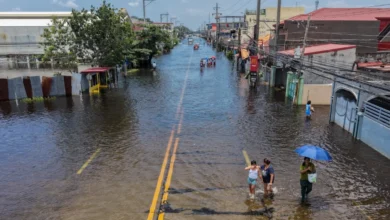
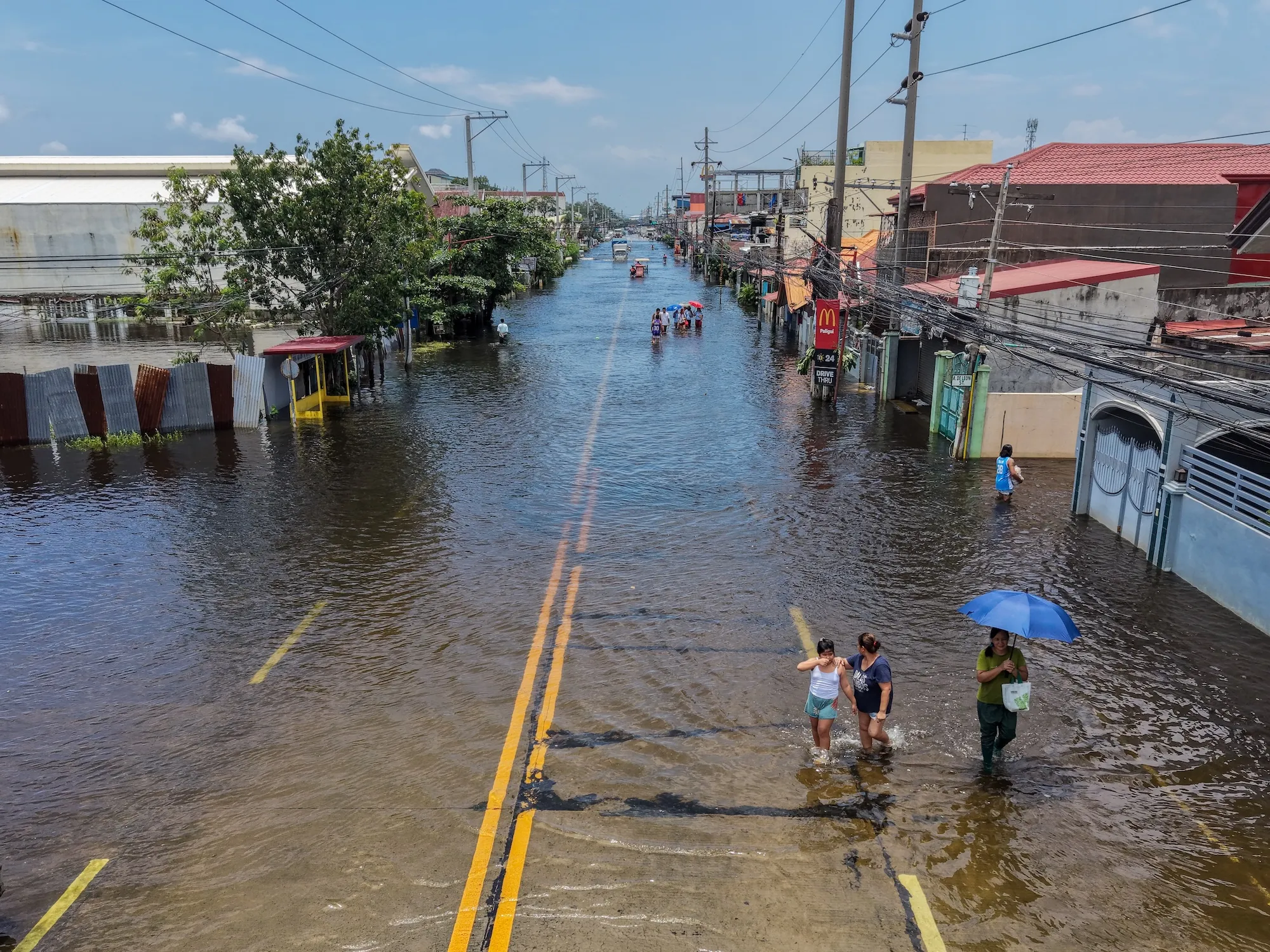
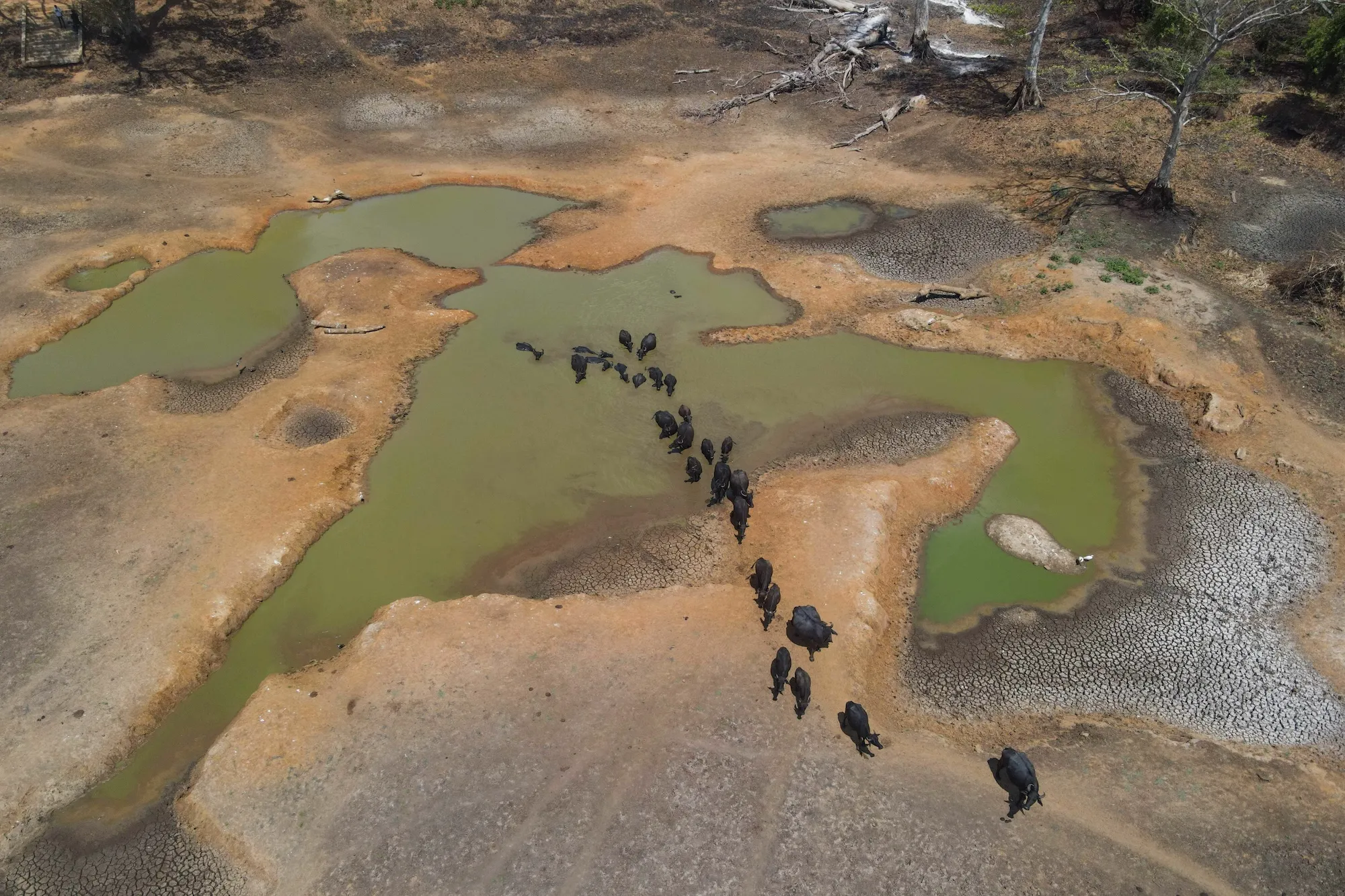
By August 2026, the atmospheric response to these oceanic conditions became undeniable. Monsoon patterns across Southeast Asia began to shift, leading to severe flooding in the Philippines, while the western coast of the Americas began to experience uncharacteristic moisture influxes and coastal erosion. By September, the trend had crystallized into a formal state of crisis. California, grappling with the dual pressures of severe coastal damage and long-term water scarcity, issued a formal declaration of a state of emergency. This move was designed to mobilize resources for disaster preparedness, bolster infrastructure against potential storm surges, and coordinate agricultural relief for communities facing the dual threat of drought and erratic rainfall.
The Intersection of Natural Variability and Human-Induced Warming
A central challenge for contemporary climate science is disentangling the natural variability of El Niño from the baseline of long-term global warming caused by the combustion of fossil fuels. While El Niño is a natural cycle, it is now occurring against a backdrop of global average surface temperatures that are significantly higher than they were in the mid-20th century.
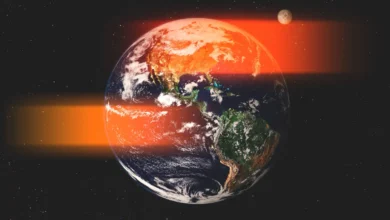
Data from major climate research institutions indicates that the cumulative effect is synergistic. When a powerful El Niño releases vast amounts of heat from the ocean into the atmosphere, it can "fast-forward" the planet’s temperature by several years. Some high-end projections suggest that the warming experienced during this event could mirror the average conditions the world might expect to see by 2040 in a world without such an event. This compression of timelines means that the agricultural, economic, and public health systems designed for the climate of the 1990s are now being tested by the realities of the 2040s.
Socioeconomic and Public Health Implications
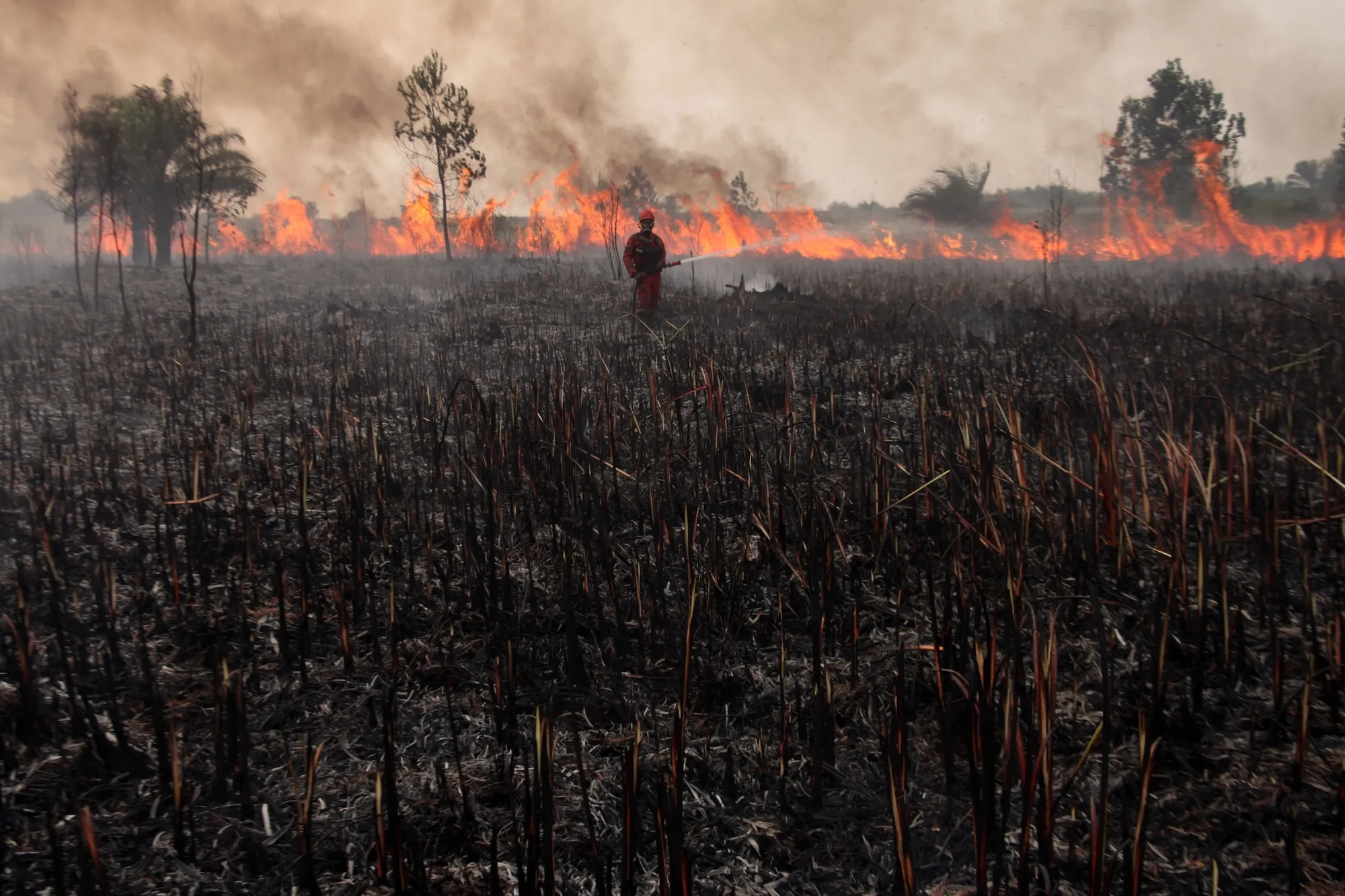
The implications of this event extend far beyond weather reports. The most immediate concern is public health, particularly in regions prone to heat stress. A recent peer-reviewed projection estimates that the heat-related mortality rate could rise by as many as 451,000 deaths worldwide between September 2026 and February 2027. This estimate accounts for the increased duration and intensity of heatwaves, as well as the strain placed on power grids and cooling infrastructure.
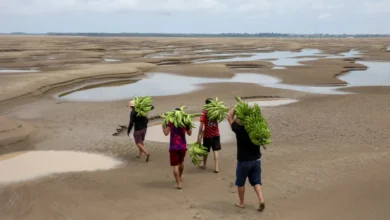
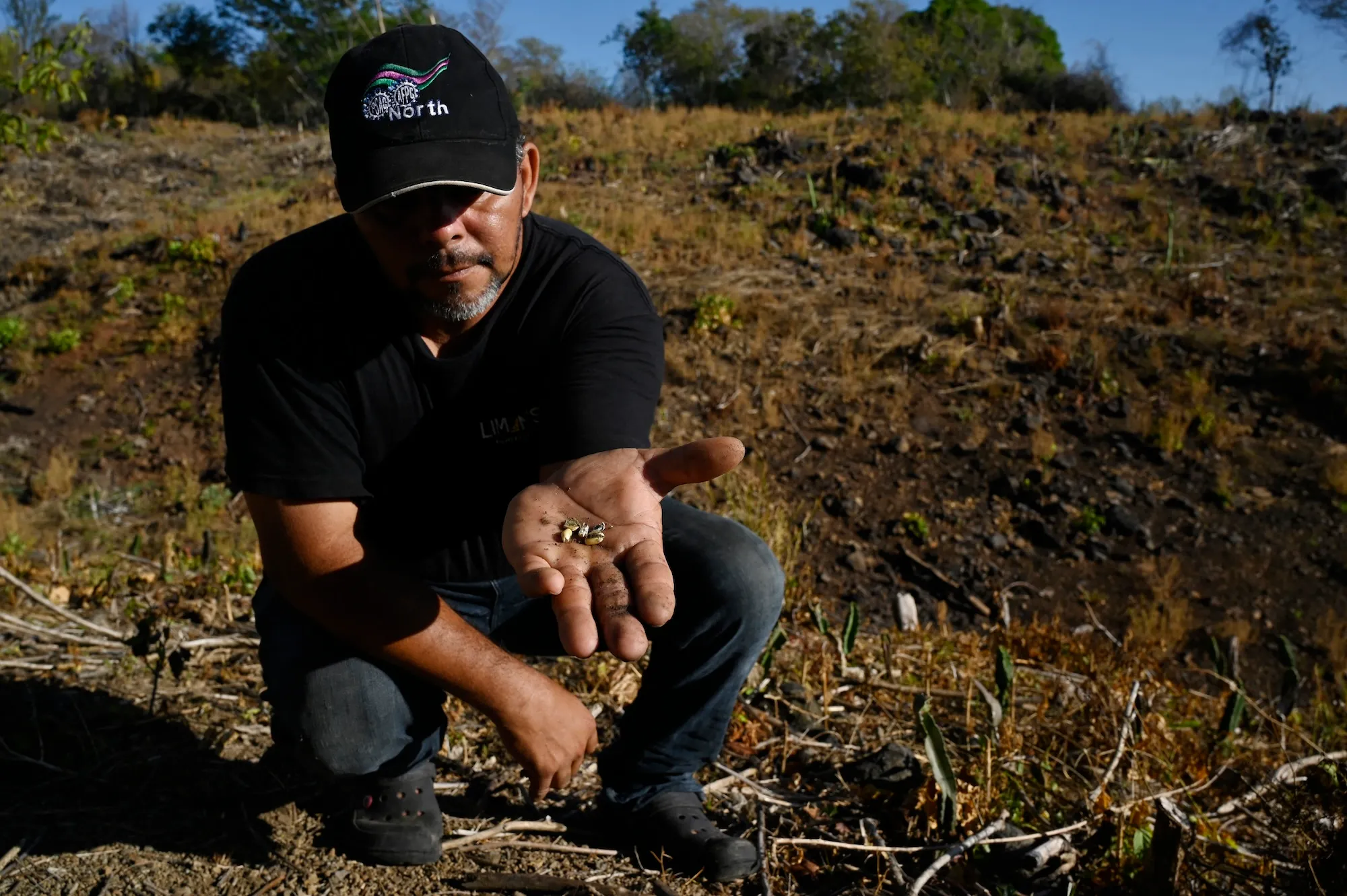
Furthermore, the impact on global food security is a primary concern for international policy bodies. The disruption of rainfall patterns affects critical agricultural "breadbaskets." In regions such as Central America and parts of Southeast Asia, the failure of traditional rainy seasons has already begun to impact crop yields, with reports of corn and rice harvests failing to germinate or reach maturity. This localized crop failure can lead to broader market volatility, as global commodity prices for essential staples often react to localized supply shocks.
Hydropower, a critical component of the renewable energy transition, is also vulnerable. Many nations rely on consistent rainfall to maintain reservoir levels for electricity generation. In countries where water levels have plummeted due to drought, the capacity to generate clean energy is being compromised, forcing a temporary reliance on carbon-intensive backup power sources and further complicating long-term decarbonization goals.
The Evolution of Climate Language
The term "Super El Niño" has sparked a debate within the scientific community regarding the role of language in public communication. Linguists and climatologists alike have noted that as weather events become more extreme, the vocabulary used to describe them is struggling to keep pace.
Jo Vurdelja, an expert in ecolinguistics, argues that the adoption of the term "Super El Niño" by both researchers and the media serves a functional purpose: it signals to the public that this is not a routine event. However, she warns of the "language trap." As events become more severe, the cycle of creating increasingly dramatic terminology—such as "Godzilla" El Niño or "mind-boggling" heatwaves—can eventually lead to public desensitization. The challenge remains in finding a balance between conveying the urgency of the threat and maintaining a level of scientific precision that avoids both alarmism and nihilism.
Official Responses and Strategic Planning
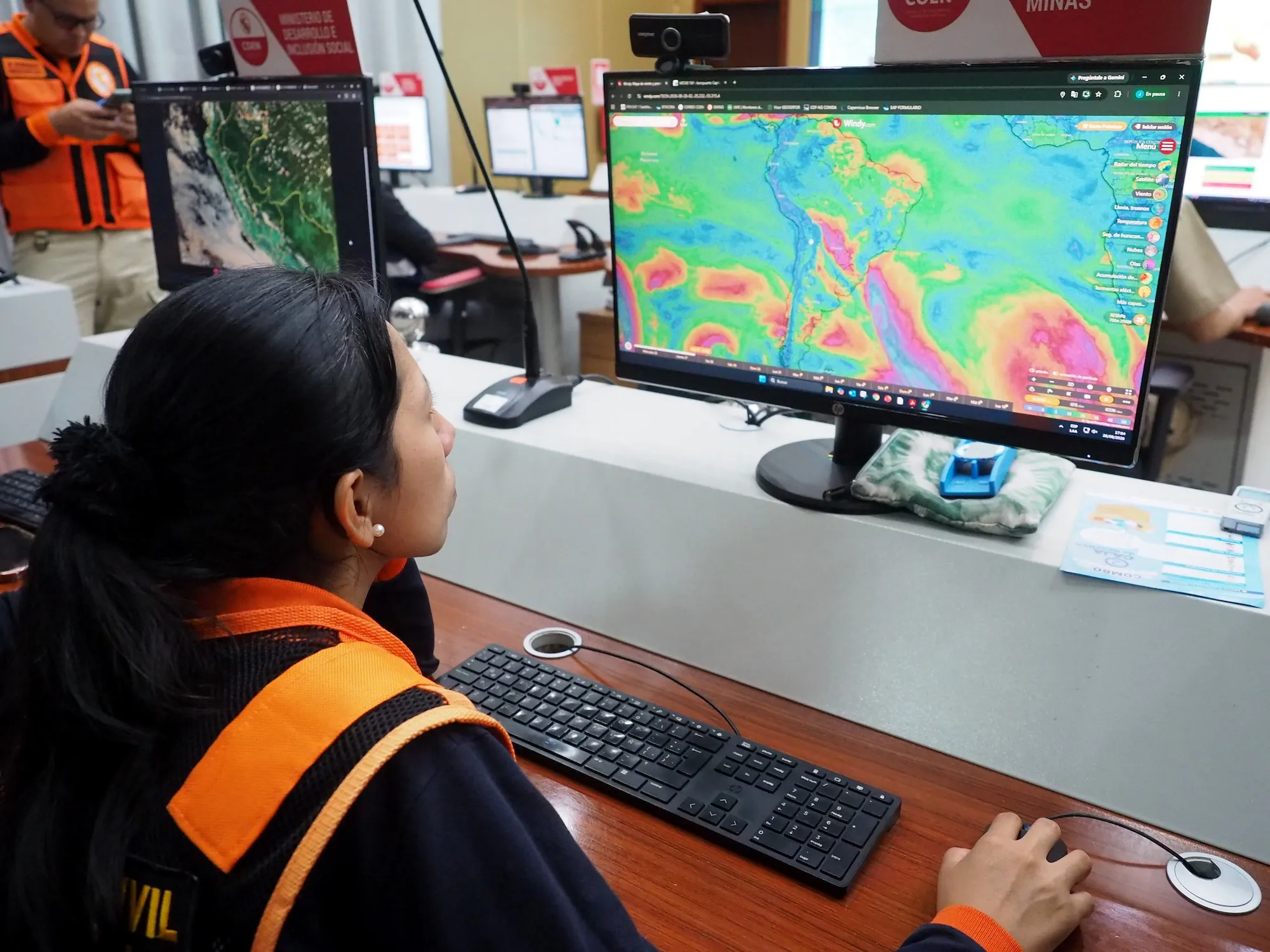
Governmental agencies and international organizations are currently transitioning from a phase of monitoring to a phase of active adaptation. In addition to California’s emergency declaration, nations across the Pacific Rim are conducting multi-hazard drills. In Peru, for instance, the National Emergency Operations Center has been coordinating with local municipalities to fortify infrastructure against the increased likelihood of flooding and landslides.
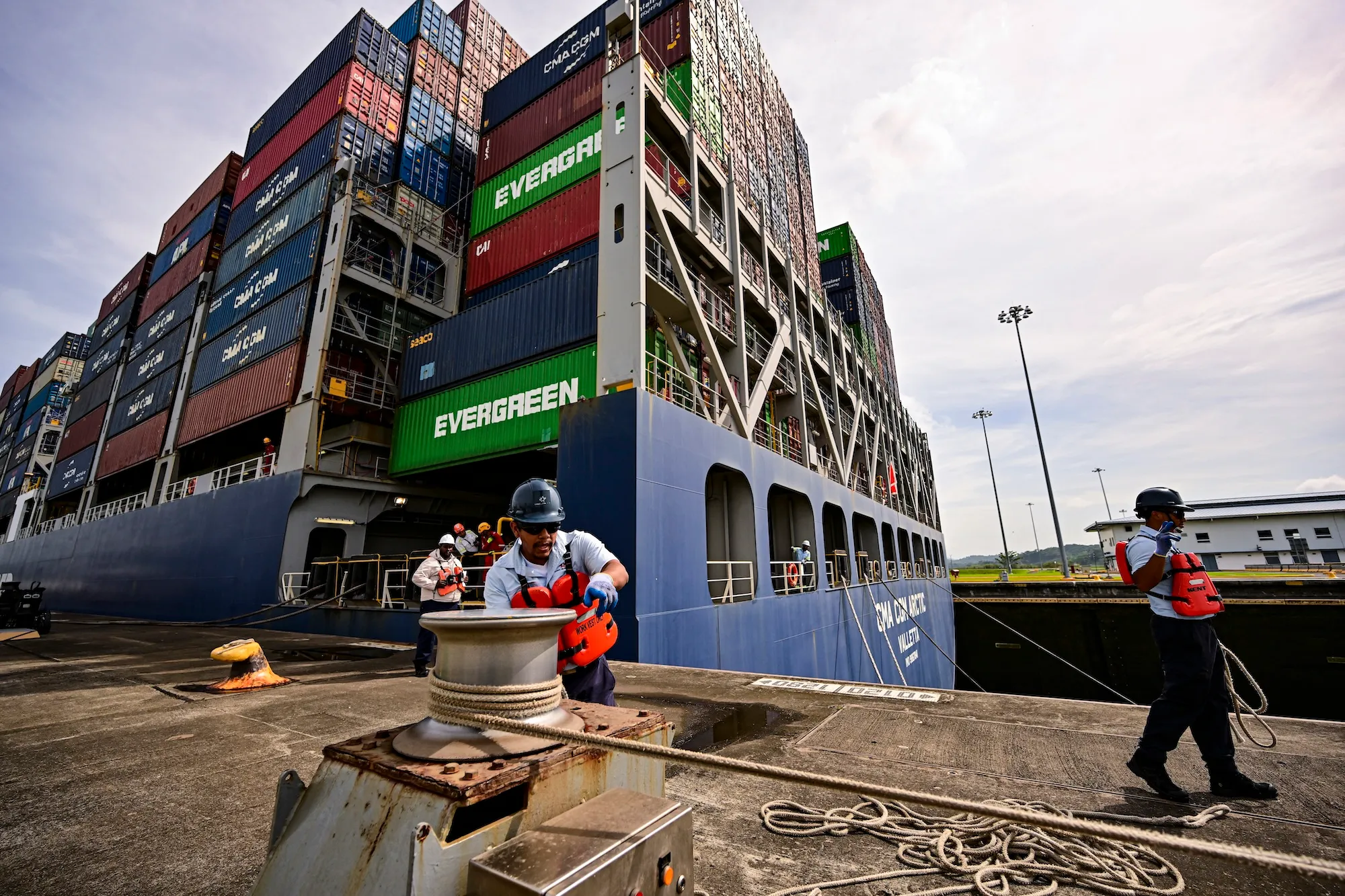
In the Panama Canal, administrative authorities have implemented reduced transit measures to manage the dual risks of shifting water levels and the potential for increased storm activity. These measures, while necessary for short-term safety, underscore the economic friction that climate instability introduces to global trade.
Looking Toward the Future
As the world continues to observe the development of this Super El Niño, the scientific consensus is clear: the event is an opportunity to learn. Christopher Callahan, a climate scientist at Indiana University, has emphasized that while the coming months will be difficult, they will provide invaluable data on how human-built systems perform under extreme climate stress.
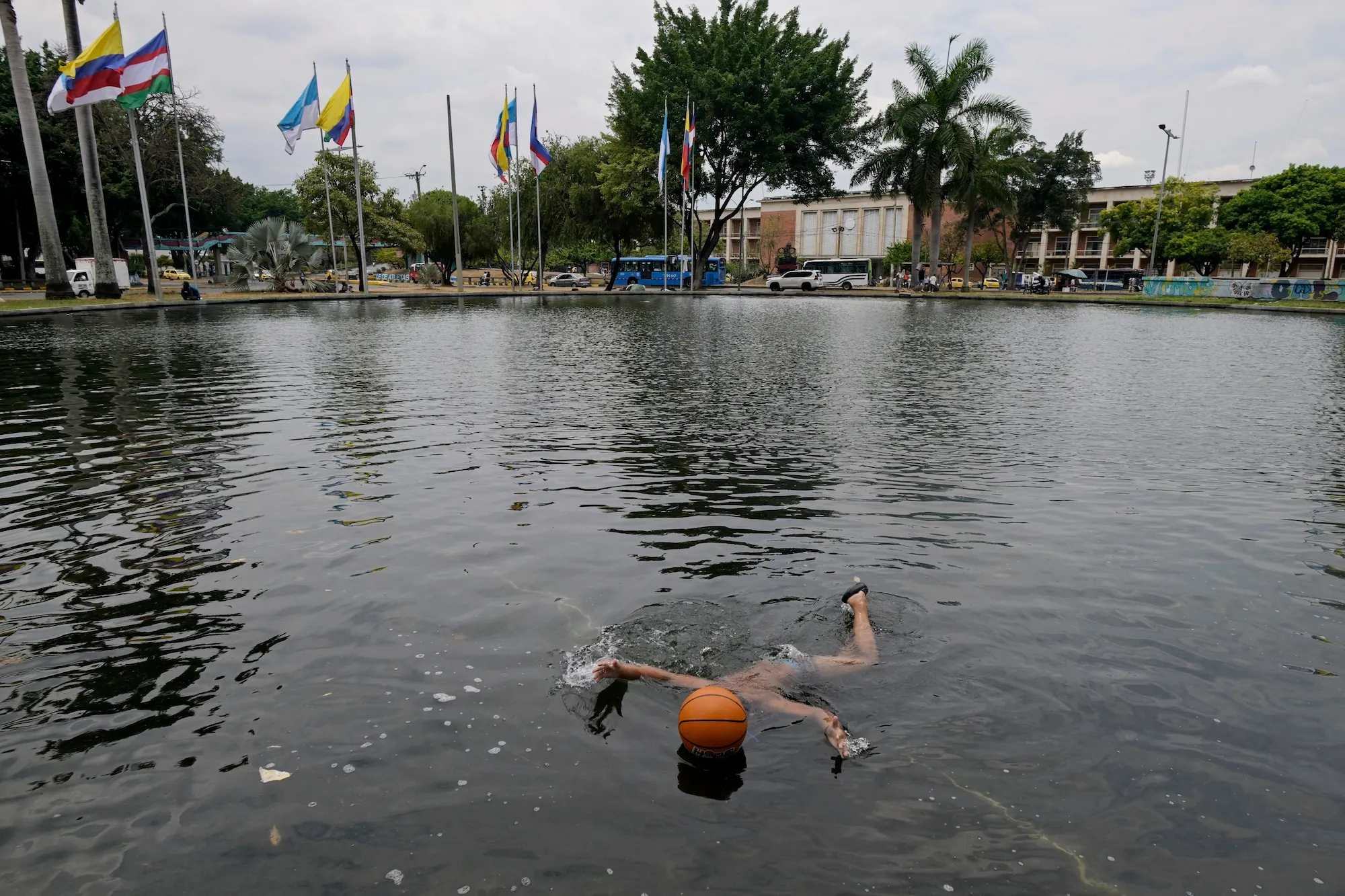
The path forward requires a two-pronged approach. First, there is an urgent need for enhanced infrastructure resilience—building systems that are not just designed for the climate of the past, but for the extreme variability of the future. Second, the event serves as a reminder that the window for mitigating the worst effects of global warming is narrowing. Every fraction of a degree in global temperature rise changes the baseline upon which these natural cycles operate.
The 2026-2027 Super El Niño is a definitive marker of the modern climate era. It demands a response that is commensurate with its magnitude: a global commitment to both immediate disaster readiness and a long-term, structural transformation of the energy and economic systems that drive global heating. Whether or not we adopt new terminology to describe the next event, the reality of our changing climate will continue to manifest with increasing clarity. The task for policymakers, scientists, and the public is to translate this clarity into concrete, effective, and sustained action before the next record is broken.