Historic Arctic Pact Secures Permanent U.S. Military and Strategic Rights in Greenland Without Transferring Sovereignty

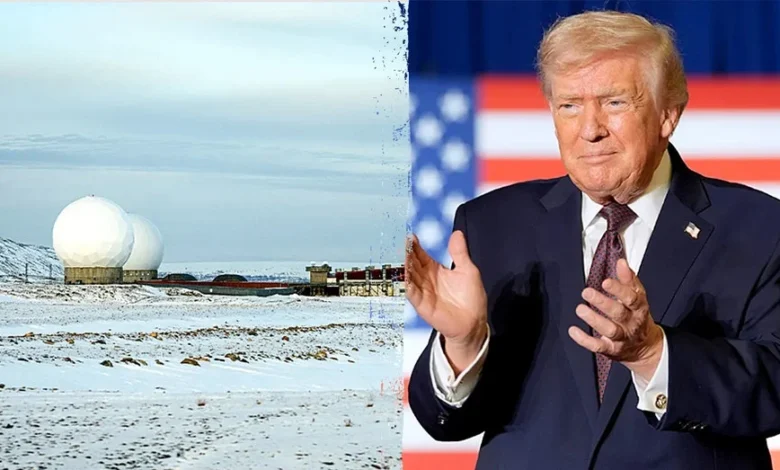
WASHINGTON — In a monumental diplomatic breakthrough reshaping geopolitical dynamics in the Arctic, the United States has forged a sweeping defense and security agreement with Denmark and the self-governing territory of Greenland. The accord permanently guarantees the United States expansive military, basing, and overflight rights on the strategically vital island, effectively neutralizing long-term national security concerns regarding adversary encroachment in North America’s northern approaches.
The agreement, finalized after months of discreet, high-level negotiations, stops short of transferring territorial sovereignty to the United States. Instead, it provides Washington with perpetual, unencumbered access to establish and expand military infrastructure across Greenland at zero cost to American taxpayers. Furthermore, the pact introduces stringent protective barriers that explicitly bar China, Russia, and other non-NATO nations from establishing military installations, maintaining troop presences, or acquiring controlling stakes in sensitive economic sectors across the territory.
This development marks the culmination of a protracted strategic push by the Trump administration to solidify American defense architecture in the Arctic. As geopolitical competition intensifies over polar trade routes and untapped natural resources, the agreement represents a cornerstone victory for U.S. national security planners aiming to counter the expanding footprints of Beijing and Moscow in the high north.
The Chronology of the Arctic Play: From Dismissal to Diplomacy
The path toward this landmark agreement was characterized by intense friction, shifting diplomatic postures, and months of unpublicized back-channel talks. The genesis of the modern crisis over Greenland’s strategic alignment traces back several years, amplified by President Donald Trump’s vocal insistence that the United States required direct control over the territory to secure its northern flank.
Initially, leaders in both Copenhagen and Nuuk openly dismissed the administration’s overtures. Danish Prime Minister Mette Frederiksen famously rebuffed earlier suggestions of a territorial acquisition, characterizing the proposition as absurd and insisting that Greenland was not for sale. Tensions flared periodically as Washington emphasized that the Arctic’s melting ice sheets were opening vulnerable maritime corridors that necessitated robust, uninterrupted American defense postures.
The turning point arrived in early February, when quiet, unpublicized negotiations commenced between American, Danish, and Greenlandic delegations. Spearheaded by Secretary of State Marco Rubio, White House adviser Stephen Miller, and key national security officials, the talks shifted away from contentious territorial debates and focused instead on mutual defense imperatives.
As geopolitical pressures mounted—underscored by increased Russian submarine deployments and aggressive Chinese polar infrastructure initiatives—leaders in Denmark and Greenland recognized the fiscal and military limitations of independently defending the vast, sparsely populated island. By approaching negotiations through a lens of shared security, the three governments bridged their differences. The resulting agreement successfully reconciled U.S. strategic demands with Greenlandic aspirations for self-determination and eventual independence.
Expanded Military Rights and the Golden Dome Initiative
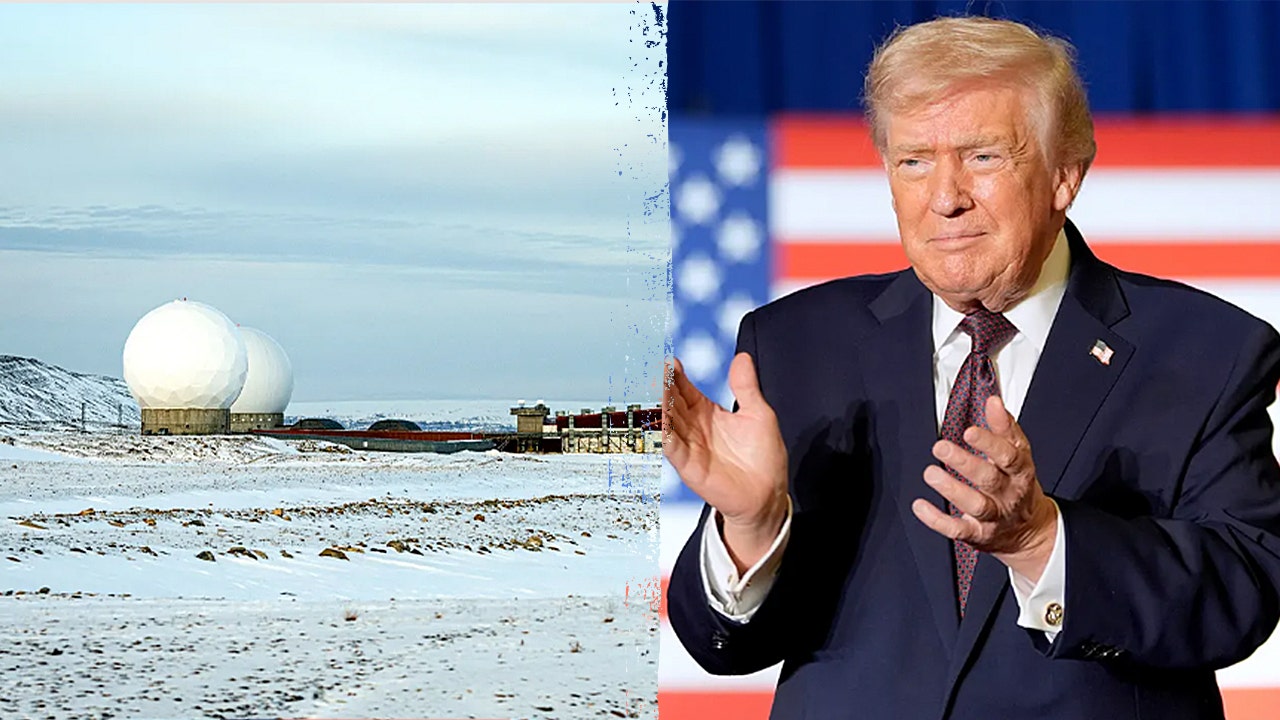
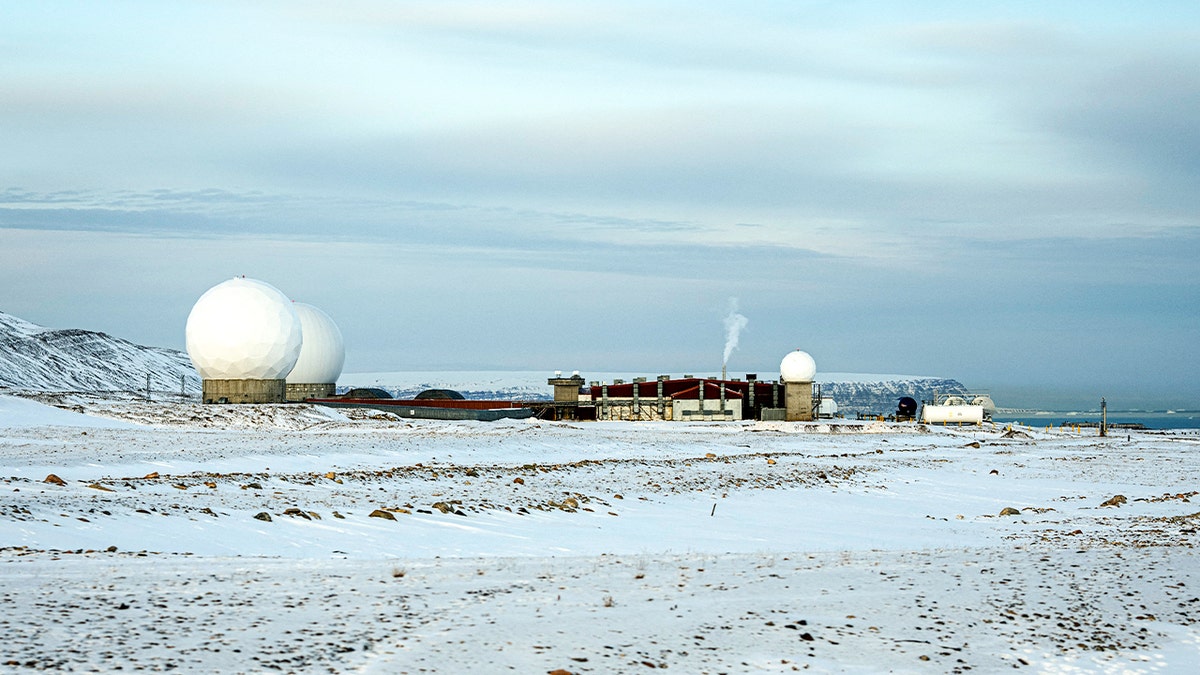
Under the terms of the new agreement, the United States secures unprecedented flexibility to expand its military footprint across Greenland. While the U.S. military has maintained a presence on the island since 1951—most notably operating the Pituffik Space Base (formerly Thule Air Base) in northern Greenland—the new framework fundamentally modernizes and broadens this relationship.
Crucially, the accord grants the U.S. the unilateral authority to establish additional military installations as operational demands dictate. Unlike previous arrangements that required exhaustive multilateral approvals, the updated framework stipulates that the United States will consult with Danish and Greenlandic authorities but ultimately retains the autonomous right to build new defense infrastructure whenever deemed necessary.
Defense analysts note that this expanded geographic access is vital for the realization of the administration’s proposed "Golden Dome" missile defense system. As modern ballistic and hypersonic missile technologies evolve, the ability to station advanced radar, tracking, and interception systems further north provides essential early-warning capabilities and defensive depth for the North American continent.
By securing these rights in perpetuity—with no expiration date and designed to remain fully binding even if Greenland formally achieves complete independence from Denmark—the pact provides long-term strategic predictability for the Pentagon’s unified combatant commands.
Shielding Critical Infrastructure: The Panama Canal Parallel
Beyond traditional military basing and overflight privileges, the agreement establishes a rigorous defensive perimeter around Greenland’s economy and critical infrastructure. The pact explicitly restricts adversaries from making "sensitive investments" in sectors deemed vital to national security, including telecommunications, undersea communication cables, deep-water ports, and critical mineral extraction.
Administration officials have explicitly linked this provision to lessons learned from strategic vulnerabilities elsewhere in the Western Hemisphere, most notably surrounding the Panama Canal. In recent years, Washington has expressed mounting alarm over Chinese commercial entities securing operational control over key transit and infrastructure hubs, creating dual-use commercial nodes that could theoretically be leveraged for military or intelligence purposes during a conflict.
By preemptively walling off Greenland from similar economic entanglements, the United States has closed a potentially massive vulnerability in its Arctic flank. Secretary Rubio emphasized that the island will forever remain insulated within the strategic defense architecture of North America, effectively locking out non-aligned powers from gaining a commercial or physical foothold in the sub-polar region.
Official Responses and Regional Reactions
The announcement of the agreement has drawn widespread praise from U.S. officials, who highlighted the diplomatic skill required to achieve maximum strategic security without incurring massive financial expenditures or compromising allied partnerships.
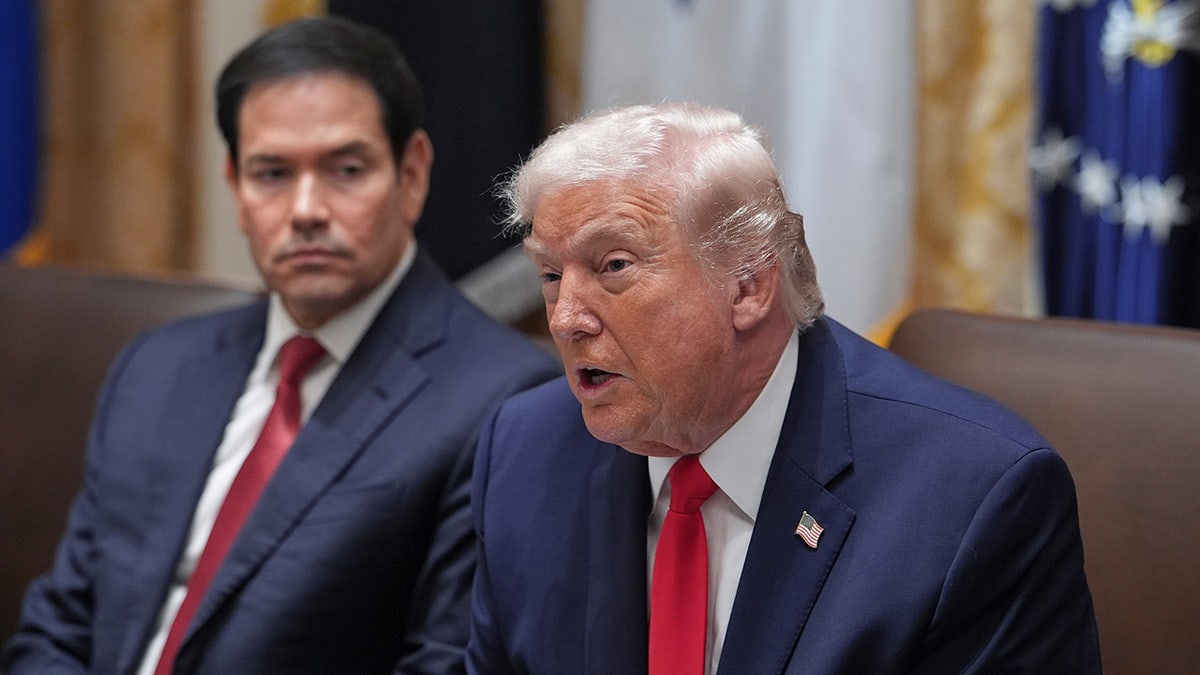
"This historic deal is a huge win for the United States and the American people," Secretary of State Marco Rubio stated. "Thanks to President Trump’s vision and leadership, this historic agreement permanently guarantees U.S. security interests in the Arctic at zero cost to the U.S. taxpayer."
Rubio further underscored the pragmatic calculus that ultimately brought Denmark and Greenland to the negotiating table. "Denmark and Greenland understand that they don’t have the financial means necessary to defend Greenland if it were to come under attack or be threatened. The United States has the power to do that, and this deal permanently and completely addresses our national security concerns."
While domestic political discussions in Copenhagen and Nuuk continue regarding the balance between national autonomy and international defense obligations, local leaders have increasingly acknowledged the realities of great power competition in the Arctic. With both Russia and China aggressively expanding their military capabilities, icebreakers, and research outposts in the polar north, the consensus within the Greenlandic parliament has shifted toward ensuring that their territory remains firmly aligned with Western democratic security umbrellas.
Broader Implications for Global Security and the Arctic
The permanent U.S.–Greenland–Denmark defense pact marks a watershed moment in 21st-century geopolitics, fundamentally altering the strategic balance of power in the Arctic Circle. As climate change accelerates the opening of northern sea routes and exposes vast, previously inaccessible mineral deposits, the Arctic has transitioned from a sleepy scientific frontier into a primary theater of international competition.
For decades, the doctrine of Arctic exceptionalism kept the region largely insulated from broader geopolitical rivalries. However, increased militarization by Moscow—exemplified by the reopening of Soviet-era Arctic military bases and the deployment of advanced nuclear submarines—alongside Beijing’s self-proclamation as a "near-Arctic state," has shattered that paradigm.
By securing permanent, unhindered military access to Greenland without the friction of a sovereignty dispute, the United States has significantly bolstered its deterrent posture. The agreement ensures that North America’s northern approaches are fortified against emerging asymmetric threats, ranging from advanced drone incursions to submarine-launched strategic weapons.
Ultimately, the pact demonstrates a successful evolution in modern alliance management: balancing sovereign sensitivities with hard-nosed geopolitical realism. As the implementation phase begins, defense planners in Washington, Copenhagen, and Nuuk will turn their attention to operationalizing the new framework, signaling a unified and unyielding Western commitment to preserving stability and security across the roof of the world.
Related posts: