A Historic Climate Anomaly: How the Current Super El Niño is Reshaping Global Weather Patterns


The Pacific Ocean is currently host to a meteorological phenomenon of unprecedented proportions. A sprawling band of anomalously warm water—an El Niño event now measuring more than 3 degrees Celsius above the historical average—has evolved into a transformative force that is recalibrating the global climate. Since satellite monitoring of sea surface temperatures began five decades ago, no El Niño event has reached this level of thermal intensity. With the phenomenon expected to persist and potentially climb toward 4 degrees Celsius by the end of the calendar year, meteorologists are warning that the planet is entering a period of extreme climate instability.
Zeke Hausfather, a climate scientist at Berkeley Earth, emphasizes that this event has already transcended historical benchmarks. "This event is already in record territory," Hausfather noted. "Every prevailing climate model indicates that the thermal anomaly is continuing to expand, suggesting that the most significant impacts are still several months away."
A Divergent Atlantic Hurricane Season
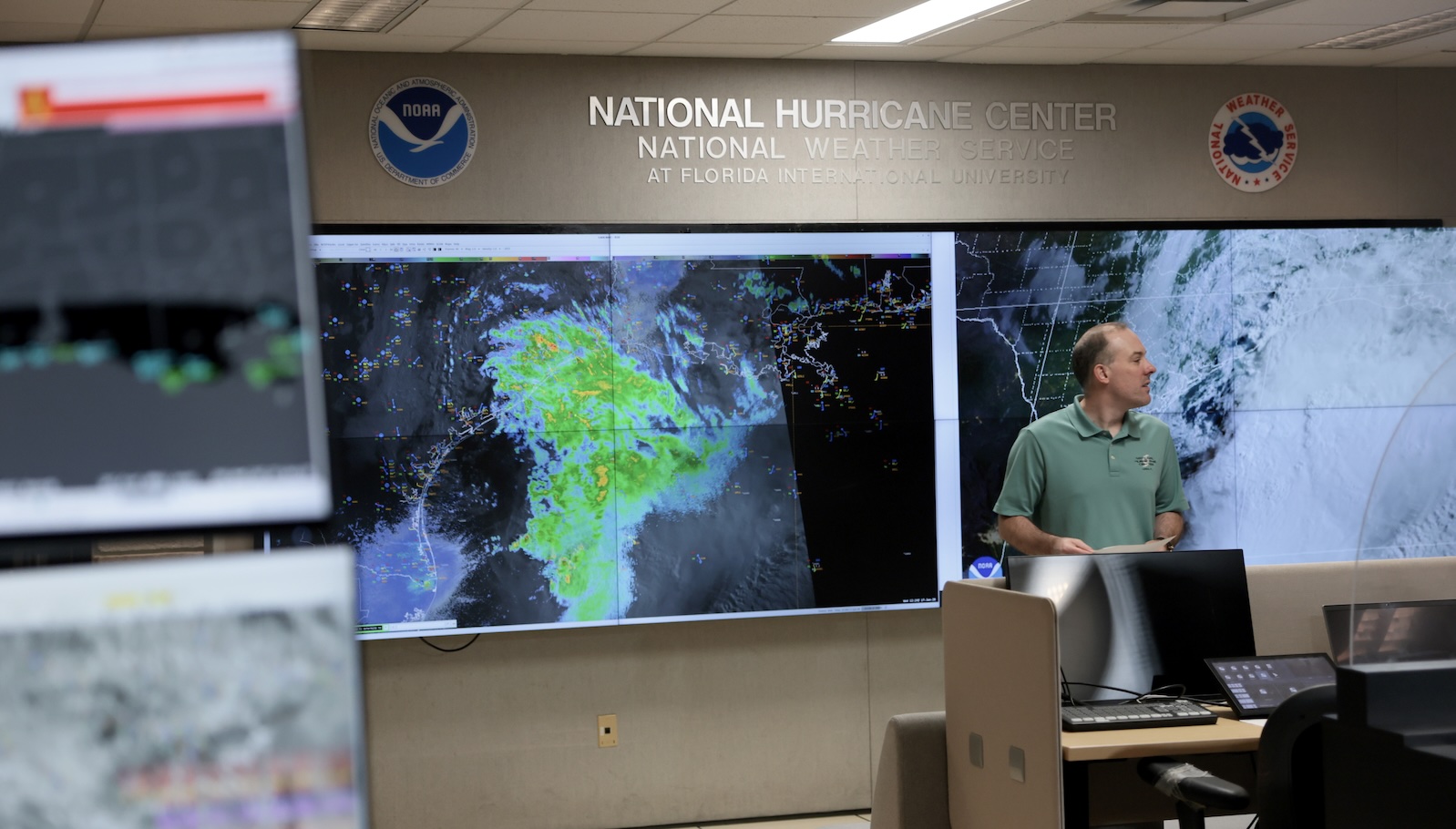
The current state of the Atlantic hurricane season offers a striking study in contrasts. While climate models typically predict a high degree of correlation between ocean temperatures and storm frequency, the 2026 season has defied conventional expectations. As of late September, the Atlantic basin—which usually sees multiple major hurricanes by this point in the year—has remained paradoxically quiet. The current delay in hurricane formation has already surpassed the previous record of September 11, set in earlier decades.
The explanation for this inactivity lies in the atmospheric teleconnections between the Pacific and the Atlantic. Hurricanes function as thermodynamic engines, requiring specific conditions to develop: warm sea surface temperatures for fuel, high atmospheric humidity, and consistent, low-level wind patterns. While the Atlantic holds ample thermal energy, the Super El Niño has fundamentally altered the global wind field.
"The El Niño event is significantly increasing vertical wind shear across the Atlantic," explains Brian McNoldy, a senior research associate at the University of Miami. "When you have air moving at different speeds and directions at varying altitudes, it creates a turbulent environment that inhibits the structural integrity of tropical cyclones. Furthermore, the El Niño is driving dry, sinking air into the Atlantic basin, which acts as a deterrent to the moisture-dependent formation of storms."
The Pacific Theater: Rapid Intensification
While the Atlantic remains suppressed, the Pacific side of the Americas is experiencing the dangerous inverse. The recent trajectory of Hurricane Polo serves as a stark example of rapid intensification, a phenomenon wherein a storm’s sustained wind speeds increase by at least 35 mph within a 24-hour period. Polo transitioned from a tropical storm to a Category 5 hurricane in less than a single day, fueled by the exceptionally warm Pacific waters.
This behavior is increasingly common in a warming climate. As ocean temperatures rise, storms are granted access to a higher "octane" fuel source, allowing for more explosive growth. Simultaneously, the tropical storm Nolo has threatened Hawaii with catastrophic rainfall, highlighting the erratic and destructive potential of this atmospheric regime.
The Thermodynamic Mechanics of El Niño
The question often arises: how can a mere three-degree shift in water temperature trigger such profound global consequences? The answer lies in the sheer thermal capacity of the ocean. Art Miller, a climate scientist at the Scripps Institution of Oceanography, notes that the ocean holds roughly 1,000 times the heat-retention capacity of the atmosphere.
"These are not minor fluctuations in the context of the Earth’s energy budget," Miller stated. "Because the ocean serves as the primary reservoir for global heat, even small changes in surface temperatures result in massive energy transfers to the atmosphere. This alters the position of the jet stream, shifts precipitation belts, and disrupts the established seasonal cycles that human agriculture and infrastructure rely upon."
Global Human and Economic Implications
The human toll of this climate anomaly is projected to be severe. Research from the Impact Lab suggests that the heat-related mortality associated with this specific El Niño event could reach 451,000 individuals globally within the first nine months. Beyond direct heat mortality, the disruption of traditional weather patterns poses a grave threat to global food security.
In regions such as the Amazon, Southeast Asia, and parts of Africa, the El Niño cycle is historically linked to reduced rainfall and prolonged drought. These dry spells frequently lead to widespread crop failure, which carries significant economic and humanitarian risks. Historically, these impacts are felt most acutely by subsistence farmers who lack the financial buffers to survive a multi-year harvest failure.
"The primary concern for policymakers right now must be the stabilization of the global food supply," says Hausfather. "Governments need to consider immediate interventions, such as the strategic stockpiling of essential grains and the implementation of robust financial transfer systems. If a farmer loses their entire season’s yield, they require immediate liquidity to purchase food for their families, or the localized economic crisis will inevitably cascade into a broader humanitarian emergency."
Proactive Governance and Climate Adaptation
The current El Niño serves as a precursor to the climatic norms of the next two decades. As the global baseline temperature continues to rise, the interaction between human-induced warming and natural climate cycles will likely result in more frequent and more intense extreme weather events.
To mitigate these risks, governments are being urged to adopt a two-pronged strategy of preparedness and systemic resilience. On the front lines of fire management, this means moving beyond reactive firefighting toward aggressive landscape management. Controlled burns, designed to reduce the accumulation of dry brush and forest debris, have become an essential tool in preventing the types of catastrophic wildfires that can decimate entire communities. Furthermore, there is an urgent need for the standardization of regional fire-fighting capabilities, including increased training for personnel and the prepositioning of heavy equipment.
Looking Toward the Future
The current meteorological state represents a "hotter baseline" than anything observed in the last century. When modern climate change is layered with the amplification of a Super El Niño, the impacts are amplified, creating a feedback loop of stress on human, agricultural, and ecological systems.
While the Earth’s average temperature will inevitably decrease once this El Niño fades, the window of time it provides is critical. It offers a clear, data-driven preview of the environmental stressors the world will face in the near future. The scientific consensus is that the global community must treat this event not as an isolated disaster, but as a diagnostic indicator of the challenges that lie ahead.
Effective governance in the coming years will depend on the ability of international bodies to coordinate resource sharing and adaptive infrastructure development. As the planet reaches these record-breaking temperatures, the imperative for transition—both in terms of energy policy and disaster risk reduction—has never been more pronounced. The 2026 El Niño is not merely a weather event; it is a signal that the stability of the 20th-century climate has been irrevocably altered, necessitating a shift in how humanity prepares for the volatility of the 21st.