Social Media Rule Of Thirds

The Social Media Rule of Thirds: A Strategic Framework for Optimized Content Distribution
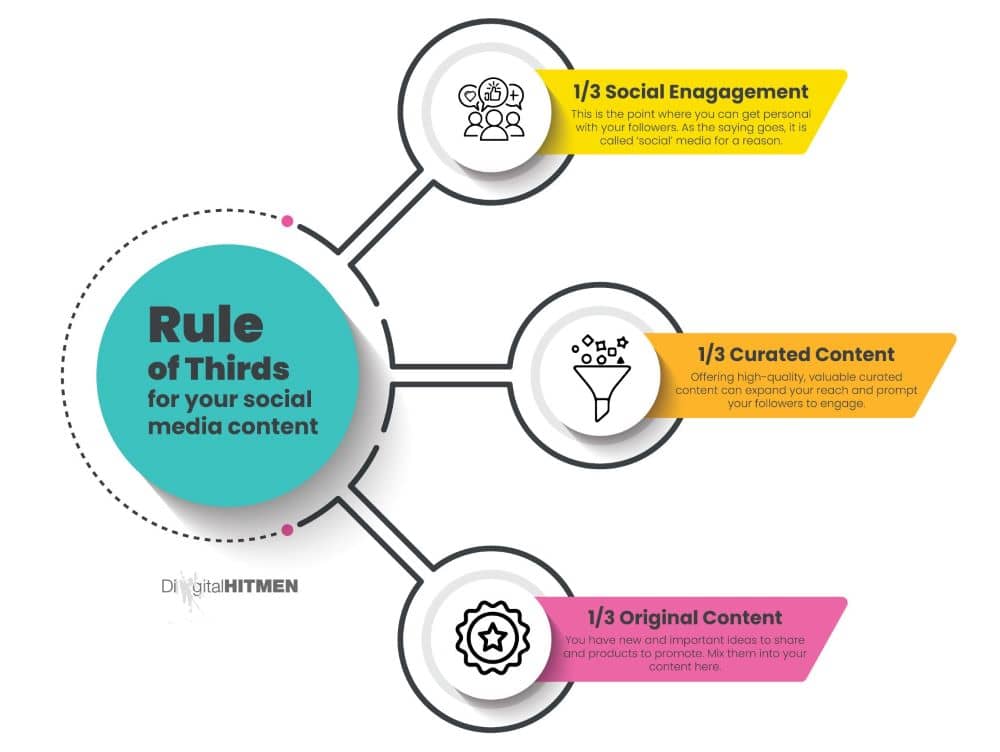
The Social Media Rule of Thirds is a strategic framework designed to optimize content distribution and engagement by diversifying the types of content shared across social media platforms. It proposes a balanced approach, suggesting that for every three pieces of content a brand or individual shares, one should be promotional, one should be shared from other sources, and one should be original, engaging content. This ratio is not a rigid law but a guiding principle that encourages a more holistic and less overtly commercial social media presence. By adhering to this rule, users can cultivate stronger audience relationships, build authority, and ultimately drive better results from their social media efforts. The core objective is to avoid overwhelming followers with constant sales pitches, which can lead to disengagement and unfollowing. Instead, it fosters a community of value, information, and connection, making promotional content more impactful when it does appear. Understanding and implementing this rule requires a strategic mindset focused on audience needs and platform dynamics, moving beyond simple broadcasting to active participation and value creation. The inherent benefit lies in sustained audience interest and trust, which are the cornerstones of any successful social media strategy.
Understanding the Three Pillars of the Rule of Thirds
The Social Media Rule of Thirds is built upon three distinct content categories, each serving a unique purpose in building a robust and engaging social media presence.
The first pillar is Promotional Content. This category encompasses any material directly aimed at promoting a product, service, event, or brand itself. This includes direct sales pitches, advertisements, special offers, new product announcements, and calls to action (CTAs) for purchases or sign-ups. While essential for driving business objectives, its over-saturation is a primary cause of audience fatigue. Therefore, it’s crucial to ensure this content is high-quality, relevant, and strategically timed. Effective promotional content is not just about selling; it’s about presenting value and highlighting benefits in a compelling way. This might involve showcasing customer testimonials, demonstrating product features in action, or offering exclusive discounts that create a sense of urgency and reward. The key is to make promotional content feel like a natural extension of the value being provided, rather than an intrusive interruption. For example, a fitness brand might promote a new workout program by highlighting its unique benefits, offering early-bird discounts, and sharing success stories from beta testers. This approach frames the promotion as an opportunity for the audience to improve their lives, rather than just a direct sales effort.
The second pillar is Shared Content. This involves curating and sharing content from other reputable sources that are relevant to your audience’s interests. This can include articles, blog posts, industry news, infographics, videos, and even posts from complementary businesses or influencers. The act of sharing demonstrates that you are knowledgeable about your niche, that you are a valuable resource for information, and that you are not solely focused on self-promotion. It also fosters goodwill with the original content creators, potentially leading to reciprocal sharing and cross-promotion. When selecting shared content, prioritize sources that align with your brand values and offer genuine value to your followers. Avoid simply retweeting or resharing without adding your own commentary or perspective. A brief introduction or a question can significantly increase engagement with shared content, prompting discussion and demonstrating your unique viewpoint. For instance, a food blogger might share a recipe from another chef, adding their own tips for preparation or suggesting a wine pairing. This elevates the shared content beyond mere aggregation, positioning the blogger as a thoughtful curator.
The third and arguably most crucial pillar is Original, Engaging Content. This category is the lifeblood of audience connection and community building. It encompasses content created specifically by you or your brand, designed to entertain, educate, inspire, or spark conversation. This could include behind-the-scenes glimpses, personal stories, expert advice, "how-to" guides, user-generated content (UGC) showcases, polls, Q&A sessions, contests, and even humorous or relatable posts. The goal here is to foster genuine interaction, build rapport, and establish your brand as a personality, not just a corporate entity. This type of content allows you to showcase your unique voice, values, and expertise. It’s where you can truly connect with your audience on a human level. For example, a small business owner might share a personal anecdote about overcoming a challenge, post a video demonstrating a unique crafting technique, or ask their followers for input on a new product idea. This authenticity is what builds loyalty and advocacy.
The Strategic Rationale Behind the Rule of Thirds
The Social Media Rule of Thirds is not an arbitrary guideline; it’s rooted in a deep understanding of audience psychology and the dynamics of online interaction. Implementing this balanced approach yields several significant strategic advantages.
Firstly, Audience Retention and Engagement. Social media users are constantly bombarded with information. If your feed is predominantly promotional, it quickly becomes monotonous and unappealing. By interspersing promotional content with valuable shared and original content, you keep your audience interested and engaged. They are more likely to stick around for the occasional sales pitch if they know they can also expect to find useful information, entertainment, or insights. This consistent delivery of varied value trains your audience to anticipate and appreciate your posts, leading to higher engagement rates – likes, comments, shares, and clicks. This sustained engagement signals to platform algorithms that your content is valuable, potentially increasing its reach. Consider a scenario where a user follows a brand that only posts product ads. They are likely to mute or unfollow. Conversely, a brand that shares industry news, offers practical tips, and occasionally promotes relevant products will foster a more loyal following that looks forward to their content.
Secondly, Building Trust and Credibility. Consistently sharing valuable, non-promotional content positions you as an authority in your field. When you share insightful articles or offer original expert advice, you demonstrate your knowledge and commitment to providing value beyond just selling. This builds trust with your audience. They begin to see you as a reliable source of information, making them more receptive to your promotional messages when they do arise. Credibility is earned through consistent delivery of value, and the Rule of Thirds provides a structured way to do this. For example, a financial advisor who regularly shares educational articles on budgeting and investment strategies, alongside market analysis and occasional invitations to consultations, builds a foundation of trust that makes their consultation offers more compelling.
Thirdly, Expanding Reach and Discoverability. Sharing content from other sources can significantly expand your reach. When you tag or mention other accounts, you expose your content to their followers, and they may reciprocate by sharing your content with their audience. This cross-promotion is a powerful way to discover new followers who might be interested in what you have to offer. Furthermore, by consistently creating high-quality original content, you increase the chances of being discovered through platform search functions and trending topics. When your content is consistently engaging and valuable, it’s more likely to be shared organically, amplifying your presence. An effective use of shared content might involve a B2B software company sharing a well-researched industry report from a reputable analyst firm, tagging the firm and adding their own key takeaways, thus potentially reaching both their existing audience and the analyst firm’s followers.
Fourthly, Humanizing Your Brand and Fostering Community. Original, engaging content is where your brand’s personality shines through. Sharing behind-the-scenes glimpses, employee spotlights, or responding authentically to comments and messages helps humanize your brand. This makes you more relatable and approachable, fostering a sense of community. People connect with people, not just logos. By creating content that encourages interaction and conversation, you build a loyal community around your brand. This community can become your biggest advocates. A local bakery, for instance, could share photos of their team decorating cakes, a humorous story about a baking mishap, or run a poll asking customers their favorite pastry flavor. These actions build a connection that goes beyond just buying a loaf of bread.
Practical Application and Implementation Strategies
Translating the Social Media Rule of Thirds into actionable strategies requires thoughtful planning and consistent execution. It’s not about strict adherence but about finding a rhythm that works for your specific audience and goals.
Content Planning and Calendars: The most effective way to implement the Rule of Thirds is through a well-structured content calendar. This involves mapping out your posts in advance, ensuring a balanced mix of promotional, shared, and original content. Utilize tools like spreadsheets, dedicated social media management platforms (e.g., Hootsuite, Buffer), or project management software to organize your content ideas. Allocate specific days or weeks to focus on different content types, or aim for a daily mix. For example, Monday might be a shared industry news day, Wednesday a behind-the-scenes original content day, and Friday a promotional offer day. This structured approach prevents last-minute scrambling and ensures a consistent flow of diverse content.
Content Curation Best Practices: When curating content, always add your own unique perspective. Simply resharing a link with no commentary is a missed opportunity. Add a brief summary, a thought-provoking question, or your personal opinion on the topic. This demonstrates your engagement with the content and adds value for your audience. Furthermore, always credit the original source properly, tagging them when possible. This fosters goodwill and increases the likelihood of reciprocal engagement. Consider using tools like Feedly or Pocket to discover relevant articles and then repurpose them with your own insights. A marketing agency, for example, might share an article on a new SEO technique, adding their analysis of how businesses can implement it and what potential impact it might have.
Generating Original, Engaging Content: This is where creativity and audience understanding are paramount. Ask yourself: What questions does my audience have? What problems can I help them solve? What would entertain or inspire them? Consider a variety of formats:
- Educational Content: Blog posts, how-to guides, infographics, webinars, expert tips, Q&A sessions.
- Entertaining Content: Behind-the-scenes videos, humorous anecdotes, engaging polls, contests, user-generated content showcases.
- Inspiring Content: Success stories, motivational quotes, personal reflections, challenges.
- Interactive Content: Live Q&A sessions, polls, quizzes, "Ask Me Anything" (AMA) sessions.
Encourage user-generated content by running campaigns or simply by acknowledging and resharing content created by your followers. This builds a strong sense of community and provides authentic social proof. For instance, a clothing boutique might run a "style challenge" encouraging customers to share photos of themselves wearing the brand’s clothes, then feature the best submissions on their feed.
Measuring and Adapting: The Social Media Rule of Thirds is not a static formula. It’s essential to continuously monitor your analytics to see what resonates with your audience. Track metrics such as engagement rates (likes, comments, shares), click-through rates, follower growth, and conversions. If you notice that a particular type of content is consistently underperforming, don’t be afraid to adjust your strategy. Conversely, if a certain format or topic is generating exceptional engagement, consider creating more content in that vein. Social media platforms provide robust analytics dashboards that offer valuable insights into audience behavior. Regularly review these reports to understand which pillars are driving the most impact and where adjustments might be needed. For example, if your promotional posts are consistently getting low engagement but your educational content is thriving, you might need to re-evaluate your promotional strategy to be more value-driven.
SEO Considerations and the Rule of Thirds
While the Rule of Thirds is primarily a content strategy for social media engagement, its principles have indirect but significant SEO benefits.
Increased Social Signals: Search engines like Google consider social signals – likes, shares, and comments on social media platforms – as a factor in their ranking algorithms. When you consistently share valuable and engaging content, you increase the likelihood of these social signals. This can indirectly boost your website’s authority and improve its search engine rankings. High engagement on social media indicates that your content is resonating with users, which is a positive signal for search engines.
Driving Traffic to Your Website: Both shared and original content can be strategically used to drive traffic back to your website. By linking to relevant blog posts, product pages, or landing pages within your social media updates, you create opportunities for users to explore your offerings further. This increased traffic is a direct SEO benefit, as search engines view websites with consistent user activity and inbound links favorably. Promotional content, when done effectively, can also lead to direct sales and conversions, which are ultimate business goals tied to SEO success.
Content Repurposing and Keyword Optimization: The Rule of Thirds encourages the creation of diverse content types. This allows for effective content repurposing, where you can take a blog post and turn it into a series of social media updates, an infographic, or a short video. When creating original content for social media, consider incorporating relevant keywords that your target audience might use in their searches. This can help with discoverability both on the social platform and in search engines if the content is indexed. For instance, a gardening company sharing a video tutorial on "how to grow tomatoes" is naturally incorporating keywords that potential customers might search for.
Building Authority and Brand Recognition: Consistently providing value through shared and original content establishes your brand as a knowledgeable and reliable source. This brand authority can translate into increased direct searches for your brand name, which is a strong SEO indicator. As your brand gains recognition, users are more likely to seek out your content directly, leading to more organic traffic and engagement.
The Future of Content Distribution and the Rule of Thirds
As social media platforms continue to evolve, the principles of the Rule of Thirds remain highly relevant. The increasing emphasis on authentic connections, community building, and valuable content by platforms like Instagram, TikTok, and LinkedIn reinforces the need for a balanced approach. Users are becoming more discerning about the content they consume, actively seeking out sources that provide genuine value and foster meaningful interactions. Brands that prioritize this balanced approach will be better positioned to thrive in the ever-changing digital landscape. The rise of AI-generated content also highlights the enduring importance of human-created, original, and engaging content. While AI can assist in content creation, the emotional connection and authentic voice that resonate with audiences are still best achieved through human ingenuity. Therefore, the Rule of Thirds, with its emphasis on original and shared value, serves as a crucial guide for navigating the future of social media content distribution. It’s a framework that encourages sustainable growth, genuine engagement, and long-term brand building in an increasingly saturated digital environment.