Climate Change Threatens to Extinguish the 500-Year-Old Arbëreshë Heritage in Sicily


Giorgia Caruso once envisioned her two daughters inheriting the fertile family farm that has defined her family’s existence for three generations. This land, situated on a high-altitude plateau in Piana degli Albanesi, is more than an agricultural enterprise; it is the heartbeat of a community established five centuries ago by Albanian refugees fleeing the collapse of the Byzantine Empire under Ottoman expansion. Known as the Arbëreshë, this ethnic minority has maintained a unique linguistic and cultural identity within the Sicilian landscape for half a millennium, serving as a vital link between the Mediterranean’s past and present. Today, however, that dream of ancestral continuity is evaporating under the relentless pressure of a rapidly warming climate.

As she tends to her remaining livestock, Caruso’s gaze is fixed on a horizon that has become increasingly hostile. "I have two daughters I wished could take over our farming business one day, which is like our third child," she says, her voice heavy with the realization that the land may no longer be a viable home for the next generation. The transition of the farm, once considered a natural succession, is now viewed as an impossible gamble. Instead of encouraging them to stay, Caruso now finds herself advising her children to seek a future in a safer, more stable climate, far from the scorched earth of their ancestors.
A Chronology of Environmental Degradation
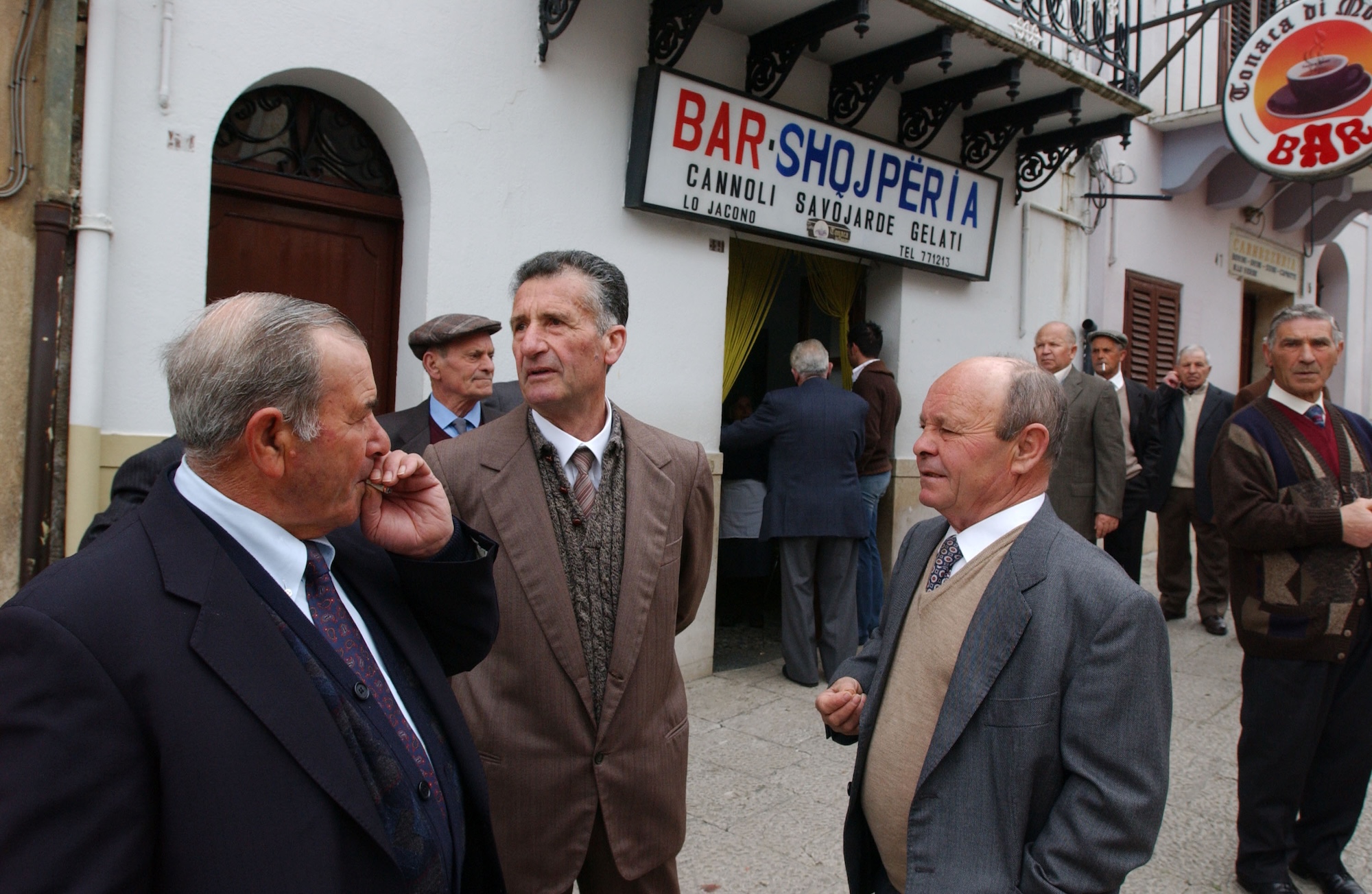
The crisis facing Piana degli Albanesi is not an overnight occurrence but the culmination of a decade of accelerating environmental instability. The town, which sits roughly 40 miles south of Palermo, has long been a breadbasket for the region, celebrated for its wheat and its traditional production of ricotta, the foundational ingredient for authentic Sicilian cannoli.
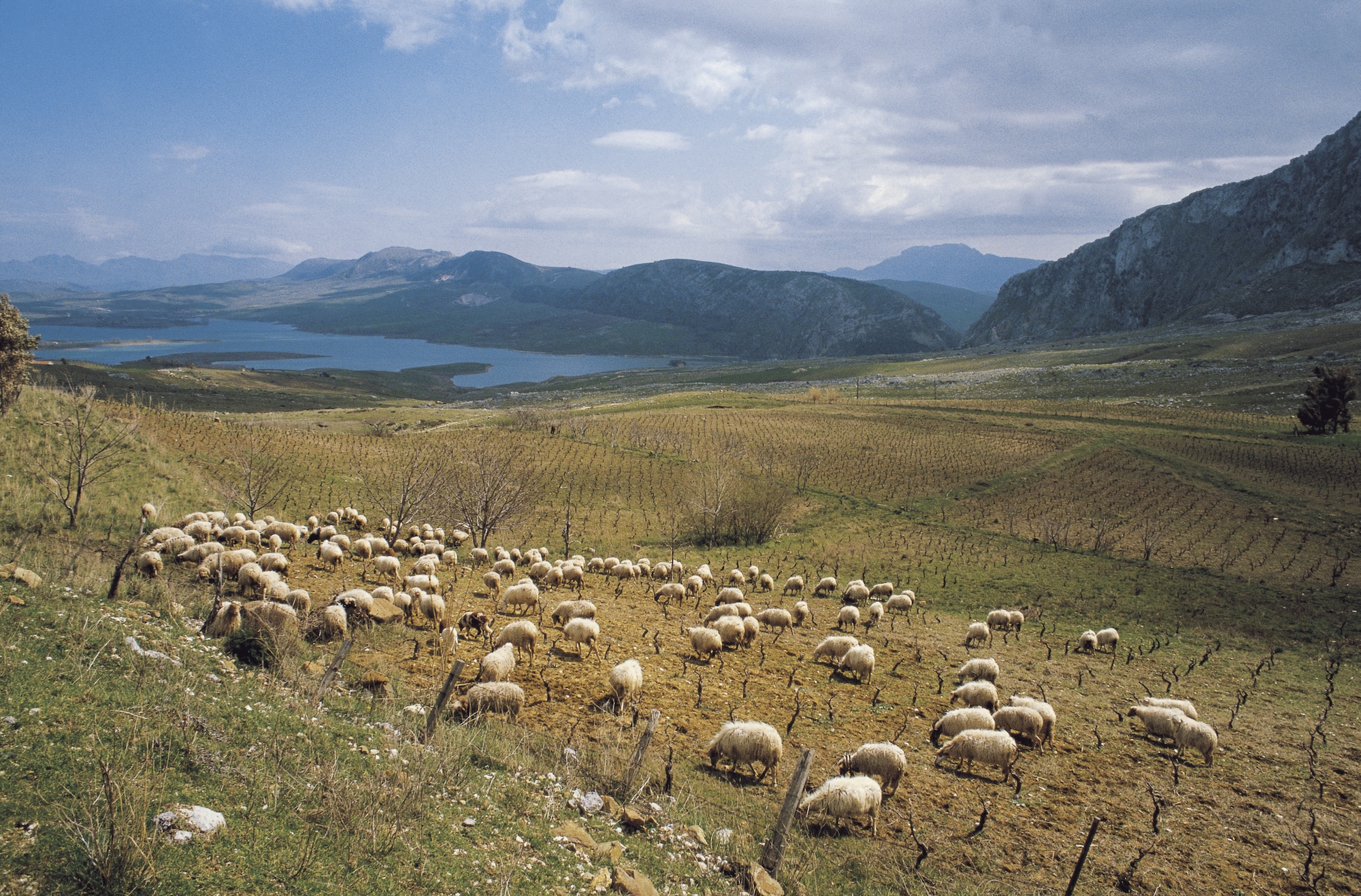
The decline began in earnest as the Mediterranean basin—a region currently warming 20 percent faster than the global average—started to experience more frequent and severe weather extremes. The timeline of this erosion is stark:
- 2015–2020: The community began noticing consistent shifts in seasonal rainfall, with extended dry spells becoming the norm rather than the exception.
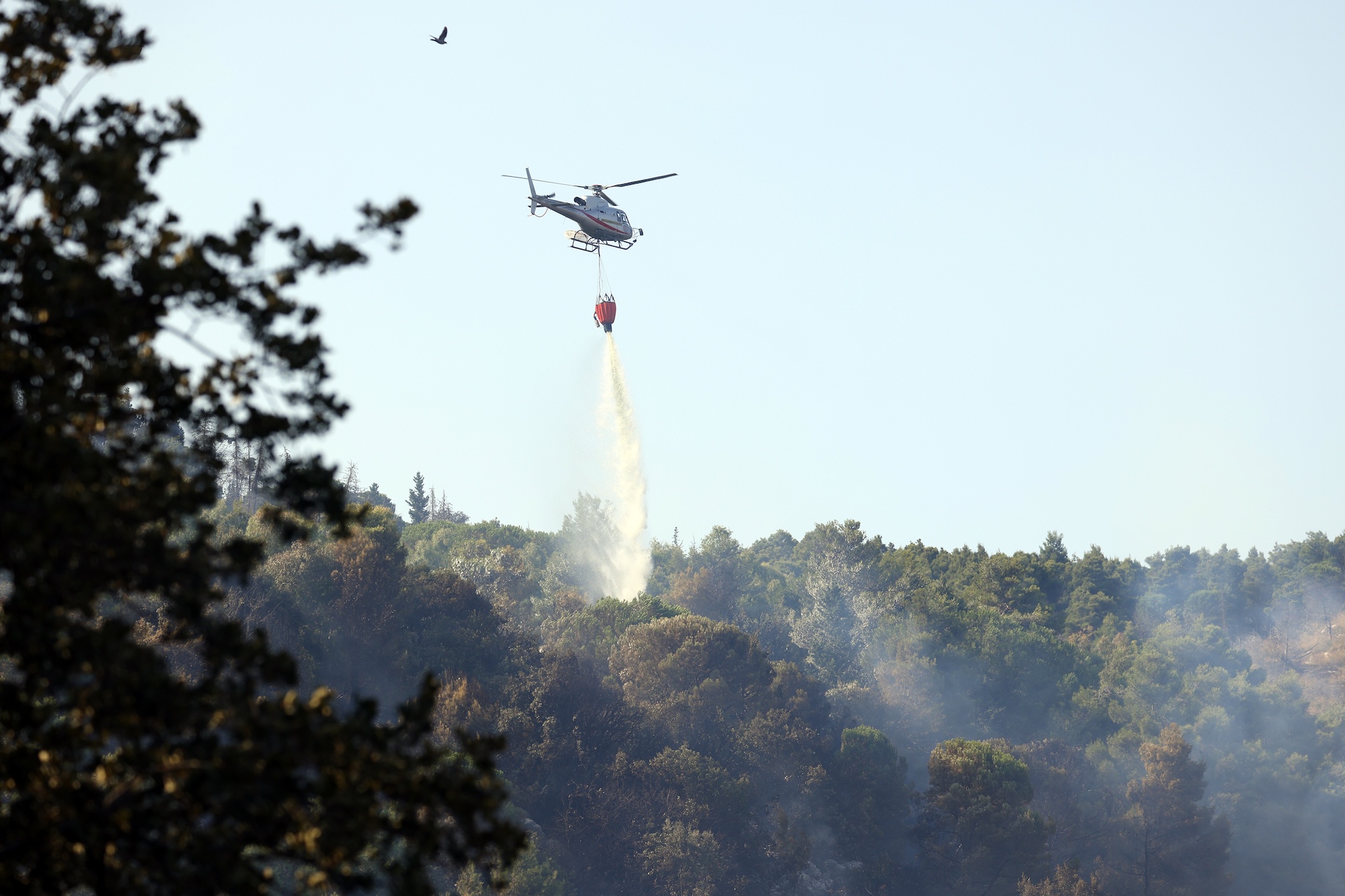
- 2021: A catastrophic fire season saw temperatures in Sicily reach an unprecedented 119.8 degrees Fahrenheit, leading to the displacement of over 100 residents in Piana and widespread destruction of agricultural infrastructure.
- 2023: Massive wildfires in July decimated several acres of the Caruso family’s land, resulting in the loss of nearly two dozen sheep and signaling a permanent shift in the farm’s economic viability.
- 2024: A state of national emergency was declared in Sicily due to a severe water deficit. The local reservoir, once the largest in the region, nearly ran dry, forcing farmers to abandon crops and liquidate herds.
- 2025–2026: Continued heat waves and erratic rainfall patterns have solidified the trend, with the population falling by nearly 17 percent since 2015, as young residents migrate to cities or abroad.
The Intersection of Culture and Ecology
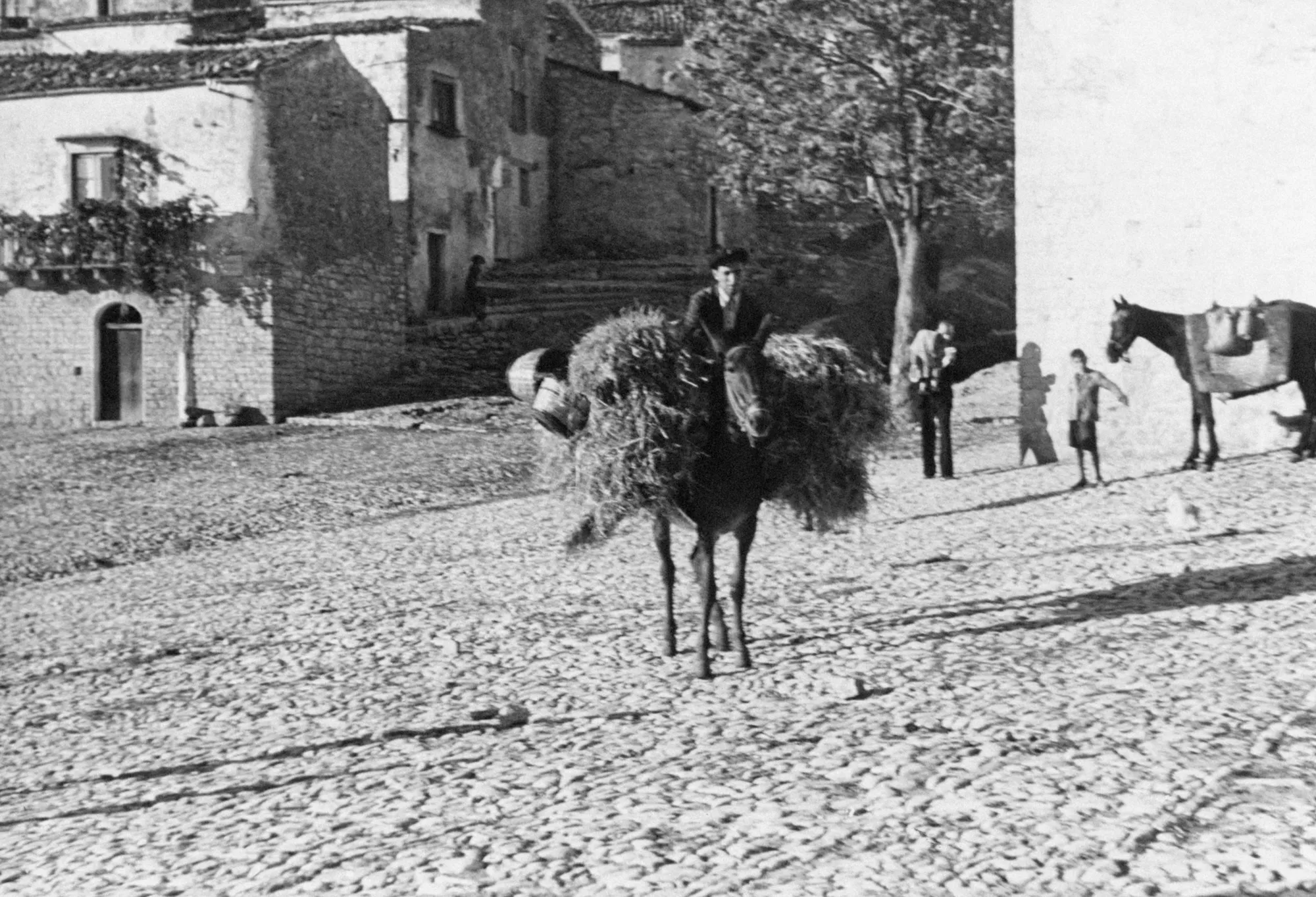
The Arbëreshë people are more than a demographic group; they are a living archive of history. Their integration into Sicily was predicated on their agricultural prowess, which allowed them to survive and thrive for 500 years. This history is marked by deep, often painful, connections to the soil. In 1947, the Portella della Ginestra massacre—where 11 farmers were killed during a May Day celebration—cemented the land’s status as a sacred symbol of labor and survival.
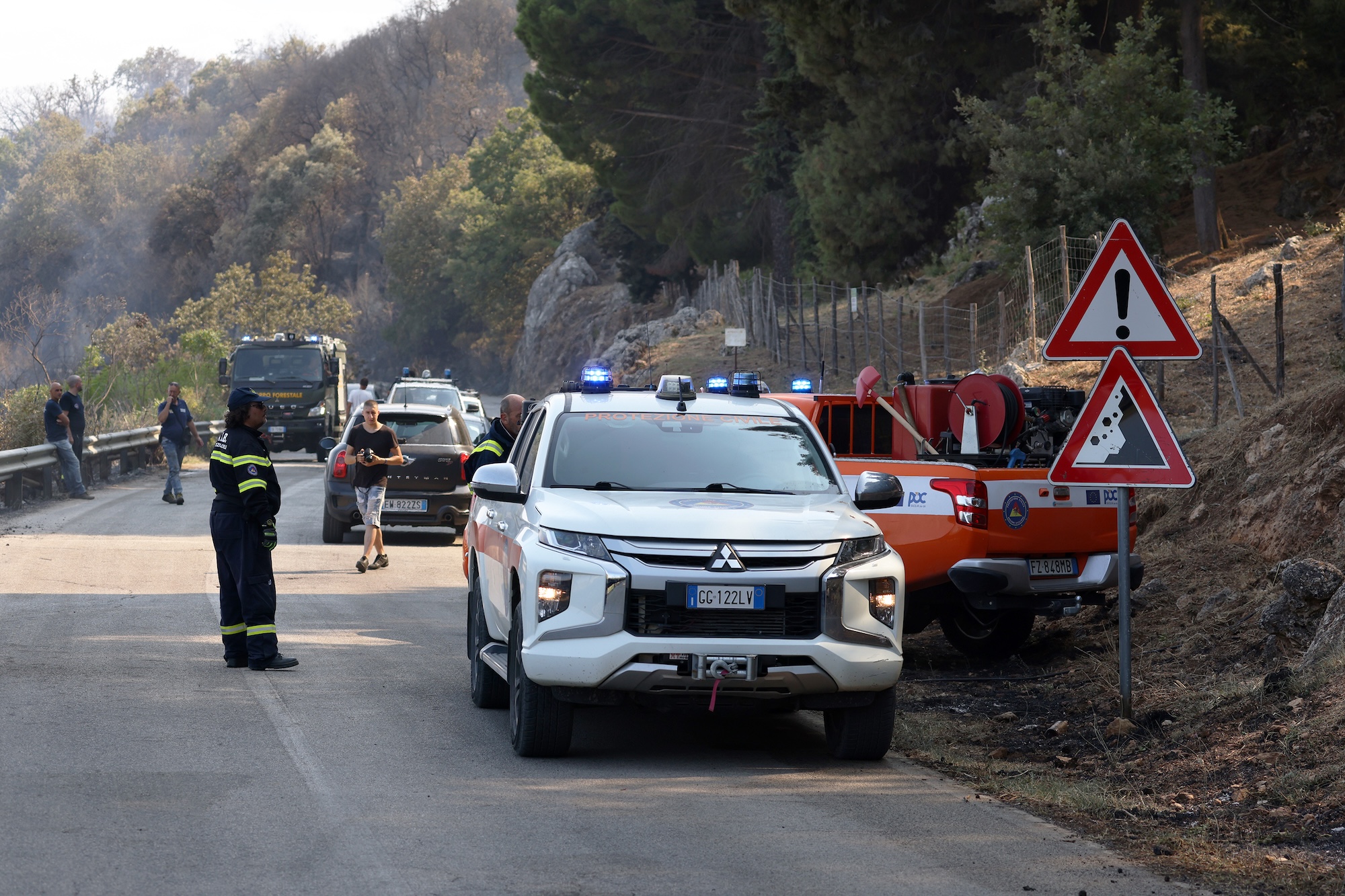
"If our lands burn, there are no jobs for us, no more homes," explains Giovanni Scalora, a fourth-generation farmer. Scalora points to the irony that a culture which survived the Ottoman conquest and 500 years of political turbulence might finally be undone by a lack of rain and an overabundance of fire. The cultural stakes are high: as the population dwindles, the Arbëreshë language, traditions, and the craft of traditional food production are at risk of being lost to history.
Ecologist Christian Mulder of the University of Catania warns that this is not merely a local tragedy but a potential blueprint for a larger European crisis. "Climate change is aggravating the emptying of inner rural areas of the island and forcing emigration," Mulder notes. "Ancient populations, as well as ancient grains, are at risk of disappearing forever."
Institutional Responses and the Governance Gap
The response from official channels remains a point of contention. While the Italian national government has allocated funding for emergency drought relief—including 20 million euros in initial emergency aid and subsequent allocations—local officials argue these measures are insufficient to address the structural nature of the crisis.
Mayor Rosario Petta, who has been in office since 2022, has prioritized economic diversification to stem the tide of emigration. By promoting tourism and forging links with the Albanian and Kosovar diasporas, Petta hopes to keep the town alive. "One thousand people who leave is an extra 1,000 people who will no longer speak Arbëreshë," Petta states. He is currently lobbying for direct flight paths between Palermo and Tirana to facilitate cultural exchange, but he acknowledges that tourism is a double-edged sword that puts further pressure on water and energy resources.
Salvatore Cona, head of the Sicilian Civil Protection Unit, admits that the regional and national coordination has often been reactive rather than proactive. "Towns like Piana simply do not have the resources available at the national level," Cona explains, noting that the burden of adaptation currently rests on the shoulders of the municipalities themselves.
The Diaspora and the Price of Stability
For those who have already left, the decision to migrate is often framed as a pragmatic necessity. Anna Liscari, who moved from Piana to Newport Beach, California, characterizes her relationship with her hometown as a "love-hate" dynamic. Her family, once prominent in the local tailoring and food supply trades, shuttered their businesses as the local agricultural base collapsed.
"We have survived wars, displacement, and poverty over the course of 500 years," Liscari says. "It’s crazy to think that climate and the inability to manage its effects is what might wipe us out."
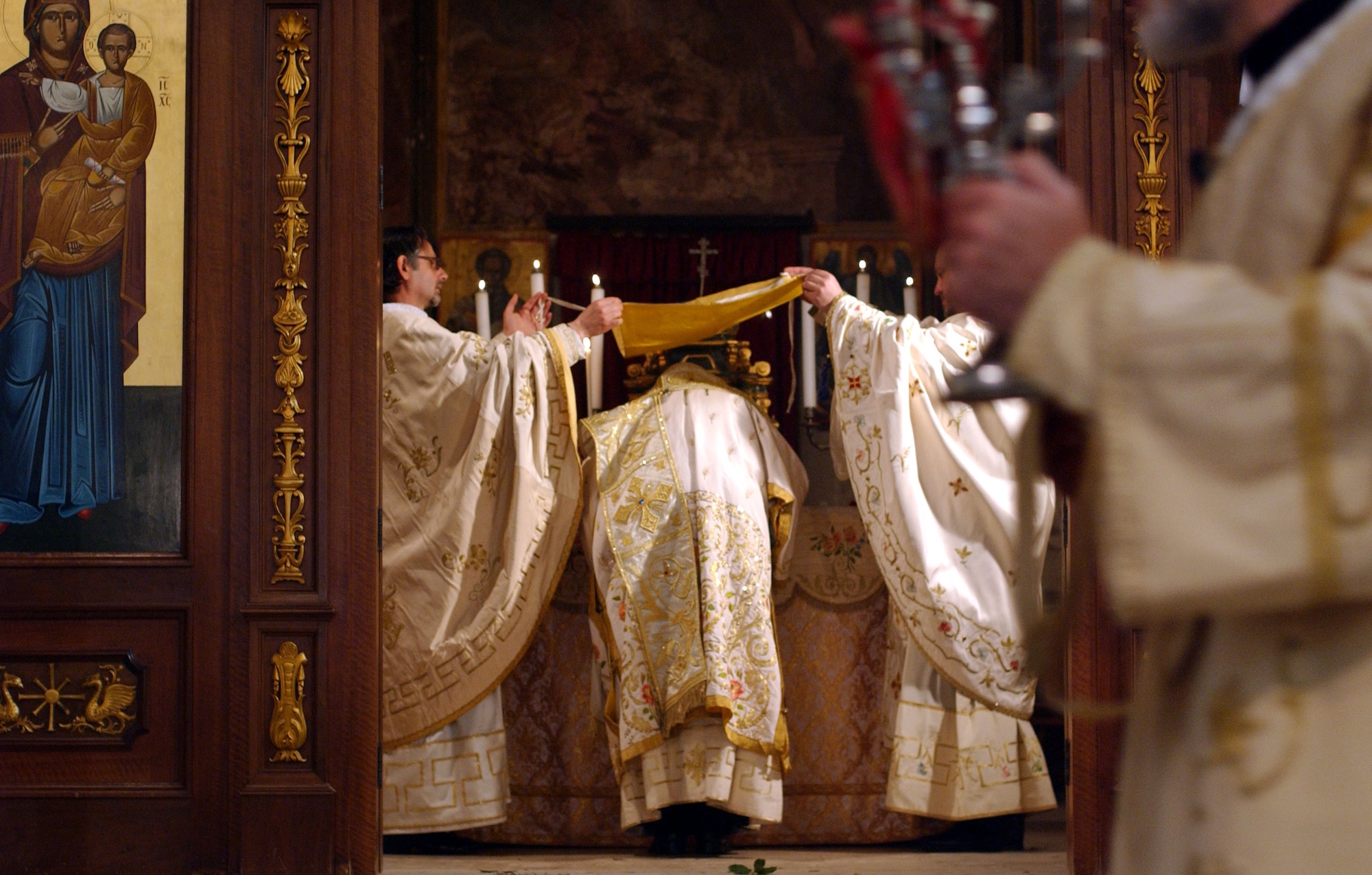
In the United States, particularly in California, the Arbëreshë diaspora continues to celebrate its roots. Anthony Plescia, president of the Arbëreshë of Sacramento association, has seen the resilience of his community through the decades. His ancestors arrived in the early 20th century, finding in California a climate similar to that of their Sicilian home. Plescia acknowledges that while the preservation of heritage is vital, the promise of a better, safer life in America has always been the trade-off for the eventual fading of language and custom in the second and third generations.
Future Implications: Adaptation or Extinction
The existential question for Piana degli Albanesi is whether it can transition from an agrarian-based society to something new before its original identity is completely eroded. Scalora is currently experimenting with different breeds of cattle that are more heat-resistant than the traditional sheep, acknowledging that the resulting ricotta will never taste exactly the same. "Our cheese will not be the same, but one can leave, or adapt to survive," he says.
The European Environment Agency has emphasized that climate adaptation plans must specifically account for vulnerable ethnic minorities to prevent the loss of unique cultural heritages. However, for many in Piana, the theoretical framework of "adaptation" feels distant from the reality of the daily struggle for water and the looming threat of the next wildfire.
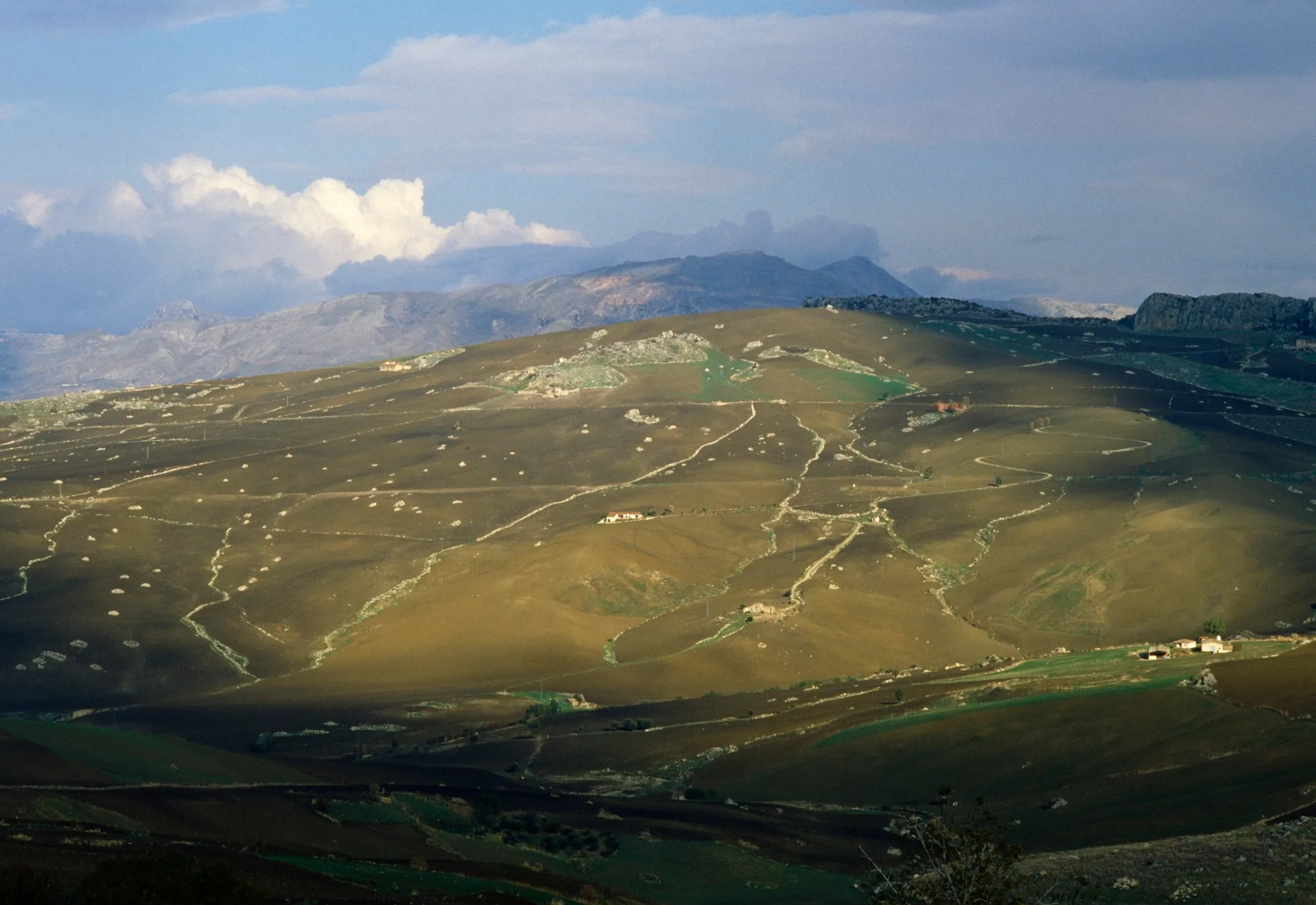
As the sun sets over the plateau, the murals of women in traditional attire in the Sheshi neighborhood remain as silent sentinels of a culture that is struggling to find its footing in the 21st century. Whether the efforts of the local council and the global diaspora will be enough to sustain the community remains to be seen. For now, the people of Piana degli Albanesi continue to walk a narrow path, caught between the gravity of their 500-year history and the unpredictable, unforgiving climate of the future.