Indigenous Governance and Knowledge Systems Are Essential Global Climate Solutions

From the remote mountain villages of Nepal to the dense, rain-drenched forests of the Ecuadorian Amazon and the expansive grasslands of Kenya, Indigenous peoples are finding themselves on the front lines of an escalating global climate crisis. However, these communities are not merely passive victims of catastrophic environmental events. They are active, highly organized stewards of the land, wielding centuries of traditional ecological knowledge and robust governance structures to navigate a world increasingly defined by climate instability.
A comprehensive new report published by the global advocacy organization Land Is Life highlights a critical, often overlooked reality: while international policymakers frequently laud Indigenous knowledge as a potential tool for climate mitigation, they consistently fail to support the governance systems that allow this knowledge to be effectively applied. As the frequency and intensity of environmental disasters climb, the report argues that the path to global climate resilience lies not in the creation of new, top-down bureaucratic structures, but in the legal and financial empowerment of existing, proven Indigenous management systems.
The Anatomy of Overlapping Crises
The climate emergency is no longer characterized by singular, predictable weather events. Modern disaster profiles are increasingly defined by "compounding crises"—a phenomenon where floods, wildfires, and prolonged droughts occur in rapid succession, leaving communities little time to recover between impacts. According to the Land Is Life study, which synthesized data from over 200 survey responses across 46 countries, more than 80 percent of Indigenous respondents reported facing two or more simultaneous climate-related disasters. Over 90 percent noted that the frequency of these events has increased significantly over the last decade.
This is not a localized trend. The data encompasses six distinct global ecosystems: forests, mountains, drylands, freshwater systems, grasslands, and coastal zones. By analyzing these diverse regions, researchers have identified a shared vulnerability to the failure of national infrastructure, yet also a shared resilience rooted in local self-determination.
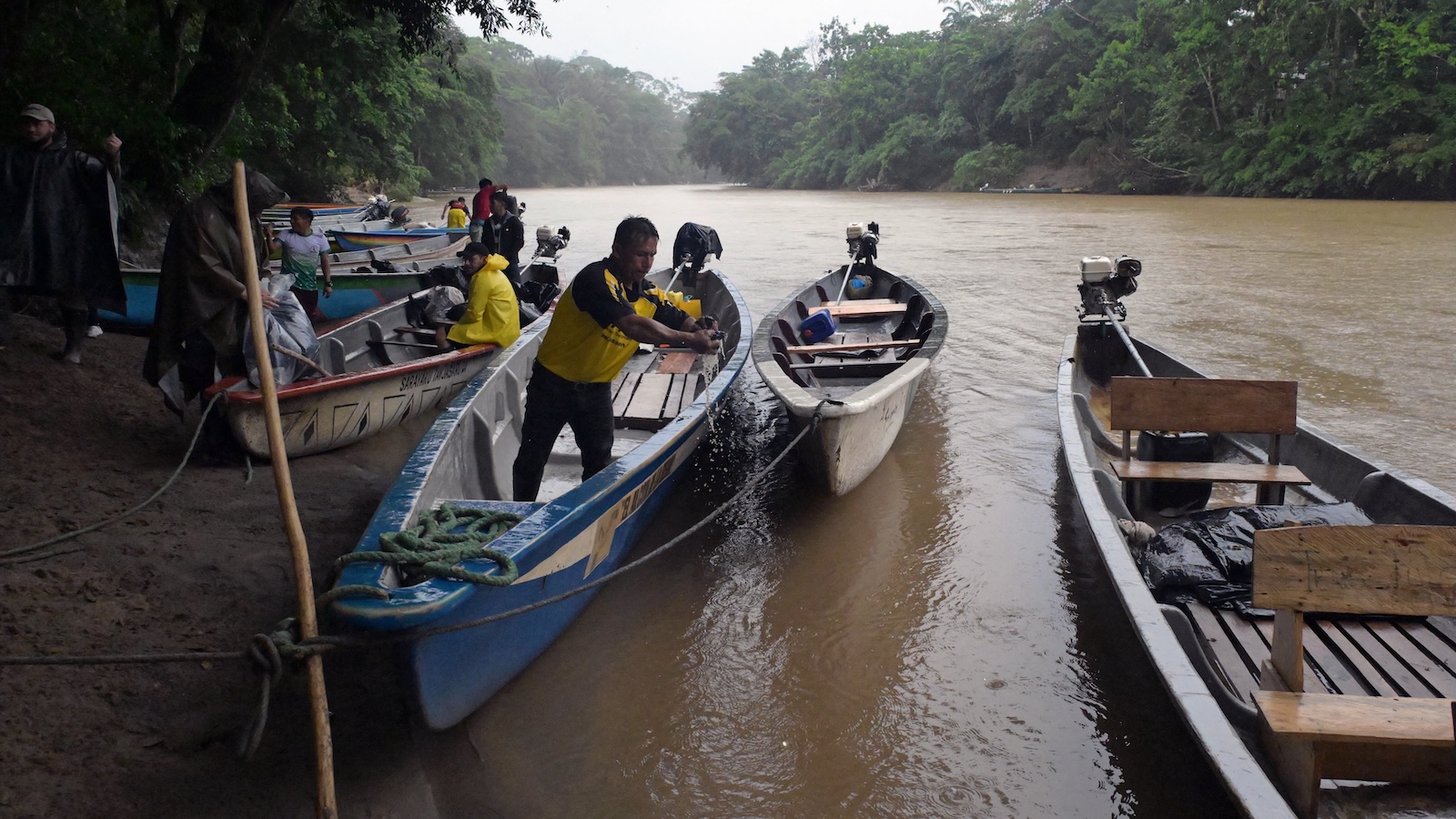
In 2019, the Kichwa People of Sarayaku, an Indigenous community of approximately 1,600 people in the Ecuadorian Amazon, faced a catastrophic flooding event along the Bobonaza River. The surge destroyed crops, infrastructure, and homes. However, the community did not collapse. Their response was immediate and organized, dictated by internal governance structures that prioritize collective responsibility—a concept known in Kichwa as minga.
Daniel Santi, president of the Sarayaku community, notes that their survival is inextricably linked to their ability to govern their own territory. "This organization makes it possible to confront any problem and any threat," Santi explained. The Sarayaku elders utilized their deep-rooted observation of the environment—tracking subtle changes in lightning patterns and rainfall at the river’s headwaters—to provide early warnings that allowed the community to mobilize before the floodwaters peaked.
A Chronology of Resilience and Neglect
The relationship between Indigenous peoples and climate policy has shifted over the last two decades, moving from total invisibility to a state of "performative recognition."
- 2007: The United Nations Declaration on the Rights of Indigenous Peoples (UNDRIP) is adopted, establishing a framework for self-determination.
- 2015: The Paris Agreement acknowledges the importance of traditional knowledge in climate adaptation, marking a turning point in international discourse.
- 2019–2021: A series of extreme climate events—including the Amazon fires and unprecedented flooding in Southeast Asia—highlights the disproportionate impact of climate change on Indigenous territories.
- 2024: The Land Is Life report is released during New York Climate Week, providing a quantitative baseline for the necessity of direct funding to Indigenous governance structures.
Despite these milestones, the implementation gap remains cavernous. While global climate finance pledges have reached into the billions, researchers consistently find that only a minuscule fraction of these funds reaches the local level. Often, the money is intercepted by large, non-Indigenous NGOs or national government agencies that lack the cultural competency to implement projects effectively.
The Data Gap: Why Current Funding Fails
The failure to fund Indigenous-led initiatives is not merely an ethical oversight; it is a strategic error in the global fight against climate change. Data indicates that Indigenous peoples manage approximately 25 percent of the Earth’s land surface, which contains about 80 percent of the world’s remaining biodiversity. These lands serve as critical carbon sinks.
Anisha Buda, a program officer at the National Indigenous Women Forum in Nepal, points to a recurring pattern of exclusion. "It’s so frustrating," Buda says. "There are so many projects that are supposed to be for Indigenous peoples, but they are implemented by non-Indigenous organizations and non-Indigenous peoples."
This creates a systemic barrier to progress. When funding is tied to external, Western-centric metrics of success, it often undermines the very governance structures that make Indigenous stewardship effective. For instance, in Kenya, the Endorois and Tugen women have successfully cultivated drought-resistant varieties of millet and sorghum. These crops have proved to be the only viable food source during severe droughts. However, these successes often occur in spite of, rather than because of, state policy, which frequently fails to provide legal title to the lands these women cultivate.
Integrating Knowledge with Governance
The report argues that the most successful climate interventions are those that blend traditional ecological knowledge (TEK) with modern scientific data. In Peru, the Quechua communities in the Ausangate Regional Conservation Area have successfully integrated their traditional monitoring of environmental indicators with Western research methods. This collaborative approach has allowed the community to track glacial retreat and soil health with a precision that neither method could achieve alone.
This model of partnership stands in stark contrast to the common practice of "extracting" knowledge. Too often, international organizations seek to learn from Indigenous experts to inform their own strategies without providing the necessary resources for those experts to maintain their own authority.
Gisela Hurtado, the author of the report, emphasizes that the goal is not to force a singular template of governance onto every community. Instead, the focus should be on creating an environment that supports self-determination. "We don’t really need to create new structures or systems," says Luisa Castañeda Quintana, executive director of Land Is Life. "We just need to see what is working."
Implications for Global Climate Strategy
The failure to recognize Indigenous governance has dire consequences. When governments refuse to legally recognize Indigenous rights, they weaken the ability of these communities to manage natural resources. In some regions, the continued criminalization of Indigenous practices—such as traditional fire management—has actually exacerbated the risk of uncontrollable wildfires. In Brazil, for example, the Coordination of Indigenous Organizations of the Brazilian Amazon (COIAB) has taken on the mantle of fire management, organizing local response teams and training, effectively filling the vacuum left by the state.
As the United States and European nations re-evaluate their international climate commitments amid shifting geopolitical priorities and budget constraints, the argument for efficiency becomes paramount. If resources are to be used effectively, they must be directed toward the most resilient entities.
The analysis provided by the Land Is Life report is clear: the future of climate adaptation is not in the hands of centralized, distant bureaucracies, but in the hands of the people who have been managing these ecosystems for millennia. By securing legal land rights, providing direct financial support that bypasses traditional bureaucratic intermediaries, and fostering partnerships that treat Indigenous governments as equal authorities, the global community can tap into a proven, scalable, and sustainable strategy for survival.
As the world experiences the increasing frequency of climate-driven disasters, the wisdom of those who have been observing the land for generations is no longer just a cultural asset—it is a global necessity. If the goal is to survive the coming decades, the global powers must pivot from a model of "saving" the environment to one of supporting the people who have already mastered the art of living within it.