Michigan Voters Prepare to Decide the Future of Utility Influence in State Politics

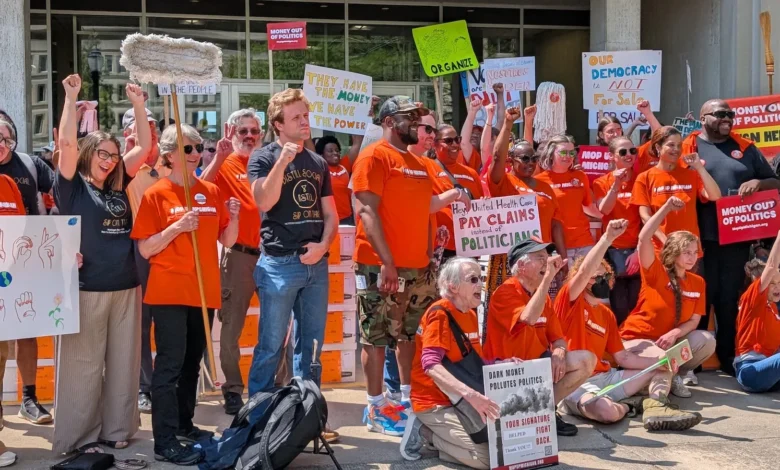
For 83-year-old Sam Getsinger, the upcoming Michigan ballot initiative represents more than just a policy change; it is a fundamental test of the state’s democratic integrity. As she spent months navigating the neighborhoods of northern Michigan to collect signatures, her conversations with residents revealed a consistent thread of frustration. Voters, weary of frequent power outages, escalating energy costs, and the perceived stranglehold that major utility companies maintain over the legislative process in Lansing, are signaling a desire for systemic reform. This sentiment has culminated in a high-stakes ballot proposal that seeks to drastically restrict the political spending of the state’s electricity and gas providers.
The initiative, if passed, would establish some of the most stringent restrictions on utility-linked political spending in the United States. It specifically targets the mechanisms through which corporations exert influence, including political action committees (PACs) and direct contributions from executives, board members, and their immediate families. While supporters view this as a vital step toward restoring government accountability, the measure faces significant legal hurdles and intense opposition from industry groups that argue the proposal oversteps constitutional protections on free speech.
A Chronology of Growing Discontent
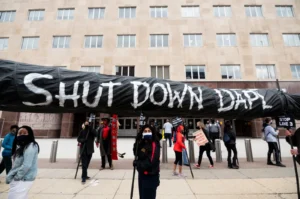
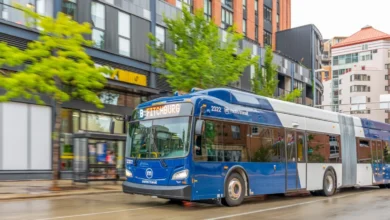
The roots of the current movement lie in years of deteriorating infrastructure and increasing energy costs that have left Michigan residents among the most dissatisfied in the nation. According to reports from the Citizens Utility Board (CUB) of Michigan, utility reliability in the state has reached historic lows, with residents enduring recurring, multi-day outages following extreme weather events, including intense ice storms and high-wind events that have become increasingly common in recent years.
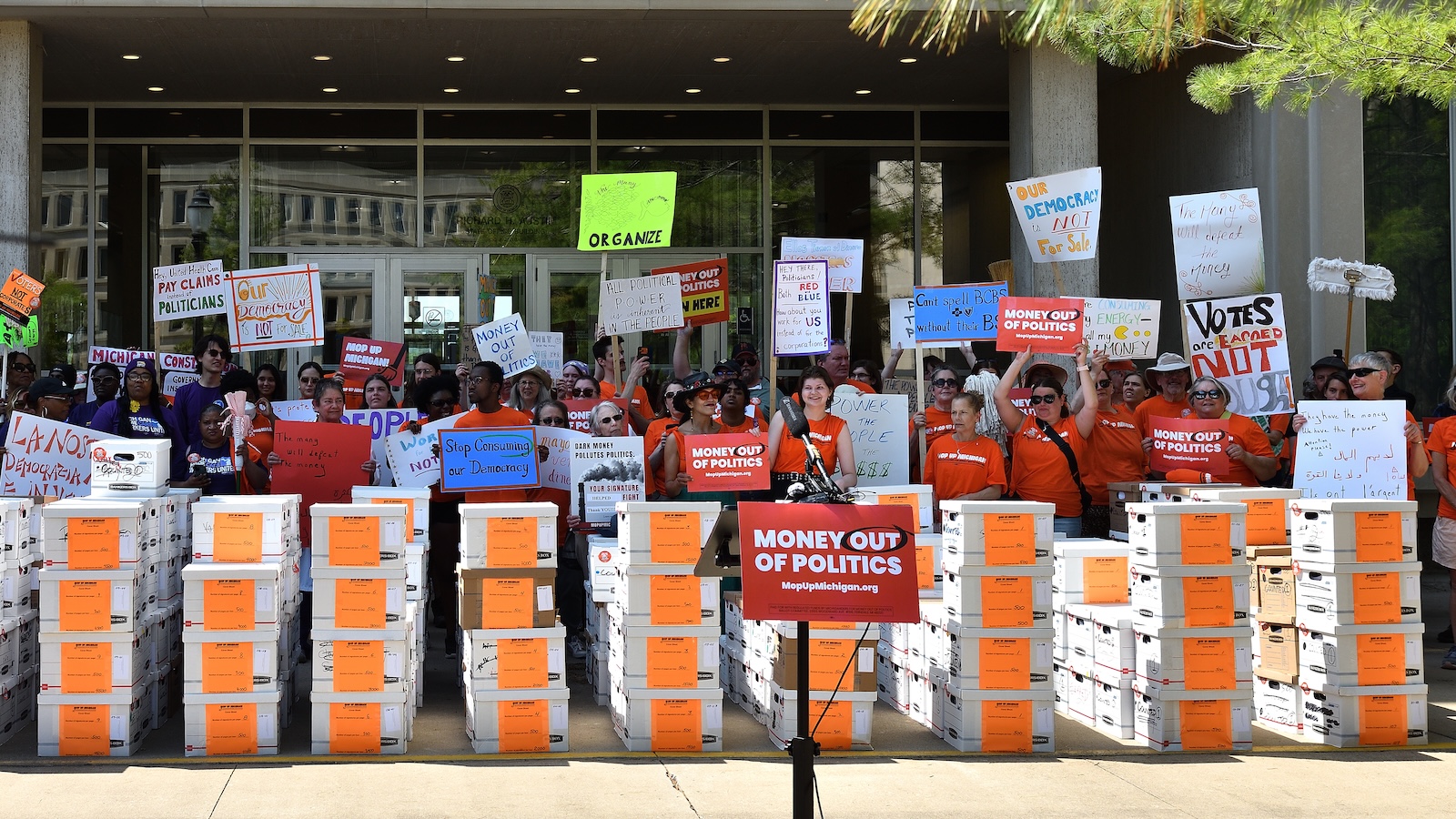
The legislative atmosphere began to shift noticeably in 2025. Following a series of stalled environmental bills—including measures to mandate corporate accountability for site cleanups and efforts to expand community solar—advocacy groups began to organize around the concept of "getting money out of politics." The Michigan League of Conservation Voters launched the "No Utility Money Challenge," a voluntary pledge for candidates to refuse campaign donations from utility entities. While the initial response was tepid, with fewer than 10 candidates signing on, the movement gained momentum. Today, 126 candidates for state office, representing both major political parties, have pledged to reject such funding. This dramatic shift underscores a growing consensus that association with utility money has become a political liability rather than an asset.
The Mechanism of Influence: Money and Policy
The proposed ballot measure aims to close long-standing loopholes in Michigan’s campaign finance laws. While the state already prohibits direct corporate contributions to political campaigns, companies have historically circumvented these barriers by funneling funds into nonprofit organizations and PACs. These entities then deploy the capital to fund political advertisements and support preferred candidates, effectively maintaining a corporate footprint in the legislative arena.
Data from the Michigan League of Conservation Voters reveals the scale of this financial influence. In the 2022 election cycle alone, utility companies and their affiliates directed more than $1.6 million into state and local races. In 2025, even with increased scrutiny, lawmakers and political committees accepted $421,000 in utility-backed donations. Proposal 2 seeks to end this practice by prohibiting utility-funded PACs from contributing to campaigns and extending the ban to include individual donations from utility executives, board members, and their immediate family members. Additionally, the measure seeks to increase transparency in online political advertising, requiring stricter disclosure for digital campaign expenditures.
Perspectives from Stakeholders and Opposition
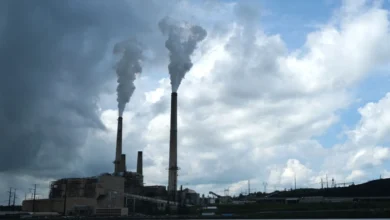
The coalition behind the ballot measure, "Michiganders for Money Out of Politics," successfully gathered over 560,000 signatures to qualify the initiative for the ballot. Christy McGillivray, co-chair of the coalition, argues that the current system is fundamentally broken. "Everything is more expensive," she notes, pointing to the correlation between utility influence in Lansing and the rising costs of energy and environmental degradation. Supporters contend that until lawmakers are free from the financial pressure of utility lobbyists, the state will continue to lag in achieving its climate goals, such as the mandate for 100 percent renewable energy by 2040.

Conversely, industry stakeholders have mounted a robust opposition. Protect MI Free Speech, a group that has received significant funding from utility-linked interest groups, characterizes the proposal as a "sneak attack" on political participation. Spokesperson John Sellek argues that the legislation infringes upon the constitutional rights of individuals and organizations to participate in the political process. "This measure won’t eliminate money in politics," says Katie Carey, a spokesperson for Consumers Energy. "It will simply shift influence away from Michigan companies and toward wealthy national donors and special interests."
Legal Precedent and Constitutional Challenges
The legal viability of the proposal remains a primary concern for legal scholars. In the wake of the 2010 U.S. Supreme Court ruling in Citizens United v. FEC, political spending is broadly protected as a form of free speech. While the Supreme Court has permitted states to ban direct corporate contributions to candidates to prevent the appearance of corruption, it has also consistently struck down efforts to limit independent expenditures or spending by PACs.
Legal experts warn that if the measure passes, it will almost certainly trigger a wave of litigation. Opponents are likely to argue that the restrictions on family members of executives and the limitations on PACs violate First Amendment rights. The experience of other states provides a cautionary tale: in Hawaii, a 2026 law targeting political spending by organizations is already facing multiple legal challenges from business groups.
Implications for the Future of Governance
Even if the ballot measure survives legal scrutiny, its long-term impact on political spending remains subject to debate. Critics suggest that corporations are adept at finding alternative conduits for influence. "If one avenue is closed off to them, they can redirect that money to other entities that can effectuate pretty much the same goal," says Karley Abramson of the Citizens Research Council of Michigan. Lobbying efforts and uncoordinated issue-based advertising are likely to continue, as these areas are significantly harder to regulate under current federal jurisprudence.
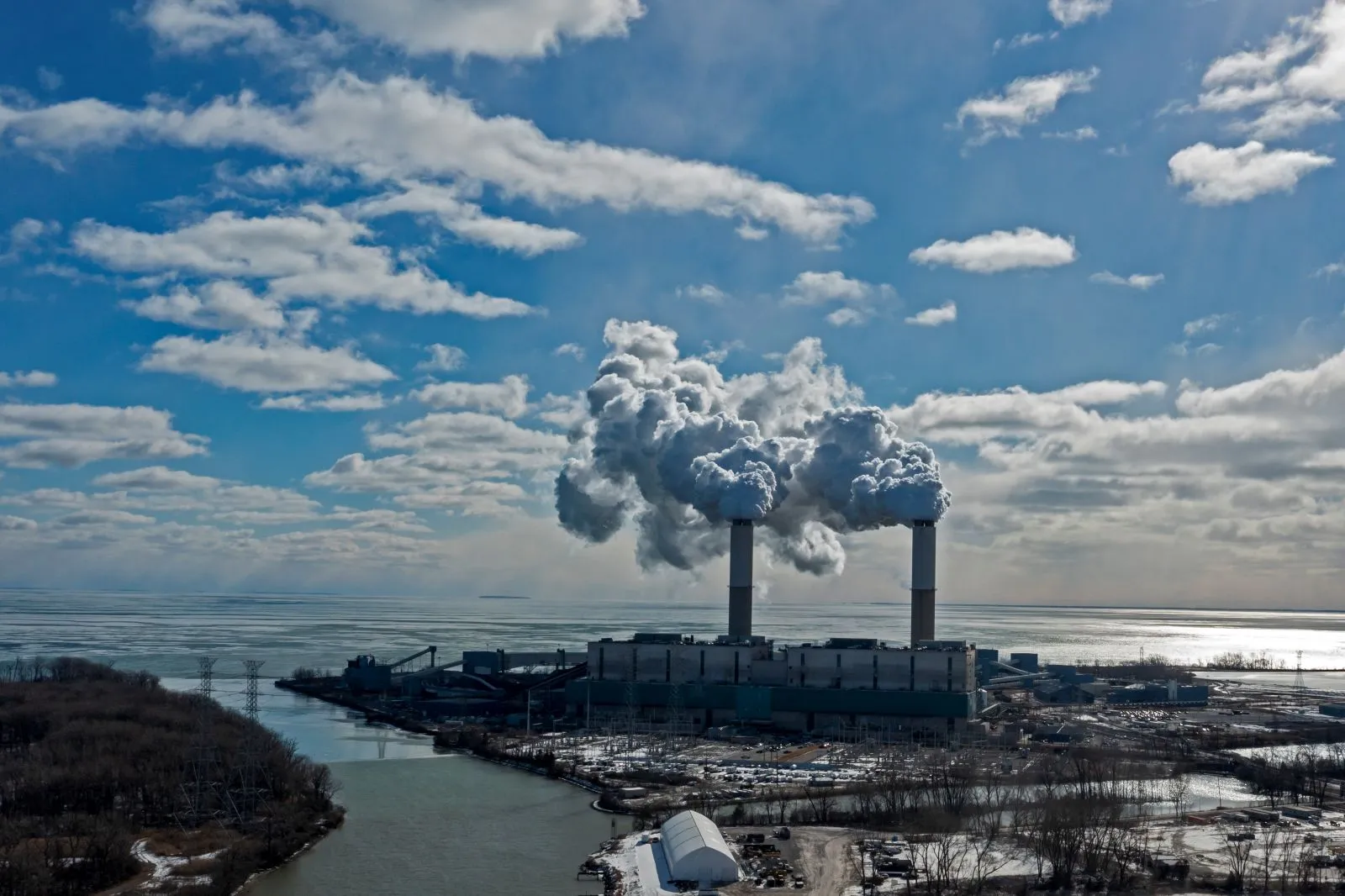
Despite these limitations, proponents maintain that the ballot measure is a necessary "first step" toward transparency. The mere existence of the proposal has already forced a conversation about the role of corporate money in public utilities—an industry that is uniquely positioned because it provides an essential service with limited competition. By holding a vote on this issue, Michigan is testing the limits of what a state can do to curb the influence of powerful monopolies.
As the election approaches, the outcome of the vote will serve as a bellwether for similar movements across the country. Whether the initiative succeeds or fails, the effort has already transformed the political discourse in Michigan, forcing candidates to account for their financial backing and bringing the mechanics of utility influence into the public eye. For voters like Sam Getsinger, the vote is not merely about a policy change; it is about reclaiming a degree of influence in a political system that many believe has become unresponsive to the needs of the average citizen. As the state moves toward a future defined by clean energy transitions and infrastructure modernization, the question of who holds the purse strings—and by extension, the power—will remain at the center of the Michigan political landscape.