A Busy Tuesday of Racing Across Ffos Las, Wolverhampton, and Yarmouth, Live on Sky Sports Racing

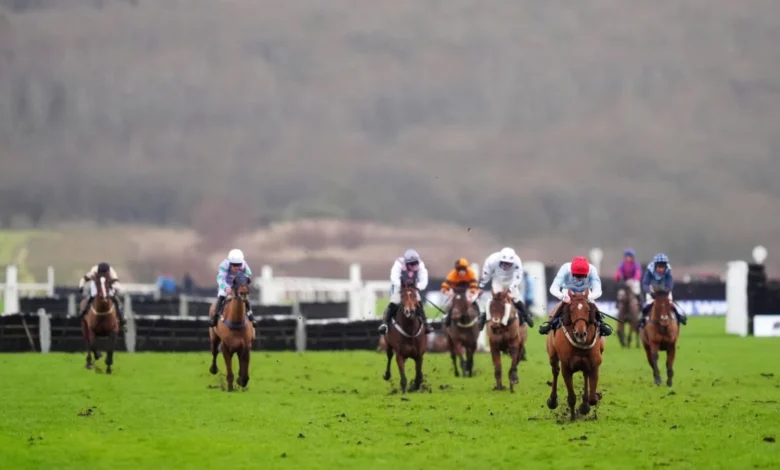
Tuesday promises a full slate of equestrian action with meetings scheduled at Ffos Las, Wolverhampton, and Yarmouth, all of which will be broadcast live on Sky Sports Racing. The day’s racing features a variety of contests, from novice hurdles and handicaps to listed and group races, offering punters and racing enthusiasts a comprehensive day of betting opportunities and spectating.
Ffos Las: Nicky Henderson’s Crystal Island Headlines Novices’ Hurdle
The day’s racing kicks off at Ffos Las with the South West Rail Solutions Ltd Novices’ Hurdle at 4:38 PM. A competitive field of twelve runners is set to contest this opening event. Among the prominent contenders is Nicky Henderson’s charge, Crystal Island. This four-year-old gelding made a highly impressive debut under rules at Ascot in December, a performance that has set high expectations for his subsequent outings. Henderson, a trainer renowned for his success with young hurdlers, will be aiming for Crystal Island to maintain his unbeaten record and demonstrate further progression. The horse’s maiden victory at Ascot, a track known for its demanding nature, suggests a bright future, and his performance at Ffos Las will be closely scrutinized by followers of the sport.
Opposing Crystal Island is Uptown Dandy, trained by Ben Pauling and to be ridden by Ben Jones. This six-year-old has already proven his mettle over the Ffos Las course and distance, having secured a victory on his most recent start. His consistency is a notable attribute, with only one finish outside the top three in his seven career starts. This impressive record indicates that Uptown Dandy is a seasoned competitor capable of delivering strong performances, and another prominent showing is anticipated.
Another horse to watch is Kings Champion, trained by Olly Murphy. This gelding was a warm favourite on his last outing in February but ultimately failed to justify the market confidence, fading in testing conditions after running well for a significant portion of the race. Murphy will be hoping that a return to better ground and an increase in trip will prove beneficial, enabling Kings Champion to record his second career victory. The change in conditions could be the catalyst for a significant improvement in form.
Other notable entries in the Ffos Las opener include Rathkenny and Home Made Hero. Additionally, Fairye Forth, now making his second start for trainer Rebecca Curtis, is a horse that could surprise. Curtis has a good record with horses transitioning to her yard, and Fairye Forth’s debut for the stable will be of interest. The depth of the field suggests a tactical and potentially exciting race to begin the Ffos Las card.
Yarmouth: Competitive Handicap Features Philanthropist and Miletus
Later in the afternoon, attention shifts to Yarmouth for the AKS Skip Hire Services Handicap at 4:55 PM. This seven-furlong handicap promises to be a keenly contested affair with a full field of twelve runners. A particularly intriguing runner is Philanthropist, trained by James Fanshawe. After a series of underwhelming performances, the four-year-old is now back down to his last winning handicap mark. This repositioning in the ratings, coupled with the application of first-time cheekpieces, makes Philanthropist a significant contender. Fanshawe is known for his ability to revive horses, and this combination of factors could see Philanthropist return to winning ways.
Miletus, a five-year-old trained by James Keane, has developed a reputation for consistently finishing in the runner-up spot in recent races. Trainer James Keane will be optimistic that his charge can finally go one better today. The addition of a first-time hood is intended to help Miletus focus and extract his best performance, potentially overcoming his tendency to finish second.
William Stone’s Dashing Dick is another to consider. The eight-year-old enjoyed a successful end to his previous campaign, justifying favoritism at Newmarket. He now steps back up to the seven-furlong trip, seeking his sixth career victory. Dashing Dick’s experience and proven ability at this level make him a serious threat.
Gorgeous Mr George, a three-time course winner, will commence his 2026 campaign at Yarmouth. Having demonstrated success over this specific course and distance on two prior occasions, he is well-suited to the track. However, Dylan Cunha’s four-year-old has yet to achieve a victory off a handicap mark in the 70s, a factor that will be closely monitored by handicappers and punters alike.
Other horses that warrant attention in this competitive handicap include Documenting for trainer Kevin Frost, Rogue Allegiance from the Jack Jones stable, and Shimmering Spin, who will be ridden by Harry Davies and sports first-time cheekpieces. The handicapper’s assessment of these runners will be crucial in determining their chances.
Wolverhampton: In-form Midnight Call Aims for More Success
The evening fixture at Wolverhampton features the Get Raceday Ready Handicap over the minimum trip at 6:00 PM. Seven runners will contest this sprint, with Midnight Call from the Tony Carroll yard being a notable contender. The five-year-old mare has been in scintillating form of late, recording five wins from her last eight starts. Crucially, she has achieved three of these victories over the Wolverhampton track and trip, demonstrating a strong affinity for the course. Her recent success, however, means she now has to carry a career-high weight, posing a significant challenge.
Shalaa Asker is another horse in good current form. A previous course and distance winner, he has enjoyed a productive winter with multiple wins and placed efforts. Rob Hornby is back in the saddle for this engagement, adding to his credentials.
An intriguing runner is Binadham, trained by Kevin Philippart De Foy. This horse finished sixth in the prestigious Norfolk Stakes during his two-year-old career and has finished third on both of his previous starts at Dunstall Park, Wolverhampton’s track. Now fitted with first-time cheekpieces, he will be aiming to break his maiden status, having not won since his debut.
Other horses to keep an eye on in this Wolverhampton handicap include Em Four for the Saffie and Jamie Osborne partnership and Diomed Spirit from Stuart Williams’ stable. The sprint division at Wolverhampton often provides thrilling finishes, and this race is expected to be no different.
The Best of the Rest: International and Domestic Interest
Beyond the main Sky Sports Racing broadcasts, several other races offer compelling viewing. At Compiegne in France, the Group Three Prix Hopper at 2:05 PM features a field of seven runners, showcasing international talent. Later on the same French card, the Listed Prix du Mont Dore at 3:50 PM includes notable contenders Olympic Story and Hamandio.
In the UK, Yarmouth hosts further action throughout the afternoon. The Novice Stakes at 2:35 PM sees Brilliant Star and Fanciulla Del West in contention. At 3:10 PM, Pantile’s Gift will aim to defy a penalty and secure back-to-back victories. The 4:20 PM race at Yarmouth features Eightthreeone, who is seeking successive wins.
Wolverhampton’s evening card also includes other races of interest. At 6:30 PM, Consistent Beaune will pursue another success on the all-weather surface. The final race at Wolverhampton at 7:00 PM features Star Marian, who aims to maintain a flawless record for the 2026 season.
Ffos Las has a further two races on the card. At 6:42 PM, Martalmix’jac and Esperti are set to compete. The concluding race at 7:12 PM sees Largy Panic bid to follow up a recent Kempton success for trainer Ben Clarke.
The card at Le Mans, France, is described as average, suggesting it may not hold the same level of intrigue as the featured meetings.
Broader Implications and Racing Calendar Context
The scheduling of racing across multiple venues on a single day reflects the constant demand for thoroughbred racing content. Sky Sports Racing, as the primary broadcaster for many of these meetings, plays a crucial role in bringing these events to a wider audience. The presence of novice hurdles, handicaps, and listed races provides a spectrum of opportunities for horses at different stages of their careers and for various breeding operations.
The inclusion of French racing at Compiegne highlights the interconnectedness of European racing. Horses and trainers frequently campaign across borders, adding an international flavour to domestic fixtures. The performance of horses like Olympic Story and Hamandio in listed company can have significant implications for their future breeding or stallion prospects.
For punters, the variety of tracks, distances, and race types presents a complex betting landscape. Form analysis, track biases, jockey bookings, and trainer strategies all become critical components of successful wagering. The introduction of equipment such as cheekpieces and hoods in races like the Yarmouth handicap and the Wolverhampton handicap can often signal a trainer’s intent to make a significant improvement in a horse’s performance.
The upcoming fixtures are also indicative of the ongoing season. For flat racing, the emphasis on handicaps and novice contests at Yarmouth suggests the build-up to more significant summer events. Similarly, the all-weather racing at Wolverhampton is a staple of the winter and spring calendars, providing consistent opportunities for horses to maintain fitness and form.
The mention of "2026" in relation to some horses, such as Gorgeous Mr George and Star Marian, indicates that the article is referring to the upcoming racing season. This temporal context is important for understanding the current form and future aspirations of these equine athletes. The early successes of horses like Crystal Island and the consistent performances of others like Uptown Dandy set the tone for their respective campaigns. The continued success of horses in good form, such as Midnight Call, will be closely watched as they aim to defy rising handicaps. Ultimately, Tuesday’s racing promises a compelling mix of established talent and emerging stars across the UK and France, offering a full day of excitement for racing aficionados.
Related posts: