The High-Stakes Race to Overhaul American Energy Permitting Amid a Surging Power Demand Crisis

As the midterm election cycle accelerates, a bipartisan cohort of U.S. senators is engaged in a high-stakes legislative scramble to finalize a comprehensive permitting reform bill. While lawmakers prepare to depart the Capitol to face voters, the pressure to reach an agreement has reached a fever pitch, driven by a consensus that the current federal infrastructure approval process is fundamentally incompatible with the nation’s burgeoning energy needs. Analysts and industry stakeholders argue that the existing regulatory framework, characterized by years of legal challenges and interagency gridlock, serves as the primary bottleneck to maintaining American economic competitiveness.
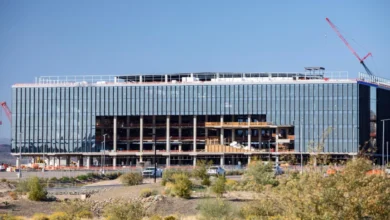
The urgency is not merely theoretical. Across the United States, electricity demand is experiencing a historic surge, fueled by a confluence of factors: the rapid, massive expansion of the tech industry’s data center footprint, the widespread adoption of electrification in residential sectors—such as heat pumps and electric vehicles—and a federal mandate to repatriate critical manufacturing. This convergence has placed unprecedented strain on existing grids, forcing a bipartisan realization that the current "red tape" environment threatens the stability of the power supply.
A Chronology of Legislative Stagnation and Momentum
The quest for permitting reform has been a recurring, albeit unsuccessful, narrative in Washington for years. The legislative history of this effort is marked by a series of near-misses that highlight the difficulty of balancing environmental safeguards with the necessity of industrial expansion.
- 2023–2024: The most prominent attempt, the Energy Permitting Reform Act of 2024, successfully navigated the committee process but ultimately failed to secure a floor vote in the Senate, falling victim to the hyper-partisan atmosphere of an election year.
- August 2026: Momentum began to build again as Senator Marsha Blackburn (R-TN) and other proponents introduced the American Energy and Mineral Infrastructure Act. Twelve new cosponsors signed on, signaling that the desire for reform was crossing party lines.
- Mid-September 2026: The annual Clean Energy Week conference in Washington became a focal point for the discourse, with industry leaders and lawmakers openly discussing the "energy war" against foreign competitors like China.
- Late September 2026: High-ranking members of the Senate’s key energy committees entered into intense negotiations. Despite reports of progress, Politico noted that final drafting would likely be deferred until after the November midterms, as the political cost of a failed deal prior to the election became too high.
The Data Center Paradox and Public Perception
A central tension in the current debate is the "toxic" public perception of data centers. While legislators view these facilities as essential engines of the modern, AI-driven economy, public opinion research suggests that voters are increasingly wary of them. Alex Lundry, president of Redbud Consulting, has highlighted a significant PR hurdle: when permitting reform is framed as a benefit to the data center industry, public support plummets.
This presents a strategic dilemma for incumbents. Legislators want to facilitate infrastructure development—which inherently benefits the energy-hungry tech sector—without alienating constituents who oppose the construction of massive data centers in their neighborhoods. Polling data from Redbud Consulting indicates that while voters are skeptical of data centers, they are highly receptive to the concept of "clean energy." Consequently, political consultants are advising lawmakers to reframe the permitting debate away from corporate infrastructure and toward the necessity of upgrading the grid to support renewable energy and lower consumer utility bills.
Supporting Data and the Shift in Power Generation
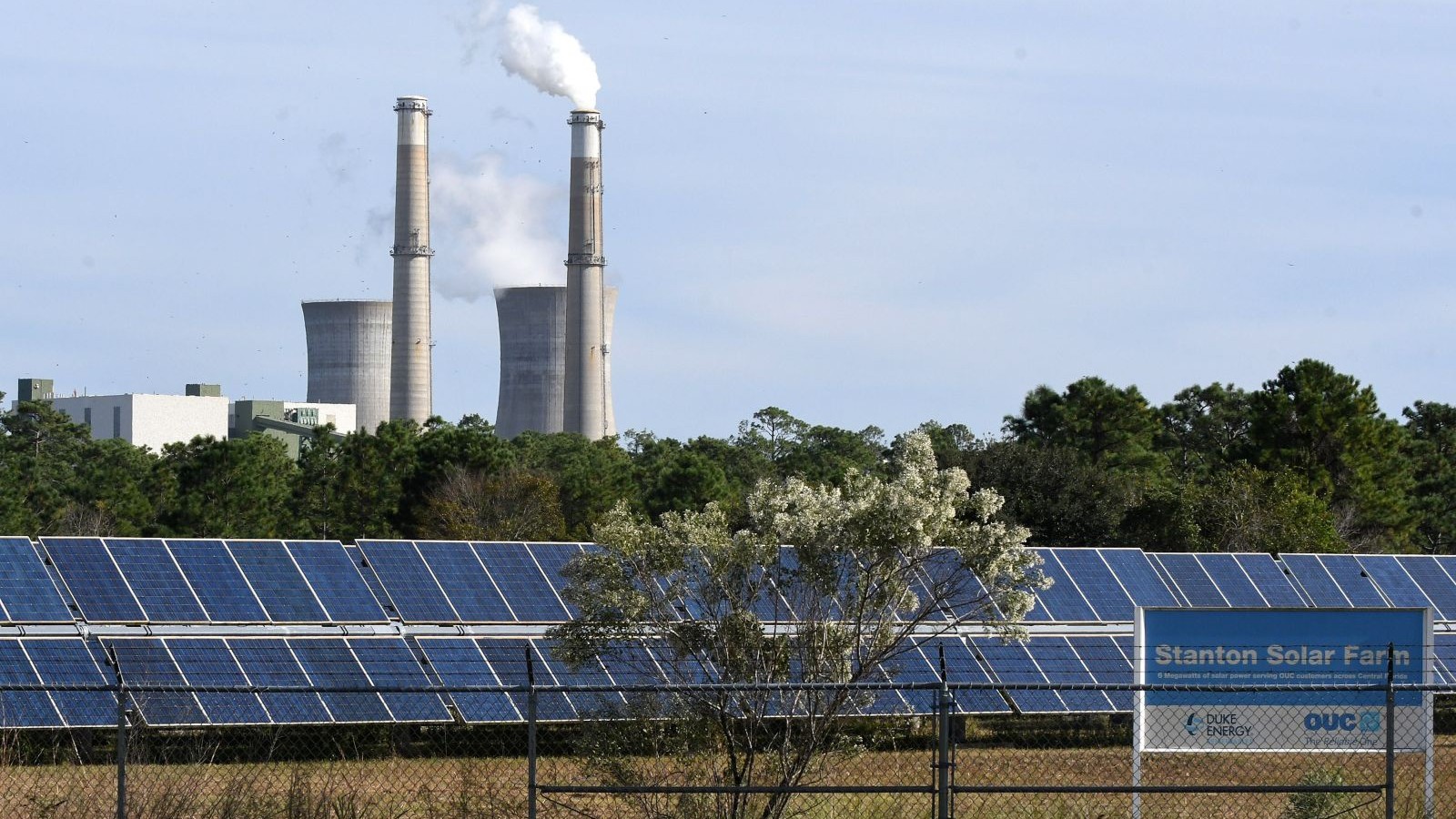
The shift in the U.S. energy landscape is stark. According to the U.S. Energy Information Administration (EIA), solar power and battery storage installations are projected to account for nearly 80 percent of all new power generation added to the grid in 2026. Simultaneously, natural gas remains the dominant source of electricity, providing a stable, reliable baseload that many data center developers are actively securing to power their operations.
The economic reality, however, is that the current permitting process—which can take years to navigate—is stalling these projects. Industry leaders, including Tim Pawlenty, head of the Solar Energy Industry Association, have characterized the current regulatory environment as "constipated." When legal battles, complex environmental impact statements, and overlapping reviews by multiple federal agencies are layered together, the timeline for a project to move from conception to generation often spans a decade.
Official Responses and the Executive Branch Role
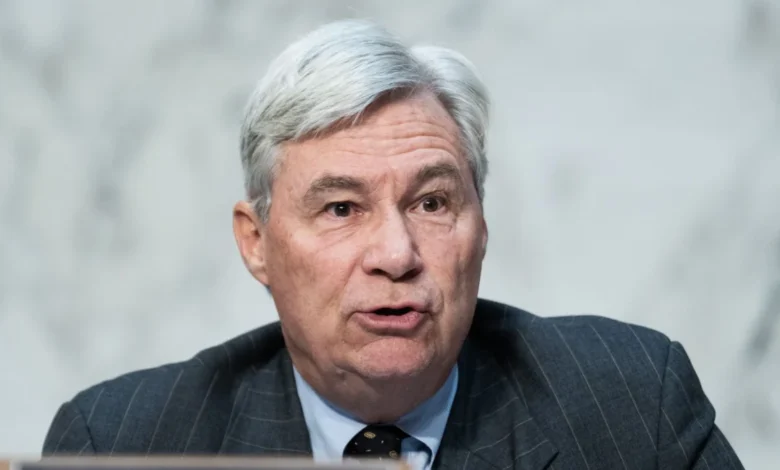
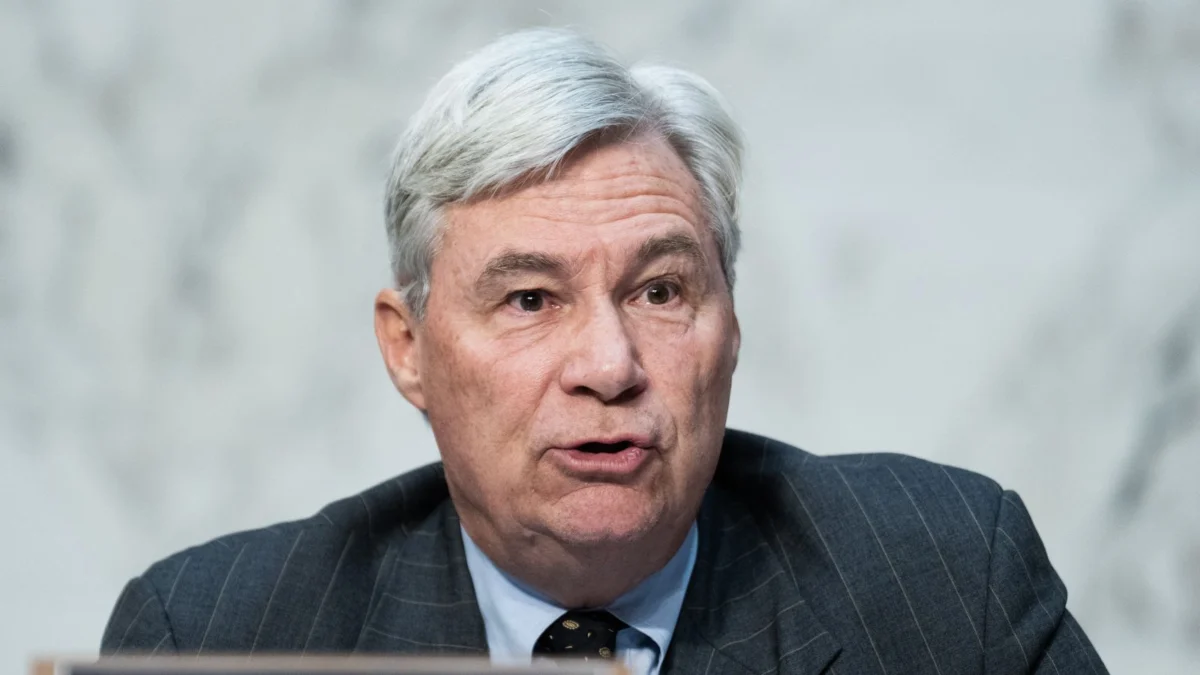
The role of the Trump administration has been a critical variable in these negotiations. President Trump has signaled a willingness to green-light renewable energy projects—a move intended to entice Democrats to the negotiating table. However, a significant trust gap remains. Democrats, led by figures such as Senator Sheldon Whitehouse (D-RI), have expressed skepticism regarding whether administrative concessions on renewables will hold in practice.
"I appreciate very much what the Trump administration has done to move in this direction, but in order to brief colleagues on what this really means, we need just a bit more clarity on exactly what a return to ‘regular order’ for wind and solar projects looks like," Senator Whitehouse stated. This request for clarity underscores the precarious nature of the bipartisan deal: it relies on the expectation that the executive branch will uphold its end of the bargain even after the legislative ink is dry.
Broader Implications: The Global Economic Context
The push for permitting reform is frequently justified by the need to maintain a strategic advantage over China. Proponents of the legislation argue that while the U.S. is bogged down in procedural reviews, global competitors are aggressively expanding their energy capacity to support high-tech manufacturing and defense capabilities.
Yet, the "competitiveness" argument appears to be losing its resonance with the general public. Modern polling suggests that voters are more concerned with the direct impact on their daily lives—specifically, their electricity bills. With 70 percent of respondents in recent surveys indicating that their utility costs have increased over the past year, the political path of least resistance for legislators is to position permitting reform as a consumer-protection measure that will stabilize prices and expand clean energy, rather than an industrial policy focused on global dominance.
The House vs. Senate Divide
The legislative strategy has been further complicated by action in the House of Representatives. In late September, the House passed legislation encouraging states to require data centers to bear the costs of their own electricity generation. This move is a clear attempt to protect individual ratepayers from the cost-shifting associated with the massive power draw of AI and server farms.
The Senate, however, has been slow to adopt this measure. Some Democratic senators have dismissed the House bill as too "soft-handed," preferring a more comprehensive overhaul of the permitting process that would include structural changes to the National Environmental Policy Act (NEPA) and the Clean Water Act.
Conclusion: A Legislative Cliffhanger
As Congress heads toward the November elections, the fate of the energy permitting bill remains in flux. The draft text, while not yet public, is widely expected to focus on limiting the scope of environmental reviews and shielding projects from litigation after permits have been issued.
If successful, the legislation would mark the most significant change to American infrastructure law in decades. If it fails again, the implications for the U.S. energy grid could be severe. With data centers continuing to come online at an unprecedented rate, the disconnect between demand and infrastructure capacity is widening. Whether the bipartisan spirit of the current negotiations can survive the post-election transition remains the central question for the future of American energy.