The Unprecedented Surge of the 2026 Super El Nino and the Global Climate Crisis

The 2026 El Niño event has transcended standard meteorological classifications, forcing global authorities to grapple with a climate phenomenon that is as much a statistical outlier as it is a humanitarian crisis. Characterized by Pacific sea surface temperatures reaching 3.11 degrees Celsius above the historical baseline, this "super" event is currently rewriting atmospheric records. With California declaring a statewide state of emergency to bolster defenses against impending infrastructure damage and drought-related volatility, the global community is facing a stark preview of the compounding effects of natural variability layered atop the accelerating baseline of human-induced climate change.
A Chronology of Intensification
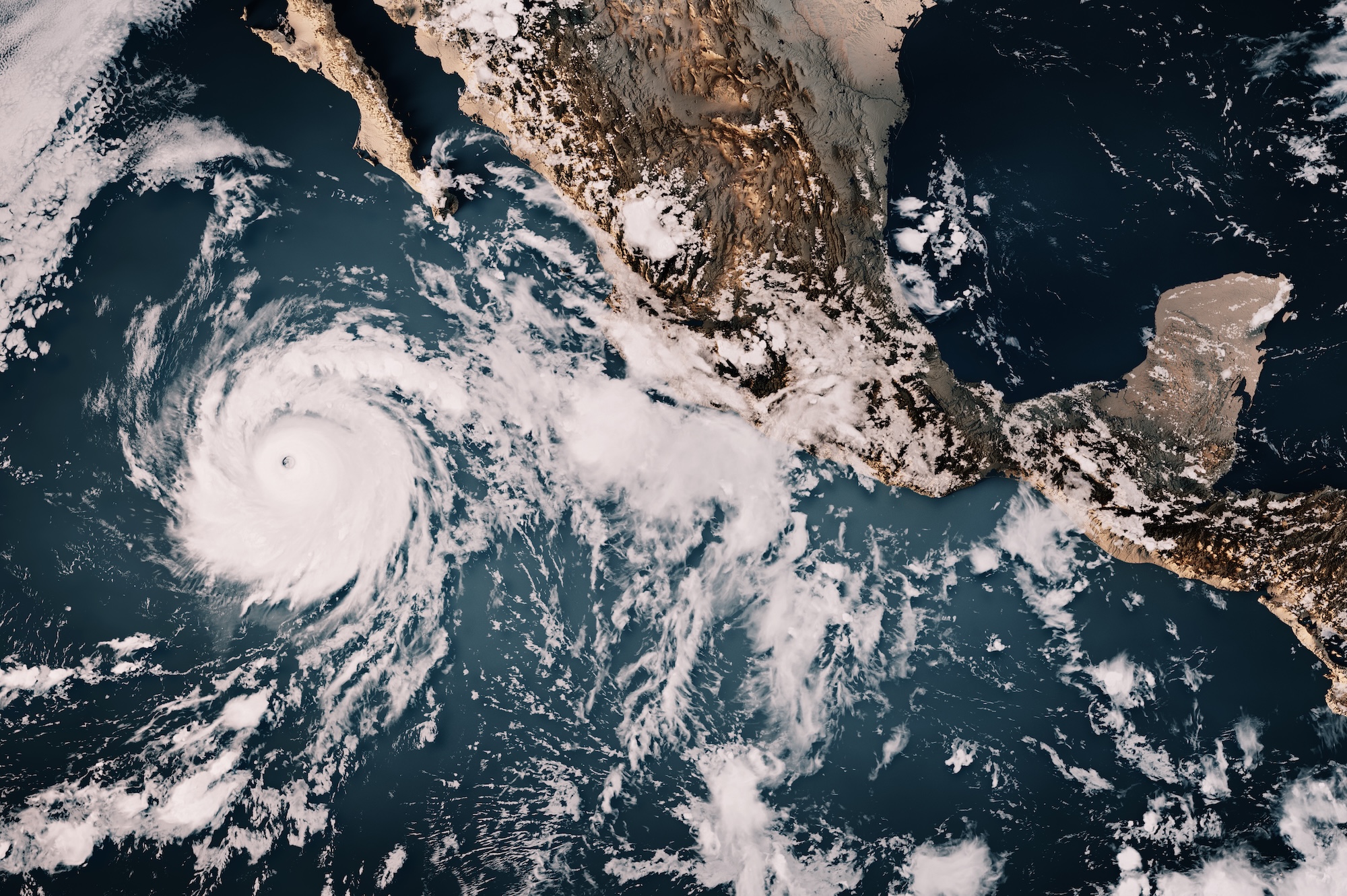
The current El Niño cycle began its rapid ascent in early 2026, following a transition from three years of La Niña conditions. By the late second quarter, satellite data and ocean buoys indicated a rapid warming in the Niño 3.4 region of the equatorial Pacific. Throughout June, July, and August, sea surface temperatures shattered previous historical records, leading climate scientists to realize by early September that the event was not merely a standard oscillation, but a generational anomaly.
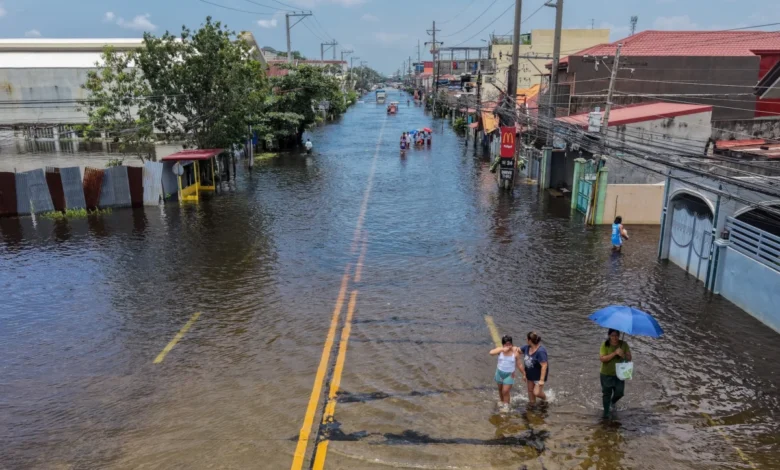
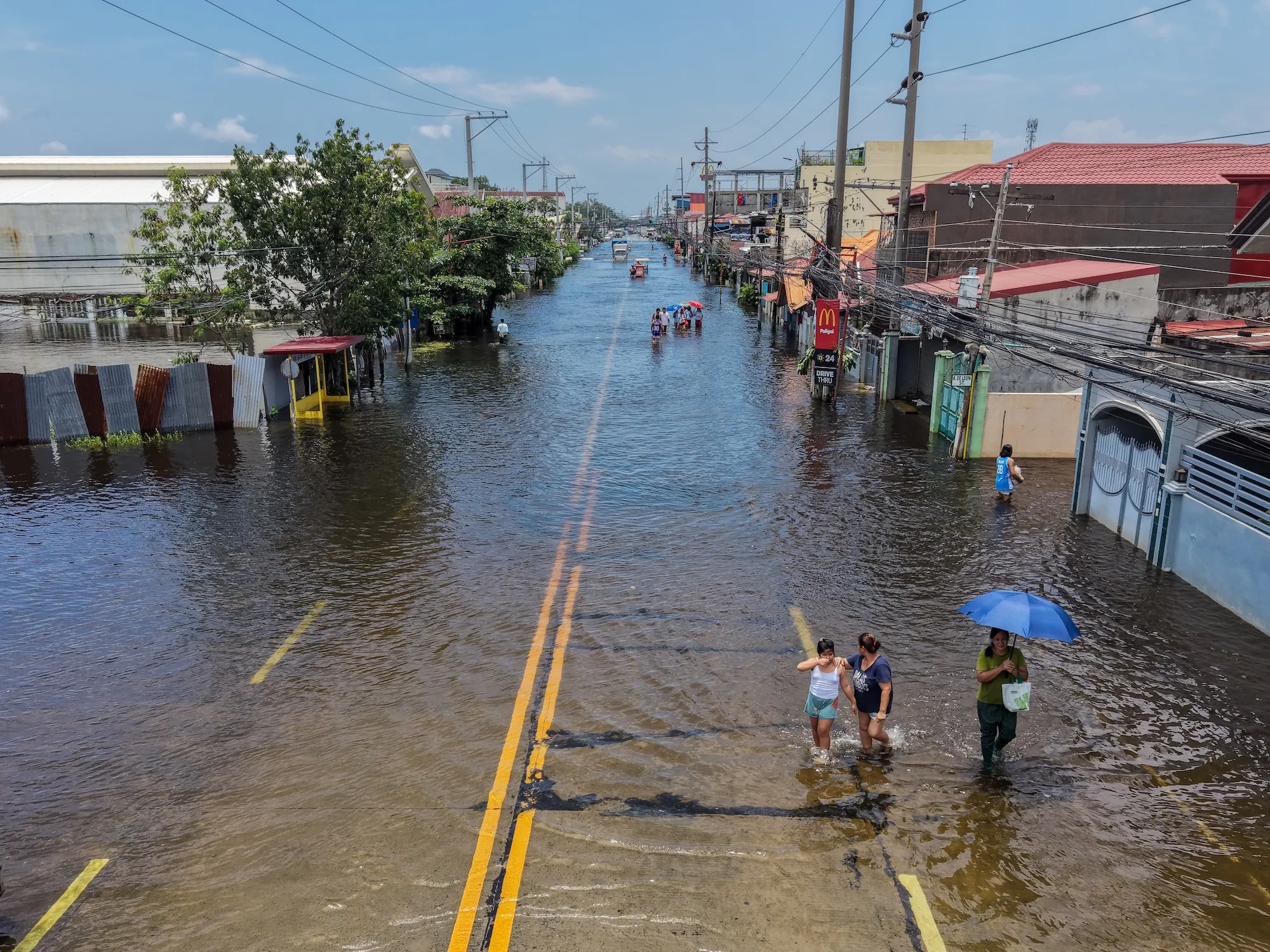
The rapid escalation forced a swift pivot in government preparedness. In the United States, Governor Gavin Newsom’s September 21 proclamation of a state of emergency highlighted the immediate threat to California’s water security, coastal integrity, and flood management systems. This formal recognition of the event’s severity reflects a broader global pattern, as nations from the Philippines to Sri Lanka report cascading disruptions to agricultural outputs and critical water infrastructure.
Measuring the Super El Niño
In meteorological terms, an El Niño is declared when the Niño 3.4 anomaly—the deviation of sea surface temperatures from the average—stays at or above 0.5 degrees Celsius. A "moderate" event typically reaches 1 degree, while "strong" events climb to 1.5 degrees. When anomalies exceed 2 degrees, the phenomenon is traditionally classified as "very strong."
The 2026 event’s peak at 3.11 degrees represents an unprecedented departure from these thresholds. While the National Oceanic and Atmospheric Administration (NOAA) and the World Meteorological Organization (WMO) do not formally utilize the term "super" in their technical reports, the label has gained significant traction among climatologists and researchers as a necessary shorthand to communicate the sheer magnitude of the deviation. Jeffrey Shaman of the Columbia Climate School has noted that while the term is colloquial, it effectively bridges the gap between complex oceanographic data and the urgent necessity for public awareness.
Data-Driven Implications for Global Health and Agriculture
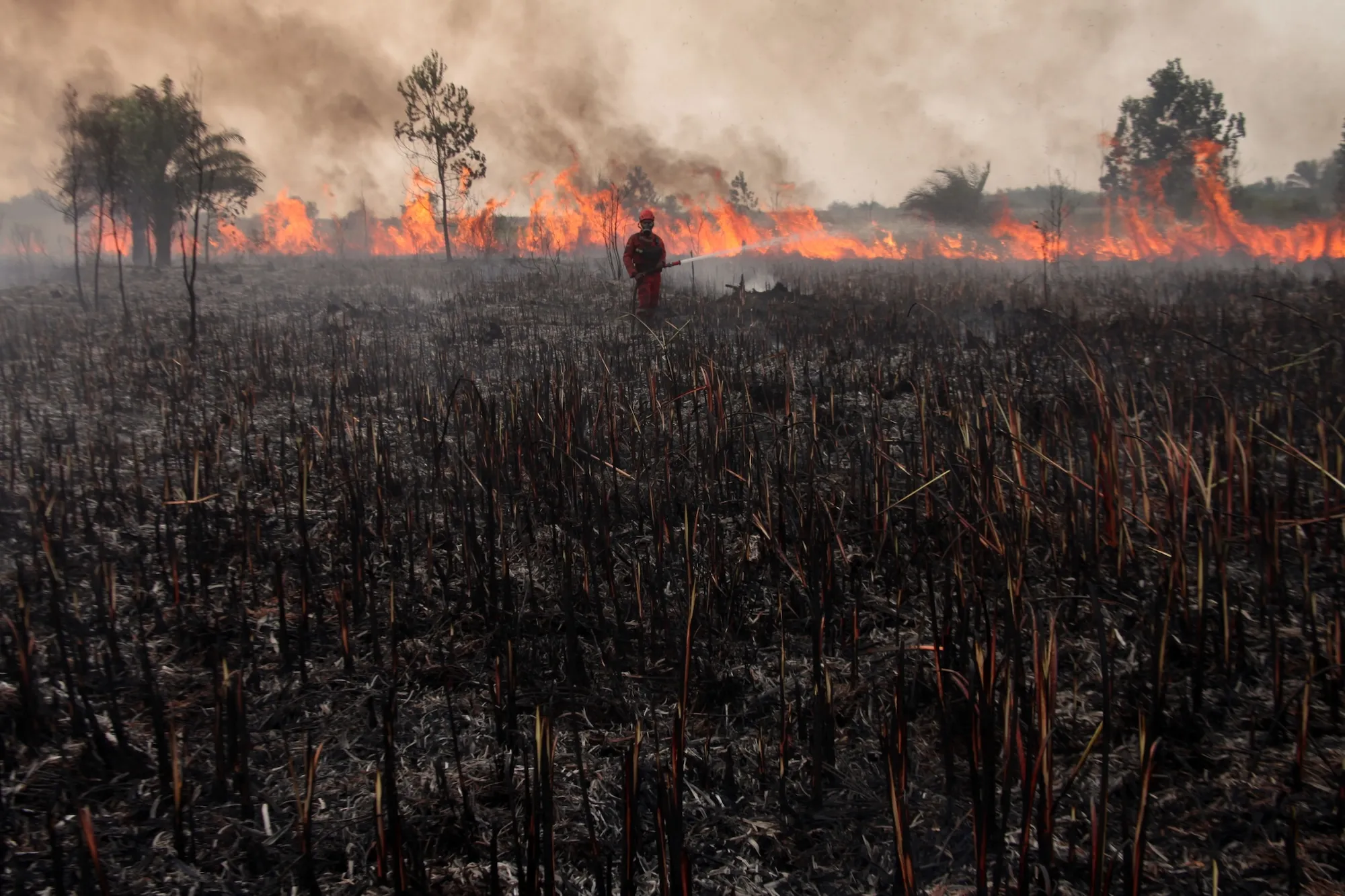
The most sobering assessment of this event involves its potential toll on human life. Emerging projections suggest that the disruption to weather patterns, combined with the extreme heat associated with this El Niño, could contribute to as many as 451,000 heat-related deaths by February 2027. This projection is based on the correlation between elevated temperatures and the stress placed on human cardiovascular and respiratory systems, particularly in regions already prone to heatwaves.
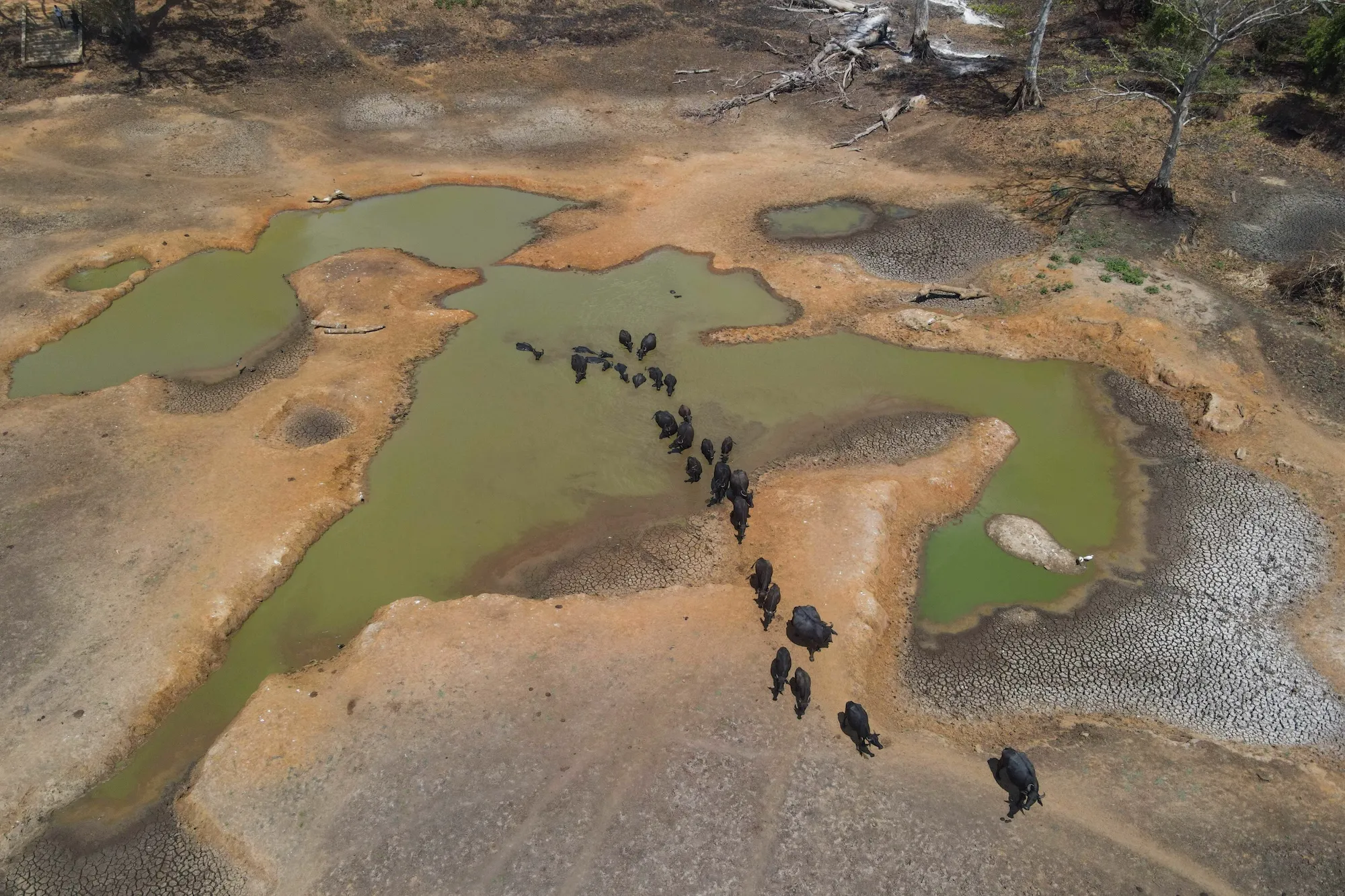
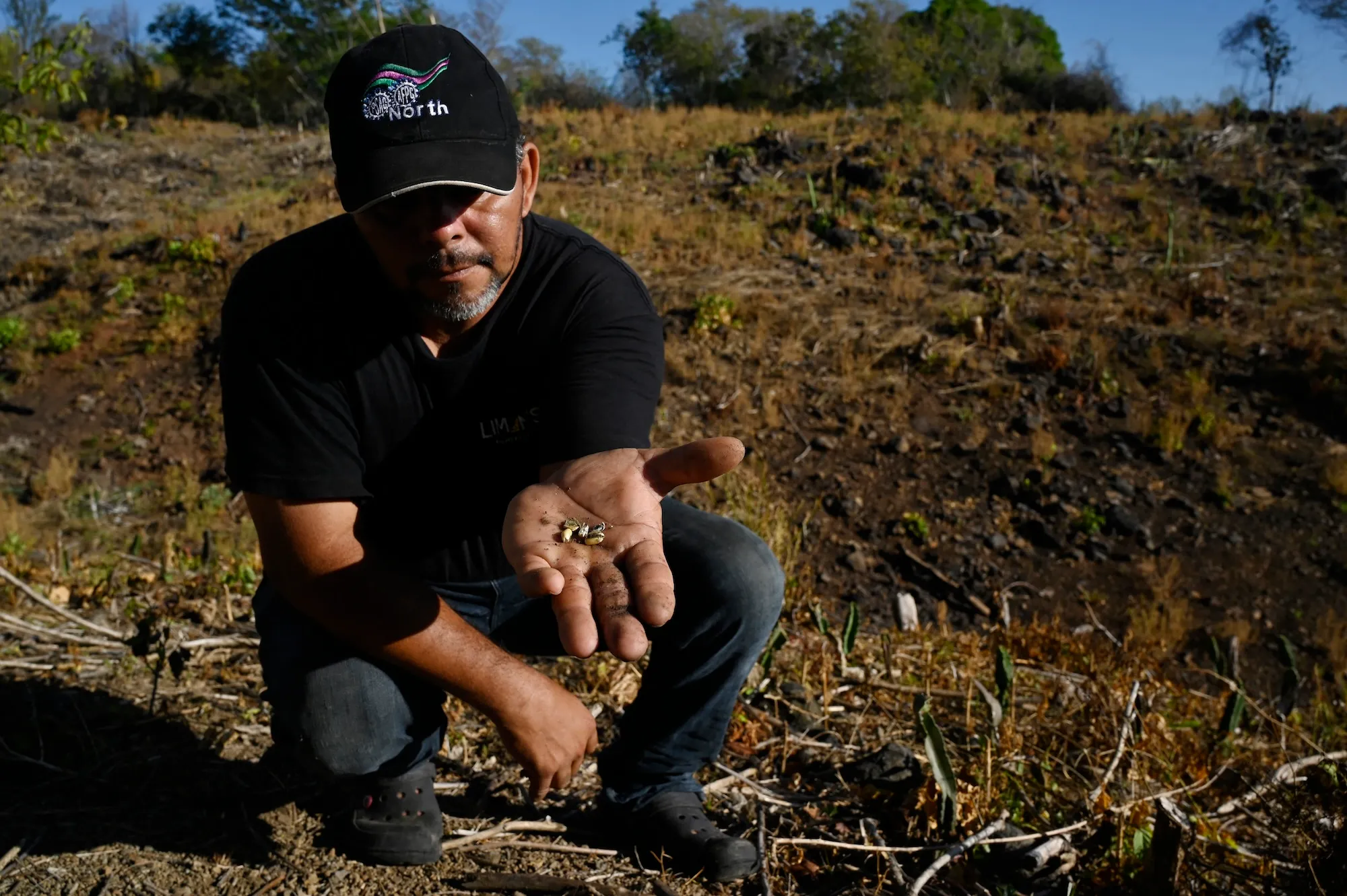
Agricultural stability is also under significant strain. El Niño cycles are historically associated with suppressed rainfall in Southeast Asia and parts of Australia, while simultaneously driving excessive precipitation and flooding in the Western Americas. In regions such as Honduras, subsistence farmers have already reported widespread crop failures, with corn and other staples failing to germinate due to moisture deficits. The economic implications of these failures are expected to manifest as a sharp rise in global food prices, complicating food security efforts in developing nations.
The Intersection of Natural Cycles and Anthropogenic Warming
Perhaps the most critical challenge for climate scientists today is disentangling the warming attributed to the El Niño cycle from the underlying trend of global warming driven by fossil fuel combustion. Christopher Callahan, a climate researcher at Indiana University, emphasizes that this event is occurring against a backdrop of rapid, human-driven temperature increases.
The danger lies in the "stacking effect." When a powerful El Niño coincides with an already warmer-than-average ocean and atmosphere, the resulting temperature spikes can exceed the capacity of current infrastructure to adapt. High-end climate models suggest that 2026 and 2027 could offer a harrowing preview of the environmental conditions expected to be the global average by 2040. In this context, the current "super" event is not an isolated weather incident, but a forced acceleration of the climate trajectory.
Linguistic Evolution and the Politics of Alarm
The term "super El Niño" first emerged in a 2003 meteorological study focusing on the transition between El Niño and La Niña, but its current widespread usage reflects a shift in how science is communicated to the public. Jovana Vurdelja, an expert in ecolinguistics, argues that the adoption of "super" and even more descriptive terms like "Godzilla" El Niño is a reaction to the inadequacy of standard scientific labels when describing events that are "mind-bogglingly crazy" or "gobsmackingly bananas."
There is an inherent risk in this linguistic evolution: the potential for either desensitization or alarmist nihilism. However, researchers agree that as climate events grow more extreme, the language used to describe them must retain the capacity to convey the urgency of the threat. If the 2026 event establishes a new baseline for what constitutes a "strong" anomaly, the scientific community may soon find that even "super" is insufficient, necessitating a new lexicon to describe a volatile, warming world.
Official Responses and Future Preparedness
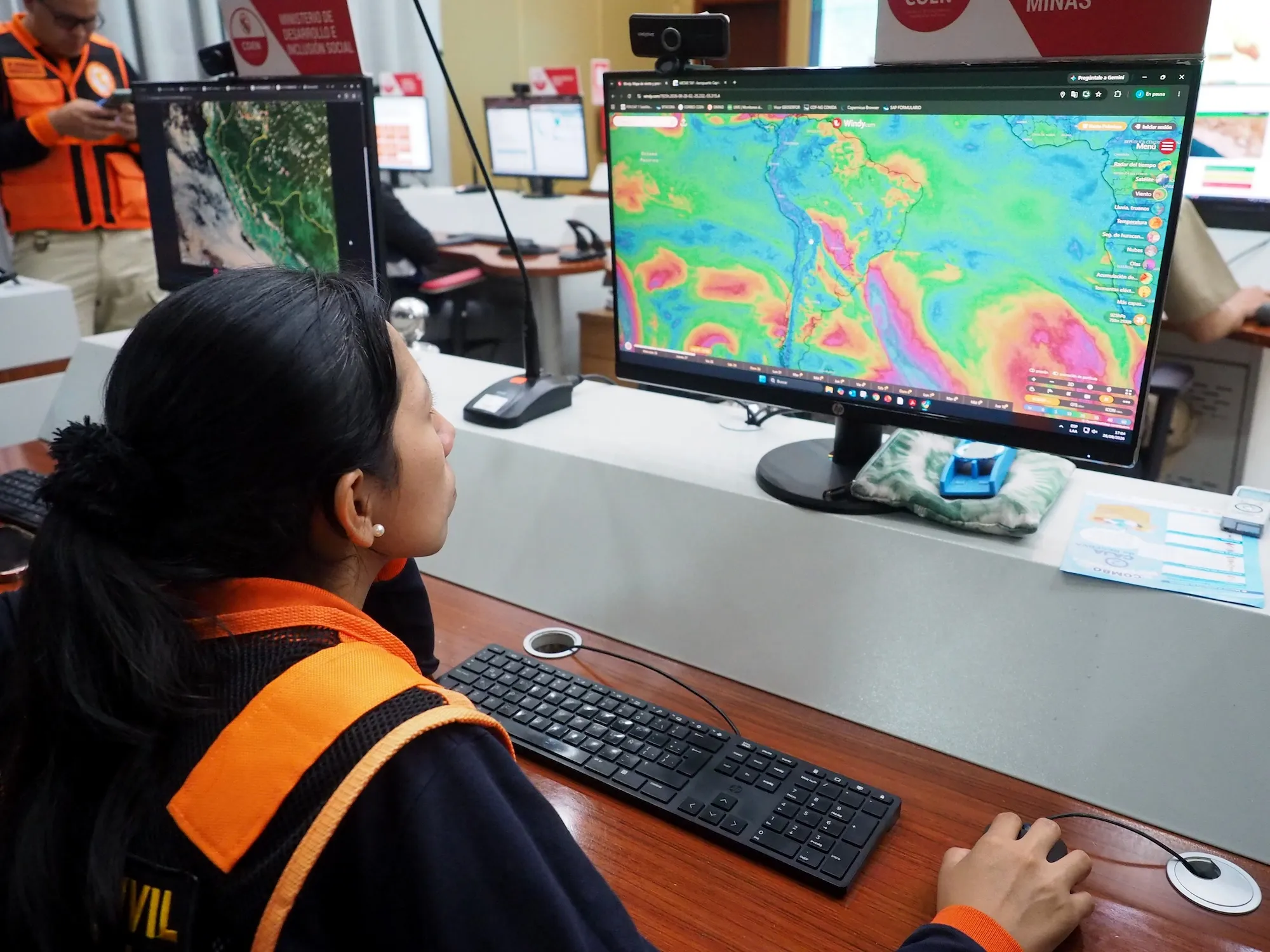
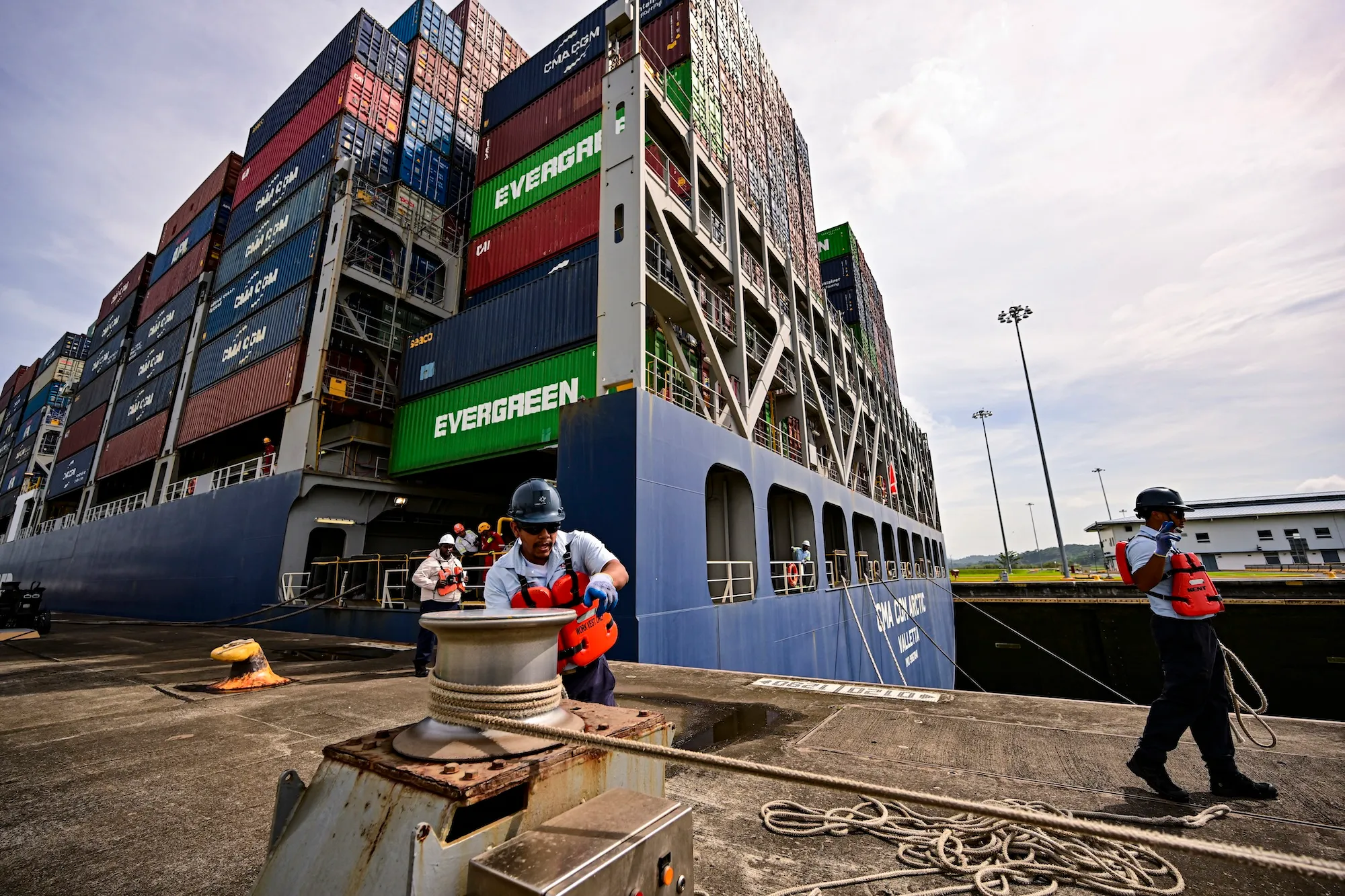
Governments are currently shifting their focus toward long-term resilience. In Peru, national emergency operations centers have integrated multi-hazard drills into their annual calendars to mitigate the impact of the predicted flooding and storm surges. Similarly, maritime authorities in the Panama Canal have implemented strict transit measures to account for the reduced water levels caused by altered precipitation patterns.
These actions signal a move away from reactive disaster management toward a proactive stance that assumes extreme weather is the new normal. The focus is now on strengthening infrastructure—specifically in terms of water storage, flood defense, and power grid stability—to withstand the heat and moisture extremes that characterize this El Niño.
Conclusion: The Road Ahead
The 2026 super El Niño serves as a diagnostic tool for the health of the planet. While it is a natural phenomenon, its intensity is amplified by the excess heat trapped in the oceans and the atmosphere. The lessons learned during the coming months regarding the impacts on public health, global food supply chains, and infrastructure durability will likely inform climate policy for the next decade.
As the world prepares for the final months of this event, the consensus among the scientific community is clear: the data must be treated as a warning. The "super" designation may be a colloquialism, but the reality it describes is profoundly serious. Planning for the remainder of this cycle is not merely about surviving the current season; it is about preparing for a future where extreme climate events are no longer the exception, but the defining feature of the global environment. The transition from observation to action remains the most significant challenge of our time.