Tag Bay Area Food

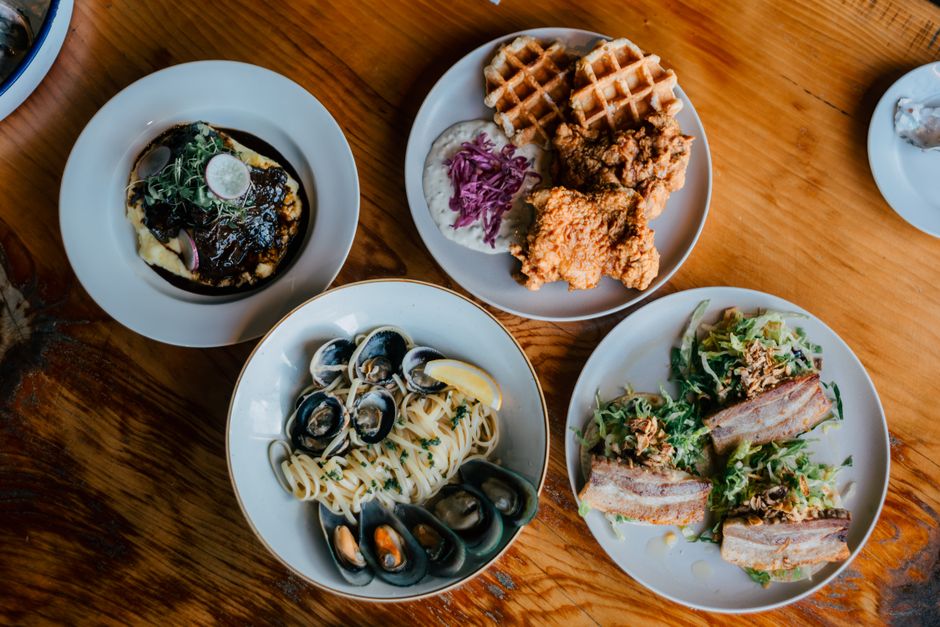
Tag: Bay Area Food – A Culinary Tapestry of Innovation and Tradition
The San Francisco Bay Area, a region synonymous with technological advancement, pulsates with an equally vibrant and dynamic culinary scene. This gastronomic landscape is not a monolithic entity but rather a rich tapestry woven from diverse immigrant influences, a pioneering spirit in food trends, and an unwavering commitment to fresh, local ingredients. From the sun-drenched vineyards of Napa and Sonoma to the bustling streets of Oakland and the iconic hills of San Francisco, the Bay Area offers a profound exploration of global flavors anchored by its unique terroir and forward-thinking chefs. This article delves into the core elements that define Bay Area food, exploring its historical roots, the driving forces behind its innovation, and the essential culinary experiences that make it a world-renowned gastronomic destination.
The historical foundation of Bay Area cuisine is inextricably linked to waves of immigration. Early settlers and subsequent immigrant communities, particularly from China, Italy, and Mexico, established distinct culinary traditions that laid the groundwork for the region’s diverse palate. The Chinese influence, evident in the historic Chinatowns of San Francisco and Oakland, introduced foundational techniques and ingredients, from dim sum to wok-fired dishes. Italian immigrants brought their expertise in pasta making, pizza, and rich, hearty sauces, leaving an indelible mark on the culinary landscape. Mexican cuisine, with its vibrant spices, corn-based staples, and regional variations, further enriched the gastronomic tapestry. These early influences, far from being static, have continuously evolved, interacting with new waves of immigrants from Vietnam, the Philippines, India, Korea, and countless other nations, each contributing unique flavors, ingredients, and cooking methods. This continuous influx of culinary traditions creates a dynamic environment where traditional dishes are honored and reinterpreted, forming the bedrock of what we recognize as Bay Area food today.
Beyond its immigrant roots, the Bay Area has been a consistent incubator for culinary innovation. This is partly fueled by its affluent and educated population, who are often early adopters of new food trends and have a strong appetite for unique and high-quality dining experiences. The presence of world-class culinary schools, such as the Culinary Institute of America in St. Helena, further cultivates a skilled workforce and fosters a culture of culinary exploration. Furthermore, the region’s proximity to abundant agricultural resources, including fertile valleys and coastal waters, has always encouraged a farm-to-table ethos. This direct connection to producers fosters strong relationships between chefs and farmers, leading to the prioritization of seasonal ingredients and a deep understanding of their provenance. This commitment to freshness and quality is not merely a trend but a deeply ingrained philosophy that permeates the Bay Area’s culinary identity.
One of the most defining characteristics of Bay Area food is its embrace of the Slow Food movement and its emphasis on local, sustainable, and artisanal products. The region boasts an impressive array of farmers’ markets, where chefs and home cooks alike can source an unparalleled variety of produce, dairy, meats, and seafood. This direct access to high-quality ingredients allows for the creation of dishes that are not only delicious but also reflect the seasonality and terroir of the region. Think of the vibrant heirloom tomatoes in summer, the robust root vegetables of autumn, and the pristine Dungeness crab in winter. Chefs are adept at showcasing these ingredients in their purest forms, allowing their natural flavors to shine. This commitment extends to artisanal producers, from cheesemakers crafting exceptional goat cheeses to bakers producing crusty sourdough bread, a San Francisco staple.
The "California Cuisine" movement, which emerged in the latter half of the 20th century, was heavily influenced by these principles and significantly shaped the Bay Area’s culinary identity. Pioneering chefs embraced fresh, local ingredients, lighter preparations, and a fusion of global influences, moving away from heavier, more traditional European cooking styles. This movement paved the way for a more adventurous and experimental approach to food, laying the groundwork for many of the trends that continue to define the Bay Area today. The focus shifted to showcasing the natural beauty of the ingredients and creating dishes that were both sophisticated and approachable.
The Bay Area is a global leader in plant-based and vegan cuisine. Driven by ethical concerns, environmental consciousness, and a growing understanding of health benefits, a significant portion of the population actively seeks out vegan and vegetarian options. This demand has spurred an explosion of innovative vegan restaurants, from high-end establishments offering gourmet plant-based tasting menus to casual eateries serving creative vegan comfort food. Chefs are pushing the boundaries of what is possible with plant-based ingredients, transforming vegetables, legumes, and grains into sophisticated and deeply satisfying dishes. This commitment to plant-based eating is not about restriction but about culinary creativity and the exploration of a vast and diverse palate of flavors and textures derived from the plant kingdom.
Seafood plays a crucial role in the Bay Area’s culinary identity, given its extensive coastline and access to the Pacific Ocean. From fresh oysters harvested from Tomales Bay to the iconic Dungeness crab, the region offers a bounty of ocean treasures. Seafood restaurants showcase these fresh catches with preparations that highlight their natural flavors, whether it’s a simple grilled fish, a classic cioppino (a San Francisco seafood stew), or innovative sushi and sashimi creations. The emphasis on sustainability in seafood sourcing is also a growing concern, with many restaurants and consumers actively seeking out responsibly caught and farmed options.
Beyond individual ingredients and movements, the Bay Area is a melting pot of global cuisines, executed at an exceptionally high level. Mexican food, with its deep roots in California, ranges from authentic street tacos and regional specialties found in the Mission District of San Francisco to upscale interpretations of Oaxacan or Yucatecan flavors. Vietnamese cuisine, particularly in Oakland and the East Bay, offers some of the best pho and bánh mì outside of Vietnam, characterized by fragrant broths and fresh herbs. Indian cuisine is represented by a wide spectrum of regional specialties, from the robust curries of Punjab to the delicate flavors of South India. Korean BBQ, Japanese sushi and ramen, and Chinese regional cuisines like Sichuan and Cantonese are all expertly represented, often by chefs who are dedicated to preserving traditional techniques while also infusing them with a contemporary Bay Area sensibility.
The rise of food trucks and casual dining has democratized the Bay Area’s culinary scene, offering accessible yet high-quality food experiences. These mobile kitchens bring diverse flavors to various neighborhoods, from gourmet burgers and artisanal pizzas to ethnic street food. This informal dining sector fosters entrepreneurship and allows for experimentation with new concepts and cuisines, further enriching the overall food landscape.
The Bay Area’s dedication to coffee culture is also noteworthy. It’s a region that has embraced third-wave coffee, emphasizing single-origin beans, meticulous brewing methods, and a deep appreciation for the craft. Numerous independent coffee shops offer expertly roasted beans and expertly crafted espresso beverages, making it a destination for coffee aficionados.
The culinary landscape of the Bay Area is also deeply intertwined with its wine regions. Napa Valley and Sonoma County are world-renowned for their vineyards and wineries, producing some of the finest wines globally. This proximity fosters a symbiotic relationship between wineries and restaurants, with many wineries offering exceptional dining experiences and restaurants featuring extensive wine lists that highlight local vintages. The emphasis on food and wine pairing is a cornerstone of the Bay Area’s dining culture, creating cohesive and memorable gastronomic experiences.
The Bay Area’s culinary scene is not static; it is constantly evolving. New restaurants open regularly, bringing fresh perspectives and innovative concepts. Chefs are continually experimenting with new ingredients, techniques, and global influences. This dynamism ensures that the Bay Area remains at the forefront of culinary trends, offering a constantly exciting and surprising dining experience for locals and visitors alike. The region’s embrace of technology also extends to its food scene, with a growing number of restaurants utilizing online ordering, delivery apps, and innovative kitchen technologies, further shaping the accessibility and experience of Bay Area food.
In conclusion, the Bay Area food scene is a compelling narrative of immigration, innovation, and an unwavering commitment to quality. It’s a place where historical culinary traditions are honored and reinterpreted, where the freshest local ingredients are celebrated, and where a spirit of experimentation drives culinary exploration. From the bustling streets of San Francisco to the fertile valleys of Napa and Sonoma, the Bay Area offers a profound and diverse gastronomic journey, solidifying its position as one of the world’s most significant and exciting food destinations. The continued dedication to sustainability, plant-based eating, and the celebration of global flavors ensures that the Bay Area’s culinary tapestry will only grow richer and more vibrant in the years to come.