Miles Of Delta Levees Are At Risk Of Floods Repairs Could Cost 3 Billion
Delta Levee Crisis: $3 Billion Repair Bill Looms as Miles Face Flood Risk
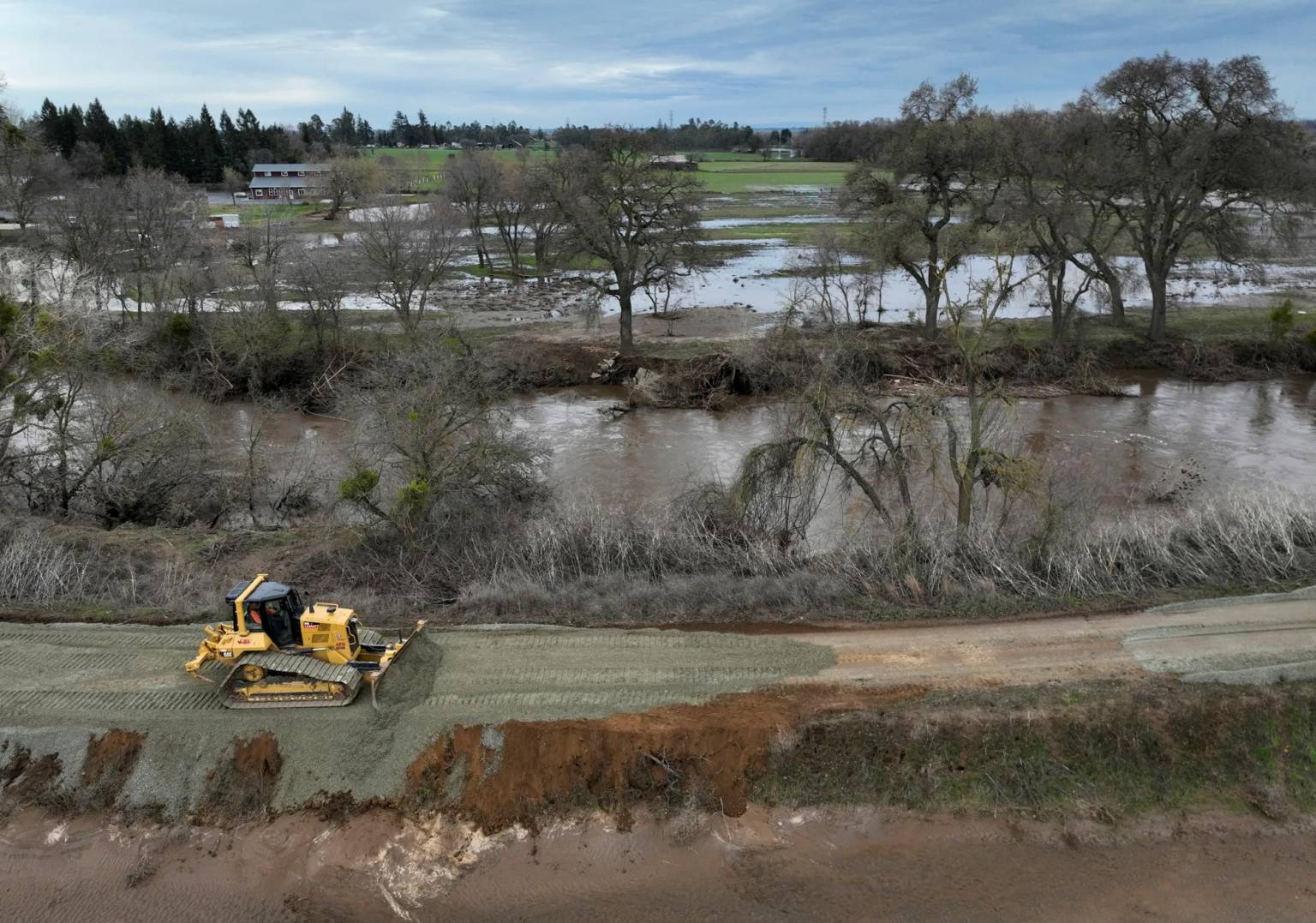
The Sacramento-San Joaquin Delta, a vital agricultural heartland and critical water hub for California, stands on the precipice of a potential levee catastrophe. An estimated 1,100 miles of levees, the very structures designed to protect its fragile ecosystems and valuable farmland, are in a state of disrepair, facing an ever-increasing risk of flood inundation. The projected cost to bring these vital flood control systems up to a resilient standard is a staggering $3 billion, a figure that underscores the urgency and scale of the challenge confronting state and federal authorities. This looming crisis isn’t just about protecting land; it’s about safeguarding California’s water supply, agricultural economy, and the unique environment of one of the nation’s most complex estuarine systems.
The vulnerability of the Delta’s levee system stems from a confluence of factors. Decades of underfunding have left many levees in a degraded condition, susceptible to erosion, subsidence, and the impacts of seismic activity. Natural forces, exacerbated by climate change, are further intensifying the threat. Rising sea levels are increasing tidal pressure on levees, making them more prone to overtopping and failure. More extreme weather events, including intense rainfall and prolonged droughts, contribute to fluctuating water levels and soil saturation, placing additional stress on these aging structures. Compounding these issues is the natural process of land subsidence, where the organic soils in the Delta have sunk significantly over time, reducing the effective height of many levees and increasing their exposure to flooding. This phenomenon is a direct consequence of historical agricultural practices, including drainage and oxidation of peat soils.
The consequences of a major levee breach in the Delta are far-reaching and potentially catastrophic. A significant failure could inundate vast tracts of highly productive farmland, resulting in billions of dollars in agricultural losses. This would not only impact local economies but also ripple through the state and national food supply chains. Beyond agriculture, the Delta is a critical component of California’s water infrastructure. Its levees protect the intake points for the State Water Project and the Central Valley Project, the two massive water conveyance systems that supply water to over 25 million Californians and irrigate millions of acres of farmland in Southern California and the Central Valley. A levee failure that contaminates freshwater supplies with saltwater intrusion from the Pacific Ocean could cripple these systems for extended periods, leading to severe water shortages and escalating economic hardship.
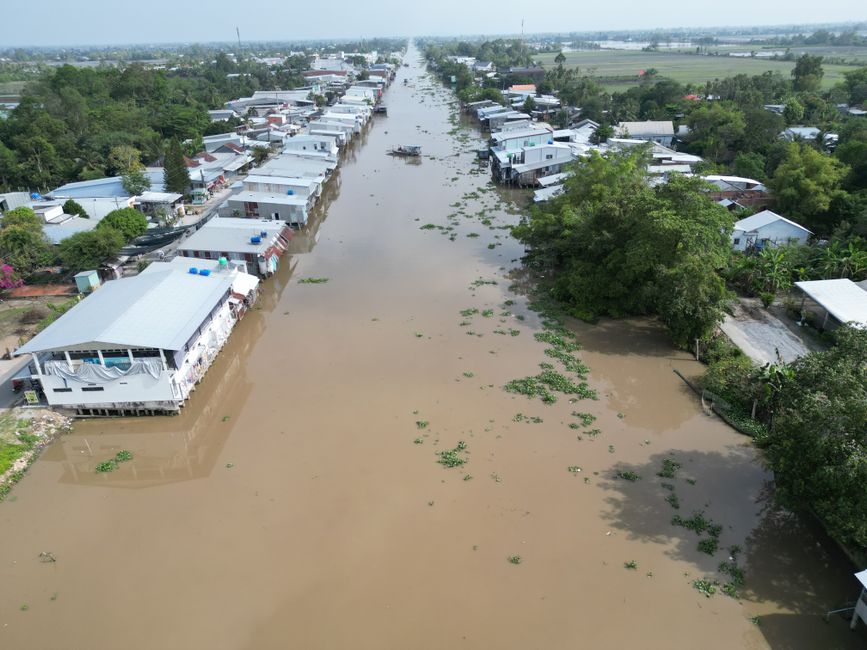
Furthermore, the ecological ramifications of a levee breach are profound. The Delta is a complex and fragile ecosystem, home to numerous endangered and threatened species, including several species of salmon, Delta smelt, and longfin smelt. Flooding could lead to widespread habitat destruction, further imperil these vulnerable populations, and disrupt the delicate balance of this unique estuarine environment. The economic and social fabric of the Delta region, comprised of numerous small communities, would also be devastated by widespread flooding. Homes, businesses, and infrastructure would be submerged, leading to displacement and long-term recovery challenges.
The $3 billion price tag for comprehensive levee repairs reflects the immense scale of the undertaking. This figure is not a one-time cost but represents a sustained investment over several years to address the existing deficiencies and implement upgrades to enhance resilience against future threats. These repairs will involve a multi-faceted approach, encompassing a range of engineering solutions. Strengthening existing levees through techniques like armoring with rock or vegetation, increasing their height, and improving their internal drainage systems will be paramount. In some areas, more ambitious projects, such as constructing setback levees to create wider buffer zones and strategically engineered flood bypasses, may be necessary to manage floodwaters more effectively. The repairs must also consider the long-term impacts of climate change, incorporating designs that can withstand higher sea levels, increased storm intensity, and more frequent flooding events.
Funding this monumental repair effort presents a significant political and financial challenge. The current funding mechanisms for Delta levee maintenance and improvement are often insufficient to address the escalating needs. Historically, a patchwork of state and federal programs, local assessments, and private landowner contributions has supported levee upkeep. However, the sheer magnitude of the current deficit necessitates a more robust and sustainable funding model. Discussions are ongoing among state legislators, federal agencies, water agencies, and agricultural stakeholders to devise a comprehensive financial strategy. Potential funding sources include increased state appropriations, federal infrastructure grants, bond measures, and potentially new user fees or assessments levied on those who benefit from the Delta’s water supply and flood protection. The allocation of responsibility for these costs is also a complex issue, involving debates over the equitable distribution of financial burdens among different user groups and levels of government.
Beyond the immediate repairs, there is a growing recognition that a long-term, strategic approach to Delta levee management is essential. This involves not only strengthening existing infrastructure but also exploring innovative solutions for managing flood risk and water resources in the face of a changing climate. Adaptive management strategies, which involve monitoring environmental conditions and adjusting management practices accordingly, will be crucial. This could include more integrated water management planning that considers the interconnectedness of water supply, flood control, and ecosystem health. Investments in early warning systems and improved emergency response protocols are also vital to mitigate the impacts of potential levee failures.
The concept of "managed retreat" in some highly vulnerable areas, where development is discouraged or relocated away from the most at-risk levee sections, is also being discussed, albeit controversially. This approach aims to reduce the long-term exposure of people and infrastructure to flood hazards by strategically withdrawing from areas with the highest probability of inundation. However, such proposals face significant social, economic, and political hurdles.
The geological context of the Delta’s subsidence adds another layer of complexity to the levee repair efforts. As the land sinks, levees must be constantly augmented to maintain their protective elevation. This ongoing maintenance requirement significantly increases the long-term cost of levee management. Scientists and engineers are actively researching methods to slow or even reverse subsidence, such as restoring natural hydrological processes and managing sediment flows. However, these are long-term solutions that require substantial investment and may not fully address the immediate threat.
Ultimately, the crisis facing the Delta’s levees is a microcosm of the broader challenges California faces in adapting to climate change and managing its vital natural resources. The $3 billion repair bill is a stark reminder of the deferred costs of inadequate infrastructure investment and the escalating price of inaction. The decisions made today regarding the funding and implementation of these levee repairs will have profound and lasting consequences for the future of California’s water supply, agriculture, economy, and environment. The urgency of the situation demands collaborative action, innovative solutions, and a sustained commitment to safeguarding this irreplaceable California treasure. Failure to address this looming threat will undoubtedly lead to far greater economic and environmental devastation in the years to come. The integrity of over 1,100 miles of levees is not merely a local issue; it is a statewide imperative.