Chicago Faces Multi-Billion Dollar Crisis as Lead Pipe Replacement Costs Far Exceed National Averages

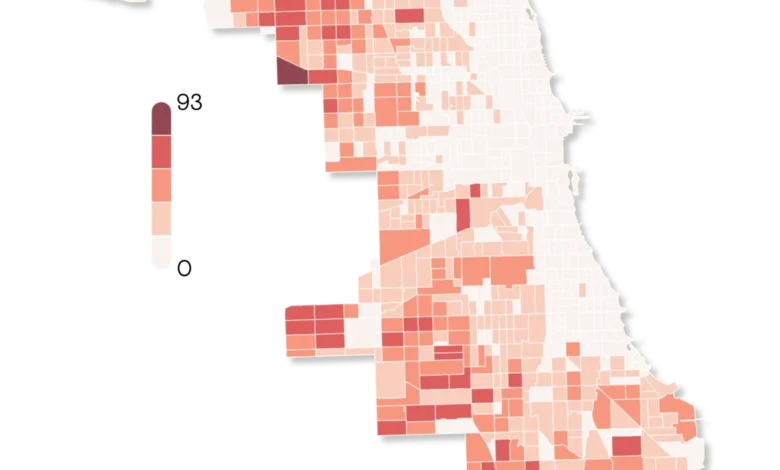
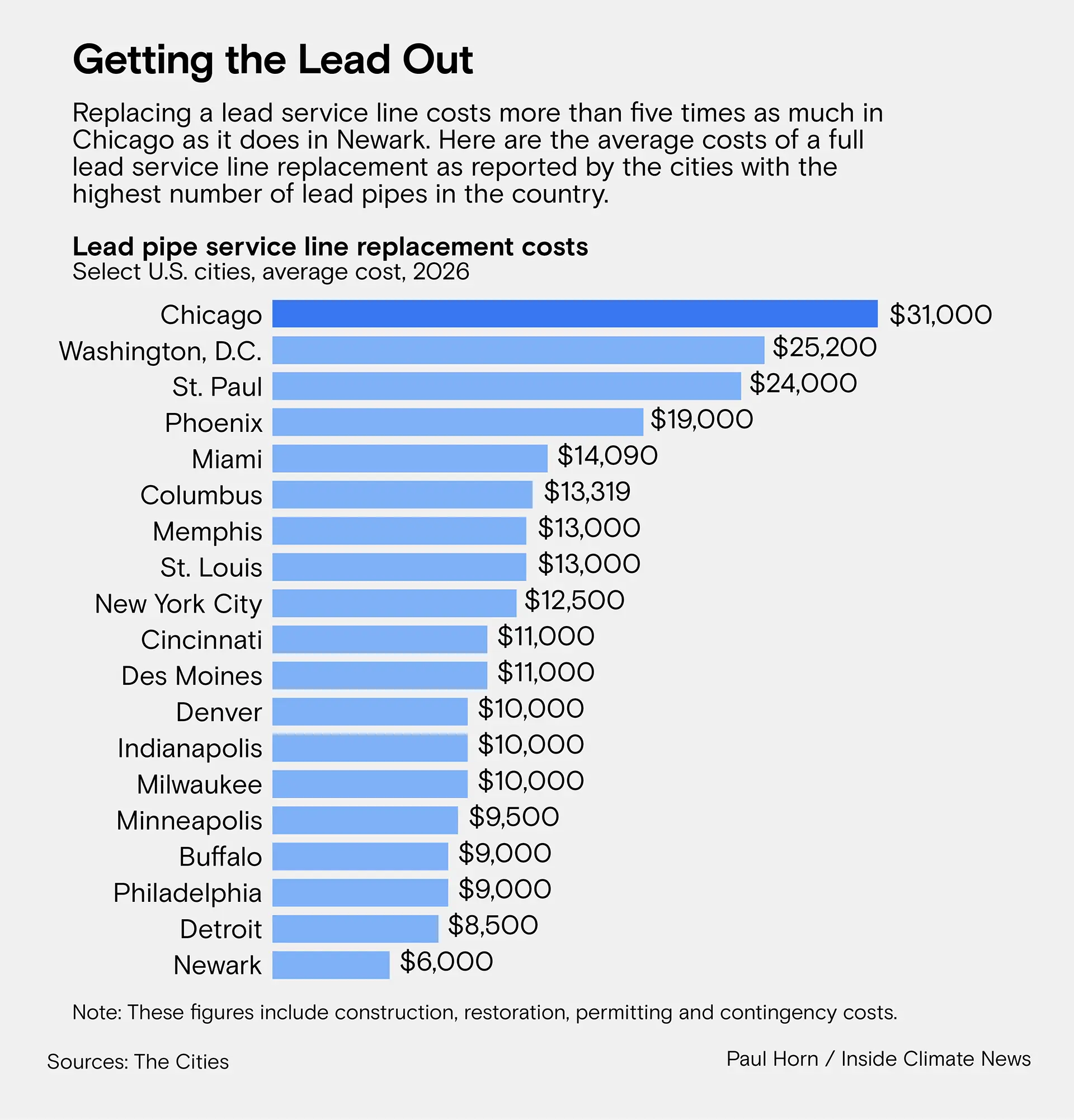
The City of Chicago currently maintains the largest inventory of lead water service lines in the United States, yet it simultaneously faces the highest per-unit replacement costs of any major metropolitan area. While the Environmental Protection Agency (EPA) estimates the national average for replacing a single lead service line at approximately $4,700, Chicago officials have reported an average cost of $31,000 per line. This staggering discrepancy—more than six times the federal estimate—has sparked intense scrutiny from policy advocates, federal lawmakers, and residents who are caught between a public health crisis and a bureaucratic financial quagmire. With over 400,000 lead lines still in the ground, the city’s current trajectory suggests a total price tag exceeding $12 billion, a figure that threatens to overwhelm local budgets and delay critical infrastructure improvements for decades.
The Magnitude of the Lead Pipe Inventory
Chicago’s lead pipe crisis is a legacy of 20th-century municipal policy. Unlike many other cities that began phasing out lead in the mid-1900s, Chicago’s building codes actually mandated the use of lead pipes for small-diameter water service lines until 1986, the year the federal government finally banned their installation. This decades-long requirement created a subterranean network of toxic infrastructure that now serves hundreds of thousands of homes, particularly in older residential neighborhoods.
Today, Chicago’s inventory of 400,000 lead lines represents a significant portion of the estimated 9.2 million lead service lines remaining across the country. The health implications are well-documented: lead is a potent neurotoxin with no safe level of exposure, particularly for children, where it can cause permanent brain damage, developmental delays, and behavioral issues. In adults, chronic exposure is linked to cardiovascular problems and kidney dysfunction. Despite the urgency, the financial and logistical hurdles to removal remain unprecedented in scale.
A Comparative Analysis of Replacement Costs
To understand the unique challenges facing Chicago, an investigation involving Grist, WBEZ, and Inside Climate News surveyed 18 major cities with significant lead inventories, including Detroit, Milwaukee, and New York. The findings revealed a wide range of costs, yet none approached Chicago’s $31,000 average.
- Milwaukee: Reports a per-line cost of approximately $11,000 to $13,000.
- Detroit: Averages roughly $8,000 to $10,000 per line through its high-volume replacement programs.
- New York City: Despite having a high cost of living and complex urban density, costs remain significantly lower than Chicago’s, often under $15,000.
- National Average: Engineering firm CDM Smith, which consults on water infrastructure nationwide, pegs the standard national average at $12,500.
The disparity suggests that Chicago’s costs are driven less by the inherent difficulty of the work and more by systemic inefficiencies within the city’s management of the program. Cyndi Roper, a senior policy advocate with the Natural Resources Defense Council (NRDC), described the situation as "absurd," noting that the city’s own policies are the primary drivers of the astronomical price tag.
Structural and Legal Barriers to Efficiency
A seven-month review of program documents, contracts, and internal communications identified three primary factors contributing to Chicago’s inflated costs: inefficient contracting, a reliance on "piecemeal" repairs, and a cumbersome permitting process.
The Failure of Piecemeal Replacements
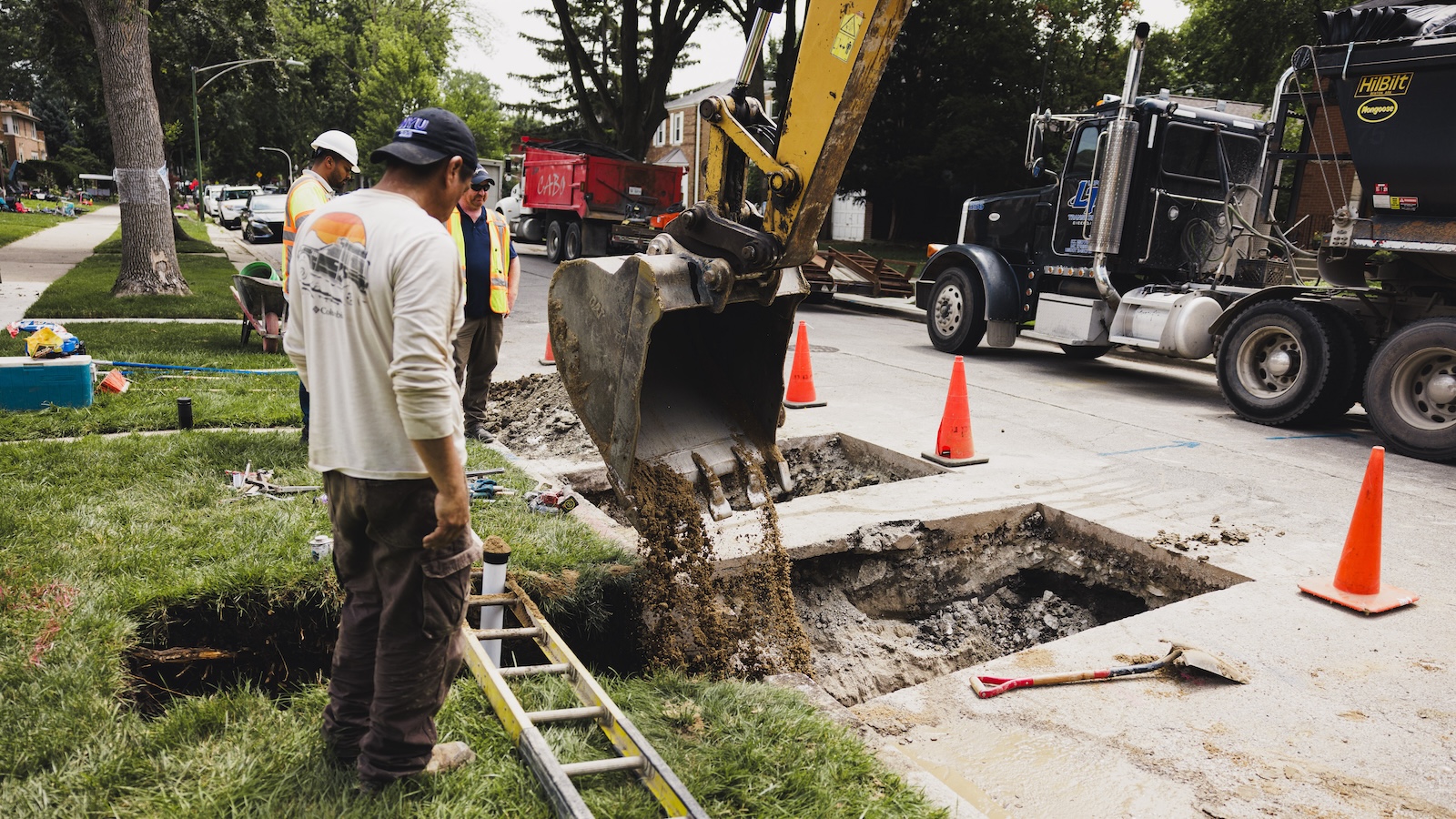
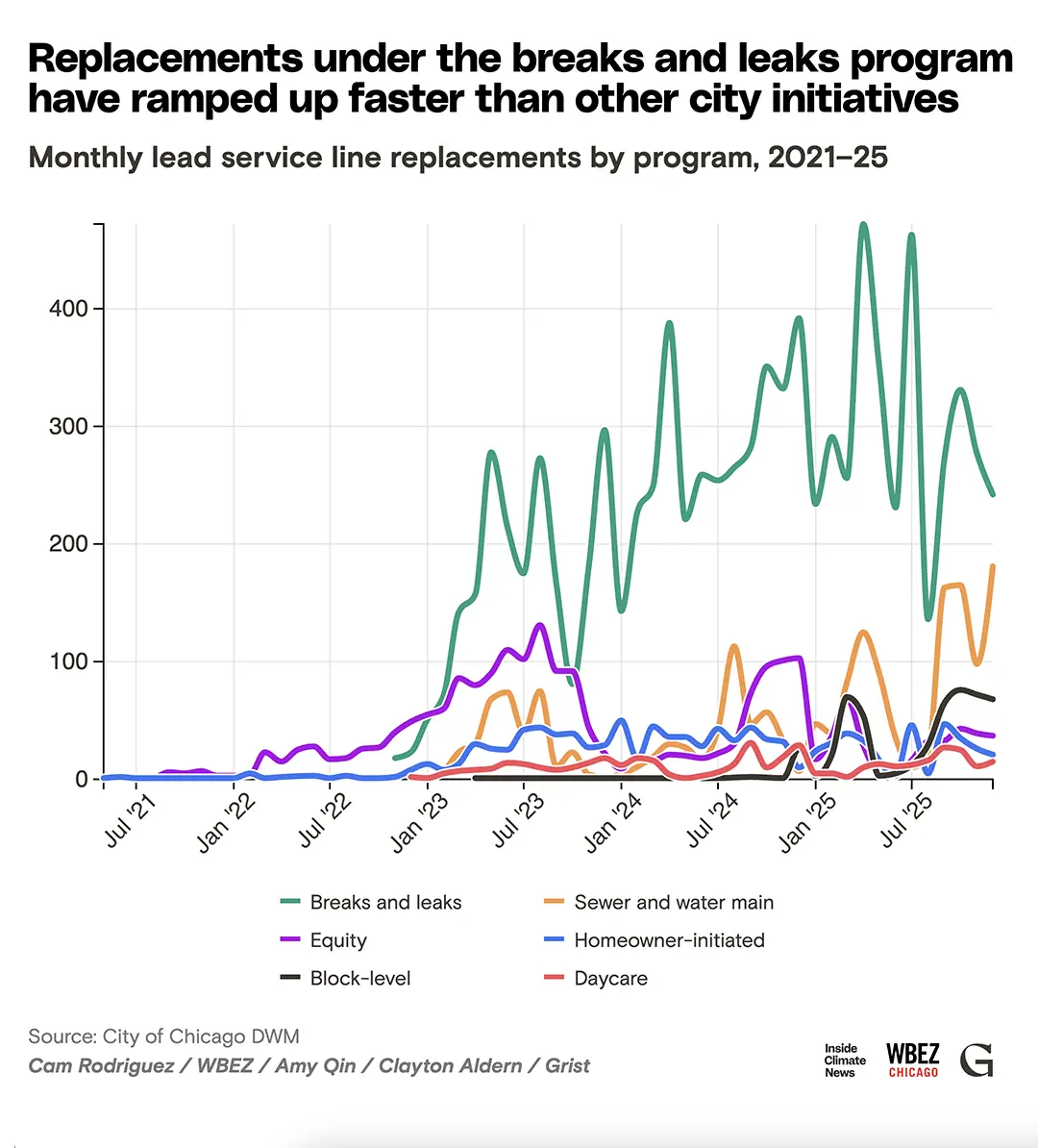
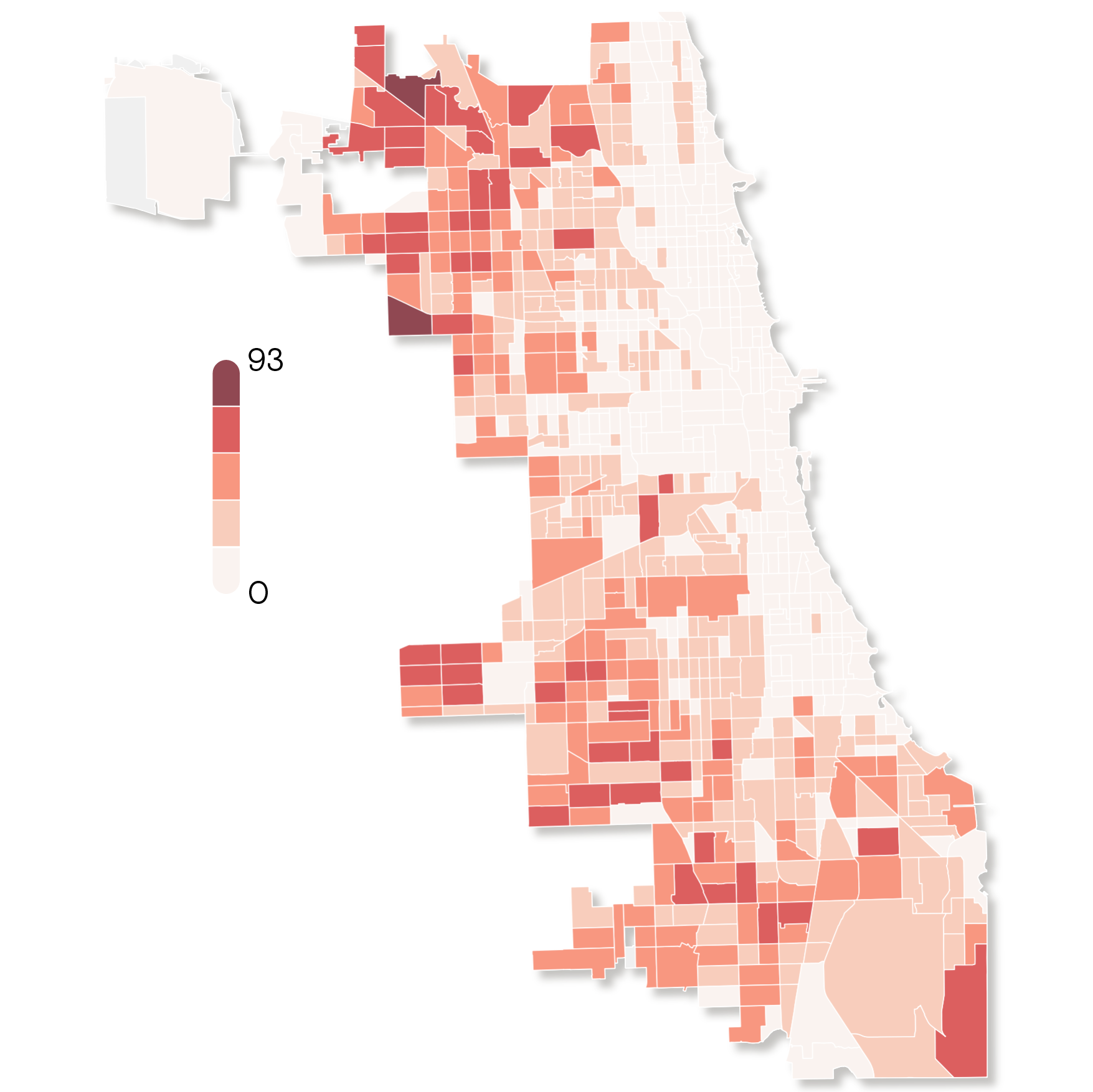
The most cost-effective way to replace lead lines is the "block-by-block" approach, where crews move systematically through a neighborhood, replacing every line on a street simultaneously. This allows for economies of scale in labor, materials, and street restoration. However, data analysis shows that between 2021 and 2025, only 3 percent of Chicago’s replacements were performed under block-level programs. Instead, the vast majority of work was done piecemeal—responding to emergency leaks or breaks. When crews are dispatched for one-off repairs, the mobilization costs and the price of repairing a single patch of pavement are significantly higher than they would be for a coordinated street-wide project.

The Legal Hurdle of Private Property Access
For years, Illinois law created a logistical bottleneck. Service lines are split into two sections: the public side (from the water main to the property line) and the private side (from the property line into the home). State law prohibits "partial" replacements because disturbing the line can actually cause a temporary spike in lead levels; therefore, the entire line must be replaced at once. Historically, Chicago required explicit written permission from every individual homeowner to enter private property, a process that frequently stalled block-wide initiatives.
In May 2024, the Illinois legislature passed Senate Bill 4025, which allows municipal plumbers access to private lines for replacement without individual owner permission under certain conditions. While this is expected to accelerate the timeline, the Water Department’s own projections still suggest that block-wide work in Chicago remains inexplicably expensive, with some estimates reaching $34,000 per line.
The Permitting and Bureaucratic Maze
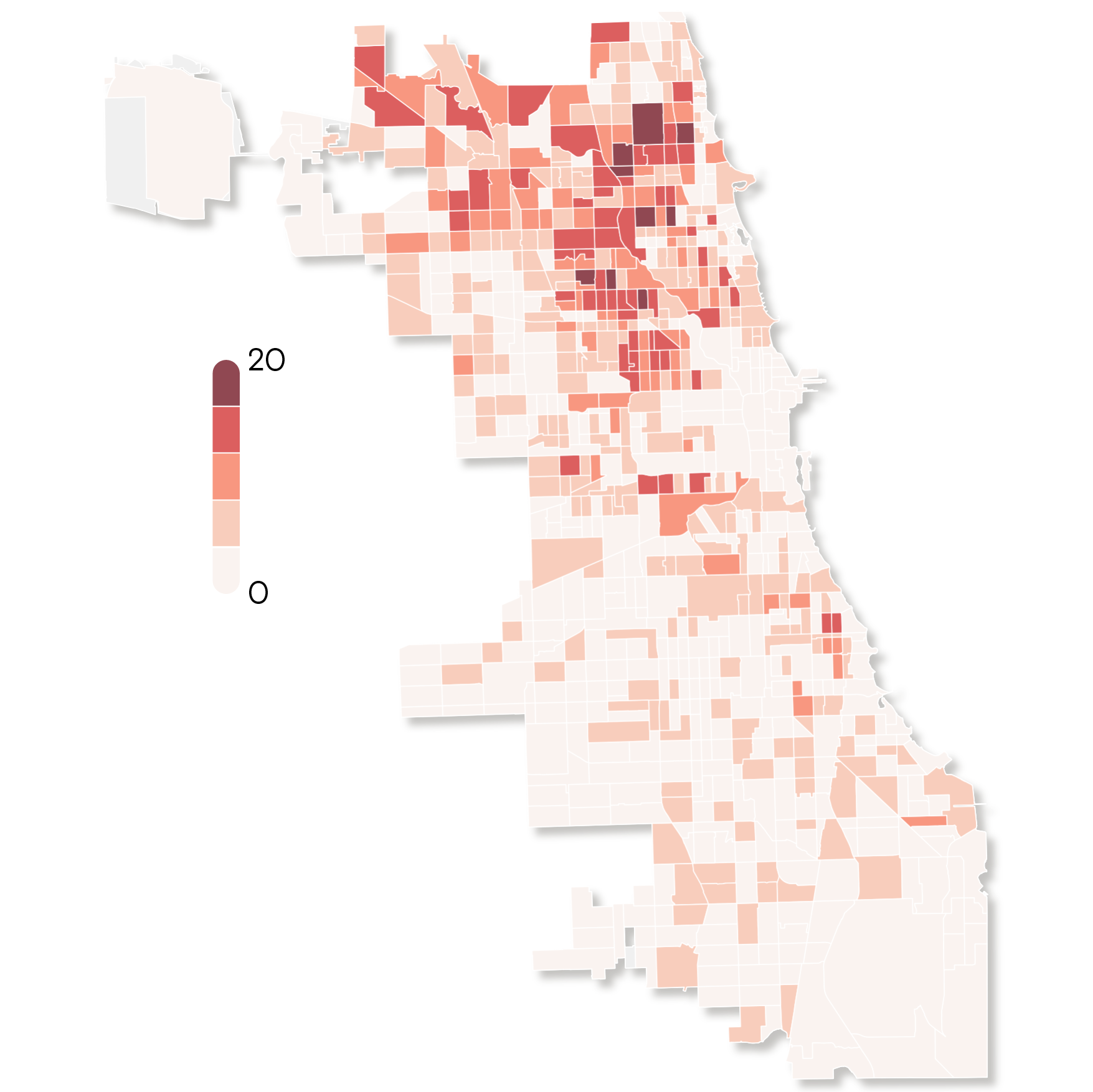
For homeowners who choose to take matters into their own hands and pay for their own replacements, the city’s bureaucracy often acts as a deterrent rather than an assistant. Homeowners in neighborhoods like Avondale and Hyde Park have reported a lack of clarity regarding permit fees, which can range from $5,000 to $7,000 alone.
Replacing a single line requires coordination and permits from the Department of Water Management, the Department of Transportation, and the Department of Buildings. While the city offers fee waivers for some low-income residents, many middle-class homeowners find themselves ineligible. In one instance, a Hyde Park couple paid $25,000 for a replacement, but because they chose to slightly increase the diameter of their pipe to improve water pressure, they were denied a fee waiver. The complexity of the process is so high that many plumbing contractors refuse to bid on the jobs, or they "overbid" to compensate for the anticipated headache of navigating city Hall.
Chronology of the Crisis and Response
The timeline of Chicago’s lead pipe management reflects a slow transition from denial to a struggling mobilization:
- 1945–1986: Chicago building codes mandate lead service lines for residential properties.
- 1986: Federal Safe Drinking Water Act amendments ban the installation of new lead pipes.
- 2014: The Flint Water Crisis brings national attention to the dangers of lead service lines.
- 2020: The City of Chicago formally announces its first Lead Service Line Replacement programs.
- 2021: Federal Infrastructure Investment and Jobs Act (IIJA) allocates $15 billion nationally for lead removal.
- 2023: The EPA proposes a new mandate requiring most cities to replace all lead pipes within 10 years (Chicago is likely to receive an extension to 20 years due to its volume).
- May 2024: Illinois passes SB 4025 to streamline property access for pipe replacement.
- June 2024: Federal lawmakers announce $22 million in additional grants for Chicago, though this covers less than 1 percent of the city’s needs.
Official Responses and Political Pressure
The administration of Mayor Brandon Johnson has maintained that it is committed to accelerating replacements, but it has been hesitant to provide specific reasons for the $31,000 per-line cost. A spokesperson for the Mayor stated that the administration is working to "streamline processes and maximize every available dollar," yet the Department of Water Management has recently stopped responding to detailed inquiries regarding cost tracking.
Senator Tammy Duckworth (D-IL), a vocal advocate for water safety, has expressed concern over the lack of transparency. "Cities just need to get their act together and get this done," Duckworth said, noting that Chicago has lagged behind other cities that have moved with greater speed and fiscal efficiency.
Internal Water Department officials have pointed to high labor costs and the "prevailing wage" as a factor. However, analysis shows that the prevailing wage for union plumbers in Chicago ($99.52/hour) is comparable to or even lower than in cities like New York ($121/hour), where replacement costs are significantly lower. This suggests that the issue is not the hourly rate of workers, but rather the number of hours required to complete a job due to inefficient planning and burdensome municipal requirements.
Implications for Public Health and Equity
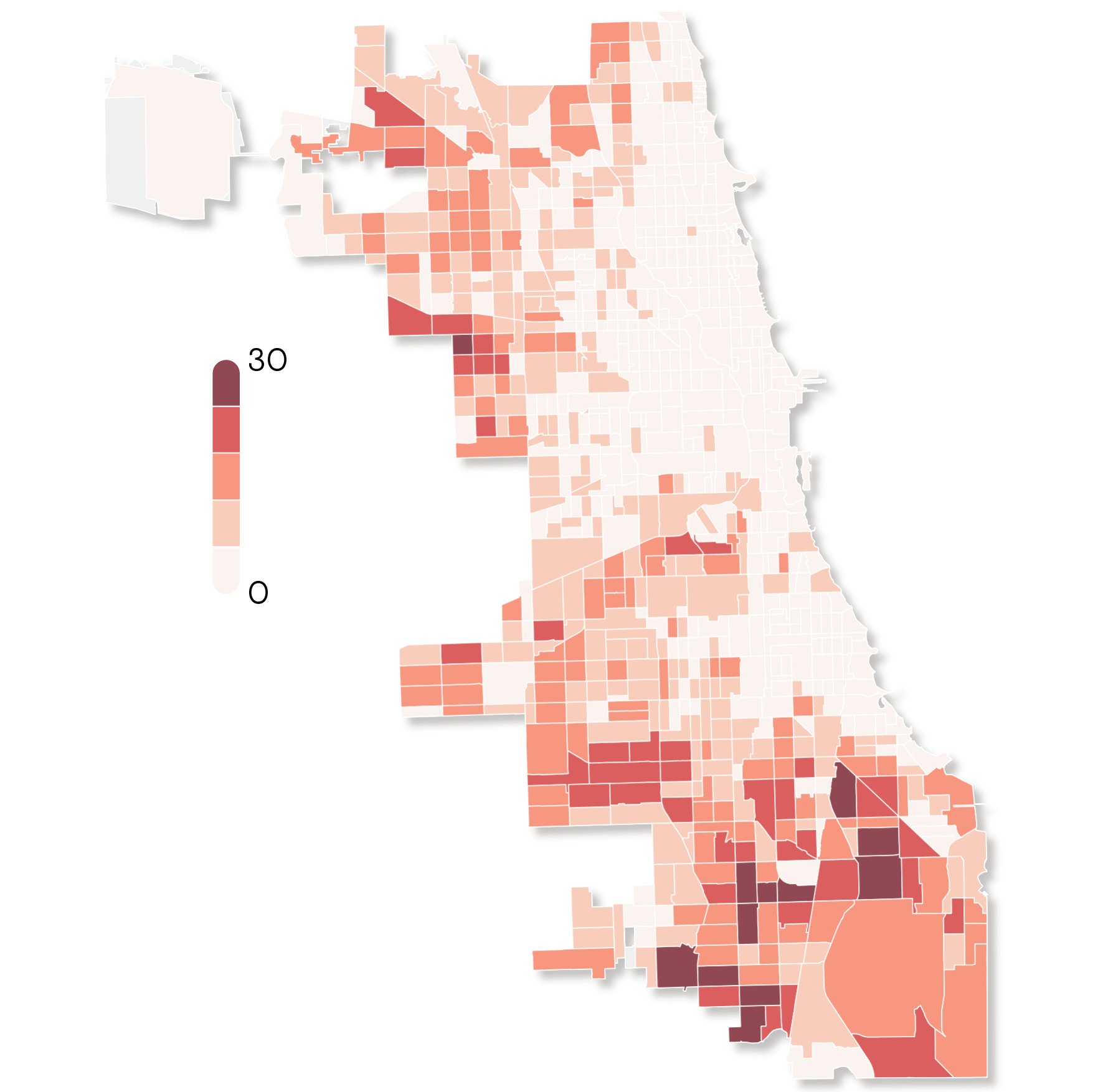
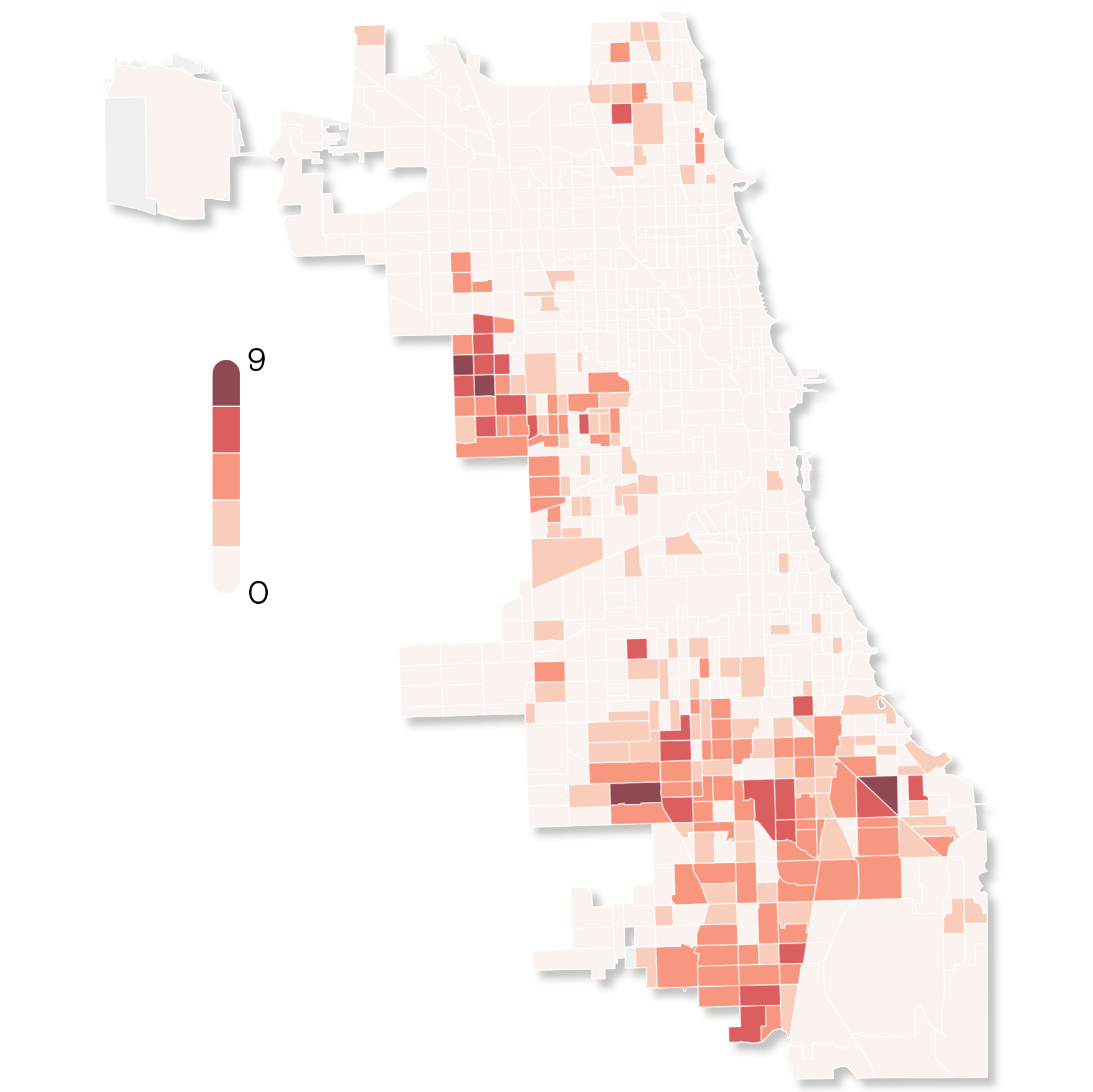
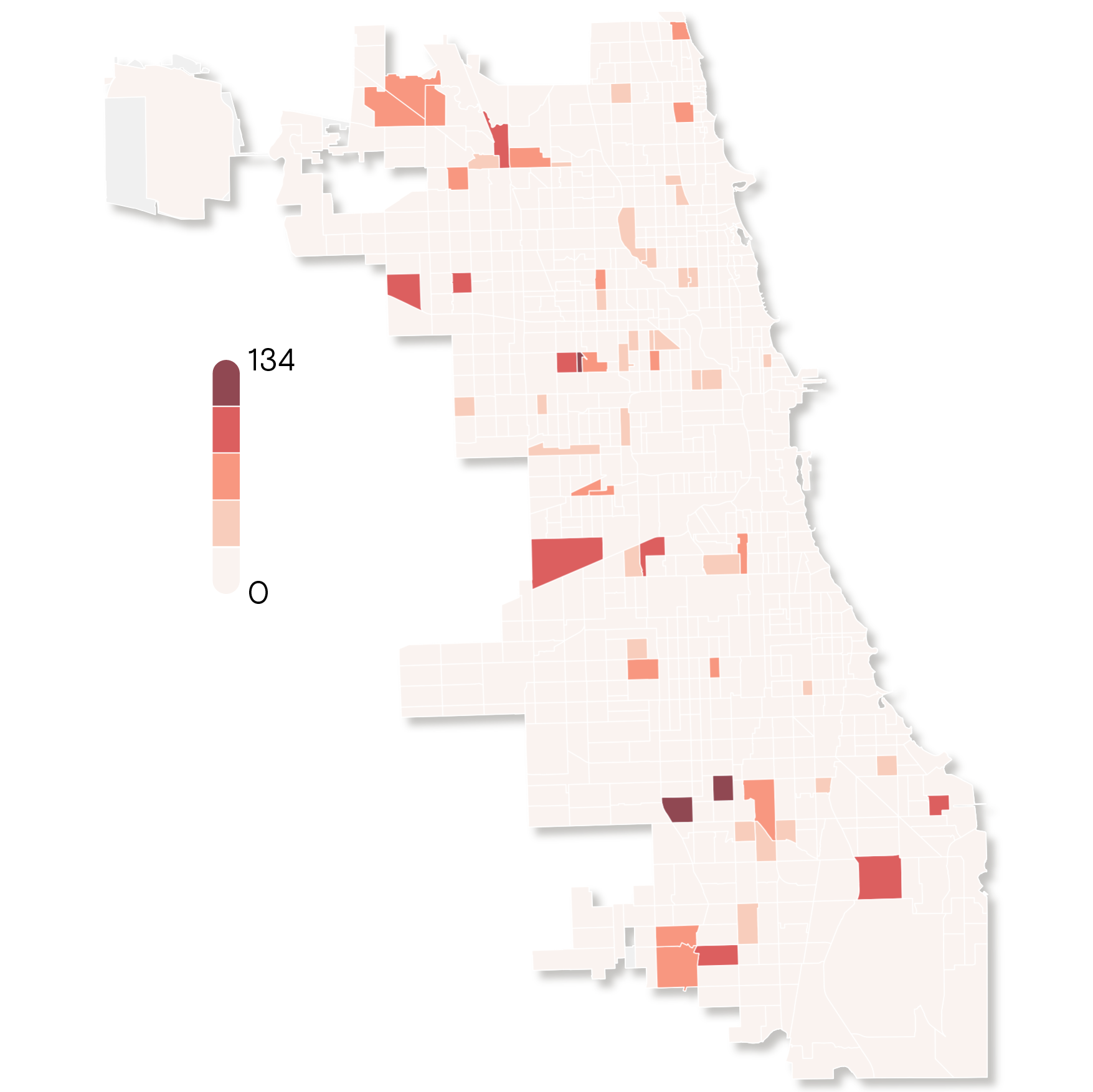
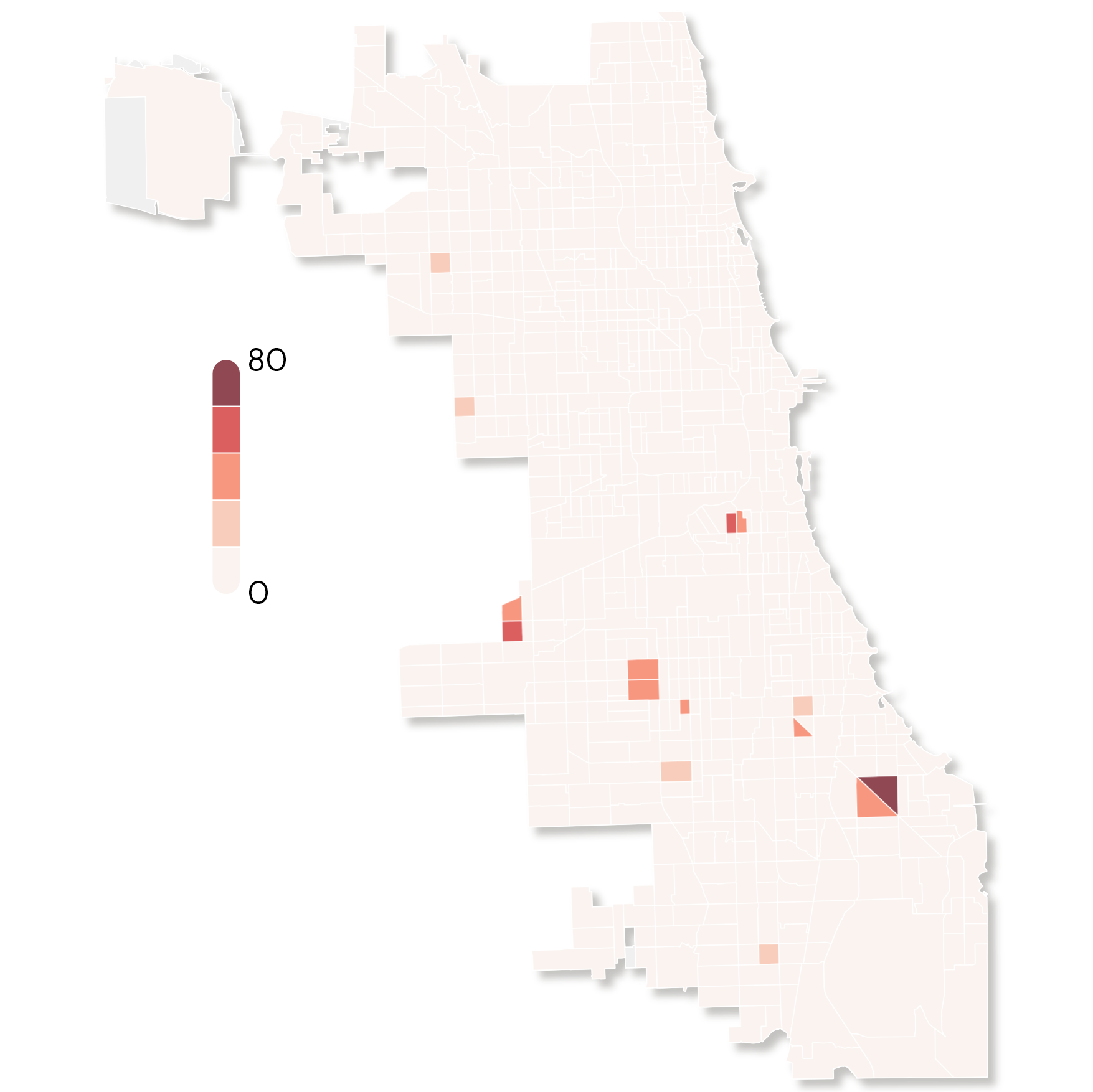
The financial inefficiency of Chicago’s program has profound implications for social equity. The city’s current strategy has resulted in a patchwork of replacements. Emergency repairs occur citywide, but subsidized "equity" initiatives are concentrated on the South and West sides, while homeowner-initiated repairs are almost exclusively found on the wealthier North Side.
At a cost of $31,000 per line, the $1.2 billion in federal funding allocated to Illinois from the Bipartisan Infrastructure Law will only scratch the surface of Chicago’s needs. If the city cannot bring its costs down to the national average, it will likely be forced to raise water rates significantly, placing a disproportionate burden on low-income residents.
Furthermore, the slow pace of replacement means that an entire generation of Chicago children will continue to be at risk of lead exposure. National drinking water expert Elin Betanzo, who helped uncover the Flint crisis, noted that Chicago must justify its costs to the public. "They need to figure out how to complete the most cost-efficient lead service line replacements in the country, not the most expensive," she said.
Conclusion
Chicago stands at a crossroads. The federal government has made it clear that the era of lead pipes must come to an end within the next two decades. For Chicago, this is not merely an engineering challenge but a test of municipal governance. The $12 billion projected cost is a direct result of decades of mandatory lead use followed by years of bureaucratic inertia.
As the 20-year federal deadline approaches, the city’s ability to protect the health of its 2.7 million residents depends on its willingness to dismantle the very policies that have made its replacement program the most expensive in the nation. Without a radical shift toward block-wide coordination, permit reform, and transparent contracting, Chicago’s lead pipes will remain a multi-generational threat to its most vulnerable citizens.