Magnetic bacteria hold the key to extended longevity by suppressing cellular decay through the inhibition of ferroptosis

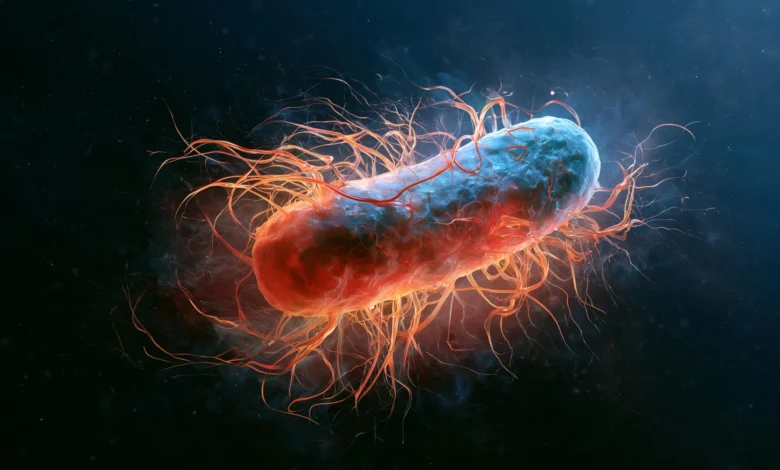
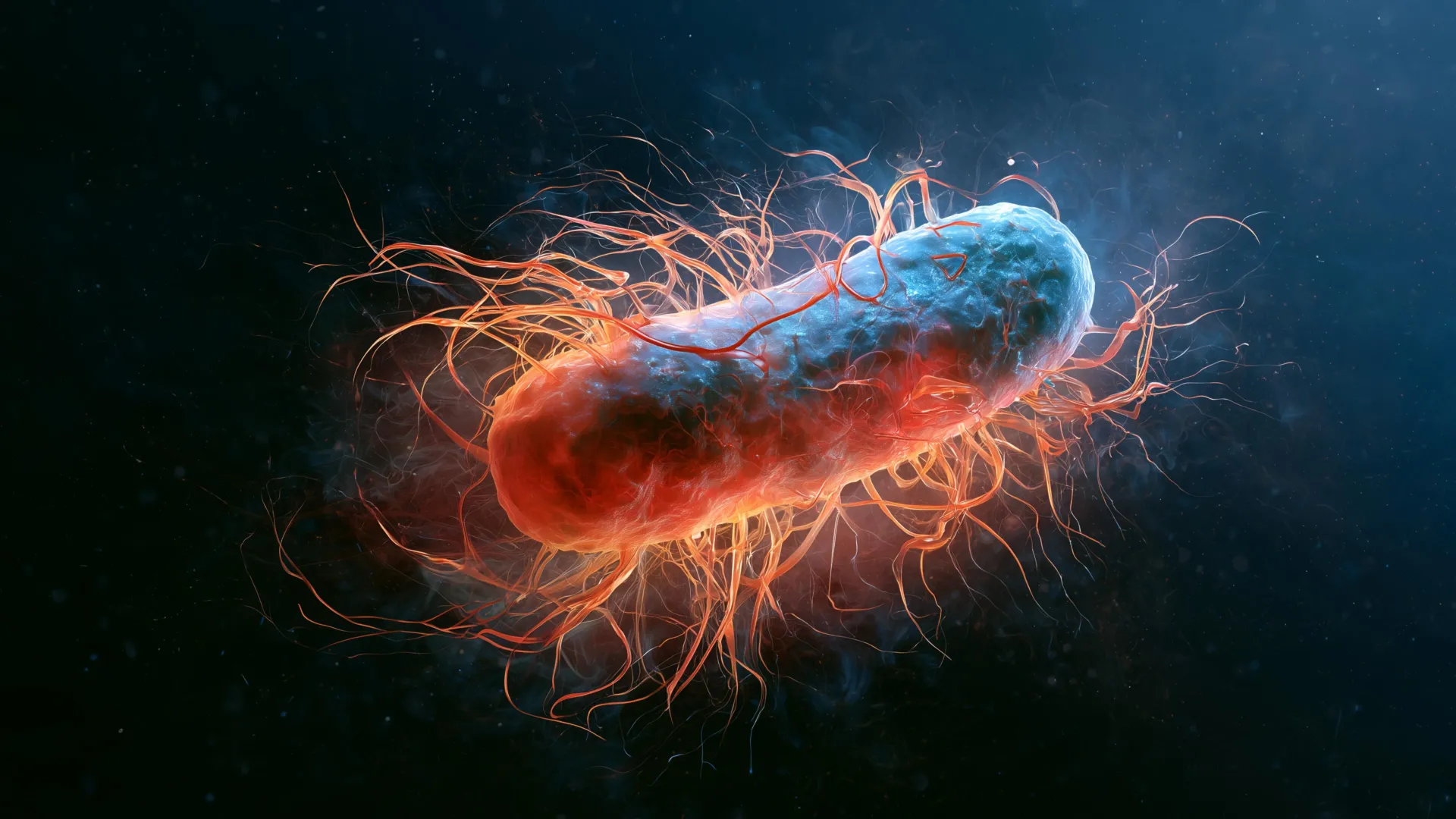
Researchers led by Professor An Xu at the Hefei Institutes of Physical Science of the Chinese Academy of Sciences have uncovered a transformative biological interaction: the magnetotactic bacterium Magnetospirillum magneticum strain AMB-1 can significantly extend the healthy lifespan of the model organism Caenorhabditis elegans. By systematically suppressing ferroptosis—a specific, iron-dependent form of programmed cell death—the study opens a new frontier in geriatric medicine, suggesting that microscopic organisms equipped with specialized magnetic organelles could serve as potent agents for healthy aging. These findings, recently published in the journal Free Radical Biology and Medicine, represent a departure from traditional pharmacological anti-aging interventions, which often grapple with issues of toxicity, poor bioavailability, and long-term side effects.
The Biological Context of Aging and Ferroptosis
Aging is defined by the progressive decline in physiological integrity, leading to impaired function and an increased vulnerability to death. At the cellular level, this decline is characterized by the accumulation of molecular damage, metabolic dysfunction, and the loss of cellular homeostasis. In recent years, the scientific community has turned its focus toward ferroptosis, a form of regulated cell death driven by iron-dependent lipid peroxidation. Unlike apoptosis, which is a programmed "cell suicide" essential for development, ferroptosis is often triggered by the catastrophic breakdown of lipid membranes due to oxidative stress.
As organisms age, iron levels within tissues often rise, creating a toxic environment that promotes the formation of reactive oxygen species (ROS). When these ROS interact with polyunsaturated fatty acids in cell membranes, the resulting lipid peroxidation compromises the structural integrity of the cell, ultimately leading to death. The research team led by Prof. Xu hypothesized that by modulating this iron-heavy environment, it might be possible to slow the aging process. The introduction of Magnetospirillum magneticum AMB-1—a bacterium known for its ability to biomineralize intracellular iron into magnetic crystals called magnetosomes—provided a unique experimental vehicle to test this hypothesis.
Chronology of the Experimental Investigation
The study followed a rigorous multi-phase experimental design to validate the influence of AMB-1 on the longevity of C. elegans.
In the initial phase, researchers exposed populations of C. elegans to the AMB-1 strain. The baseline results were immediate and statistically significant. The worms treated with the bacteria exhibited an average lifespan extension of 43.39% compared to the control group. Beyond mere longevity, the researchers observed a marked preservation of neurological function and the maintenance of intestinal integrity, both of which are critical indicators of "healthspan"—the duration of life spent in a state of robust health rather than infirmity.
Following these results, the team shifted their focus to determine whether the magnetosomes themselves were the primary drivers of this effect. To test this, they utilized three distinct strains: wild-type AMB-1, a reversibly non-magnetotactic strain (RNM-AMB-1), and a non-magnetotactic strain (NM-AMB-1). The findings indicated a clear hierarchy of efficacy: the wild-type, which produces fully functional magnetosomes, provided the greatest longevity benefit. The RNM-AMB-1 strain, which possesses a diminished ability to produce these structures, showed a reduced effect, while the NM-AMB-1 strain failed to extend lifespan entirely. This chronology of testing established a direct causal link between magnetosome production and the observed anti-aging phenotype.
Analyzing the Mechanisms of Action
To understand how a bacterium could influence systemic cellular death, the research team conducted a deep dive into the genetic and molecular pathways of the treated C. elegans. Genetic analysis revealed that the presence of AMB-1 significantly modulated key genes associated with ferroptosis regulation, specifically ftn-1, bli-3, and ads-1.
The bacterium appears to act as a biological sink for iron, sequestering it within its magnetosomes and thereby preventing the iron from catalyzing the destructive lipid peroxidation cycle that defines ferroptosis. By lowering the overall lipid peroxidation load within the host, the bacteria effectively "reset" the cellular stress response. The upregulation or stabilization of ftn-1 (a ferritin homologue) in the presence of the bacteria suggests a highly coordinated systemic response where the host organism benefits from the bacterial management of heavy metal concentrations. This mechanism provides a clear, actionable explanation for how a symbiotic or transient microbial presence can mitigate the systemic damage usually associated with the aging process.
Supporting Data and Comparative Analysis
The data gathered by the Hefei Institutes team underscores the magnitude of the intervention. While many anti-aging compounds tested in C. elegans yield lifespan increases in the range of 10% to 20%, the 43.39% increase achieved through AMB-1 supplementation is exceptionally high.
Furthermore, the biocompatibility of magnetotactic bacteria has been a subject of interest in oncology for several years. Because these bacteria are naturally attracted to magnetic fields and possess the ability to navigate through complex biological environments, they have been studied for their potential as "living drug delivery vehicles." However, their role in prophylactic longevity—rather than targeted therapy—was previously unexplored. The current study provides the first comprehensive evidence that the iron-sequestering nature of these microorganisms can serve a protective, rather than purely tactical, role in the host.
Implications for Geriatric Medicine
The implications of this research are vast, though the transition from model organisms to clinical human trials remains a distant goal. Current anti-aging research is dominated by small-molecule inhibitors, such as rapamycin or metformin, which often target specific metabolic pathways like mTOR or AMPK. The introduction of a microbial-based intervention introduces the possibility of "biological modulation," where the commensal or probiotic flora is leveraged to regulate systemic metabolic markers.
The scientific community has noted that the use of magnetotactic bacteria could potentially bypass the toxicity issues associated with synthetic chelating agents. If the mechanisms identified in C. elegans are conserved in more complex organisms, the ability to selectively target ferroptosis using engineered or natural magnetotactic bacteria could provide a new therapeutic avenue for age-related degenerative diseases, such as Alzheimer’s, Parkinson’s, and sarcopenia, all of which have been linked to iron dyshomeostasis and oxidative stress.
Critical Perspectives and Future Directions
While the results are promising, experts in the field emphasize the need for caution. C. elegans serves as a powerful initial model, but the complexity of the human microbiome and the human immune system presents significant hurdles. The primary challenge for the researchers in the next decade will be the translation of these findings into a delivery mechanism that is both stable and safe for higher-order mammals.
Questions regarding the long-term colonization of AMB-1 in the human gut, the potential for an inflammatory immune response, and the regulation of magnetosome biomineralization in a different metabolic environment must be addressed before this research can move toward clinical evaluation. Nevertheless, the study provides a robust proof-of-concept that the manipulation of iron metabolism via microbial agents is a viable and potentially superior strategy for extending the healthspan.
Conclusion
The research conducted at the Hefei Institutes of Physical Science marks a pivot point in the study of ferroptosis and aging. By demonstrating that the magnetotactic bacterium AMB-1 can act as a biological buffer against cellular decay, the team has successfully identified a novel mechanism for longevity. This study not only highlights the sophisticated interplay between bacterial magnetosomes and host health but also provides a foundation for a new class of microbial-based interventions. As the global population ages, the search for effective, safe, and sustainable anti-aging strategies will only intensify, and the findings regarding Magnetospirillum magneticum suggest that the answers may lie in the microscopic organisms that have co-evolved with life for billions of years. The success of this study serves as a testament to the power of interdisciplinary research, blending microbiology, biophysics, and gerontology to address one of the most fundamental challenges of modern medicine.
Related posts: