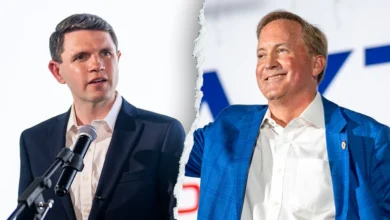
The United States House of Representatives faces a high-stakes constitutional showdown as lawmakers prepare to vote on eight articles of impeachment targeting Secretary of War Pete Hegseth. Introduced by outgoing Representative Thomas Massie, R-Ky., the resolution accuses the Pentagon chief of severe abuses of power, including unauthorized military actions, violations of war powers statutes, and political retaliation against a sitting lawmaker. The impeachment push has triggered a fierce national debate over the boundaries of executive authority, the constitutional reach of congressional oversight, and the proper mechanisms for resolving profound policy disputes between the legislative and executive branches.
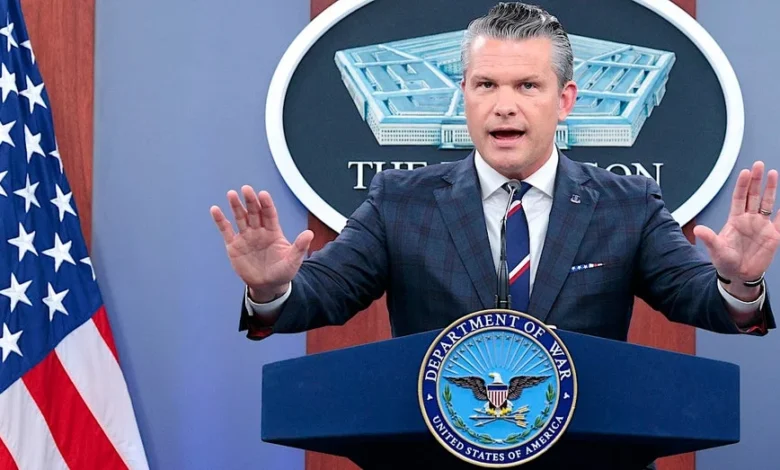
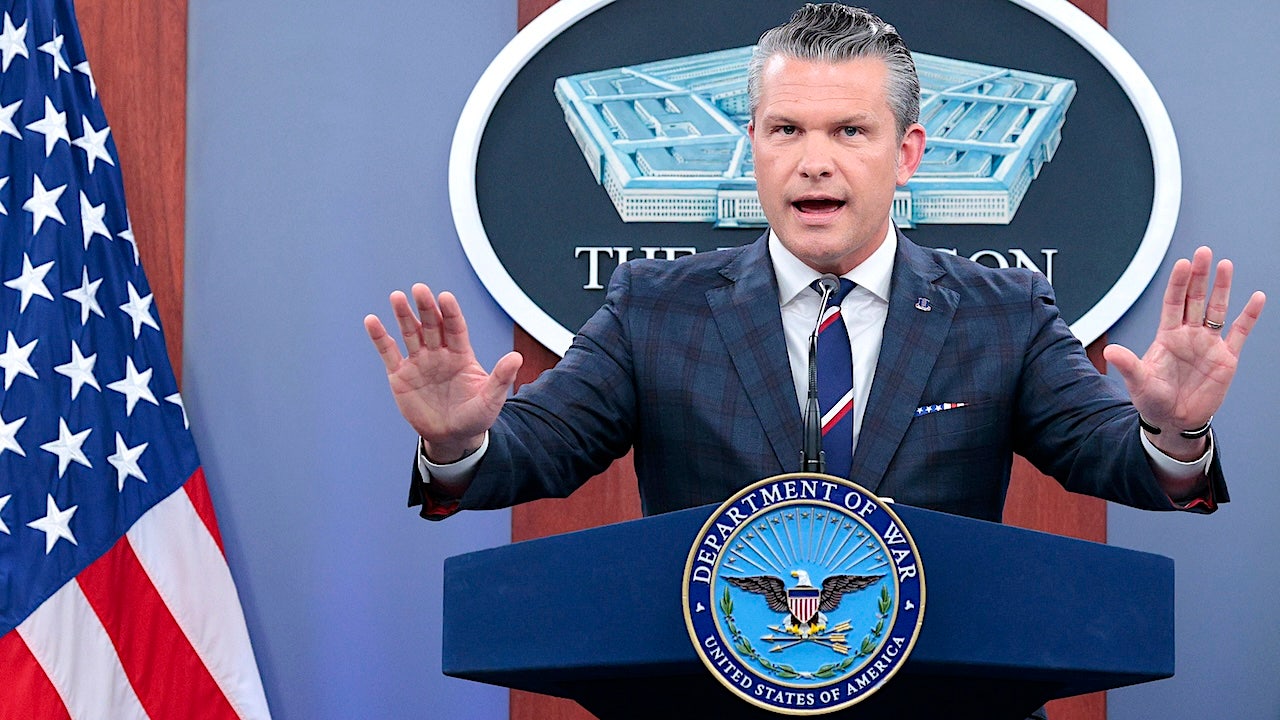
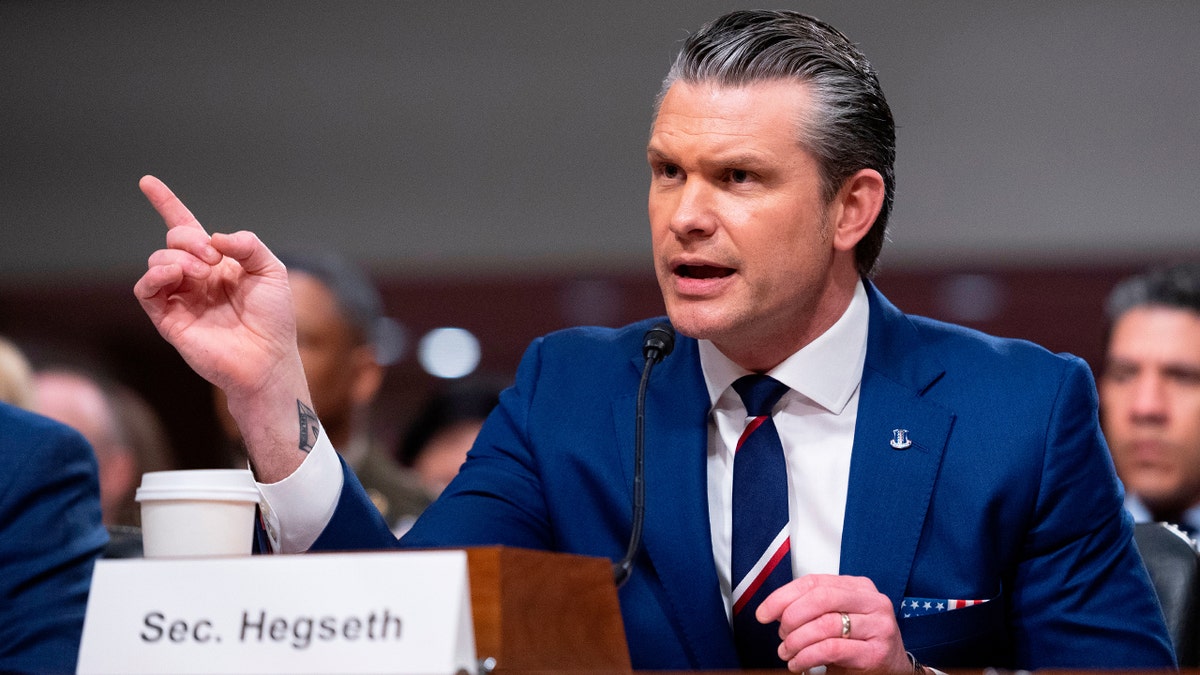
Secretary Hegseth forcefully rejected the impeachment bid during a tense press conference at the Pentagon, characterizing the effort as a partisan farce and a stunt designed to penalize the administration for enacting sweeping structural reforms. Backed by President Donald Trump and key members of the Cabinet, Hegseth defended the legality of every operation cited in the resolution, arguing that lawmakers are attempting to weaponize the impeachment clause to overturn legitimate national security decisions through judicialized politics rather than the ballot box or regular legislative channels.
Genesis of the Impeachment Resolution
The political collision began when Rep. Massie filed the eight-article impeachment resolution, centering on several of the Trump administration’s most aggressive and controversial national security initiatives. Three of the articles specifically target the ongoing military campaign against Iran, alleging that Hegseth initiated hostilities without explicit congressional authorization, willfully ignored statutory deadlines for the withdrawal of U.S. troops, and continued military operations after Congress voted to direct their termination.
Beyond the Iranian theater, the resolution takes aim at broader military actions across the Western Hemisphere and the Middle East. It accuses the War Secretary of failing to properly enforce laws designed to minimize civilian casualties during a controversial strike on an Iranian educational facility, conducting unauthorized maritime attacks against suspected narcotics-trafficking vessels in the Caribbean, and directing unlawful military interventions in Yemen. Furthermore, the articles cite the high-profile capture of former Venezuelan leader Nicolás Maduro as an executive overreach and accuse Hegseth of improperly retaliating against Senator Mark Kelly, D-Ariz., following a video message released by the lawmaker that urged military personnel to evaluate the lawfulness of orders.
Despite the sweeping nature of the charges, Massie has steadfastly maintained that the resolution transcends mere policy disagreements. In public statements and social media posts, the Kentucky Republican argued that the administration crossed constitutional red lines by executing military operations that bypass Congress’s exclusive constitutional prerogative to declare war.

Defense and Counterarguments from the Executive Branch
The White House and Pentagon have mounted a robust defense, framing the impeachment effort as an unprecedented assault on executive authority and an opportunistic attack by a disgruntled lawmaker who lost his primary bid earlier this year. During his Pentagon briefing, Hegseth emphasized that the actions in question were carried out under the direct command of the President of the United States in defense of American lives and national security interests.
"One disgruntled congressman wants to shred it over policy disagreements," Hegseth stated. "That’s what it is: policy disagreements, not high crimes, not misdemeanors, not treason, not bribery, not the kinds of offenses the founders intended when they wrote the impeachment clause. The proper remedy for a policy disagreement, it’s legislation, it’s debate, it’s the next presidential election."
White House spokesperson Olivia Wales echoed these sentiments, releasing a scathing critique of the impeachment push. Wales pointed to the administration’s national security accomplishments, noting that Hegseth has worked alongside President Trump to dismantle terrorist networks, intercept cartel operations, disrupt Iranian nuclear ambitions, and bring narco-terrorist leaders to American justice. Vice President JD Vance similarly took to social media to denounce the proceedings, suggesting that the underlying motivation for the impeachment drive stems from Hegseth’s aggressive shake-up of the Pentagon bureaucracy, his reassignment of senior military leadership, and his realignment of global troop commitments away from Europe.

Legal and Constitutional Analysis
The legal community is deeply divided over the viability of the articles of impeachment, with prominent constitutional scholars raising doubts about whether the charges meet the historical threshold for high crimes and misdemeanors. Jonathan Turley, a noted legal scholar, published a detailed analysis arguing that six of the eight articles are nonstarters. Turley asserted that the articles concerning Iran attempt to litigate a decades-long power struggle between the executive and legislative branches over war powers—a dispute that has spanned multiple administrations, including those of Bill Clinton, Barack Obama, and Joe Biden, without ever triggering impeachment proceedings.
Regarding the capture of Nicolás Maduro, Turley noted that federal court precedent established during the prosecution of former Panamanian leader Manuel Noriega heavily favors the executive branch’s authority in such operations. However, Turley drew a sharp distinction regarding two specific allegations: the Caribbean maritime strikes against suspected drug traffickers and the alleged retaliation against Senator Kelly.
Turley noted that if verified, allegations of a "double-tap" strike protocol against maritime vessels could raise serious international law concerns. Similarly, he suggested that penalizing a sitting senator for exercising free speech rights regarding military orders touches upon complex questions of command influence and constitutional protections. Nevertheless, Turley cautioned that even these problematic allegations fall short of the clear evidentiary standard required to prove impeachable misconduct, concluding that further investigation would be necessary before rendering a definitive judgment.
Broader Implications for National Security and Governance
The House vote on the impeachment resolution carries profound implications for the balance of power in Washington. Under the United States Constitution, impeachment requires a simple majority vote in the House of Representatives to formally charge an official, while removal from office requires a two-thirds supermajority in the Senate. Given the current composition of Congress, the resolution’s advancement serves primarily as a symbolic legislative battleground and a referendum on the Trump administration’s foreign policy doctrine.
The controversy highlights a recurring tension in American governance: the friction between a commander-in-chief exercising expansive unitary executive powers in times of asymmetric conflict and a legislature struggling to assert its oversight and war-making authorities. While congressional critics argue that unchecked military operations erode constitutional checks and balances, defenders of the administration contend that modern security threats require rapid, decisive executive action that cannot be paralyzed by legislative gridlock.
As the House prepares to cast its votes, the outcome will test the limits of accountability within the national security apparatus. Whether the resolution is viewed as a necessary defense of legislative prerogatives or as a partisan weapon deployed against a reforming defense secretary, the debate over Pete Hegseth’s tenure ensures that the parameters of executive power will remain at the forefront of American political discourse.
Related posts: